Hello.
This is Oks Dental.

Many people who visit the dentist because of their wisdom teeth
ask, “It doesn’t hurt yet. Do I really need to have it removed?”
In fact, wisdom teeth can cause various oral problems even when there are no noticeable symptoms.
This is especially true of impacted wisdom teeth hidden under the gums or inside the jawbone, which can be difficult to identify visually and are therefore often left untreated.
However, impacted wisdom teeth can affect the health of the surrounding teeth and gums, making an accurate diagnosis and appropriate management important.
Today, Gaepo-dong Dental Clinic will explain what impacted wisdom tooth extraction is, why it may be necessary, and what precautions to take after extraction.
What Are Impacted Wisdom Teeth?
Wisdom teeth are the molars that usually erupt last, typically between the ages of 17 and 25.
However, when there is not enough space in the jawbone or a wisdom tooth grows in an abnormal direction, it may not erupt normally.
A tooth that is partially or completely buried in the gums or bone is called an impacted wisdom tooth.
An impacted wisdom tooth is not simply a hidden tooth; it may potentially affect the surrounding tissues.
Therefore, the absence of symptoms does not necessarily mean that it is healthy.
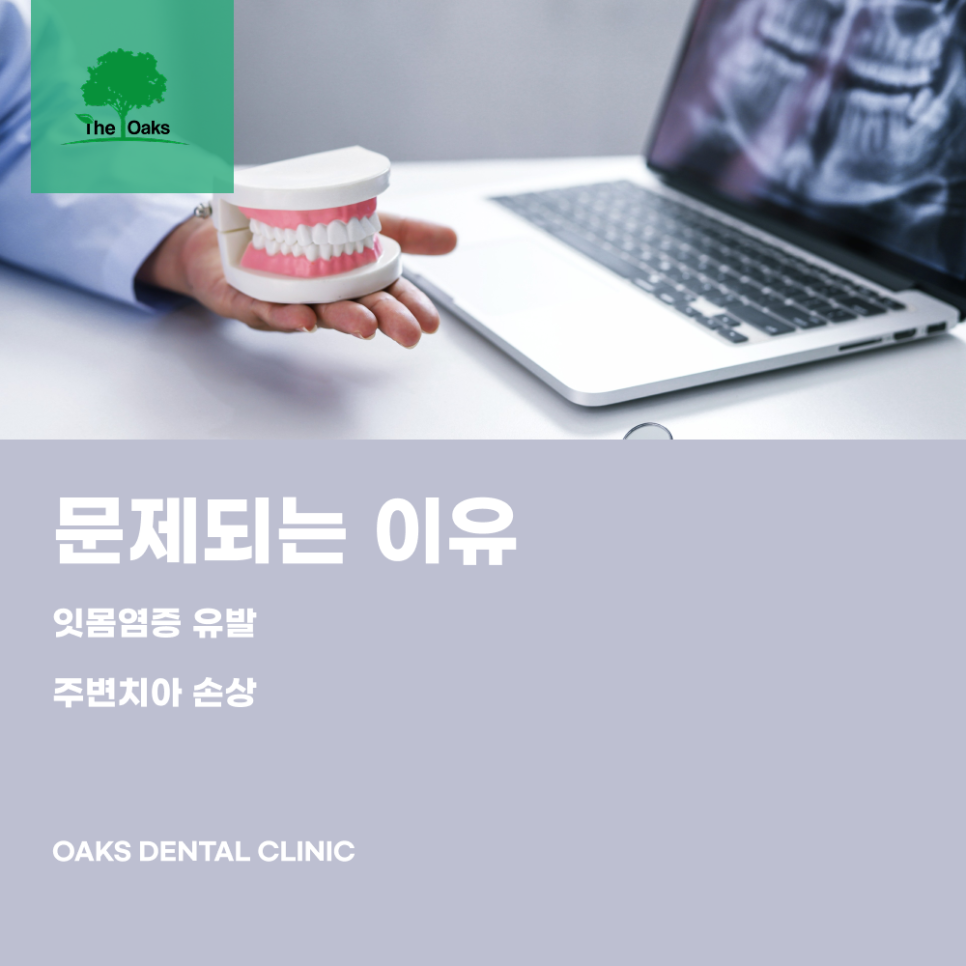
Why Can Impacted Wisdom Teeth Cause Problems?
Many people think that everything is fine if there is no pain, but impacted wisdom teeth can cause various problems.
One common issue is inflammation of the gums around the wisdom tooth.
Food particles and bacteria can easily accumulate around a wisdom tooth that has erupted only partially.
This can cause swollen or painful gums and may also lead to bad breath.
In addition, if a wisdom tooth grows in a direction that pushes against the adjacent tooth, it can damage the molar in front of it.
In severe cases, cavities or root resorption may develop in the adjacent tooth.
These problems may not cause noticeable symptoms in the early stages, so regular dental checkups are important for identifying them.

When Is Impacted Wisdom Tooth Extraction Necessary?
Not every wisdom tooth necessarily needs to be extracted.
If it has erupted normally, is functioning properly, and is not causing problems in the surrounding tissues, monitoring its condition may be an option.
However, extraction may be considered in the following cases:
-
Repeated inflammation around the wisdom tooth
-
Cavities or damage developing in an adjacent tooth
-
An effect on the alignment of the teeth
-
A risk of cyst formation
-
A planned orthodontic treatment
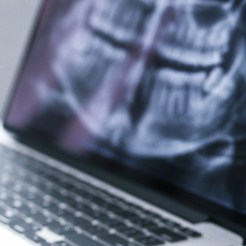
In particular, extraction may be recommended when an X-ray reveals abnormal findings, even if the wisdom tooth is completely impacted.
Therefore, it is important to assess the condition of a wisdom tooth through imaging rather than visual examination alone.
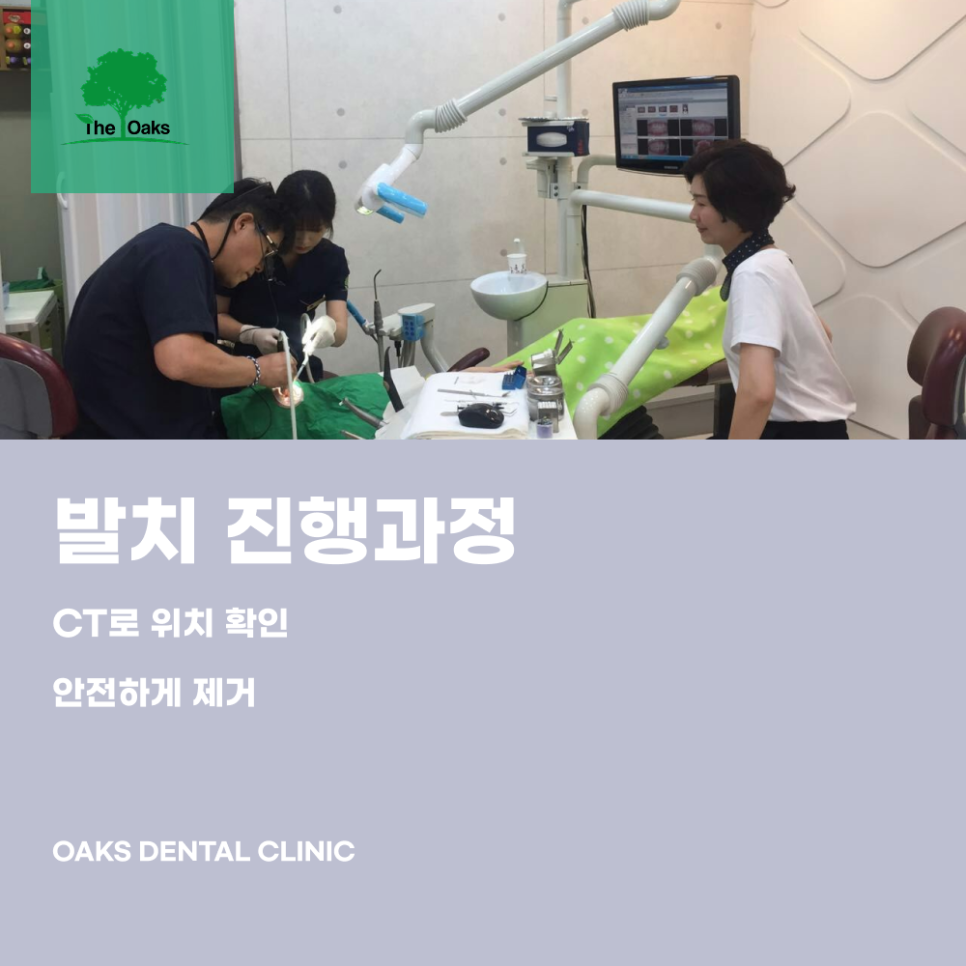
How Is Impacted Wisdom Tooth Extraction Performed?
Impacted wisdom tooth extraction may require a somewhat more complex procedure than a routine extraction.
First, a panoramic X-ray or three-dimensional CT scan is used to check the tooth’s position and direction, as well as its distance from the nerve and other structures.
After local anesthesia is administered, an incision is made in the gum, and the tooth may be sectioned and removed if necessary.
The procedure time may vary depending on the position of the wisdom tooth and the degree of impaction.
More important than the extraction itself is making an accurate diagnosis and establishing a safe treatment plan.
In particular, lower impacted wisdom teeth may be close to a nerve, making preoperative examination especially important.
What Symptoms May Occur After Extraction?
Temporary swelling or pain may occur after impacted wisdom tooth extraction.
This is one part of the normal healing process.
Swelling may be at its worst for about two to three days after extraction and then gradually decrease.
Depending on the individual, opening the mouth may be uncomfortable, and bruising may also occur.
However, most people recover naturally over time.
If severe bleeding, persistent pain, fever, or other concerning symptoms occur, it is advisable to visit a dentist for an examination.
In Closing...
An impacted wisdom tooth is not simply a hidden tooth; it can contribute to various oral problems.
To reduce the risk of recurring gum inflammation, damage to adjacent teeth, and cavities, it is important to accurately assess its current condition.
If you are concerned about your wisdom teeth or have not yet had them examined, visit a dentist to have their current condition checked.
Maintaining a healthy mouth begins with a little attention and regular checkups.