Hello.
This is Oks Dental Clinic.
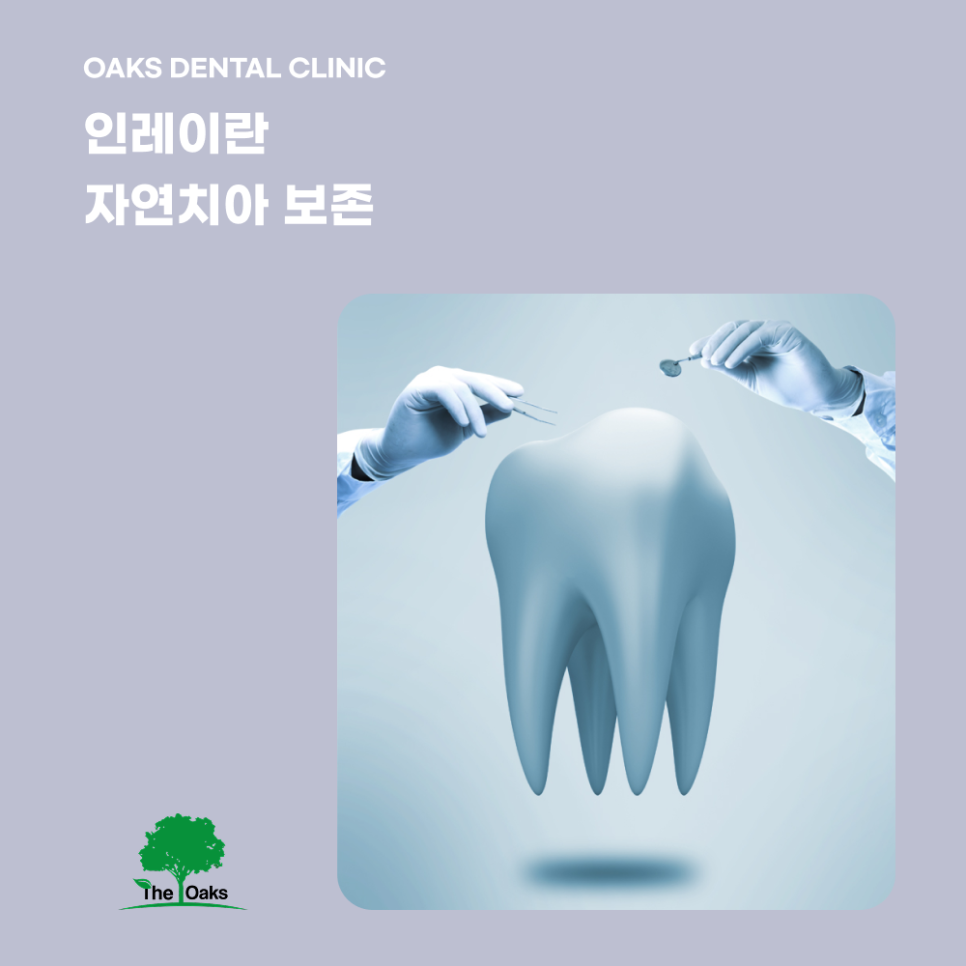
Not every cavity is treated
in the same way.
The appropriate treatment method
may vary depending on the size and location
of the cavity and the extent to which
the tooth has been damaged.
In some cases, an early-stage cavity
can be treated with resin. However, if the cavity
is somewhat larger or is located in a molar
that receives significant chewing force,
a stronger restorative treatment
may be necessary.
One of the commonly performed treatments
in these situations is an inlay.
Today, Daechi-dong Dental Clinic will explain
what an inlay is,
when it is needed,
and how to care for your teeth
after treatment.
What Is an Inlay?
An inlay is a restoration made by taking
an impression of the damaged area of the tooth
after removing the cavity, then filling
the lost portion with the custom-made restoration.
It is often used when the cavity is too large
to achieve sufficient strength with resin alone,
but a crown covering the entire tooth
is not necessary.
Simply put, it is a customized restorative treatment
that precisely restores only the damaged portion
of the tooth.
Because it restores only the damaged area,
one of the advantages of an inlay
is that it can preserve as much
of the natural tooth as possible.
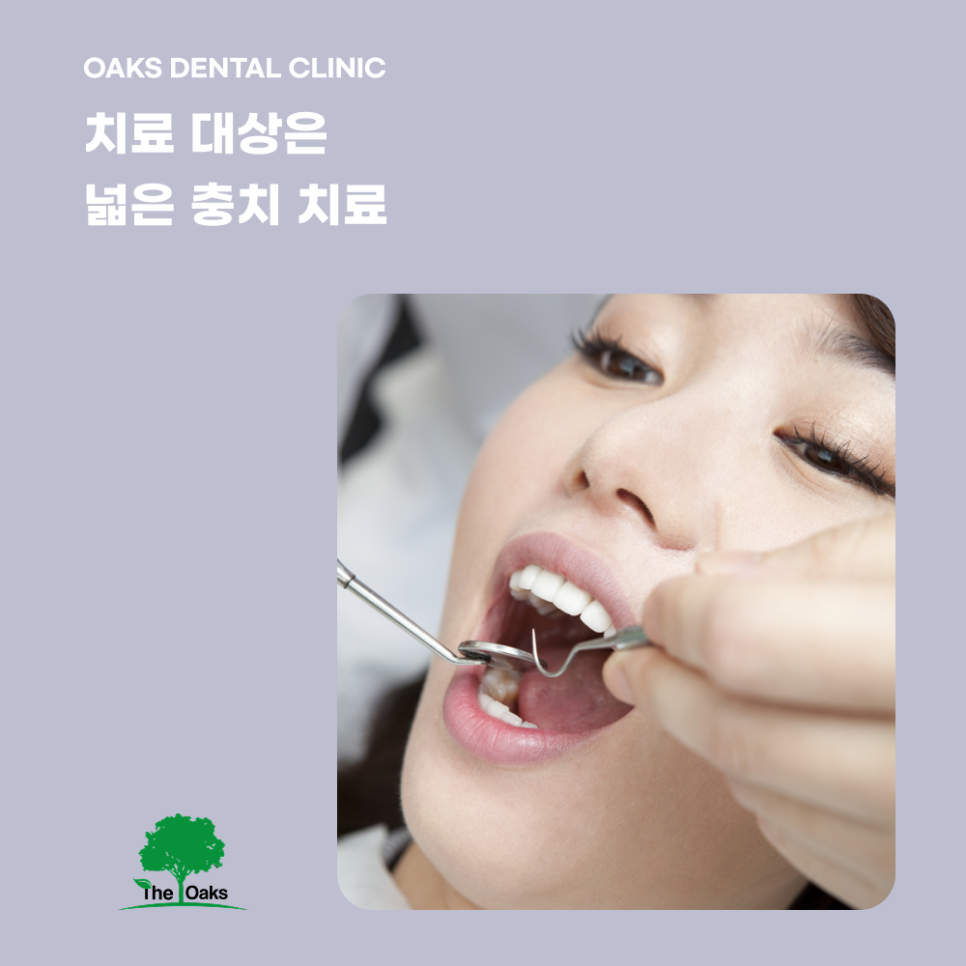
When Is Inlay Treatment Needed?
Inlays can be used
in a variety of situations.
One representative case is
when the cavity is extensive.
If the cavity is too large to be treated
with resin or is in an area that receives
significant chewing force, an inlay
may be considered.
An inlay may also be helpful
when an existing resin filling repeatedly falls out.
In addition, replacement treatment may be performed
when an old amalgam filling or restoration
has been damaged or a gap has developed.
Molars, in particular, receive strong
chewing forces, so treatment with sufficient
strength is important.
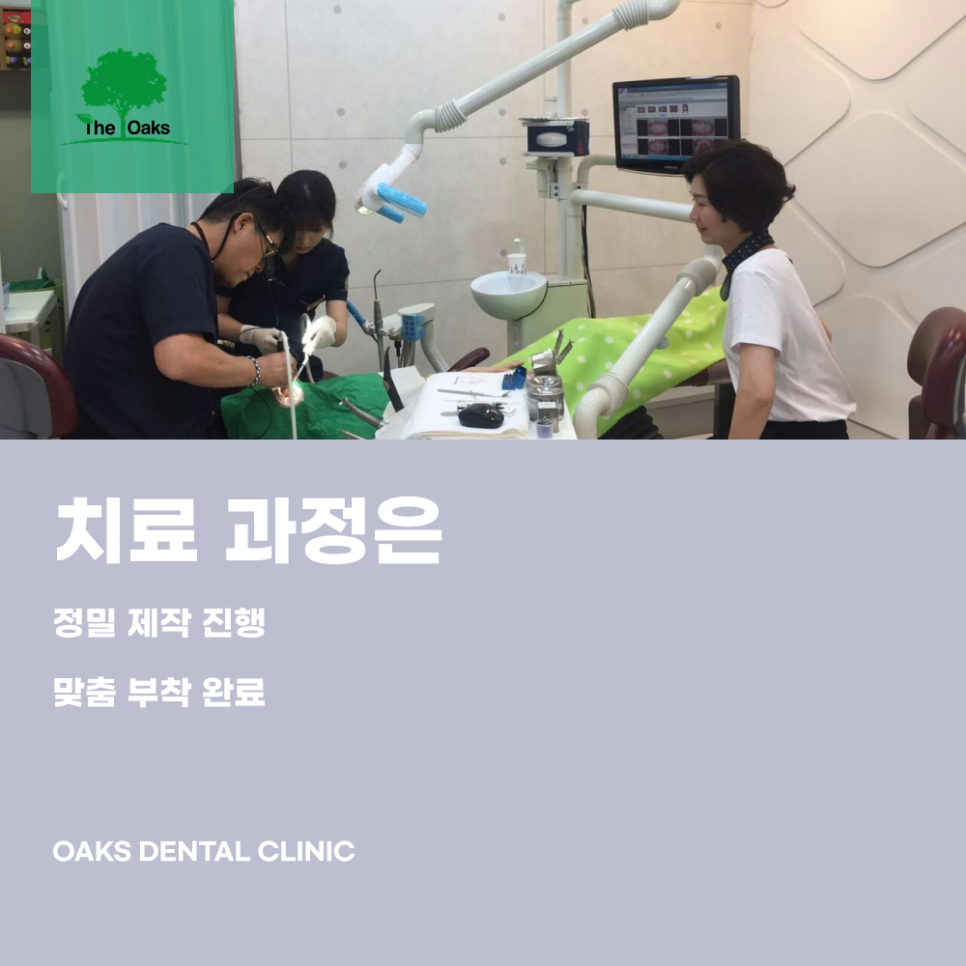
How Is Inlay Treatment Performed?
Inlay treatment generally requires
about two visits.
First, the cavity is removed and the tooth is prepared.
A precise impression is then taken,
or the tooth’s shape is recorded
using a digital intraoral scanner.
The inlay is then fabricated
to fit the patient’s tooth.
Once fabrication is complete, the fit
with the tooth is checked, and the inlay
is firmly attached using a dedicated adhesive.
Finally, the bite is checked to make sure
there is no discomfort when chewing,
after which the treatment is completed.
Recently, digital equipment has also made
more precise fabrication possible
in some cases.
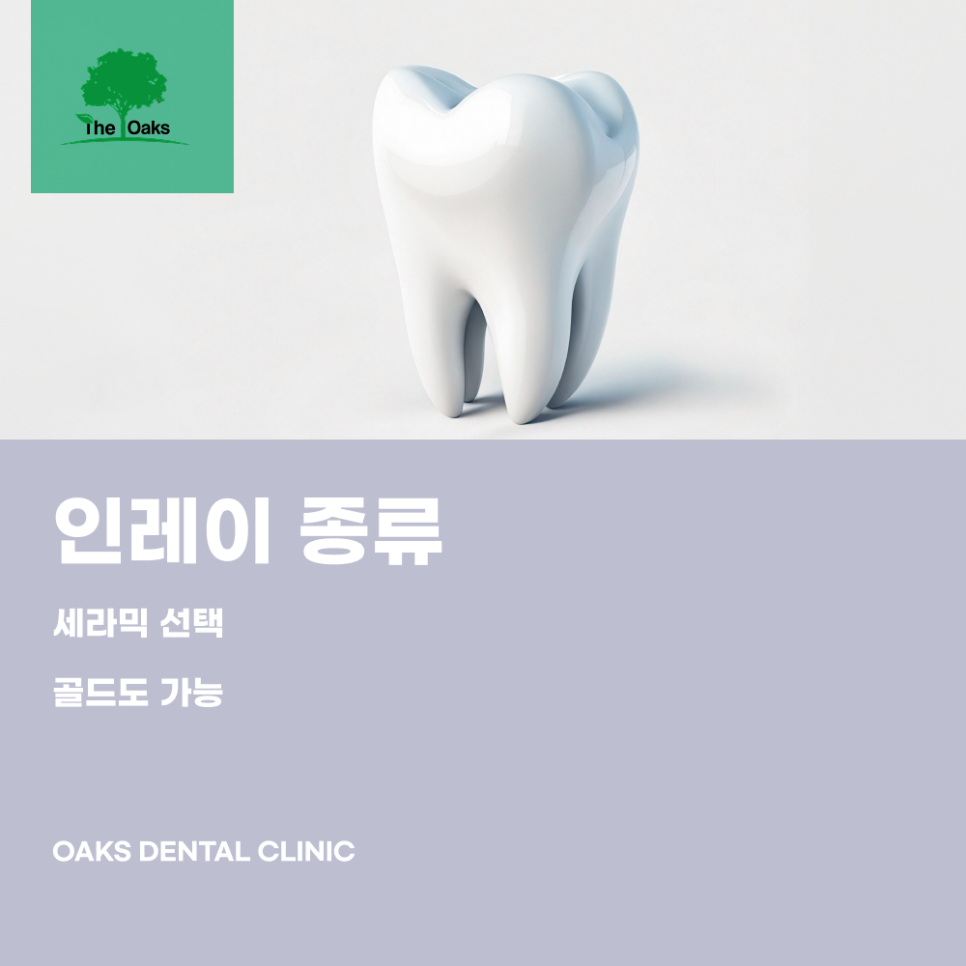
What Types of Inlays Are Available?
Inlays can be divided into several types
depending on the material used.
The most common types are ceramic inlays
and gold inlays.
Ceramic inlays can be made in a color
similar to that of natural teeth,
which gives them excellent aesthetics.
They are often chosen by people
who want a natural-looking color.
Gold inlays offer excellent strength
and a good fit with the tooth,
providing the advantage of stable,
long-term use.
The appropriate material should be selected
by considering the cavity’s location,
the bite, and aesthetic preferences.
Post-Treatment Care Is Also Important
Proper care after treatment
is very important for using an inlay for a long time.
You should keep the area around the restoration clean
through regular brushing and flossing.
This is because plaque buildup
at the boundary between the tooth and inlay
can lead to a secondary cavity.
In addition, repeatedly chewing very hard foods
or clenching your teeth can place stress
on the restoration.
It is advisable to have regular dental checkups
to examine both the inlay’s bonding condition
and the surrounding teeth.
If even a minor problem is detected early,
it can be managed more simply.
In Closing...
An inlay is a representative restorative treatment
that restores a tooth damaged by a cavity
while preserving as much of the natural tooth
as possible.
It can be a good treatment option
for cavities that are difficult to treat with resin
or for areas that require strong chewing resistance.
Most importantly, the current condition
of the tooth should be accurately diagnosed,
and a treatment plan should be established
accordingly.
If you suspect a cavity or feel discomfort
from an old restoration, rather than leaving it untreated,
please visit a dental clinic for an examination.