Sinsa-dong Dental Clinic: Removing Bad Breath Starts with Oral Health Care.
Hello.
This is Ox Dental Clinic.

Bad breath often goes unnoticed by the person experiencing it,
but it can have a significant impact on daily life and
interpersonal relationships.
For this reason, many people try to get rid of bad breath
with mouthwash or chewing gum,
but these methods only provide temporary relief
and are unlikely to be a fundamental solution.
Today, Sinsa-dong Dental Clinic will explain
why bad breath occurs, how it can be eliminated,
and what you can do to manage it in your daily life.
Why Does Bad Breath Occur?
The most common cause of bad breath
is bacteria in the mouth.
There are various types of bacteria in the mouth,
and when food debris and plaque remain,
volatile sulfur compounds are produced
during the process in which bacteria break them down.
These substances are the main cause
of the unpleasant odor.
In particular, bacteria and tongue coating
can easily accumulate on the surface of the tongue,
so they are closely associated with bad breath.
Bad breath can also worsen
when saliva production decreases.
Saliva helps keep the mouth clean
and suppresses the growth of bacteria.
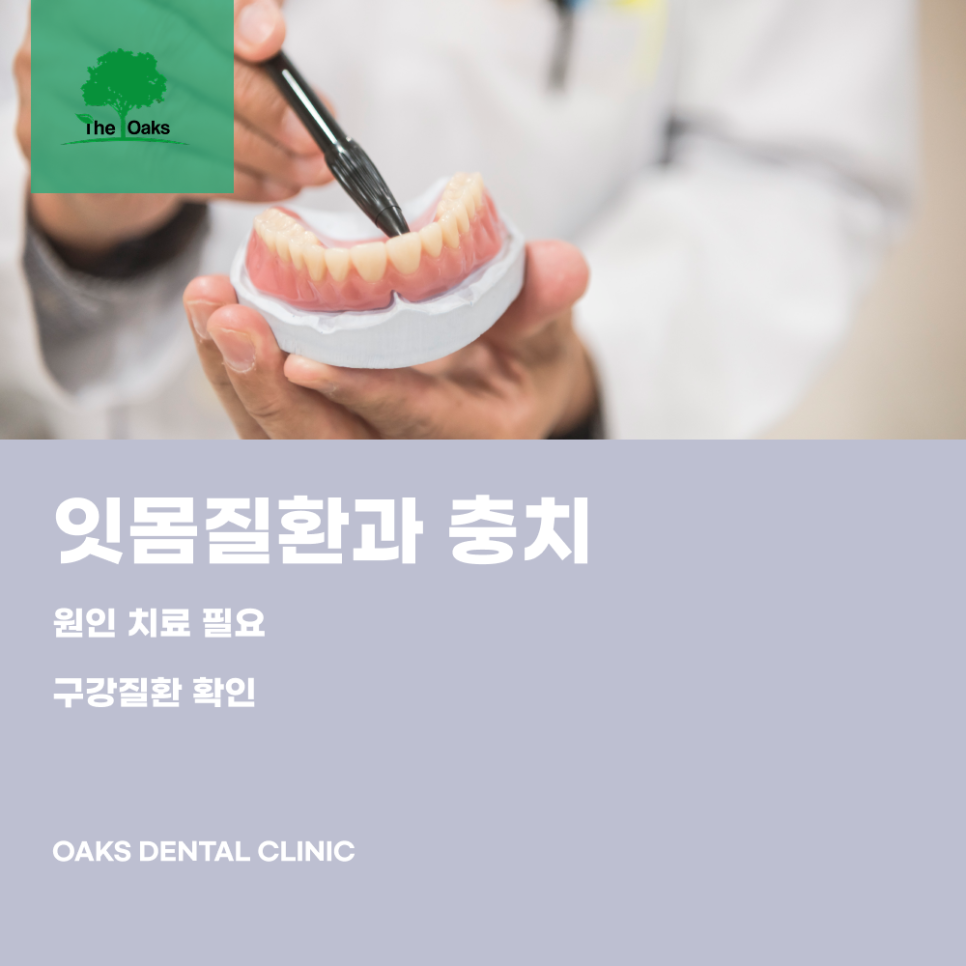
Bad Breath May Be Caused by Gum Disease and Cavities
If bad breath continues even though you brush carefully,
it is worth checking the condition
of your gums and teeth.
Common causes include
gum diseases such as gingivitis and periodontitis.
When the gums become inflamed,
bacteria can multiply within the gums,
which may cause an unpleasant odor.
Cavities can also cause bad breath.
As a cavity progresses, food can easily remain
in the affected area, creating an environment
where bacteria can multiply.
Bad breath can also occur when food becomes trapped
in old dental restorations or in gaps between restorations.
In these cases, rather than temporarily masking the odor
with mouthwash,
it is important to receive treatment suited to the cause,
such as scaling, periodontal treatment, or cavity treatment.
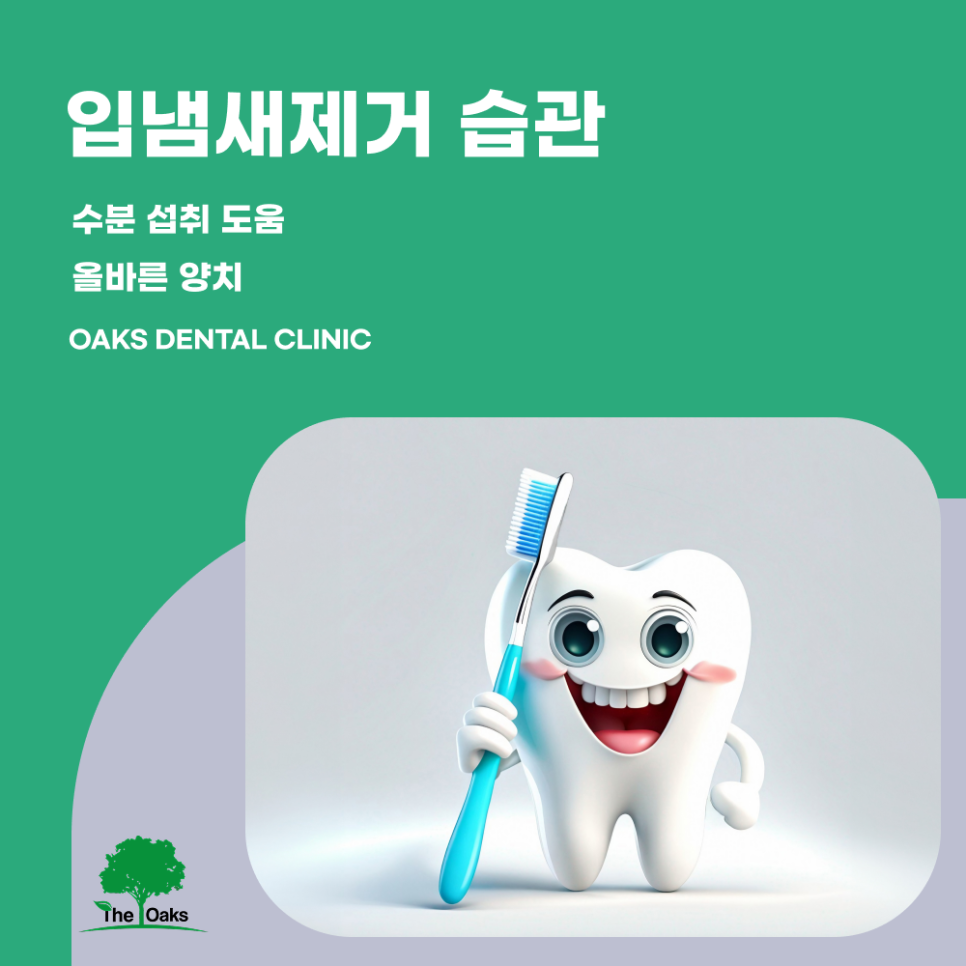
Lifestyle Habits for Reducing Bad Breath
To reduce bad breath,
proper oral care is more important than anything else.
After meals, brush your teeth thoroughly
and use dental floss or an interdental brush
to clean between the teeth as well.
Using a tongue cleaner to remove tongue coating
can also be helpful.
It is also important to drink enough water
to prevent your mouth from becoming dry.
Smoking can worsen bad breath
and may negatively affect gum health,
so reducing smoking or quitting
can be beneficial.
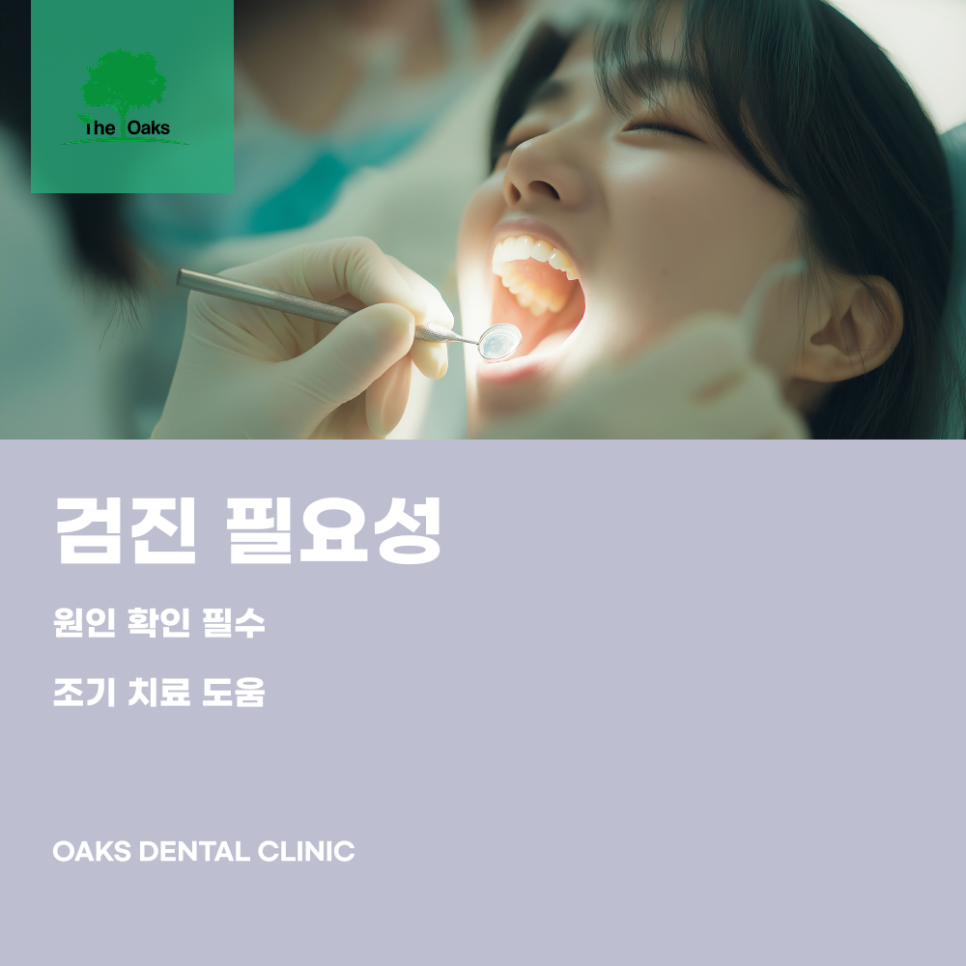
If Bad Breath Continues, an Examination Is Needed
Temporary bad breath may improve
with lifestyle changes.
However, if bad breath persists
even with consistent brushing and thorough oral care,
it is a good idea to have a dental examination.
This is because bad breath can be associated
not only with cavities and gum disease,
but also with various causes such as dry mouth
and old dental restorations.
In some cases, systemic causes involving the nose or throat,
or digestive diseases, rather than an issue inside the mouth,
may also have an effect,
so identifying the exact cause is important.
The Best Way to Prevent Bad Breath
The best way to prevent bad breath
is not to use special products,
but to maintain consistent oral care.
Regular scaling to remove tartar and plaque,
along with maintaining proper brushing habits,
is the foundation.
Using dental floss and an interdental brush together
also allows you to clean areas
that a toothbrush cannot reach.
Early detection of cavities and gum disease
through regular dental examinations
can also greatly help prevent bad breath.
The healthier your oral environment remains,
the lower the likelihood of bad breath
may naturally become.
In Closing...
Bad breath is not simply a matter of odor;
it may be a signal of your oral health condition.
Rather than temporarily masking the odor,
it is more important to accurately identify the cause
and manage it appropriately.
If bad breath persists despite brushing your teeth regularly,
or if symptoms such as gum bleeding or tooth sensitivity
occur at the same time,
please have the cause checked through a dental examination.