Hello.
This is Ox Dental.
When visiting the dentist, anyone can become worried after hearing the medical staff say:
“An extraction is necessary.”
“Do I really need to have the tooth removed?”
“What should I do after the extraction?”
Many people have questions and fears about tooth extraction.
At the dentist’s office, the most important priority is preserving natural teeth for as long as possible.
However, when a tooth is severely damaged and difficult to keep functional, or when it may affect the surrounding tissues, extraction may be the better option.
Today, Gyodae Station Dental Clinic will explain when extraction is necessary, the treatment process, and how to care for the extraction site afterward.
When Is Tooth Extraction Necessary?
Not every tooth is extracted easily.
Dentists first carefully determine whether the current tooth can be saved.
However, extraction may be considered in the following situations.
One common situation is when tooth decay has progressed very deeply.
Early-stage cavities can be treated with composite resin or an inlay, and even when decay has reached the nerve, many teeth can be preserved through root canal treatment.
However, if the decay has extensively spread to the tooth root or too little tooth structure remains, extraction may be more appropriate than treatment.
Extraction may also be considered when severe periodontitis has caused significant loss of the alveolar bone that supports the tooth.
If a tooth is extremely loose or unable to perform its normal function, extraction may be necessary to protect the health of the surrounding teeth and gums.
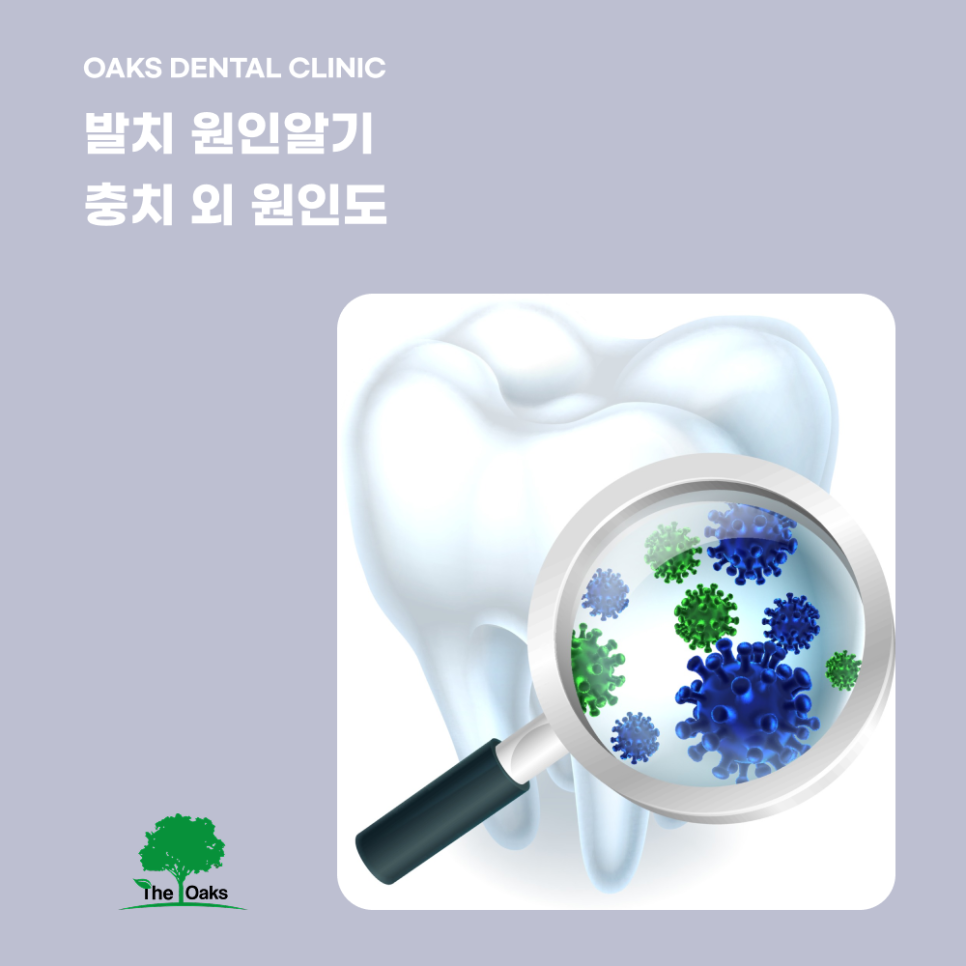
Tooth Decay Is Not the Only Reason Extraction May Be Necessary
Many people think that teeth are extracted only because of cavities, but there are various other causes.
One common cause is a root fracture.
Even if a tooth appears to have a crack, when the crack extends to the root, bacteria can enter the tooth and cause recurring inflammation.
Extraction may also be considered when a tooth has been severely broken due to an accident or sports-related trauma and is difficult to restore.
Wisdom teeth are also frequently extracted.
Impacted wisdom teeth or wisdom teeth that grow at an angle can damage neighboring teeth or repeatedly cause inflammation.
Extraction may also be chosen when inflammation continues to recur despite multiple root canal treatments, or when it is determined that maintaining the tooth for a long period will be difficult.
The important consideration is not simply whether there is pain at present, but whether the tooth can continue to be used healthily in the future.
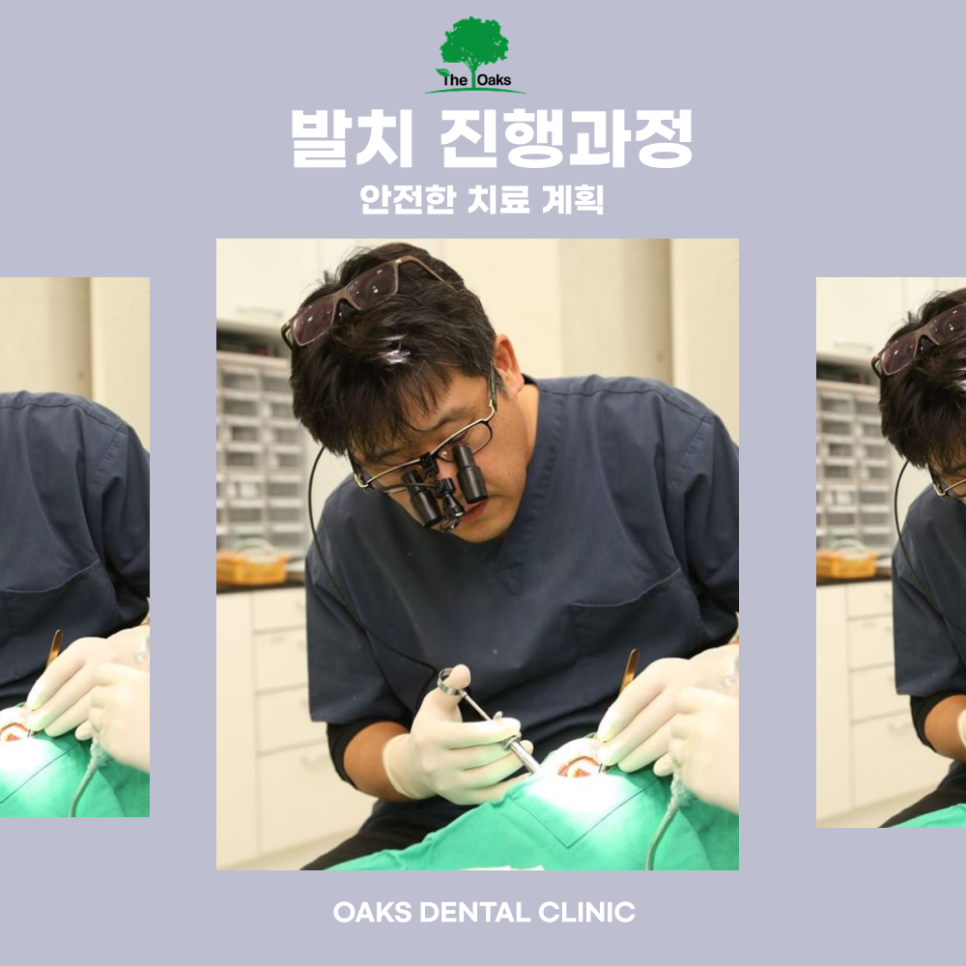
How Is a Tooth Extraction Performed?
An accurate diagnosis is made before the extraction.
A panoramic X-ray is taken, and when necessary, a three-dimensional CT scan is used to examine the shape of the tooth roots, the nerves, and the condition of the alveolar bone in detail.
Based on these findings, a safe treatment plan is developed.
Local anesthesia is then administered, and the extraction is performed while reducing pain.
The extraction time may vary depending on the tooth’s location and condition. Above all, it is important to perform the treatment safely while minimizing damage to the surrounding tissues.
How Should You Care for the Area After an Extraction?
Care after an extraction is just as important as the treatment itself.
A blood clot forms at the extraction site. This is very important tissue for wound healing.
Therefore, it is best to keep the gauze firmly in place for the length of time instructed by the medical staff.
You should also avoid using a straw or repeatedly spitting, as these actions can dislodge the blood clot.
On the day of the extraction, choosing soft, lukewarm foods rather than foods that are too hot or irritating may be helpful.
If your face becomes swollen, applying a cold compress according to the medical staff’s instructions may help reduce the swelling.
Take prescribed medication as directed, and avoid alcohol and smoking for the recommended period to support recovery.
Mild swelling and pain may occur during the normal healing process. However, if bleeding continues or is accompanied by severe pain, pus, or fever, it is advisable to visit the dentist promptly.
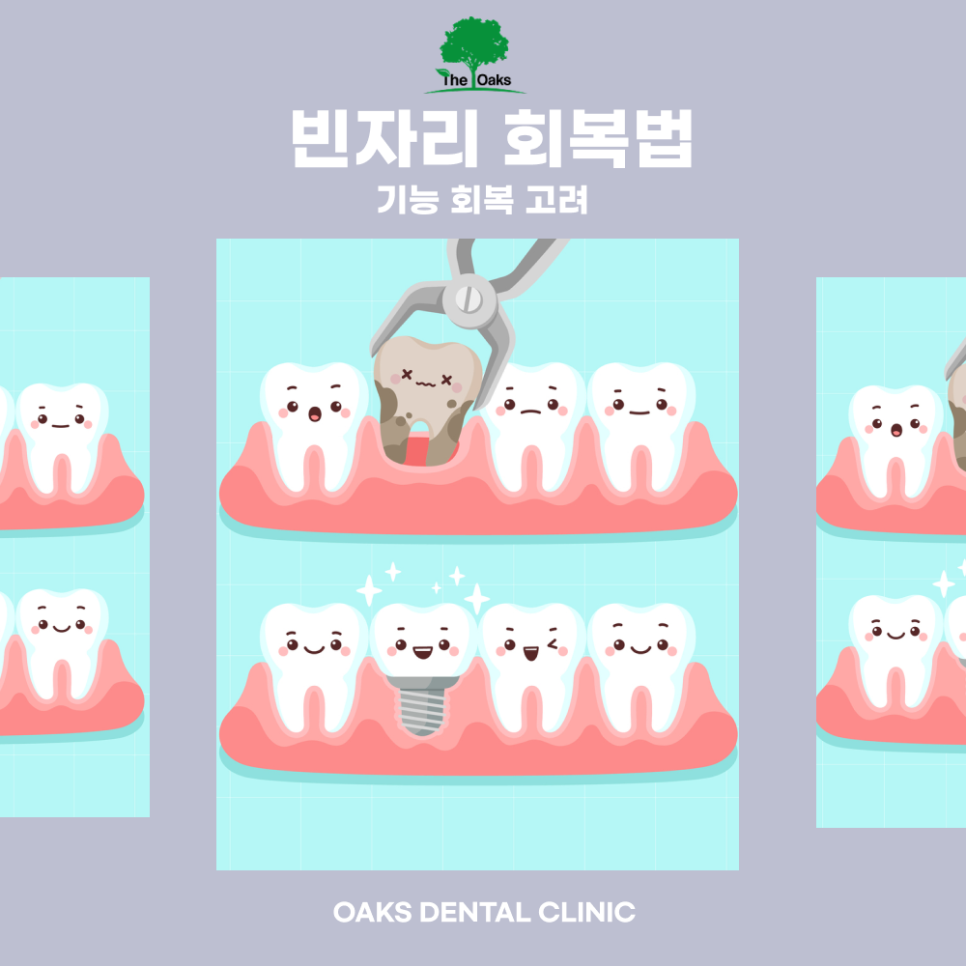
Can the Empty Space Be Left Untreated After an Extraction?
Leaving the empty space untreated for a long time after an extraction is not recommended.
This is because teeth maintain their positions by balancing against one another.
When an empty space is created, the adjacent teeth may tilt, or the opposing tooth may move downward.
These changes can disrupt the bite and place additional stress on other teeth.
In particular, when a molar is lost, reduced chewing function may lead to a habit of using only the teeth on the opposite side.
After an extraction, it is important to consider an appropriate treatment, such as an implant or bridge, based on your current oral condition and restore chewing function.
The timing of treatment is also determined after checking the condition of the gums and bone as they heal.
In Closing...
An extraction is not simply a treatment to remove a tooth. It can help prevent larger problems and protect oral health.
However, the most important thing is to carefully determine whether extraction is necessary and thoroughly assess whether the natural tooth can be preserved.
After an extraction, it is also important to maintain chewing function and oral health through proper care and appropriate restorative treatment.
If you have been experiencing recurring tooth pain or are concerned about severe cavities or gum disease, rather than making a decision on your own, visit a dentist to have your current dental condition accurately evaluated.