Seocho Station Dental Clinic: Periodontal Disease Treatment and the Importance of Care for Preserving Your Natural Teeth Longer.
Hello.
This is OX Dental Clinic.

If your gums bleed when you brush your teeth or
symptoms such as swollen gums occur repeatedly, many
people may simply think, “I must be tired,” and
not take it seriously.
However, if these symptoms continue,
they may be a sign that periodontal disease
is progressing rather than being simple gum irritation.
Periodontal disease is a commonly used
expression that medically refers to gum disease
or periodontitis.
Today, Seocho Station Dental Clinic will explain
why periodontal disease treatment is needed,
the treatment process, and how to care for your gums
in your daily life.
How Does Periodontal Disease Begin?
Periodontal disease does not occur suddenly.
In most cases, it begins with
plaque left on the surface of the teeth.
If food particles are not properly
removed after meals, plaque forms,
and over time, it hardens into tartar.
Bacteria can easily multiply on the surface of tartar,
causing continuous irritation to the gums.
In the early stages, the condition is often limited to gingivitis,
with symptoms such as red gums
and bleeding when brushing.
Because there is usually little pain at this stage,
many people put off treatment.
However, if the inflammation continues to progress,
it may develop into periodontitis, which can damage
the alveolar bone that supports the teeth.
When the alveolar bone is damaged,
the force holding the teeth firmly in place weakens.
As a result, the teeth may become loose,
and in severe cases, they may fall out naturally.
What Symptoms Indicate the Need for Periodontal Disease Treatment?
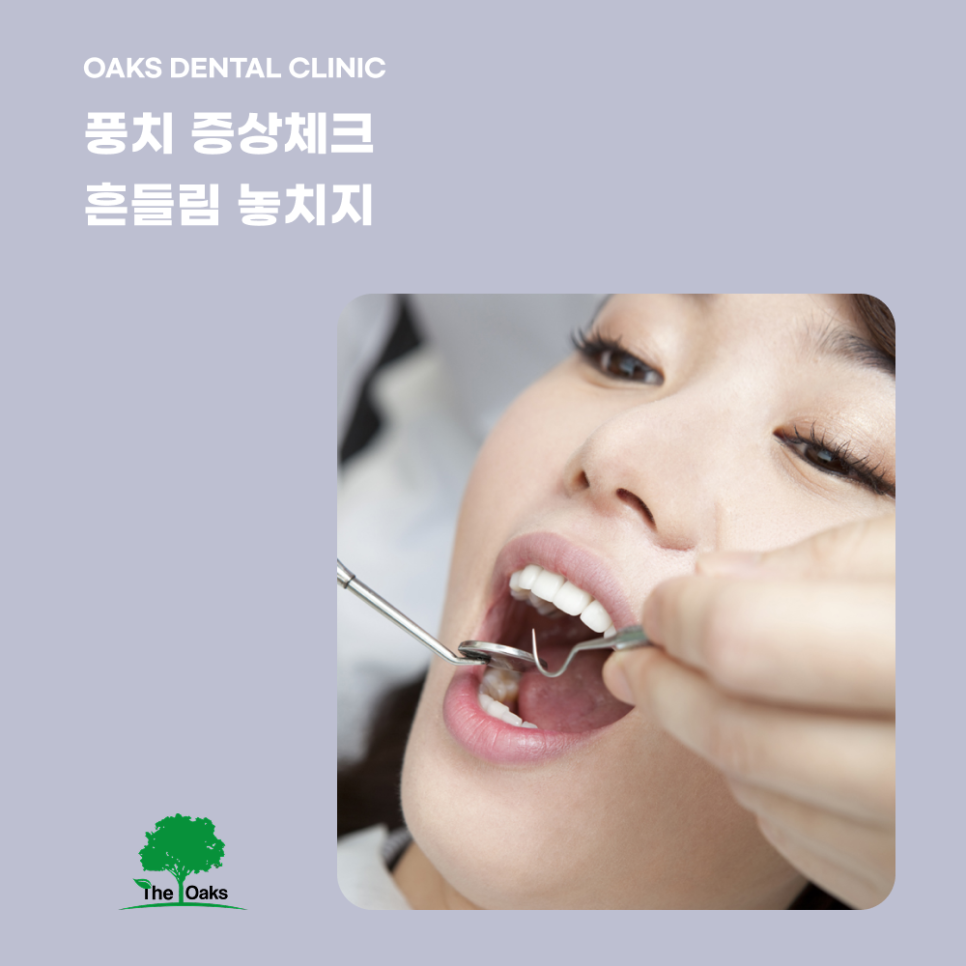
Periodontal disease often causes no noticeable pain in its early stages,
making it difficult to recognize.
However, if any of the following symptoms
occur repeatedly, it is a good idea to have a dental examination.
Your gums bleed when you brush your teeth.
Your gums swell frequently.
Persistent bad breath.
The spaces between your teeth seem to be gradually widening.
Your teeth appear longer than before.
Your teeth feel loose.
You feel discomfort when chewing food.
Pus comes from your gums.
If these symptoms appear, periodontal disease may already be progressing,
so it is important to receive an accurate diagnosis.
How Is Periodontal Disease Treated?
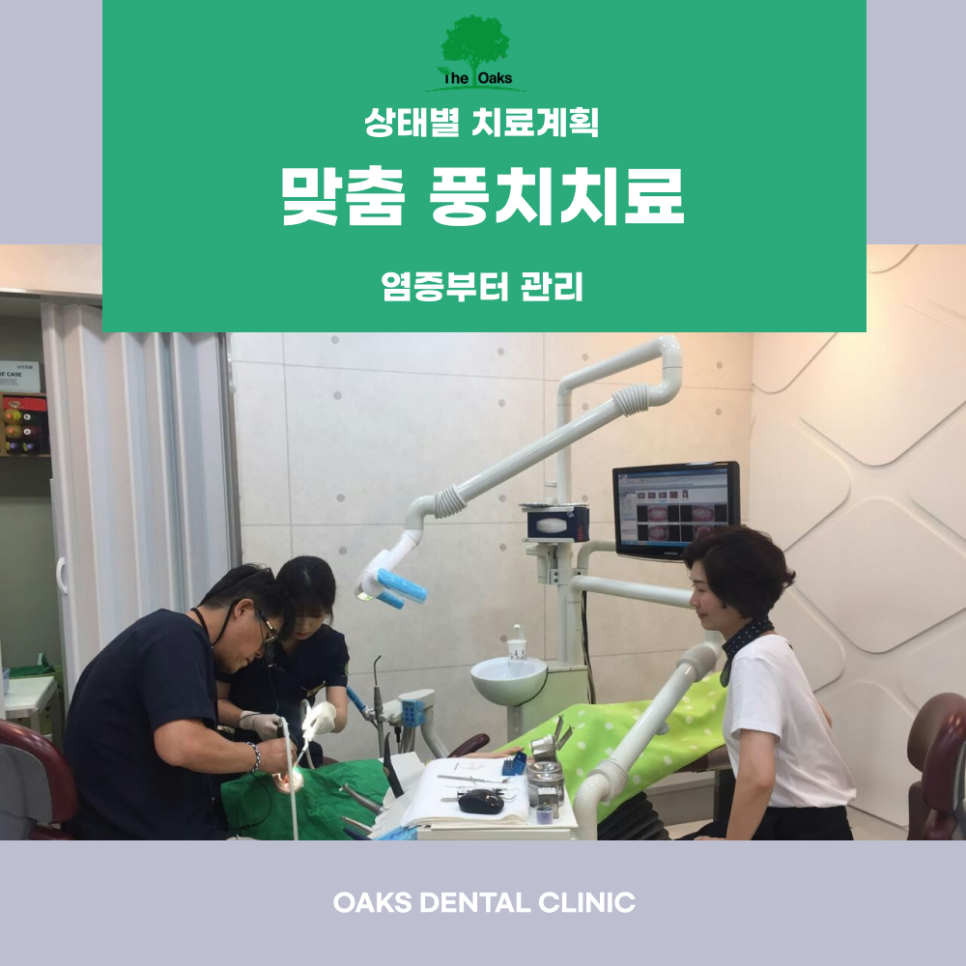
Periodontal disease treatment begins by assessing
the current condition of the gums and the extent of inflammation.
First, an oral examination and radiographic imaging
are used to check for alveolar bone damage,
and the depth of the gum pockets is measured
to determine the current condition.
If the disease is in its early stages,
treatment usually begins with scaling.
Scaling removes tartar and plaque attached
to the tooth surfaces and along the gumline,
helping reduce the environment in which bacteria multiply.
However, if periodontitis has progressed and tartar
has formed deep below the gums,
scaling alone may not be sufficient.
In such cases, periodontal treatment,
such as root planing or periodontal curettage,
is used to remove tartar and inflamed tissue
from beneath the gums.
If the alveolar bone is severely damaged
or the gum pockets are very deep,
periodontal surgery may be necessary.
Not every patient receives the same treatment.
It is important to establish a customized treatment plan
that suits the current condition.
Care After Periodontal Disease Treatment Is Even More Important
Periodontal disease is not a condition
that ends with treatment alone.
If proper care is not provided after treatment,
the inflammation may be more likely to recur.
It is advisable to practice proper brushing
and develop the habit of using dental floss
and interdental brushes together.
This is because the areas between the teeth
and along the gumline can often be difficult
to clean sufficiently with a toothbrush alone.
In addition, regular scaling to remove tartar
may help reduce the recurrence of periodontal disease.
Smoking interferes with blood circulation in the gums
and is one of the major factors that can worsen periodontal disease.
Quitting smoking can also help with periodontal care.
If you have a systemic condition such as diabetes,
blood sugar management may also have an important effect
on maintaining gum health.
Following the regular dental examination schedule
recommended by your dentist and receiving consistent care
is the best way to maintain healthy gums.
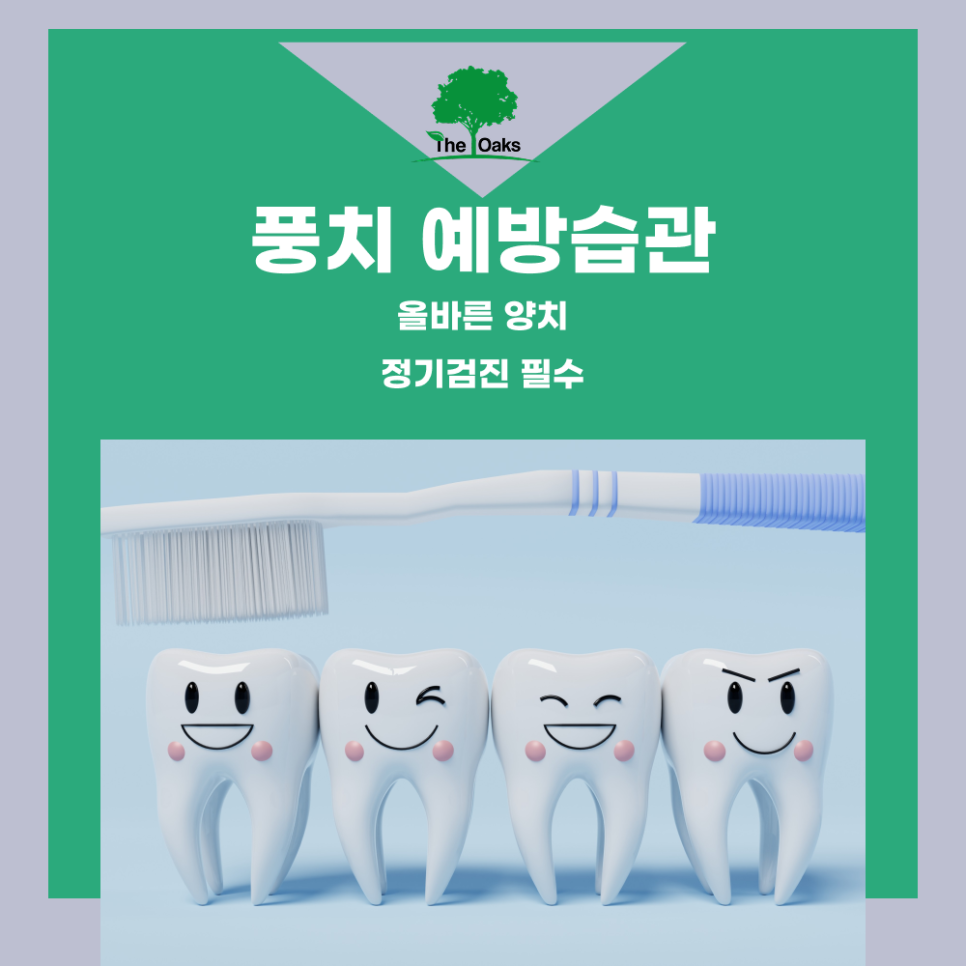
Lifestyle Habits for Preventing Periodontal Disease
Prevention is the best treatment for periodontal disease.
It is advisable to brush your teeth thoroughly after meals
and develop the habit of using dental floss
or an interdental brush as well.
Drinking enough water to prevent your mouth
from becoming dry can also be helpful.
Manage sugary or sticky foods so that they do not remain
in your mouth for long, and reduce smoking as much as possible
or quit smoking altogether.
Above all, regular oral examinations and scaling
can remove tartar and help detect early periodontal disease
at an early stage.
If bleeding or swelling of the gums occurs repeatedly,
do not dismiss it as a simple temporary symptom.
It is important to receive an accurate examination.
In Conclusion...
Periodontal disease treatment is not simply a treatment
for reducing swollen or bleeding gums.
It is an important process for maintaining the health
of the gums and alveolar bone that support the teeth.
If periodontal disease is left untreated for a long time,
the teeth may become loose or the situation may progress
to the point where extraction is necessary.
However, if it is detected early and appropriate treatment
is started, this may help preserve your natural teeth longer.
If your gums often bleed, bad breath persists,
or your teeth feel loose, do not take these symptoms lightly.
Visit a dentist to have the current condition of your gums
accurately examined.