Hello.
This is Ox Dental Clinic.
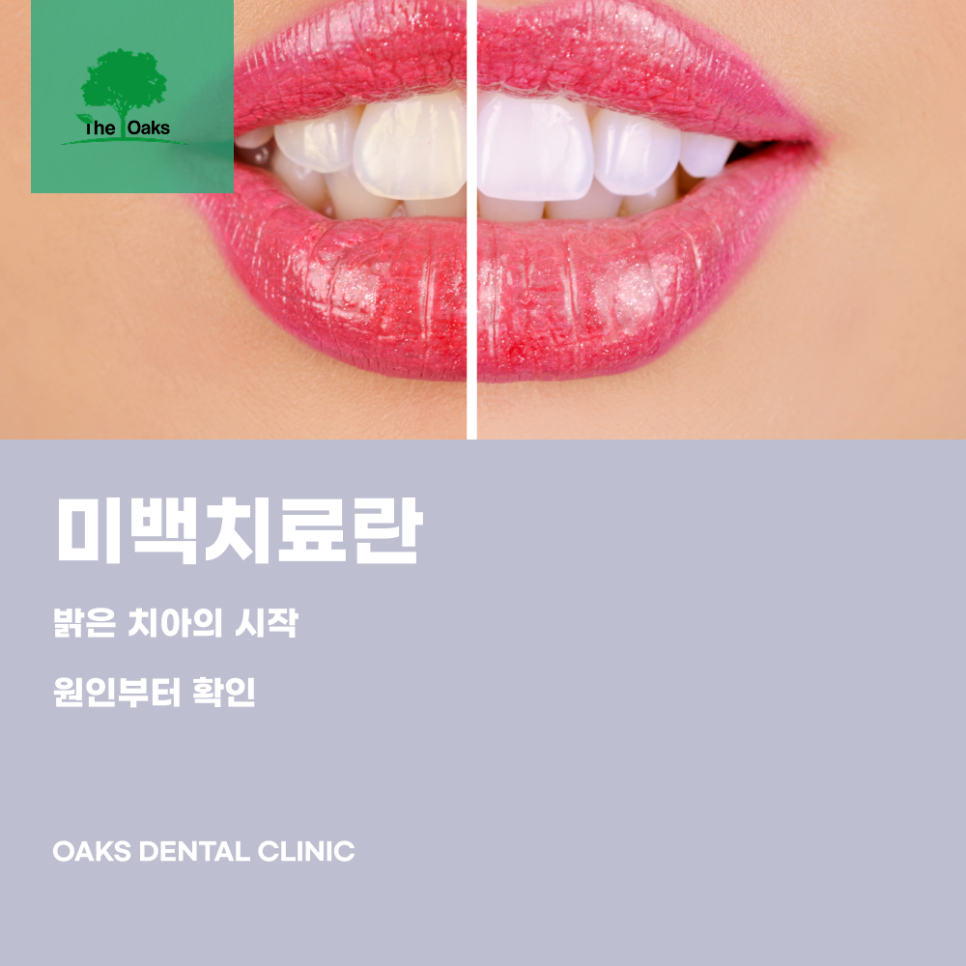
Have you ever looked in the mirror and felt that your teeth looked
more yellow than before?
Many people worry that their teeth seem to be gradually becoming darker
even though they brush their teeth regularly.
Teeth whitening is also often considered before schedules that involve
meeting many people, such as an important job interview, wedding, or
profile photo shoot.
Bright, clean teeth can help create a good impression, but the purpose of
teeth whitening is not simply to make the teeth white.
Today, we will explain what is useful to know when choosing a Gangnam
Station teeth whitening dental clinic, as well as the teeth whitening
process and post-treatment care.
What kind of treatment is teeth whitening?
Teeth whitening is a cosmetic treatment that helps improve pigments
accumulated on or inside the teeth, allowing them to appear brighter and
cleaner than their natural color.
Many people think that teeth are naturally pure white, but in reality, it
is normal for teeth to have a slightly ivory color.
Over time, the color of the teeth may gradually become darker due to
lifestyle habits such as drinking coffee, tea, or wine and smoking, as
well as the aging process.
Teeth whitening is a treatment designed to improve this discoloration,
and the treatment plan may vary depending on each person’s dental
condition and the cause of the discoloration.
Above all, it is important to first determine whether the discoloration is
simply surface staining or whether another issue, such as tooth decay or
nerve damage, is involved.

Why do teeth become discolored?
Tooth discoloration can occur for various reasons.
The most common causes are food and beverages.
Pigment-rich foods and drinks such as coffee, black tea, green tea, cola,
wine, and curry can easily leave pigments on the tooth surface.
Smoking is another common cause.
Tar and nicotine in cigarettes can adhere strongly to the tooth surface,
which may cause yellow or brown stains.
Aging also has an effect.
As people age, the enamel, the outermost layer of the tooth, gradually
becomes thinner, allowing the darker color of the dentin underneath to
show through more noticeably.
In addition, tooth color may change when the dental nerve is damaged by
trauma or due to the effects of certain medications.
Therefore, the same treatment is not suitable for every case of tooth
discoloration, and it is important to identify the cause through an
accurate diagnosis.
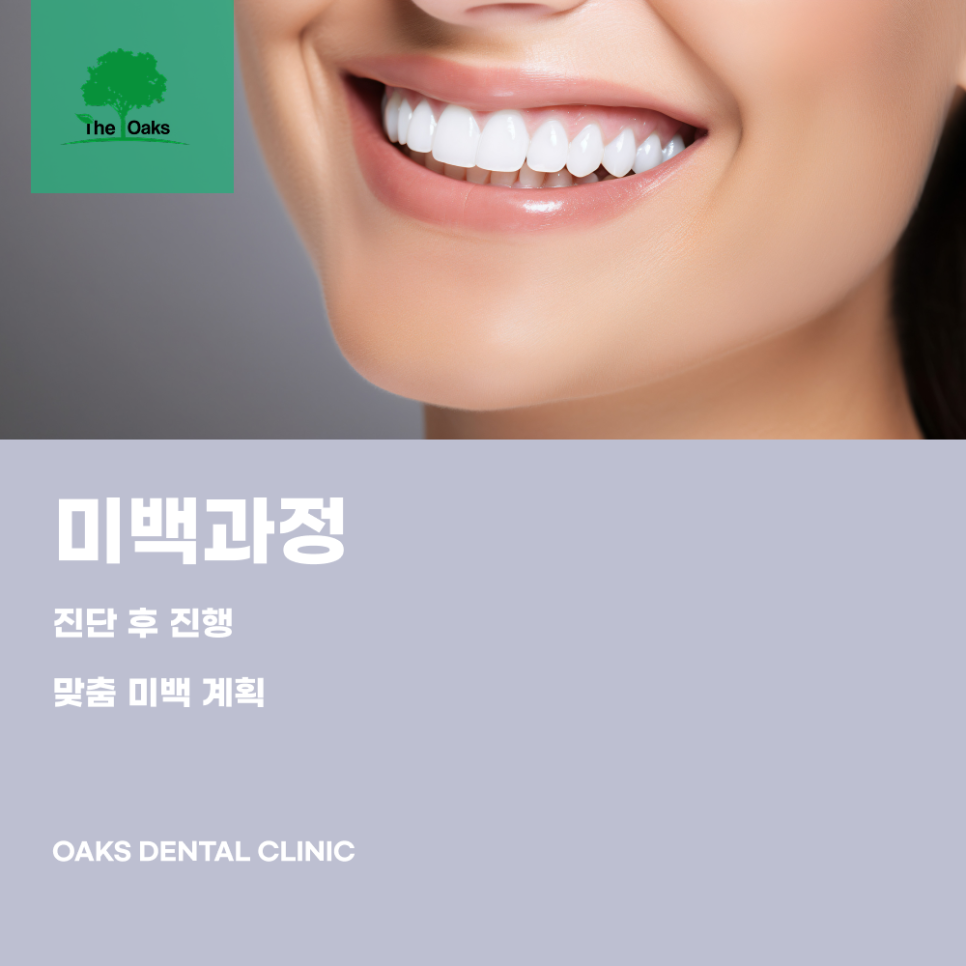
How is teeth whitening performed at a teeth whitening dental clinic?
Teeth whitening is not simply a treatment in which a whitening agent is
applied.
First, an oral examination is performed to check for cavities or gum
disease.
If whitening is performed while cavities or gum inflammation are present,
sensitivity or discomfort may increase, so necessary treatment may be
provided first.
In addition, if there is significant tartar or staining, scaling may be
performed first to help clean the tooth surfaces.
The patient’s tooth color is then assessed, and the whitening treatment is
planned after discussing the desired degree of improvement.
Professional whitening performed at a dental clinic uses a whitening agent
at a specified concentration and is carried out under the supervision of
dental professionals.
The number of treatments may vary depending on the individual’s dental
condition and goals. It is important to create a plan aimed at achieving a
natural, harmonious color.
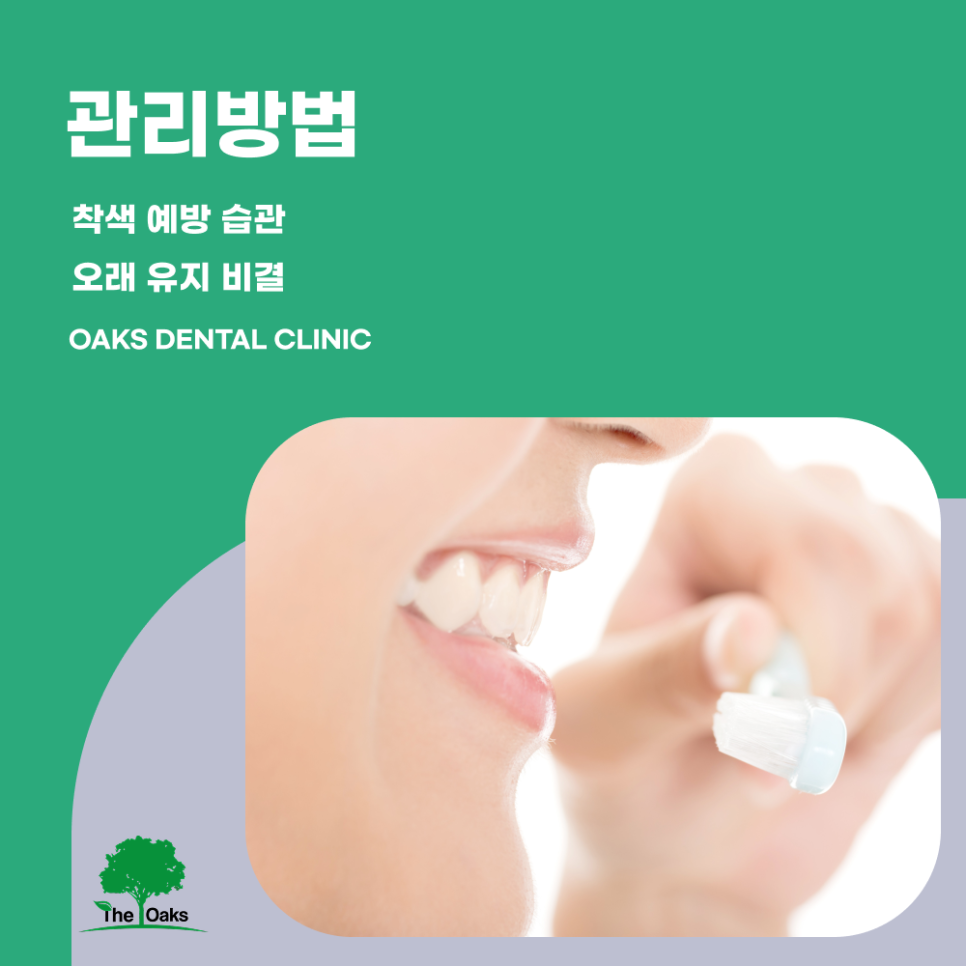
What should you be careful about after teeth whitening?
You may temporarily feel sensitivity in your teeth after teeth whitening.
In many cases, this improves over time, but if the symptoms persist, it is
best to consult a dental clinic.
Immediately after whitening, the teeth may also be more likely to absorb
pigments.
Therefore, for a certain period, it is best to reduce foods with strong
pigments, such as coffee, black tea, wine, curry, and chocolate sauce, as
much as possible.
Smoking can also cause staining, so avoiding it whenever possible may be
helpful.
Brushing carefully as part of your regular routine, along with using
dental floss and interdental brushes, may help prevent staining.
Regular scaling and oral examinations can help you monitor your dental
condition and maintain a bright tooth color for longer.
Important points when choosing a teeth whitening dental clinic
Teeth whitening can improve aesthetic satisfaction, but an accurate
diagnosis should come first.
Although discoloration may appear to be simple surface staining, it may
actually be caused by cavities, discoloration of old restorations, or an
internal tooth problem.
Therefore, it is important to thoroughly assess the current condition of
the teeth and create a treatment plan suited to the individual.
Whitening may not always be the right answer.
Depending on the cause of the discoloration, other treatments, such as
scaling or restorative treatment, may be more appropriate. It is advisable
to discuss the options fully with a dental professional before deciding on
the treatment approach.
Choosing a dental clinic that plans not only for the treatment outcome but
also for post-treatment care may help improve long-term satisfaction.
In closing...
The reason for looking for a teeth whitening dental clinic is not simply to
make your teeth white.
It can be a choice aimed at restoring a healthier, more natural smile and
increasing your confidence.
However, because the causes of tooth discoloration differ from person to
person, it is more important to accurately assess the current condition of
the teeth and gums than to compare only the cost or treatment duration.
If you are concerned that your teeth have recently become gradually darker,
or if you are planning teeth whitening ahead of an important event, please
first receive an accurate examination and consultation.