Hello.
This is Oks Dental Clinic.

Many people consider dental implants as a way to restore function similar to that of natural teeth after losing a tooth.
Dental implant treatment does not end simply with placing an artificial tooth.
The process involves examining the condition of the patient’s gums and jawbone, planning the placement site, placing the implant, allowing sufficient time for recovery, and then connecting the final prosthesis.
Today, Gaepo-dong Dental Clinic will explain the step-by-step features of the dental implant process and post-treatment care methods so that those considering implants can understand the treatment process in advance.
The Importance of a Detailed Examination Before Dental Implant Treatment
The first step in the dental implant process is to accurately assess the current condition of the mouth.
An implant is not placed immediately just because a tooth is missing.
First, the condition of the gums, the amount of jawbone, and the condition of the surrounding teeth are examined through an oral examination and X-rays.
When necessary, a three-dimensional CT scan can provide a more detailed view of the height and width of the jawbone, as well as the location of the nerve canal and surrounding anatomical structures.
Because implants are placed directly into the jawbone, it is especially important to determine whether sufficient bone is available.
If the jawbone is insufficient, additional treatment, such as bone grafting, may be required before implant placement.
Therefore, rather than comparing implant costs or treatment periods first, it is important to confirm whether a treatment plan is being established based on your current oral condition.
The Implant Is Placed
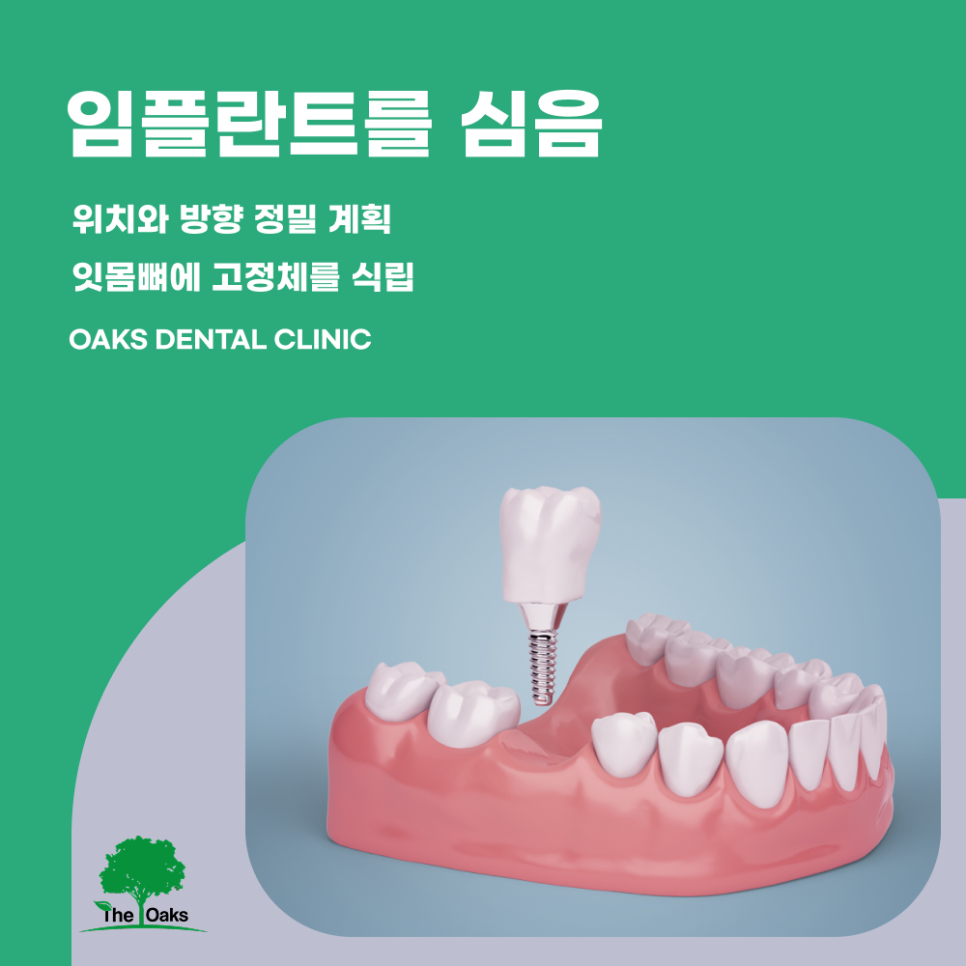
Once the dental implant treatment plan has been determined through a detailed examination, the placement procedure begins.
Dental implants are generally placed by inserting an implant fixture into the jawbone to serve as an artificial tooth root.
Local anesthesia is administered before treatment, allowing the procedure to be performed while reducing pain during treatment.
The placement site and direction are determined by considering the surrounding teeth and nerves, as well as the condition of the jawbone.
It is important not simply to place the implant in the center of the empty space, but to position it appropriately while also considering the prosthesis to be made later and the bite.
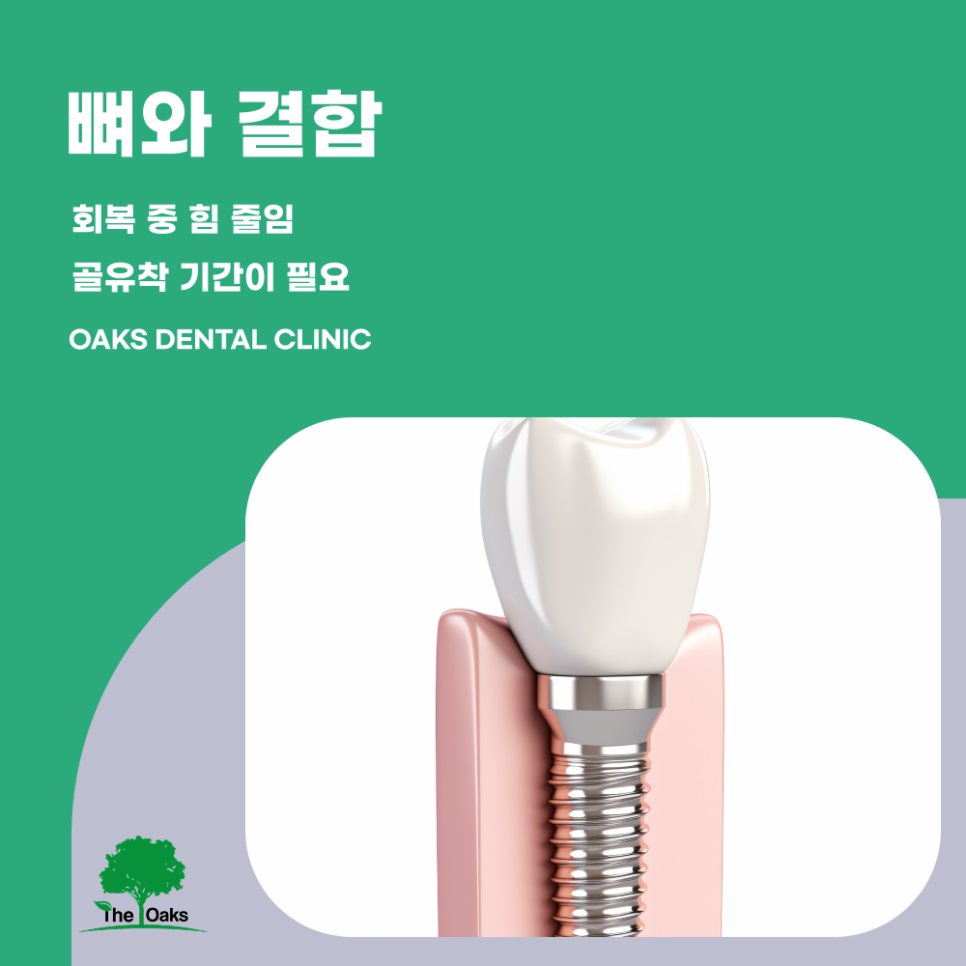
After the implant is placed, a recovery period is allowed so that the jawbone and implant can bond securely.
The Implant Bonds Securely with the Bone
One of the important stages in the dental implant process is osseointegration.
Osseointegration refers to the process in which the placed implant bonds securely with the surrounding jawbone.
During this period, it is advisable to avoid transmitting excessive force to the implant.
In particular, avoiding repeatedly chewing hard or tough foods on the treated area can be helpful.
In addition, having an implant placed does not mean that oral care should be neglected.
Food particles and plaque can also accumulate around the implant, so proper brushing and care using dental floss and interdental brushes are necessary.
The Final Prosthesis Is Connected
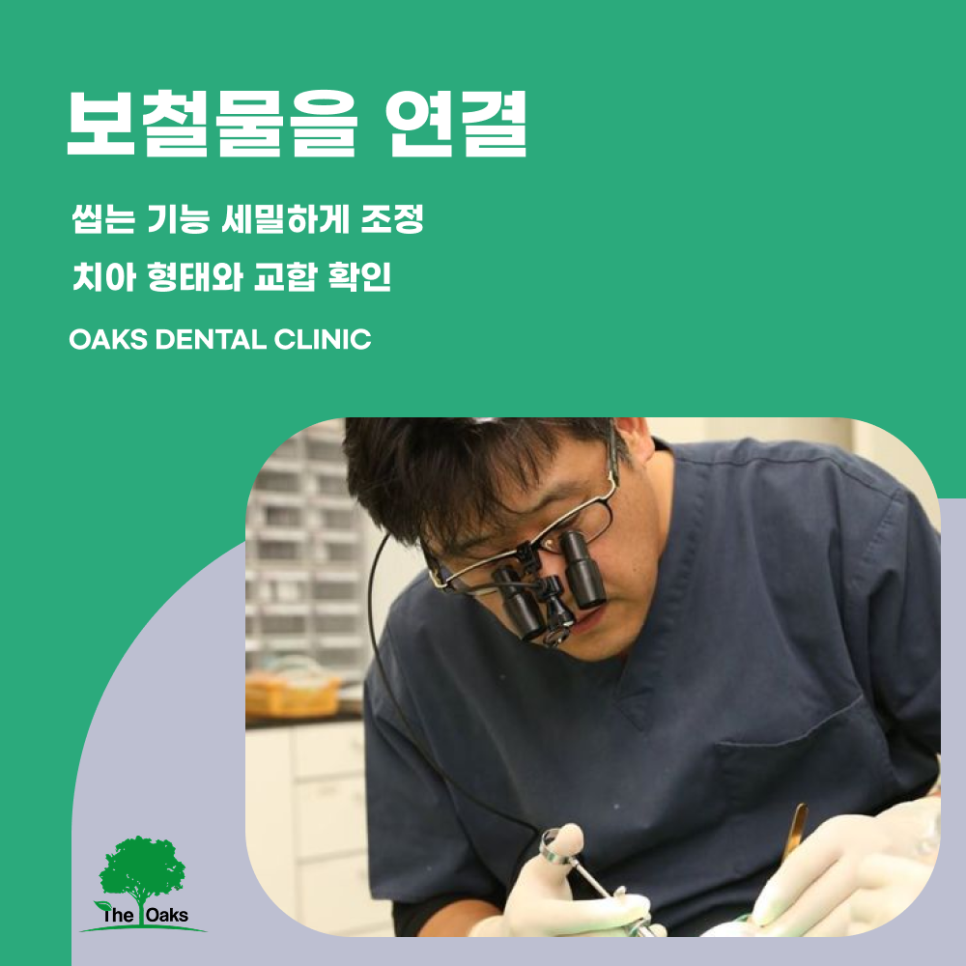
Once the implant has bonded sufficiently and securely with the jawbone, a prosthesis that serves as an artificial tooth is made.
Before making the prosthesis, the size and shape of the tooth, its relationship with the surrounding teeth, and the bite between the upper and lower teeth are examined.
Once the prosthesis is complete, it is connected to the implant, and any necessary adjustments are made after checking for discomfort when chewing.
In this way, dental implant treatment does not end with implant placement alone. It also includes the process of making adjustments so that the final prosthesis can function stably.
Post-Implant Care Is Important
The completion of the implant prosthesis does not mean that treatment is completely finished.
Post-treatment care is very important for using the implant healthily for a long time.
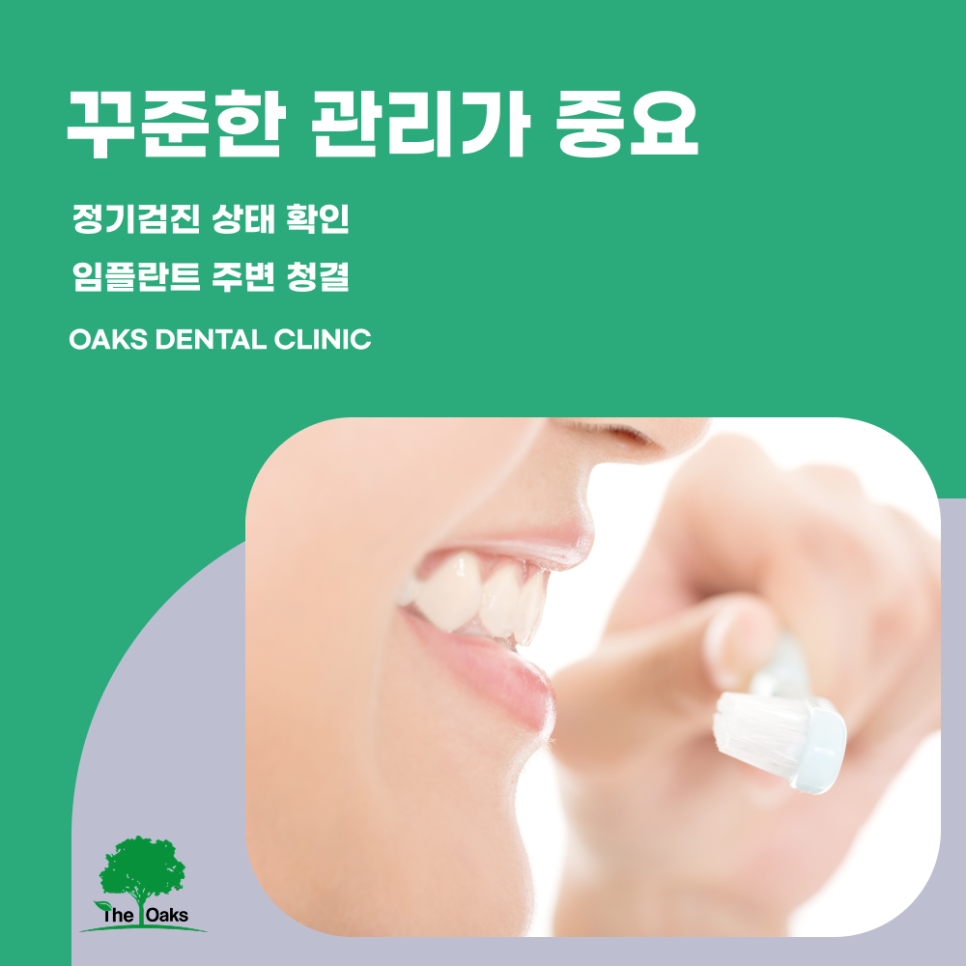
First, the area around the implant should be cleaned thoroughly to prevent plaque from accumulating.
Along with regular brushing, using aids suited to your oral condition, such as dental floss or an interdental brush, may also be helpful.
It is also advisable to avoid repeatedly chewing very hard foods or developing a habit of chewing only on one side.
Unlike natural teeth, implants do not develop cavities, but inflammation can occur in the surrounding gums and bone.
Therefore, the health of the gums around the implant should be managed consistently.
It is also important to visit the dentist regularly to check the condition of the implant, the surrounding gums, and the prosthesis.
In Closing...
The dental implant process consists of several stages, from detailed examination and treatment planning to implant placement, recovery for osseointegration, connection of the final prosthesis, and post-treatment care.
Because the treatment method and duration may vary depending on the location of the missing tooth, the condition of the jawbone, and the condition of the surrounding teeth, not everyone undergoes the same process.
If you are experiencing discomfort due to a missing tooth or are considering a dental implant, rather than comparing only the cost or treatment period, consult thoroughly to determine whether the treatment method is appropriate for you through a detailed examination.