Hello.
This is OX Dental Clinic.
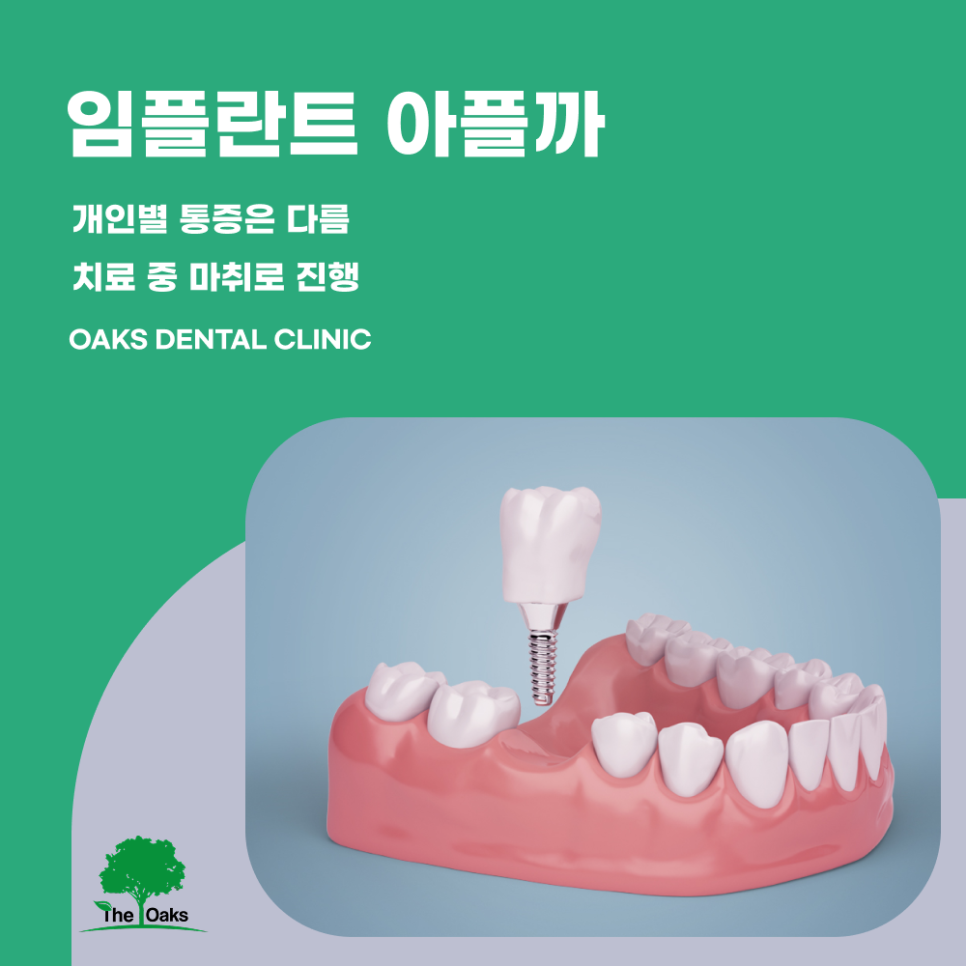
One of the biggest concerns for many people considering implants after losing a tooth is implant pain.
“Will getting an implant hurt a lot?”
“Will I continue to have pain even after the treatment is finished?”
Many people worry about pain before undergoing implant treatment.
Today, Samsung-dong Dental Clinic will explain implant pain, from before treatment through the recovery process, as well as useful care methods to help reduce discomfort.
How painful is implant treatment?
Implant placement is generally performed under local anesthesia.
Therefore, when sufficient anesthesia has been administered, the procedure can be performed without causing significant pain.
However, you may feel nervous about the injection during the anesthesia process, as well as pressure or vibrations. Depending on the individual, anxiety about the treatment may also feel significant.
After the treatment, as the anesthesia wears off, the implant site may feel sore or throbbing.
In particular, if bone grafting is performed because the condition of the jawbone is not good, or if multiple implants are placed, the recovery process may feel more uncomfortable than it does with a single implant.
Because the scope of treatment varies depending on the location of the missing tooth, gum condition, number of implants placed, and whether bone grafting is required, the recovery process may also differ from person to person.
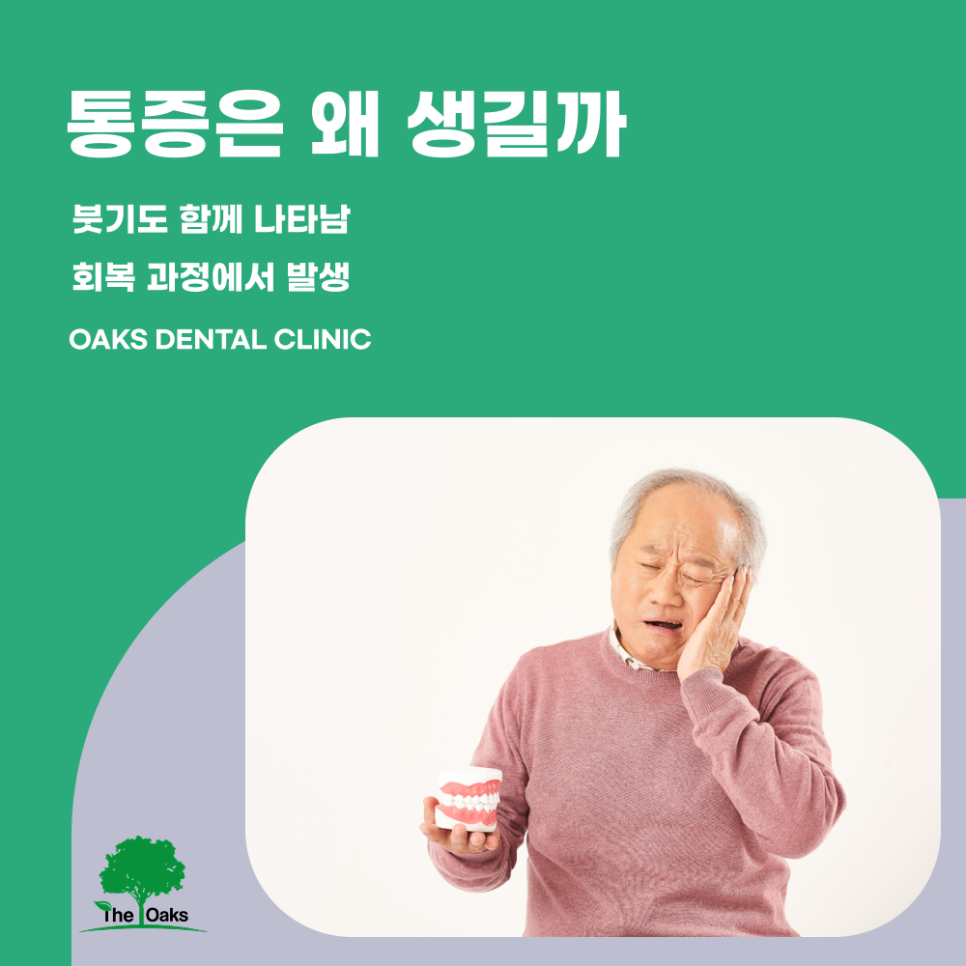
Why does pain occur after treatment?
After implant placement, pain or swelling may occur as the gums and surrounding tissues at the treatment site recover.
Especially after the anesthesia wears off, the treatment site may feel sore or throbbing. In some cases, the surrounding gums may also swell or bruise.
These symptoms are part of the normal recovery process that may occur after treatment.
However, pain does not necessarily mean that a problem has occurred.
Immediately after treatment, the tissues have been irritated, so some discomfort may occur for a certain period of time.
It is important to carefully follow any instructions and prescriptions provided by the dental clinic and to care for the treatment site without irritating it.

What can you do to reduce pain?
To manage implant pain, you should also pay attention to your lifestyle after treatment.
First, immediately after treatment, it is best to choose soft, lukewarm foods rather than hot or irritating foods.
You should also avoid chewing food directly with the treatment site or repeatedly chewing hard and tough foods.
If medication has been prescribed by the dental clinic, it is important to take it as directed by the medical staff. You should not change the dosage or frequency on your own.
Immediately after treatment, it may also be helpful to avoid activities that can increase blood flow, such as strenuous exercise or using a sauna.
Above all, it is important not to repeatedly touch or irritate the treatment site with your hands or tongue.
When brushing your teeth, maintain oral hygiene carefully without irritating the treated area rather than brushing excessively hard.

How long do swelling and pain last?
Discomfort after implant treatment varies from person to person.
Generally, pain or swelling may be felt for several days immediately after treatment, and in many cases gradually improves thereafter.
However, the recovery period may vary depending on the scope of treatment and the individual’s health condition.
If the pain does not gradually decrease but instead becomes worse over time, or if it is accompanied by severe swelling, bleeding, pus, or fever, it is necessary to determine whether this is part of the normal recovery process.
If these symptoms appear, it is advisable to visit a dental clinic and have your current condition checked rather than waiting without guidance.
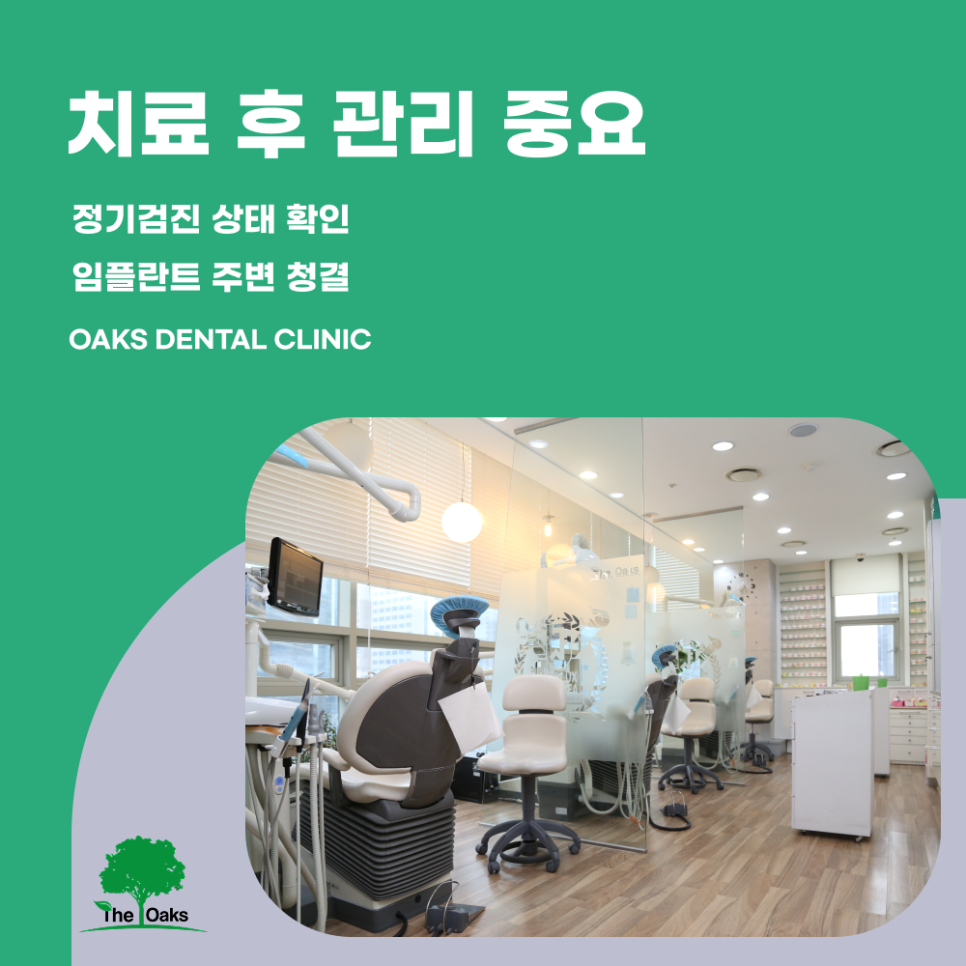
Care after treatment is also important
The entire process is not complete simply because the implant has been placed.
Ongoing care is needed so that the implant and jawbone can become stable and the final prosthesis can function properly.
Although cavities do not develop in the implant itself as they do in natural teeth, inflammation can occur in the surrounding gums.
Therefore, it can be helpful to clean carefully around the implant and use oral care aids suited to your oral condition, such as dental floss or an interdental brush.
You should also avoid repeatedly chewing very hard foods or developing a habit of chewing only on one side.
It is important to visit the dental clinic regularly to check the condition of the implant, surrounding gums, and prosthesis.
In conclusion...
Implant pain can be a major concern for people considering treatment.
However, anesthesia is used during the procedure, and discomfort after treatment can be reduced through recovery and care suited to each individual’s condition.
Most importantly, rather than having vague concerns about pain, you should accurately assess the current condition of your gums and jawbone and establish a treatment plan suited to you.
If you are considering implants, do not check only the treatment cost and duration. Be sure to carefully confirm whether a precise diagnosis will be performed and whether follow-up care after treatment will be planned systematically.