Hello.
This is Oks Dental Clinic.
Have you ever looked in the mirror and felt that your teeth had become
darker than before?
Even though you brush your teeth carefully every day,
many people worry that their teeth look yellowish or that staining has
developed after frequently drinking coffee and tea.
Some people also look into teeth whitening before an interview, wedding,
important photo shoot, or schedule involving many social interactions.
Today, Daechi-dong Dental Clinic will explain what teeth whitening is,
starting with the reasons teeth become discolored, followed by the whitening
process and aftercare.
What Is Teeth Whitening?
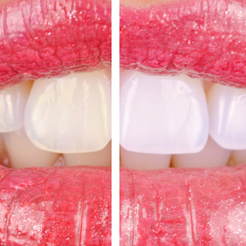
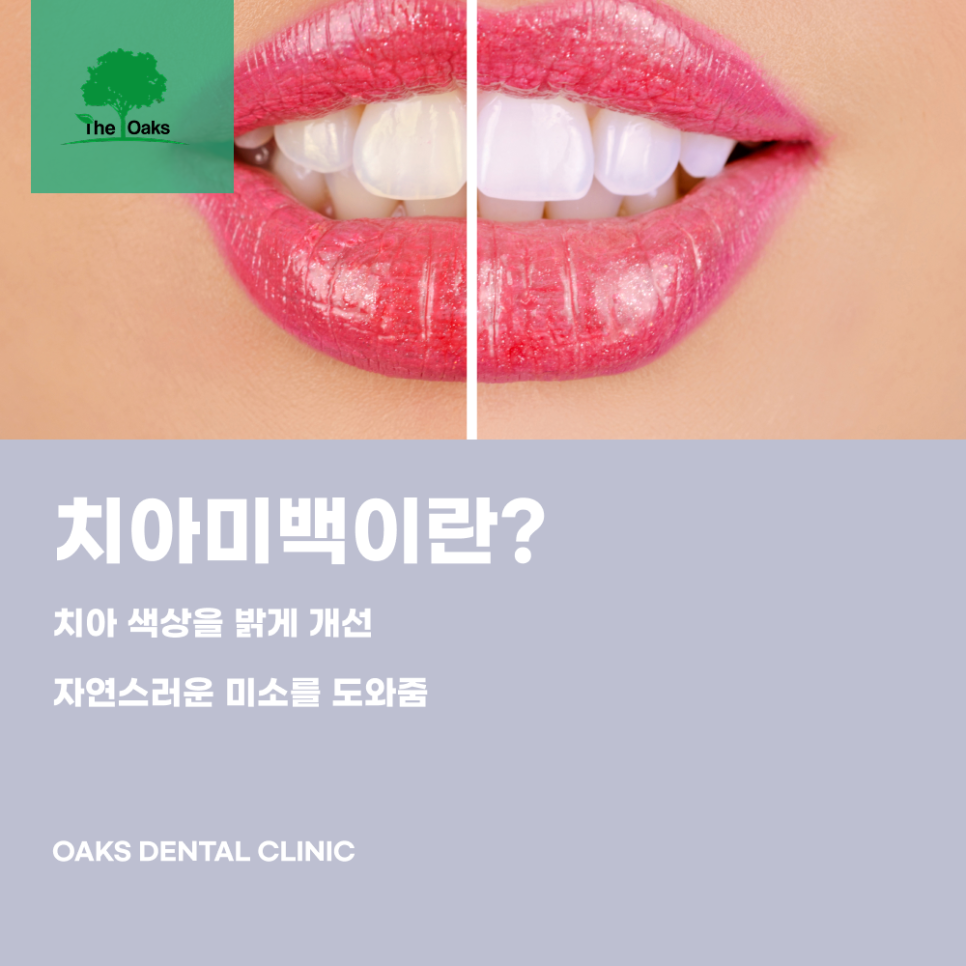
Teeth whitening is a cosmetic treatment that improves pigments deposited on
the teeth or affecting their internal structure, with the goal of achieving a
brighter tooth color.
Many people think teeth are naturally pure white, but natural teeth actually
vary in color from person to person. A slightly ivory or yellowish tone may
also fall within the normal range.
Tooth color can be affected by the thickness of the enamel,
the color of the dentin, and lifestyle habits.
Therefore, when planning teeth whitening, rather than unconditionally aiming
for the brightest possible shade, it is important to consider a color that
naturally complements your face, lips, and surrounding teeth.
It is also necessary to check for cavities or gum disease before undergoing
teeth whitening.
This is because what appears to be simple tooth discoloration may actually be
caused by a cavity or a problem inside the tooth.

Why Do Teeth Turn Yellow?
There is no single cause of tooth discoloration.
Foods and beverages with strong pigments, such as coffee, black tea, green
tea, cola, wine, and curry, which are frequently consumed in daily life, may
cause staining on the surface of the teeth.
In particular, when coffee or tea is consumed frequently over a long period,
pigments can repeatedly accumulate on the tooth surface, making the teeth
appear darker than before.
Smoking is also one of the main causes of tooth discoloration.
Various substances in cigarettes can adhere to the tooth surface and create
yellow or brown stains.
Tooth color may also change naturally with age.
Over time, the enamel on the outside of the teeth gradually changes, while the
color of the dentin inside may show through more prominently, making the teeth
appear darker.
In addition, the internal color of a tooth may change due to dental trauma or
the effects of certain medications.
Therefore, it may not be appropriate to apply the same whitening treatment in
every case simply because the tooth color has changed.
How Is Teeth Whitening Performed?
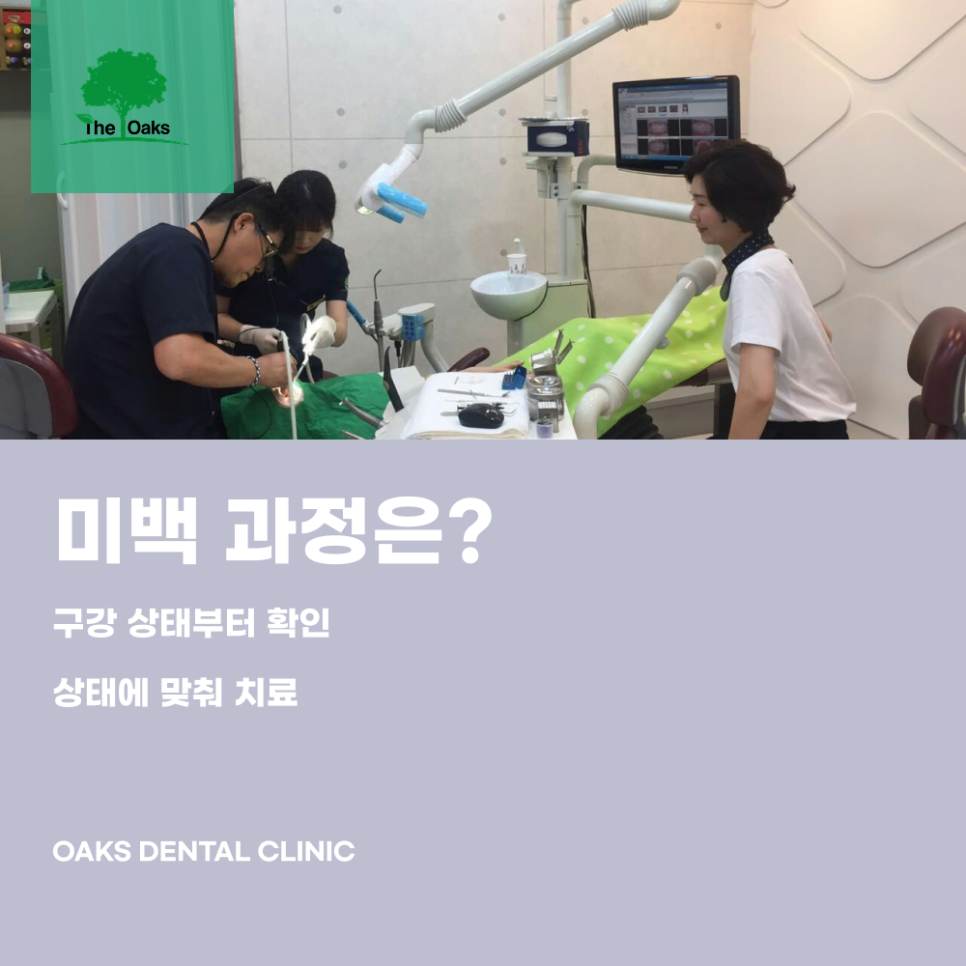
Before starting teeth whitening, it is important to first assess the current
condition of the mouth.
An oral examination is used to check for cavities, gum inflammation, and other
conditions. If there is significant tartar or staining on the tooth surface,
scaling may be performed first if necessary.
The current tooth color and degree of discoloration are then assessed, and the
desired level of brightness is discussed.
Professional whitening performed at a dental clinic involves applying a
whitening agent under the supervision of dental professionals to improve the
color of the teeth.
The treatment process and number of sessions may vary depending on the
condition of the teeth and the target shade.
The important thing is not to focus solely on making the teeth as bright as
possible in the shortest time. Instead, the goal should be to plan a natural,
harmonious shade while taking dental health into account.
How Should You Care for Your Teeth After Whitening?
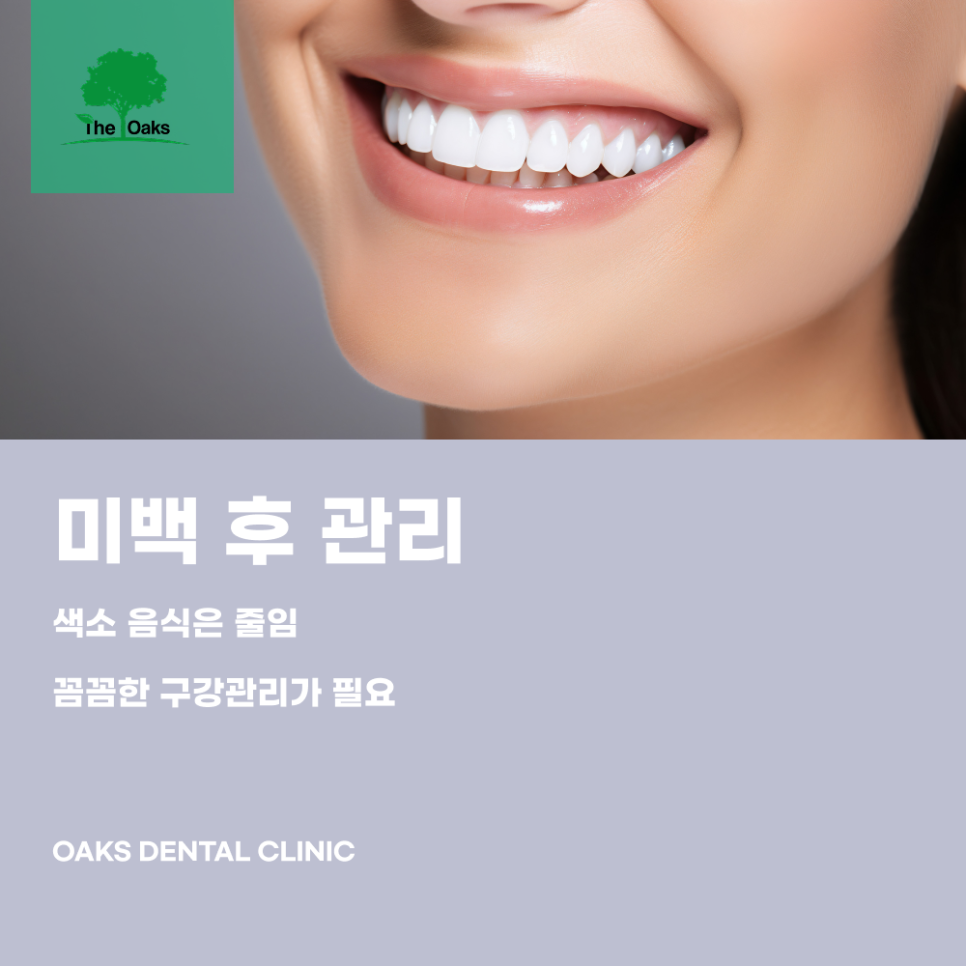
After teeth whitening, care is needed to maintain the results for as long as
possible.
Especially immediately after whitening, reducing your intake of foods and
beverages with strong pigments may be helpful.
Highly pigmented foods such as coffee, black tea, wine, and curry may affect
tooth staining. After consuming them, it is a good idea to rinse your mouth
with water and pay closer attention to oral hygiene.
Smoking can also cause tooth staining, so if you want to maintain a brighter
tooth color for longer, you may want to consider quitting smoking.
In everyday life, it is important to brush thoroughly and use dental floss or
interdental brushes to prevent food particles and plaque from accumulating
between the teeth.
Regular dental checkups and, when necessary, scaling may also help monitor the
condition of the teeth and gums.
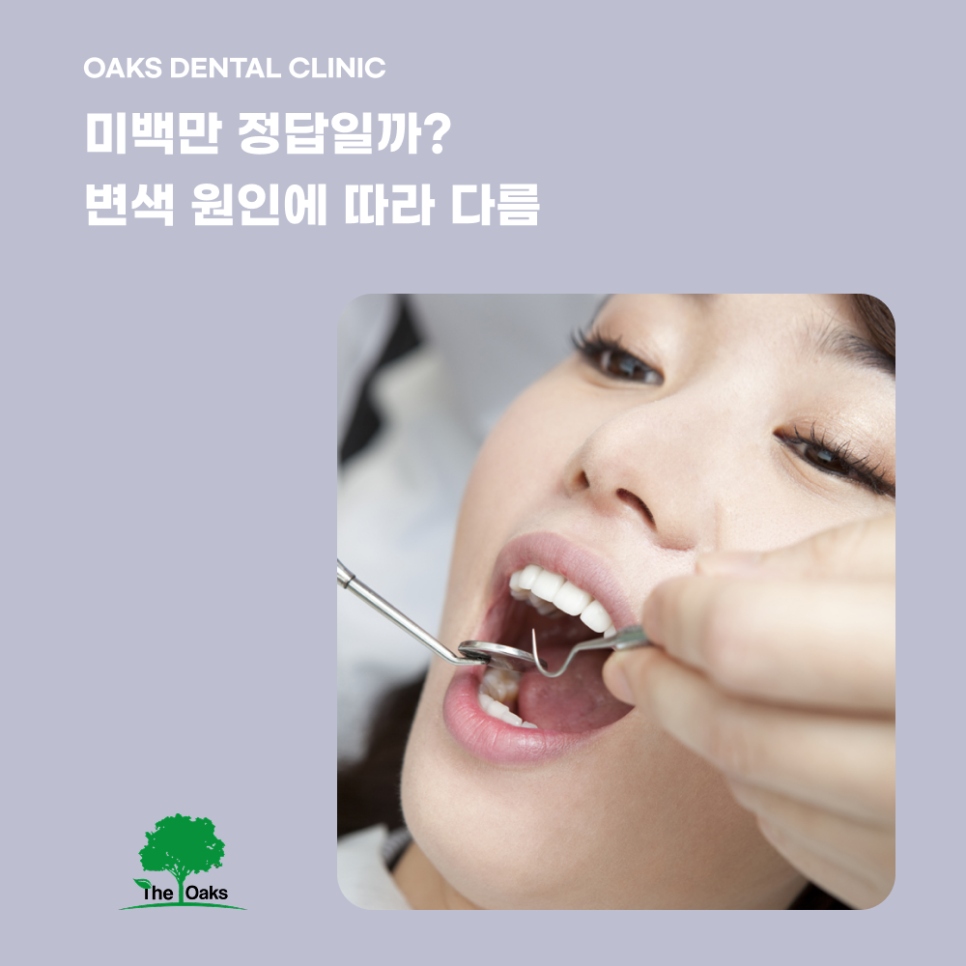
Not All Discoloration Requires Whitening
Just because the teeth look dark does not mean they can always be improved
with standard teeth whitening.
For example, if a tooth has become discolored after damage to the nerve inside
the tooth, a different approach from conventional whitening may be necessary.
In addition, if an old restoration does not match the surrounding teeth and
makes the tooth appear dark, whitening alone cannot change the color of the
restoration.
As shown above, the appropriate treatment may vary depending on the cause of
the discoloration, so it is important to receive an accurate diagnosis first.
Depending on the situation, other treatment methods, such as scaling or
restorative treatment, may need to be considered.
Therefore, rather than simply comparing whitening costs or the number of
treatment sessions, the priority should be determining why your teeth have
become discolored and whether your current condition is suitable for whitening
treatment.
In Closing...
Teeth whitening is a cosmetic treatment that may help create a cleaner,
brighter smile by improving the color of the teeth.
However, not everyone receives treatment in the same way. The appropriate
treatment method may vary depending on the cause of the discoloration and the
current condition of the teeth and gums.
Rather than simply making the teeth as white as possible, it is important to
find a level of brightness that naturally suits the face while maintaining
healthy teeth.
If you are concerned because your teeth have recently become darker or are
planning teeth whitening before an important event, first make sure to have
your current oral condition accurately assessed instead of comparing only
costs or the number of sessions.