
- What Is a Front Tooth Implant?
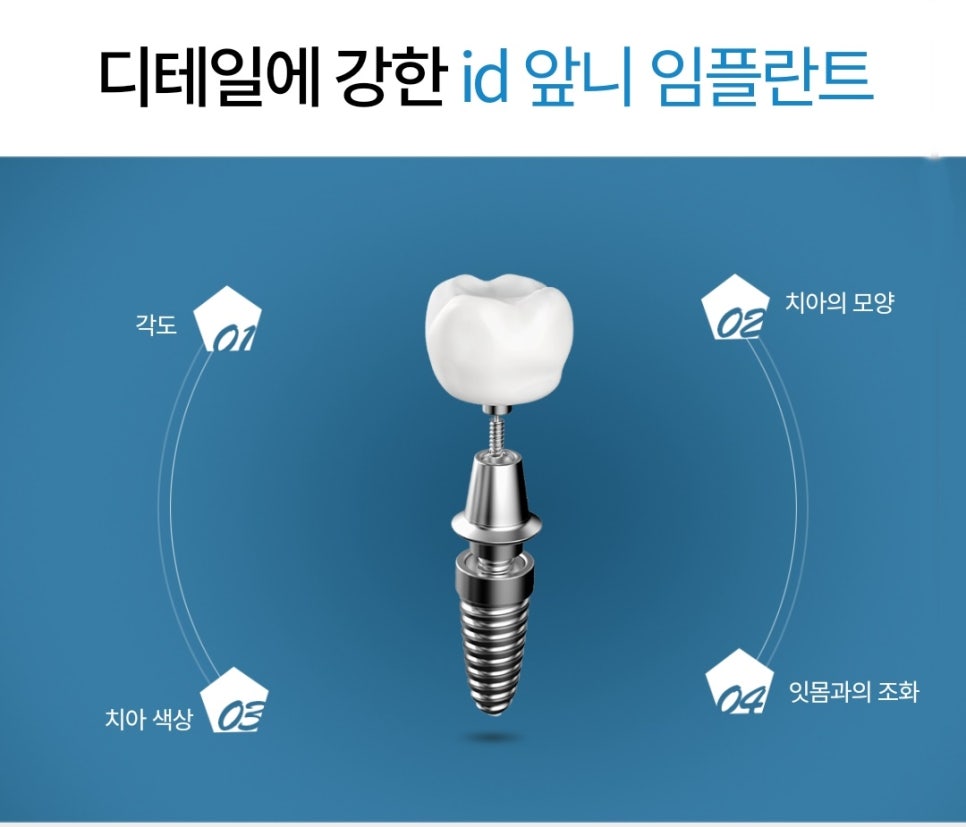
A front tooth implant is a treatment method that restores function and aesthetics similar to natural teeth by placing an artificial root when a front tooth has been lost due to an accident, impact, tooth decay, periodontal disease, or other causes. Since front teeth play an important role in appearance, implant treatment requires even more precise planning and procedure.
- When Front Tooth Implant Treatment Is Needed
2.1. Front Tooth Loss Due to Trauma
If a front tooth has been damaged or knocked out due to a traffic accident, sports injury, or similar incident, implant treatment is needed.
2.2. Replacement After Extraction Due to Severe Cavities
If tooth decay is so severe that root canal treatment is impossible, or if the tooth structure has been extensively damaged, it can be replaced with an implant after extraction.
2.3. Tooth Loss Due to Periodontal Disease
Implants may also be an appropriate treatment when the gum bone has been damaged and the tooth becomes loose or falls out.
- Front Tooth Implant Treatment Process
3.1. Precise Diagnosis and Treatment Planning
-
Oral examination and X-ray imaging
-
Checking bone condition through CT imaging
-
Creating a personalized treatment plan
3.2. Implant Placement Surgery
-
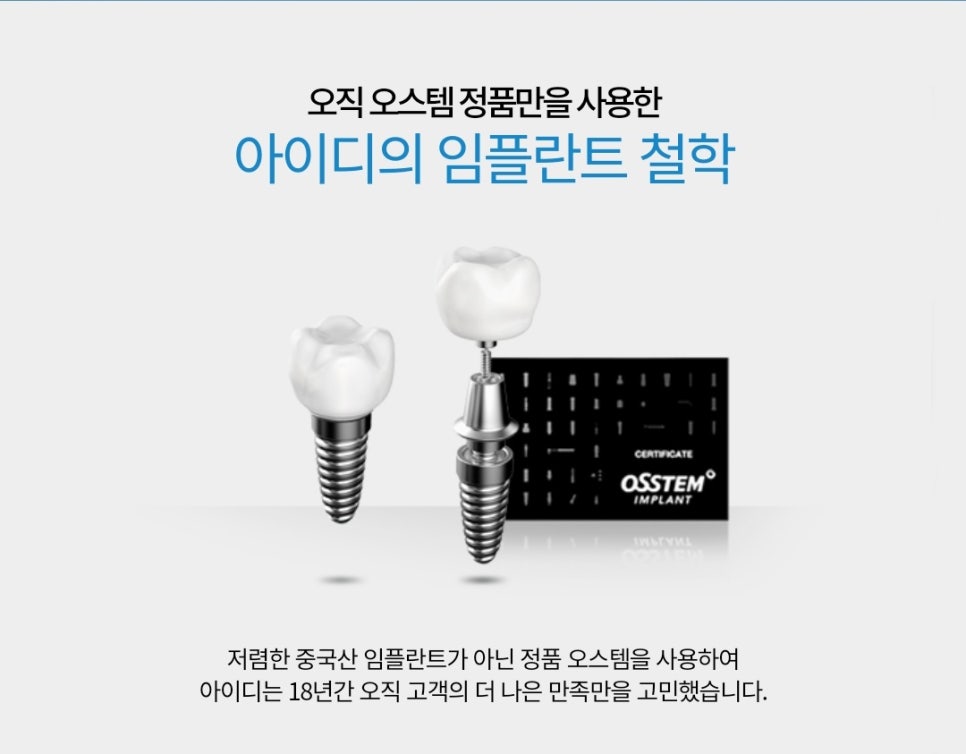
After local anesthesia, a titanium artificial root is placed into the jawbone
-
For about 3 to 6 months after surgery, the bone and implant undergo the bonding process (osseointegration)
3.3. Prosthesis Fabrication and Attachment
- Once the gums have healed and the implant has stabilized, a custom prosthesis is made and fitted
3.4. Final Check and Maintenance
-
Treatment is completed after checking chewing strength, aesthetics, and gum condition
-
Regular checkups and maintenance are essential

- Advantages of Front Tooth Implants
4.1. Aesthetic Appearance Similar to Natural Teeth
Implants can be made to closely resemble natural teeth in color and shape, making them aesthetically excellent.
4.2. Restoration of Chewing Function
They offer stronger chewing ability than dentures or bridges, allowing you to chew food like natural teeth.
4.3. No Damage to Adjacent Teeth
Unlike bridges, there is no need to grind down neighboring teeth, so healthy teeth can be preserved.
4.4. Protection of the Jawbone
If a missing tooth is left untreated for a long time, the jawbone is absorbed, but implants help prevent bone resorption.

- Precautions After Front Tooth Implant Treatment
5.1. Things to Watch for Immediately After Surgery
-
Avoid gargling or brushing your teeth for 24 hours
-
Be careful not to irritate the surgical site
-
Take the prescribed medication and stop smoking
5.2. Long-Term Care
- Comparison of Front Tooth Implants and Other Treatments
| Treatment Method | Advantages | Disadvantages |
|---|
| Implant | Excellent aesthetics, strong chewing ability, helps protect bone | Relatively high cost and treatment period may be long |
| Bridge | Fast treatment possible, relatively affordable | Adjacent teeth must be shaved down |
| Denture | Low cost, simple treatment possible | Less aesthetic and weaker chewing ability |
Front tooth implants are an effective treatment method that provides an appearance and function similar to natural teeth. However, post-surgery care is important, and regular checkups and thorough oral hygiene management are essential. It is important to consult with a specialist and establish a treatment plan that is appropriate for the individual.