
Dental laminates are one of the most widely used treatments in the field of cosmetic dentistry.
Because the appearance of teeth—including their shape, color, and alignment—can significantly influence a person’s first impression, image, and self-confidence, dental laminates have gradually come to mean more than a simple cosmetic procedure.
As the importance of preserving natural teeth has also gained attention, more people are seeking accurate information about the purpose and principles of laminates, as well as the treatment process and aftercare, while pursuing an approach that minimizes damage to the teeth and also considers functional restoration.
- Basic Principles of Dental Laminates
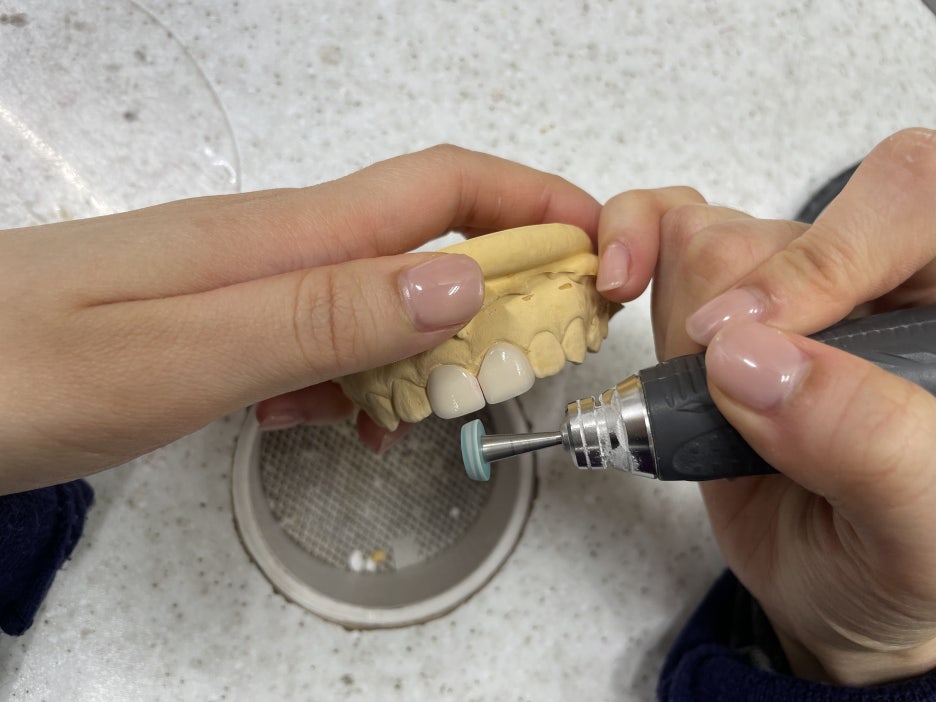
Dental laminates are made by attaching very thin restorations to the surface of the teeth. For ease of understanding, they are sometimes compared to applying artificial nails, but the process is not simply a matter of “adding something on top.” Adhesion, mechanical bonding, and chemical bonding all play a role.
Within the limits of avoiding damage to the natural teeth, an appropriate amount of the outermost surface of the teeth is removed. After the surface is treated, an adhesive system is applied, and the ceramic restoration must be strongly bonded and guided into place.
For laminate fabrication, E-max, a material known for its excellent light transmission, color stability, and durability, is used to create a natural appearance that closely resembles natural teeth.
If the adhesive strength is weak, the laminate may quickly come off, and if its durability is poor, it may easily break even from a minor impact. Therefore, selecting an appropriate material that satisfies all of these requirements is also a very important factor.
In addition, if a gap or ledge forms between the natural tooth and the laminate, tooth decay may develop in that area and require further treatment. For long-term stability, the restoration must therefore be designed according to a detailed treatment plan covering every stage, from fabrication and bonding to final finishing after adhesion.
- Need for and Purpose of Dental Laminates
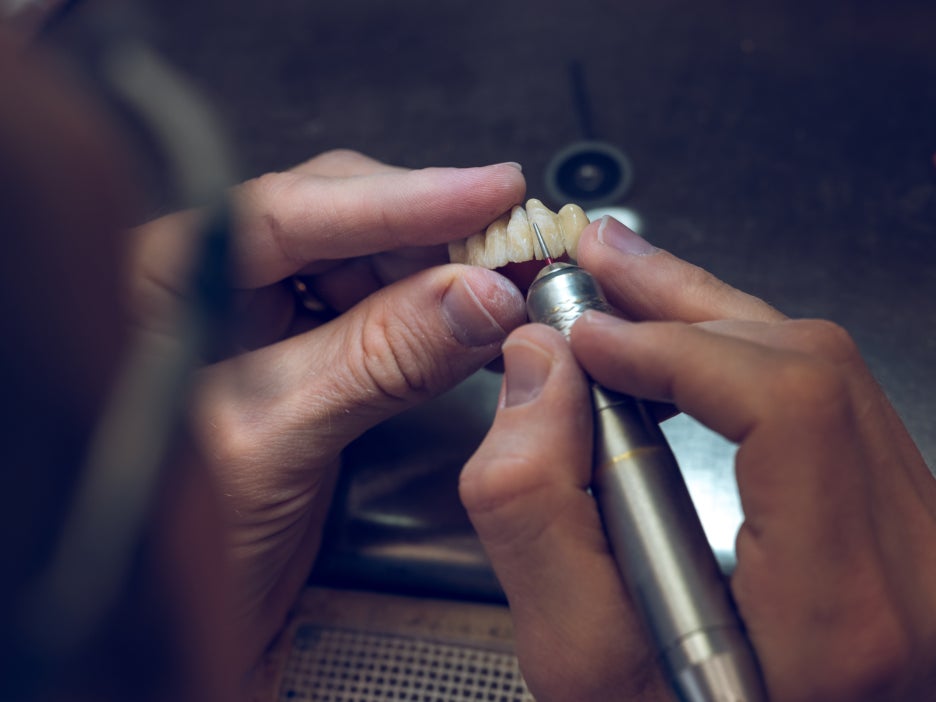
Dental laminates are primarily performed to improve cosmetic imperfections in the teeth. Common indications include minor fractures, disproportionate tooth shape, irregular alignment, and discoloration.
They are a restorative treatment selected when the structural damage to the natural teeth or functional defects are not severe.
In this sense, the purposes of laminate treatment are as follows.
① They can improve cosmetic concerns and increase psychological and social self-confidence.
② They can correct imbalances in tooth shape, creating natural harmony in the face and proportion among the teeth.
③ By improving the brightness and shade of the teeth, they can adjust translucency and reflectivity with the aim of achieving a natural appearance in daylight.
- Advantages and Disadvantages of Dental Laminates
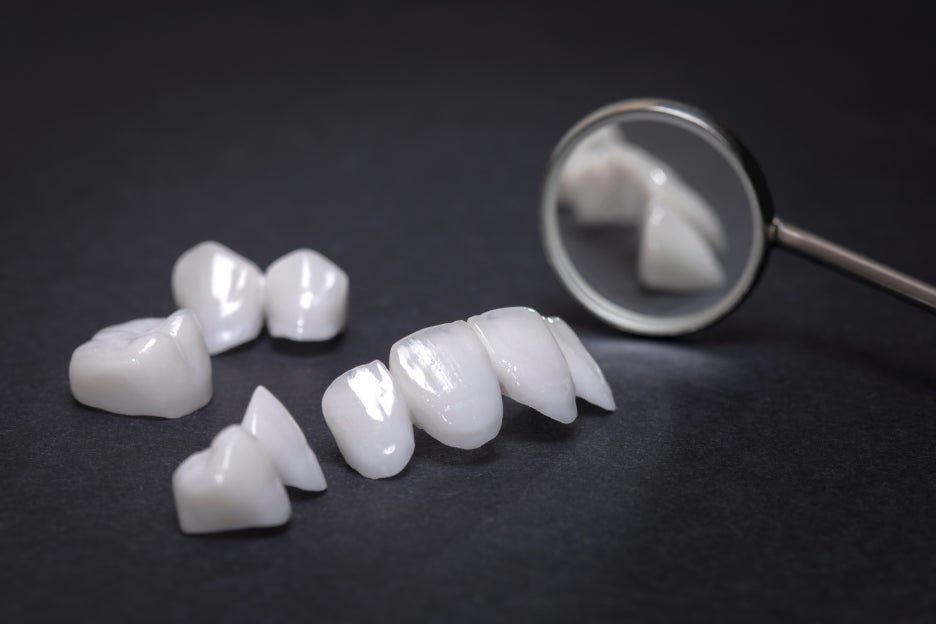
The greatest advantage of dental laminates is that they require minimal removal of tooth structure. Because cosmetic improvement is possible with limited damage, the treatment itself can also feel less burdensome.
The amount of tooth reduction may vary somewhat depending on each patient’s dental condition. Even when a small amount of reduction is necessary, laminates can preserve the natural teeth and provide a stable, natural-looking result.
However, there are also clear disadvantages. Because an artificially fabricated restoration is attached to the tooth surface, it may fracture or come off after being exposed to a strong impact. Depending on the bonding technique, it may also detach easily. A patient’s unfavorable oral habits, such as teeth grinding or poor oral hygiene, can negatively affect the outcome, so a detailed examination and consultation are necessary before treatment.
In addition, if the area of tooth reduction becomes unnecessarily extensive, significant enamel damage may occur and the dental nerve may become exposed, leading to complaints of tooth sensitivity after laminate treatment. Conversely, if insufficient space is created, the restoration may become too thick, reducing both esthetics and function.
If laminates are fabricated without considering each individual’s skin tone, the color of the surrounding teeth, and the bite, the laminates alone may look excessively artificial or may cause discomfort during chewing.
As even small errors can lead to long-term problems such as detachment, fracture, or discoloration, diagnosis and treatment by a dental professional with experience and expertise are key factors in reducing complications and maintaining a stable outcome.
- Dental Laminate Treatment Process
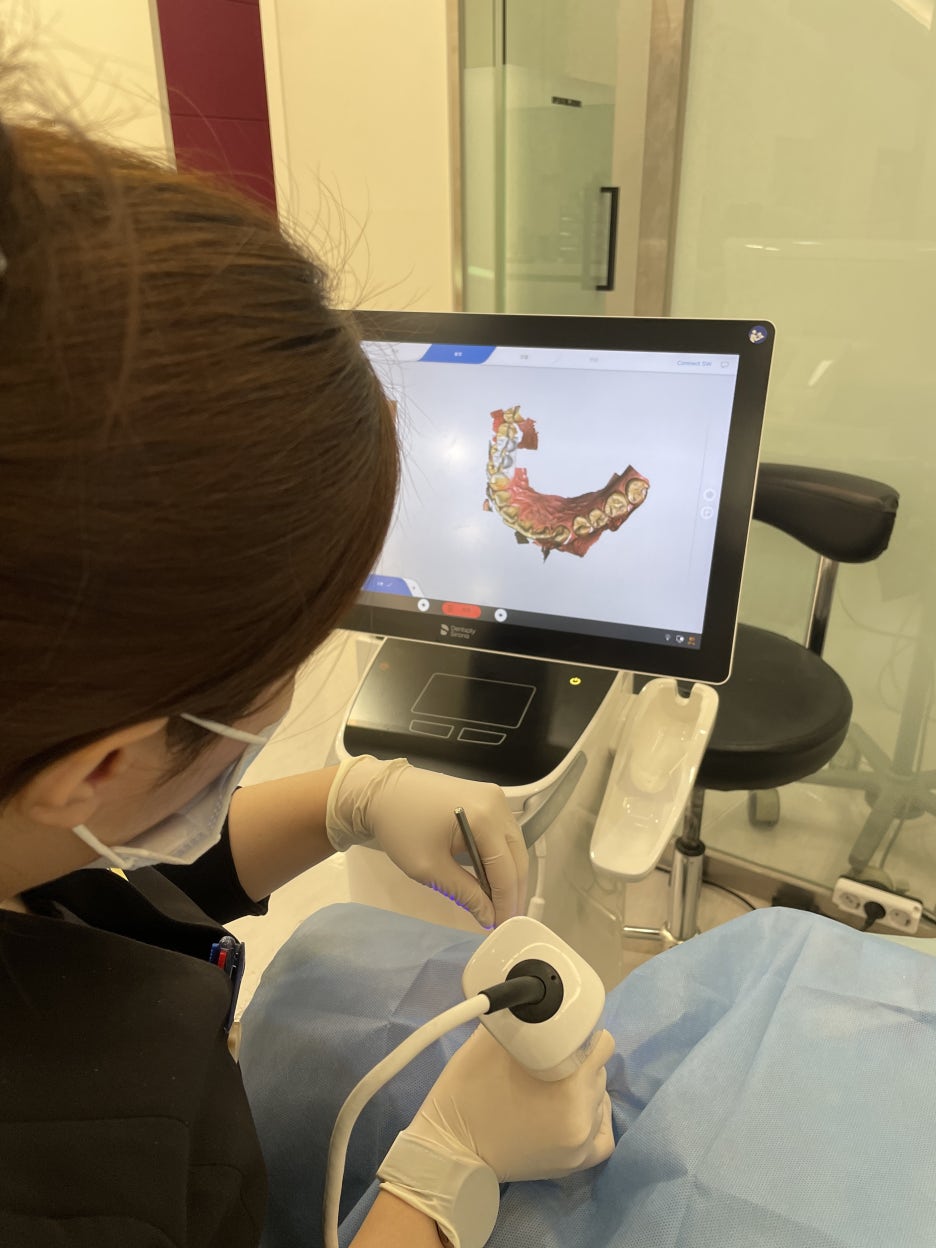
Laminate treatment begins with an evaluation of the dental condition, along with intraoral photographs and the taking of impressions.
More recently, digital scanning has made it possible to reproduce the oral cavity more accurately. The alignment of the teeth and the bite can also be examined closely.
This method was introduced as an alternative to the rubber impression process, which many patients found difficult to tolerate, allowing them to have their dental condition assessed much more comfortably.
The data obtained through digital scanning is immediately displayed three-dimensionally on a screen, allowing analysis from multiple angles and determination of the treatment direction.
The tooth surface is then prepared for laminate placement, and space is created as needed. A custom restoration is fabricated at the dental laboratory, precisely reflecting the shape, translucency, color, and other characteristics of the teeth.
The fabricated laminate is bonded to the tooth surface using a special dental adhesive. The final result is refined through procedures such as adjusting the bite and polishing the restoration to reduce the risk of fracture, achieving a natural finish.
- Aftercare Following Dental Laminate Treatment
Although dental laminates are one treatment option that can improve esthetics semi-permanently, ongoing care is essential.
Practicing proper toothbrushing and maintaining good oral hygiene are fundamental. It is also best to avoid biting down on very hard foods, such as nuts or ice, with the front teeth, as well as very sticky foods, such as jelly or caramel.
If you grind or clench your teeth, be sure to inform the dental professional accurately before treatment. After laminate placement, you should work to correct the habit while also wearing a protective appliance when necessary.
Regular dental visits are also necessary for careful periodic checks of the bonding condition, changes in the gums, and the health of the surrounding teeth.
Once treatment has been completed successfully, the dental clinic and the patient should work together to maintain the result safely and stably for as long as possible.

Dental laminates can be effective for improving esthetics, but they are restorative treatment that requires accurate diagnosis and treatment based on established principles.
Just as a craftsperson carefully cuts and sews custom clothing for each individual, laminates also require refined technical skill and can be considered a field that demands meticulous precision, allowing no margin for error.
Every aspect—from fine adjustments to the amount of tooth reduction and the design of the restoration based on optical properties, to the bonding process and subsequent care—must be thoughtfully designed step by step, and the restoration must be completed on the foundation of that thoroughness.
Therefore, rather than deciding based solely on external improvement, you should consider your dental condition, oral habits, and desired outcome as a whole.
Above all, remember that the fundamental purpose of dental laminates is to create natural beauty without harming the natural teeth. For the best possible result, treatment should be carried out following sufficient consultation and planning with a dental specialist who has extensive experience and technical expertise.
Address: 142 Dosan-daero, Gangnam-gu, Seoul, 아이디병원 B/D
Main number: 02 548 2114