I want Invisalign treatment,
but I’ve seen many failed cases
around me,
so I’m worried ㅜㅜ
How should I get started,
and where should I go,
to avoid an unsuccessful orthodontic treatment?

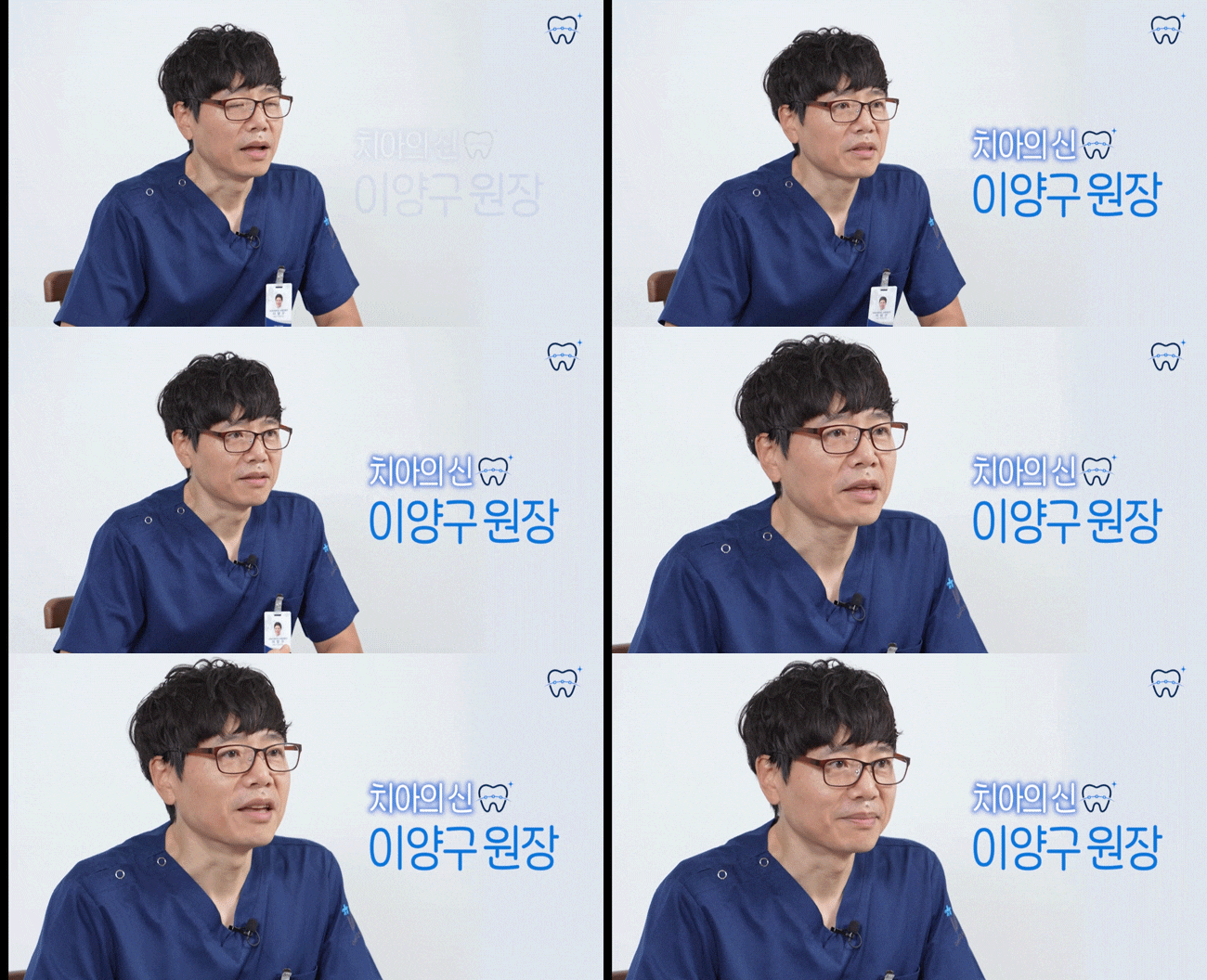
When searching for information because you want orthodontic treatment, you may come across reviews from people who were disappointed by unsuccessful results. It is also not difficult to find cases where people eventually underwent retreatment because they were unhappy with the outcome.
From a patient’s perspective, you might think, “All I need is to straighten the alignment of my teeth, so how can orthodontic treatment fail?”
However, the standard for “successful orthodontic treatment” does not simply involve arranging the teeth neatly.
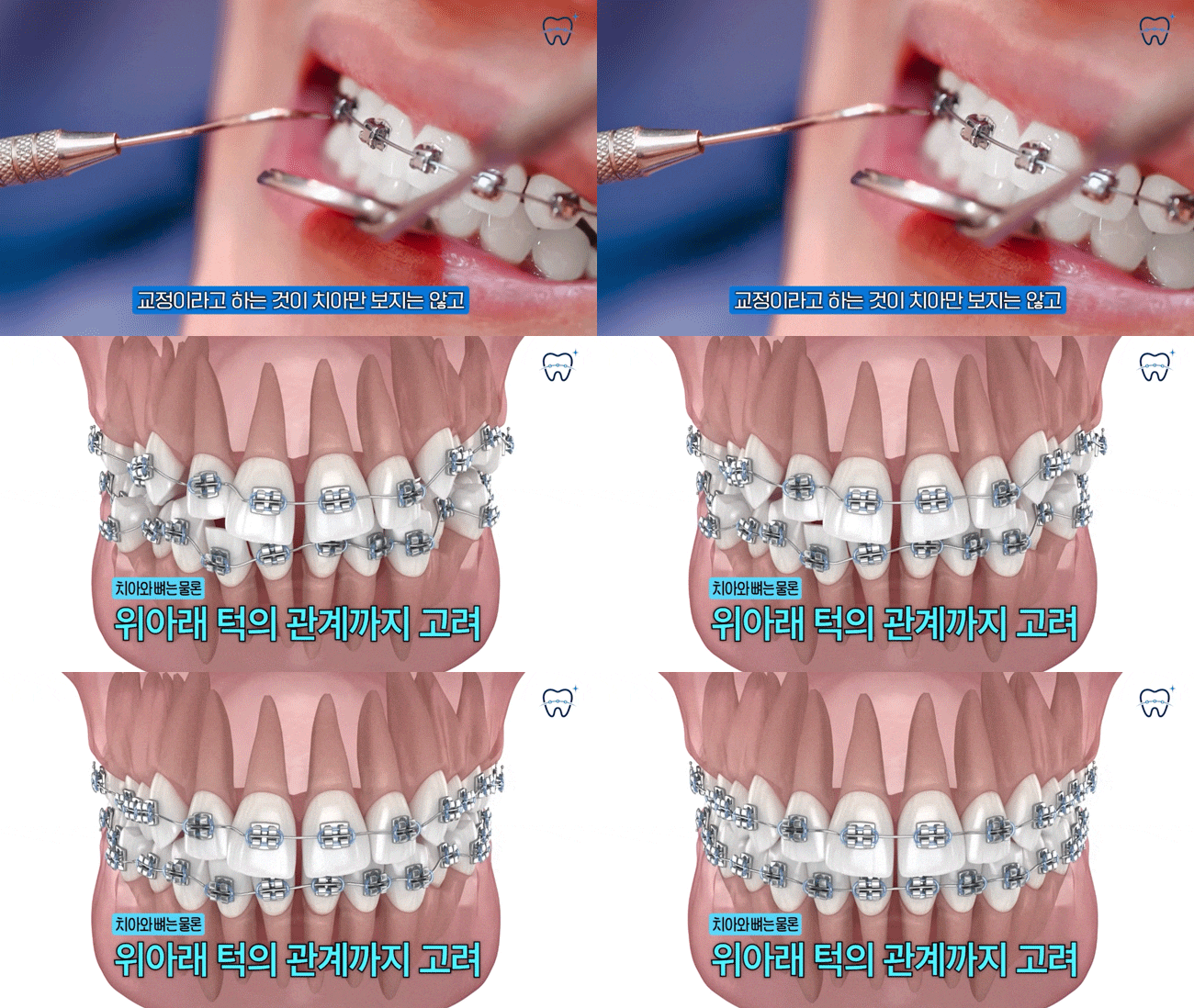
The condition of the teeth, the supporting jawbone, and the bite relationship between the upper and lower jaws all need to be assessed comprehensively. The result must satisfy both functional and aesthetic requirements.
However, even if function improves, treatment may be described as having “failed” if the patient is not satisfied with the aesthetic changes after orthodontic treatment. Satisfaction in only one of these two areas is not enough.
For this reason, treatment should be planned according to clear standards for successful orthodontic treatment.
Today, for those seeking orthodontic treatment without regrets, I will explain the standards used at ID Dental Clinic, a Sinsa-dong Invisalign dental clinic, and organize information that may be useful as a reference.
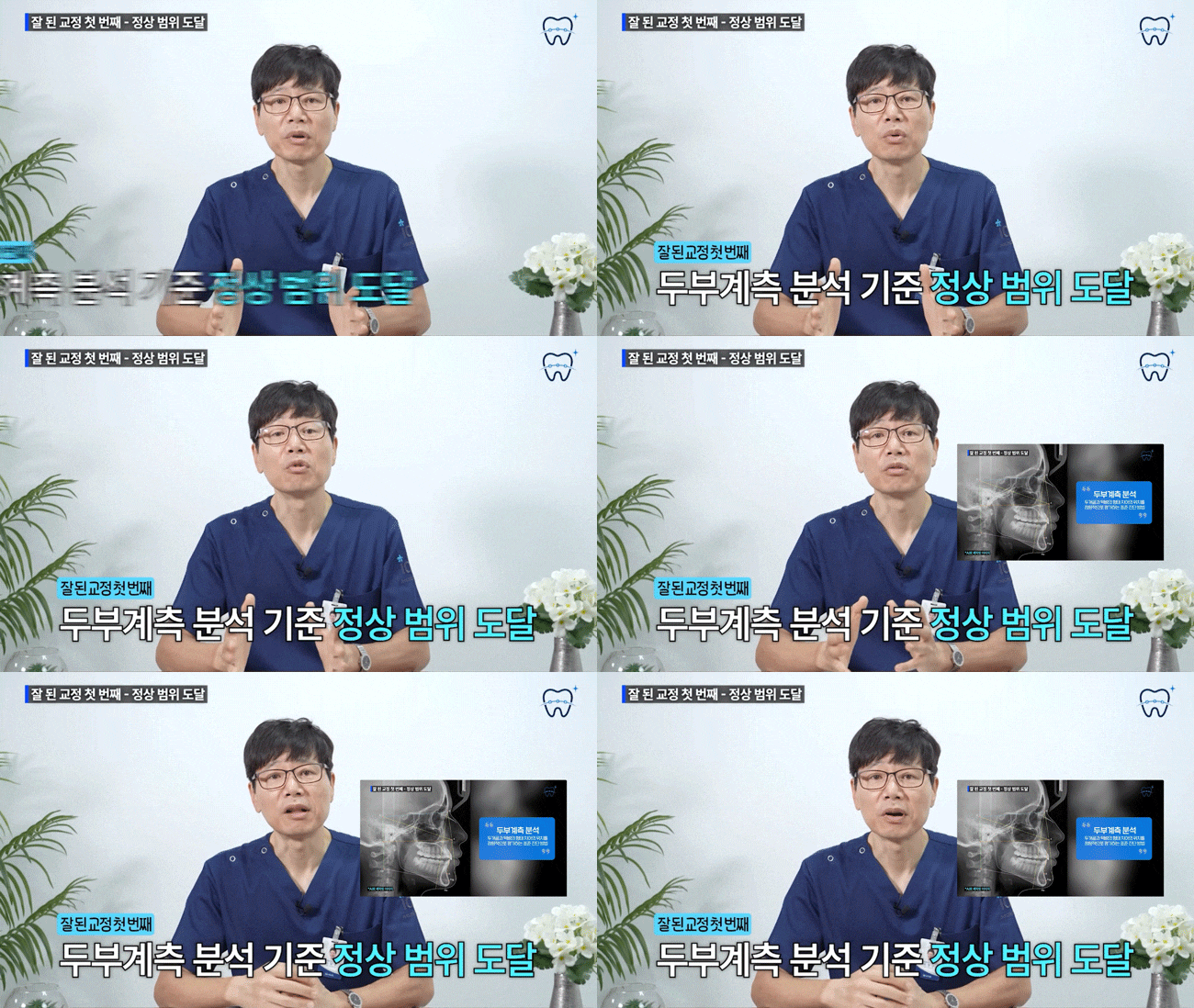
Standards for Successful Orthodontic Treatment 1)
Has the result reached the normal range according to cephalometric analysis?
The first standard is whether the result has reached the normal range according to cephalometric analysis.
This may sound somewhat difficult, so let me give you a simple example.
When we go to the hospital because we are unwell, our blood pressure or blood sugar levels are checked. There are standards that tell us whether these measurements are high or low.
Likewise, a Sinsa-dong Invisalign dental clinic can use standards to determine whether orthodontic treatment has progressed well, and these can be assessed through cephalometric analysis.
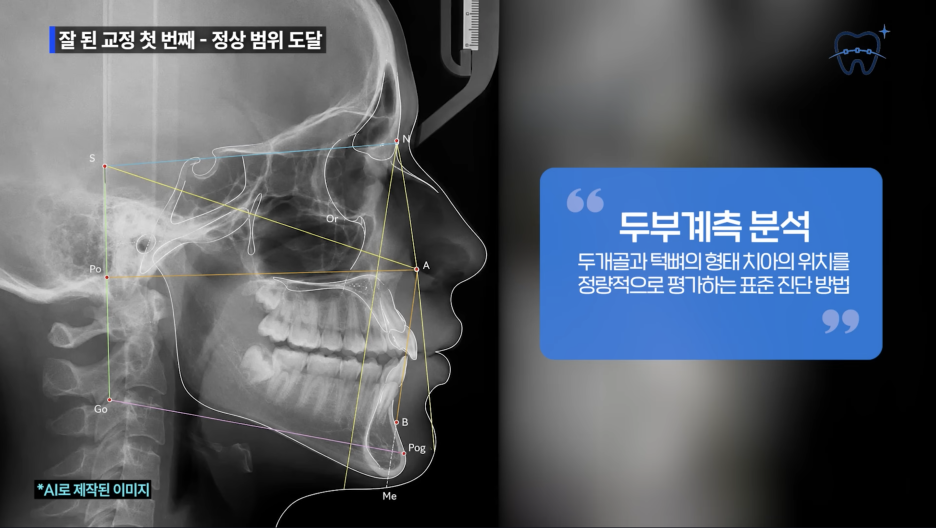
Cephalometric analysis is a standardized diagnostic method used to quantitatively evaluate the shape of the skull and jawbones and the position of the teeth. Rather than looking only at tooth alignment, it examines the overall balance of the jawbones and facial bones.
Various reference points on the face, jawbones, and teeth are connected, and angles and distances are measured. This makes it possible to objectively assess the direction of facial growth, the inclination of the front teeth, and their protrusion using numerical values, which can be used to establish a more precise treatment plan.
✔ Whether tooth extraction is necessary
✔ How far the front teeth should be moved backward
✔ How changes to the facial profile after treatment can be predicted
These factors can be assessed more objectively.
If the teeth reach the normal range on cephalometric analysis, the result can be described as “successful orthodontic treatment.”
Standards for Successful Orthodontic Treatment 2.
Aesthetic Satisfaction
The second standard is “aesthetic satisfaction,” which is influenced by individual preferences.
Even if the result falls within the normal range on cephalometric analysis, it cannot truly be considered successful orthodontic treatment if the patient is not aesthetically satisfied. In that sense, this may be the most important and most difficult aspect.
This is because aesthetic standards are strongly influenced by personal preferences.
From the dentist’s perspective, the result may meet the relevant standards and may have been completed as planned. However, patients may say:
“I’d like them to be moved in just a little more.”
“It seems like they stick out too much.”
In fact, there is no fixed standard for exactly how much the teeth should be moved inward or outward. Some people want only a very slight change, while others want a more noticeable change.
ID Dental Clinic in Sinsa-dong considers these details, identifies each patient’s needs, and then begins treatment. Many patients start orthodontic treatment with clear expectations, so sufficient discussion is held beforehand.
Aesthetic satisfaction is usually recognized after orthodontic treatment has finished. Because it can be difficult to reverse the result, patients may become disappointed. To help prevent this, Sinsa ID Dental Clinic considers thorough communication between the medical team and the patient important and continues communicating throughout the treatment process.
In particular, Invisalign treatment depends on the patient’s cooperation. There may be situations in which cooperation decreases or treatment does not progress smoothly for various reasons.
Even in such cases, the medical team must be able to respond quickly to unexpected circumstances, adjust the goals, and guide treatment back on track. Neglecting this process can lead to dissatisfaction with the result.
| | Criteria for Choosing a Dental Clinic Experienced in Invisalign |
The standards described above apply to successful orthodontic treatment. From this point, I will explain what criteria may be useful when looking for a dental clinic capable of providing effective treatment.
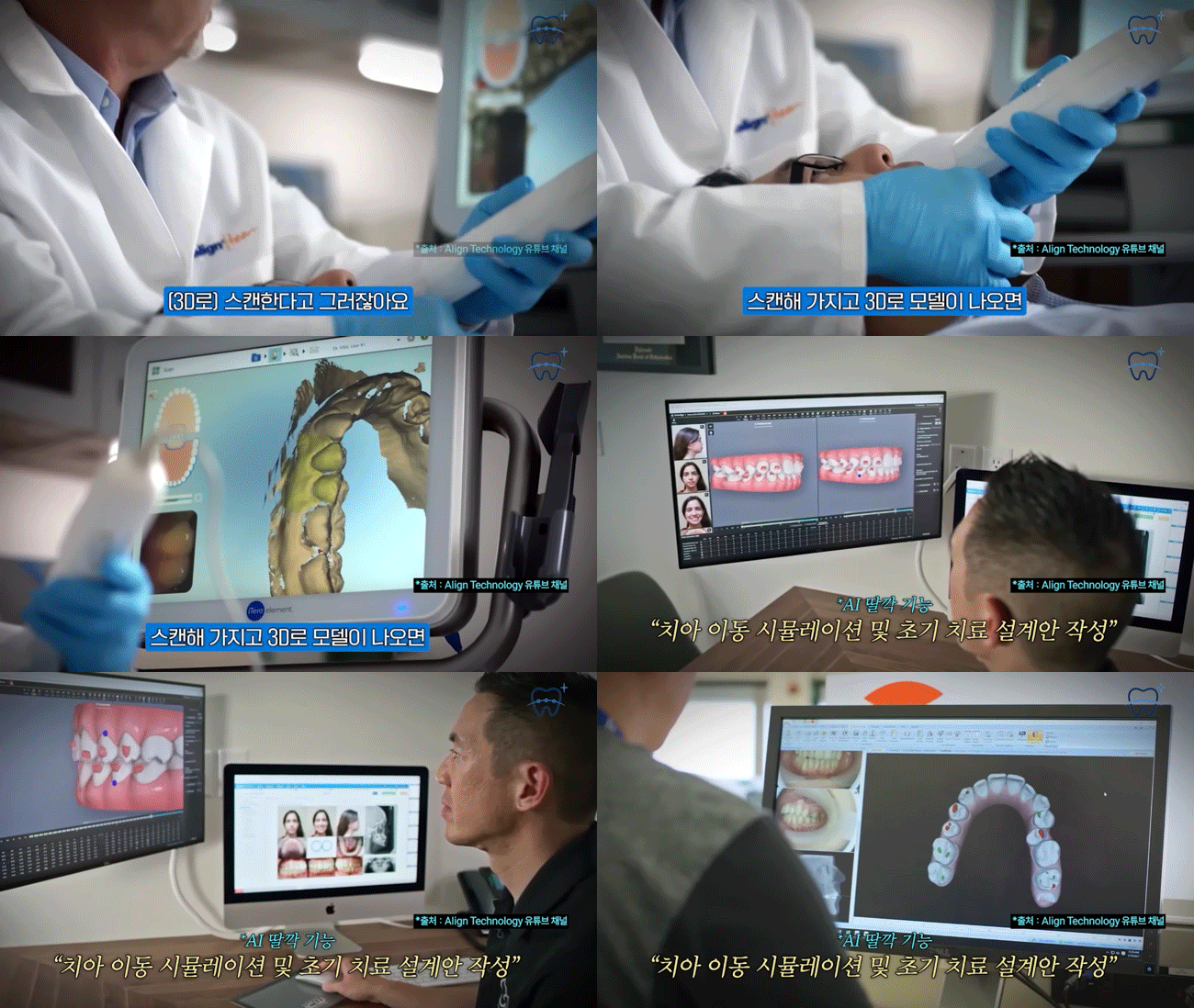
Customized Analysis and Orthodontic Diagnosis Using the iTero 3D Scanner
Invisalign clear aligner treatment is preferred by many people.
Because it is:
Transparent,
Convenient,
Easy to maintain oral hygiene with,
and requires fewer dental visits,
it is popular among office workers and students with busy schedules.
Because multiple aligners are manufactured in advance, patients can remove and reinsert them in their daily lives as they undergo treatment.
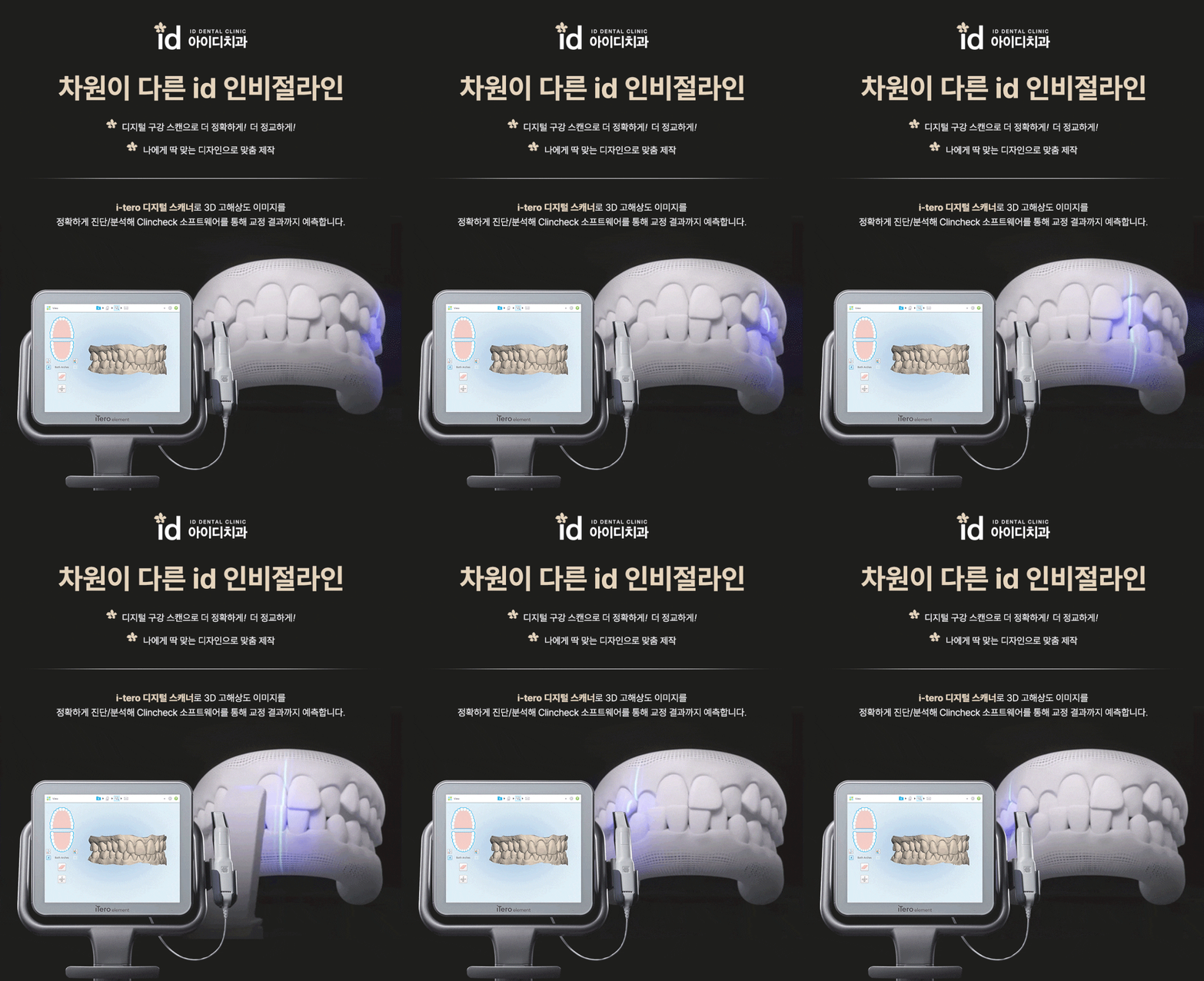
Therefore, when looking for an experienced Invisalign dental clinic in Sinsa-dong, you should examine how thoroughly it performs diagnosis and analysis.
Unlike fixed-bracket orthodontic treatment, in which wires are adjusted at each visit, Invisalign requires the aligners made according to the initial treatment plan to be produced appropriately for each stage. This is why the quality of the treatment result depends heavily on the initial plan. Successful Invisalign treatment can be said to begin with diagnosis rather than with the aligners themselves.
For this reason, Sinsa ID Dental Clinic uses the iTero 3D intraoral scanner during the diagnostic stage.
Compared with the traditional method of taking impressions using impression material, iTero avoids the discomfort associated with the process and reproduces the patient’s actual tooth alignment and oral condition with very little error. This enables customized diagnosis and treatment planning for each patient.
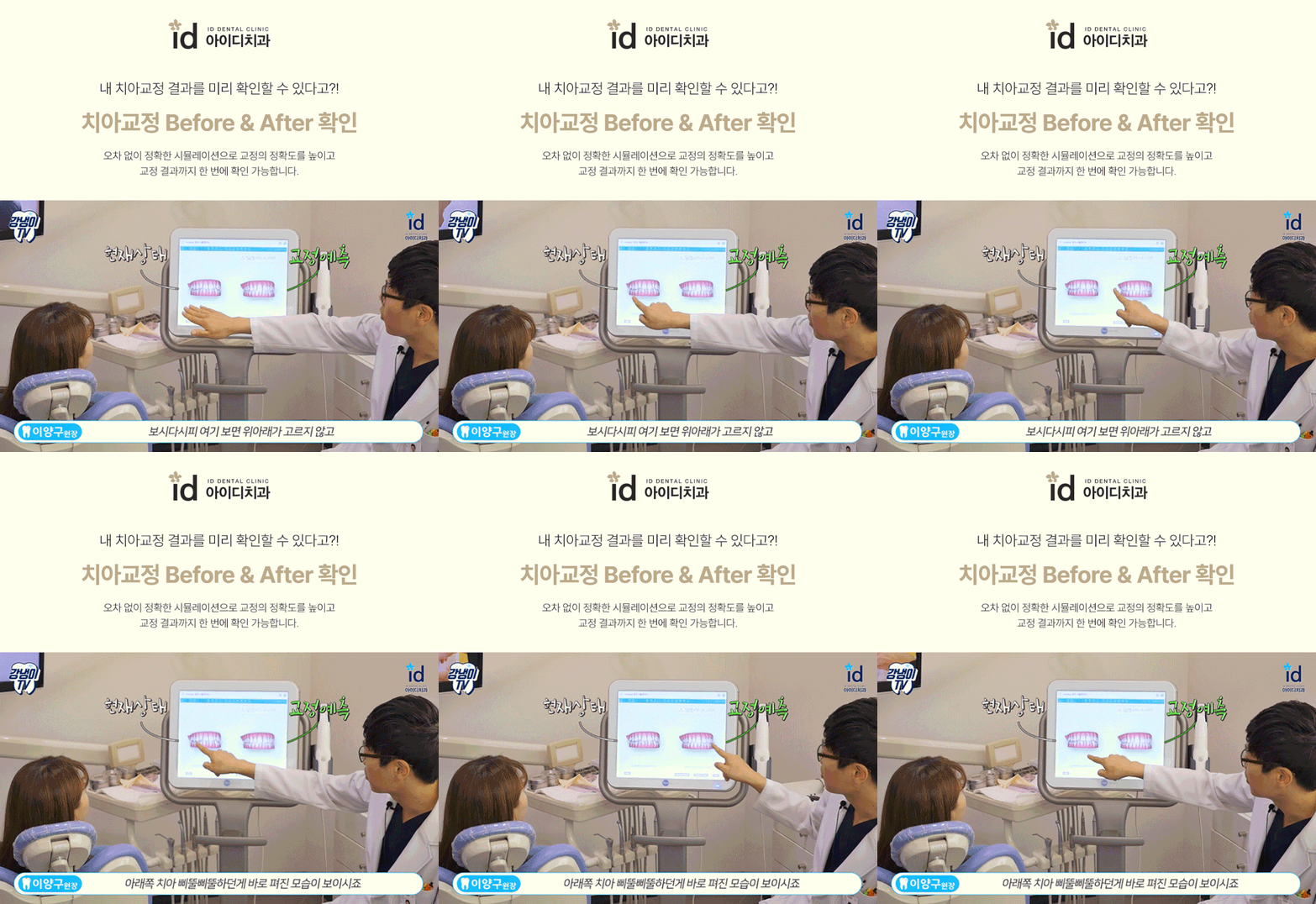
One notable feature of using iTero diagnosis is that patients can view their orthodontic Before & After simulation within one minute.
This allows the expected treatment result to be predicted using the patient’s current condition data.
As mentioned earlier, Invisalign requires patients to put in and replace their aligners themselves, so cooperation is important. If patients have at least a general idea of how their tooth alignment may change before starting treatment, their cooperation may improve.
This is because they do not have to wait through the lengthy treatment period without any clear idea of what to expect.
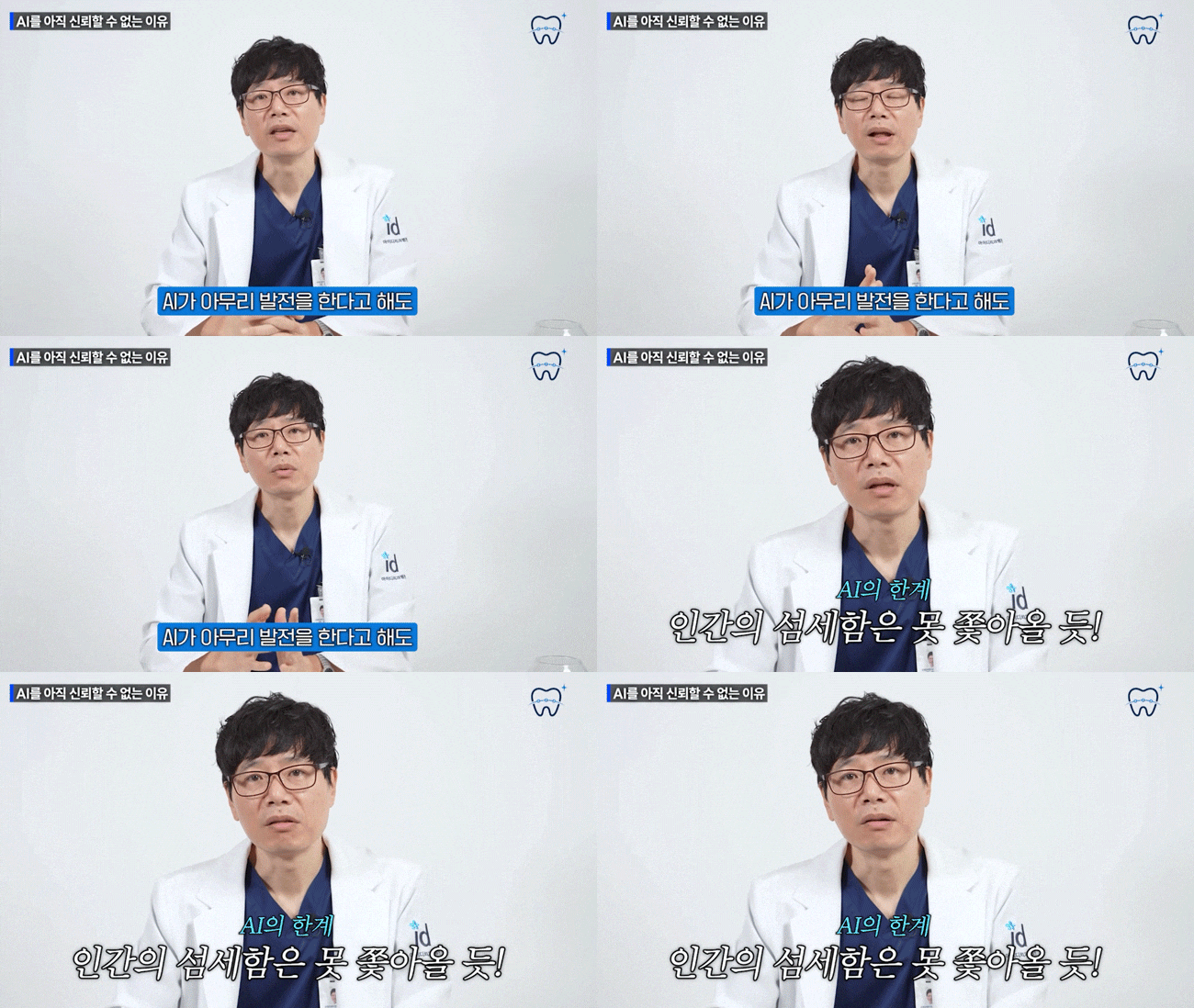
However, one point should not be overlooked: digital diagnosis should not be relied on alone.
AI technology does make diagnosis more convenient, faster, and potentially more accurate. However, it should be used as an auxiliary tool. Relying on it 100% does not guarantee a good result.
Ultimately, the medical team reviews and analyzes the diagnostic data, establishes the treatment plan, and performs the treatment. Therefore, the capabilities of the medical team must take priority.
✔ How long has the clinic been providing Invisalign treatment?
✔ What level of difficulty can it handle?
These are useful criteria to consider, and there is an objective way to check them.
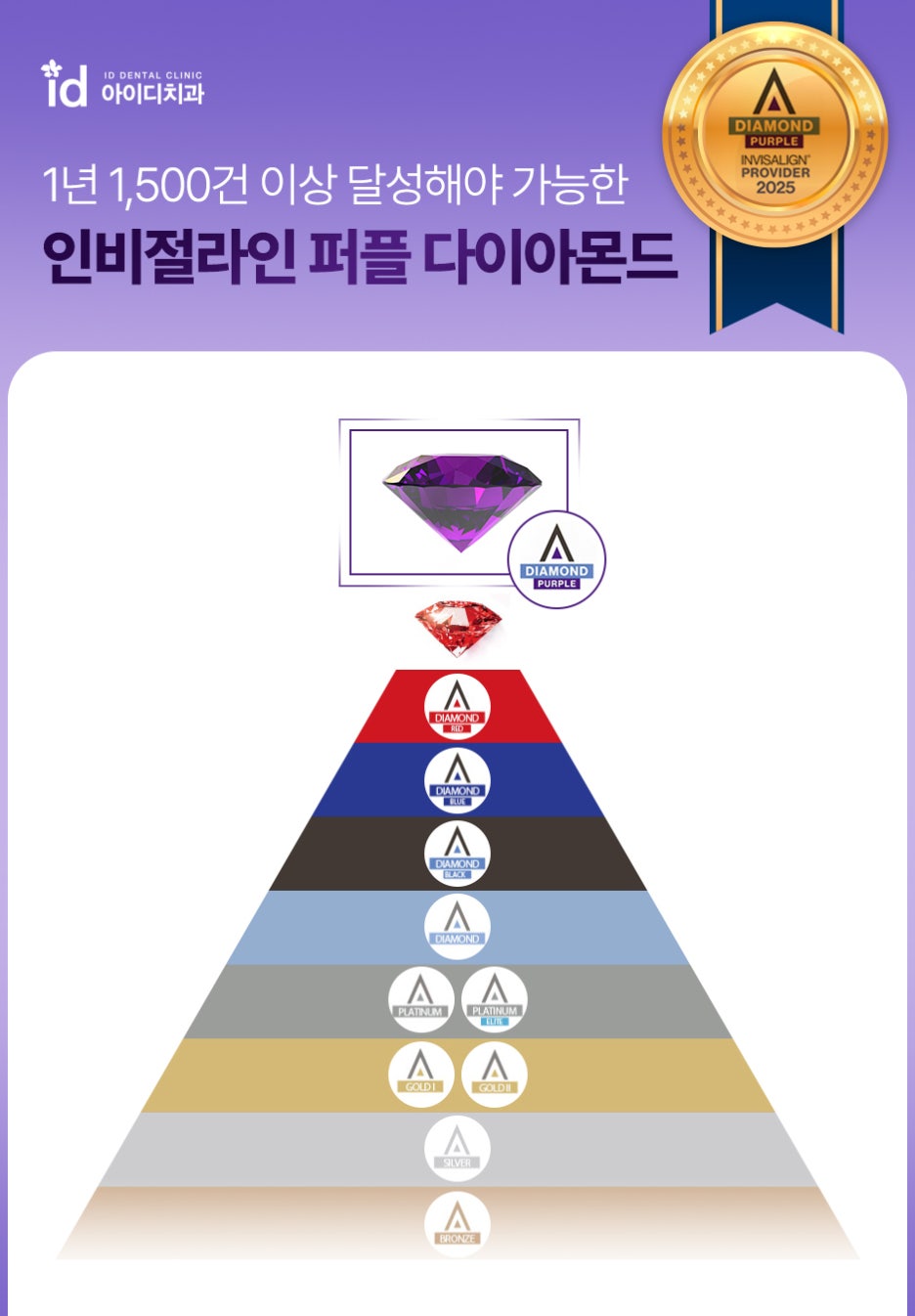
Orthodontic Skills and Experience Reflected in Invisalign Provider Tiers
It is not easy to determine the skill and experience level of the medical team before starting treatment.
You may gather and compare information from various sources, but if that is not enough, you can also check the clinic’s “Invisalign tier.”
This is a reliable indicator because it is directly managed by Align Technology, the U.S. headquarters that developed the Invisalign system.
Checking the tier of the dental clinic you are considering can give you an idea of how many Invisalign cases it has handled in a year.

For example, the lowest Bronze tier requires at least 1 case, Gold 1 requires at least 21 cases, and the Diamond tier requires at least 151 cases.
Each tier has its own requirements. Checking these in advance when researching Invisalign dental clinics in Sinsa-dong may help you assess their level of orthodontic experience and expertise.
Sinsa ID Dental Clinic is known for maintaining the highest tier.
It currently holds the highest tier, Purple Diamond, which requires more than 1,500 cases completed over one year.
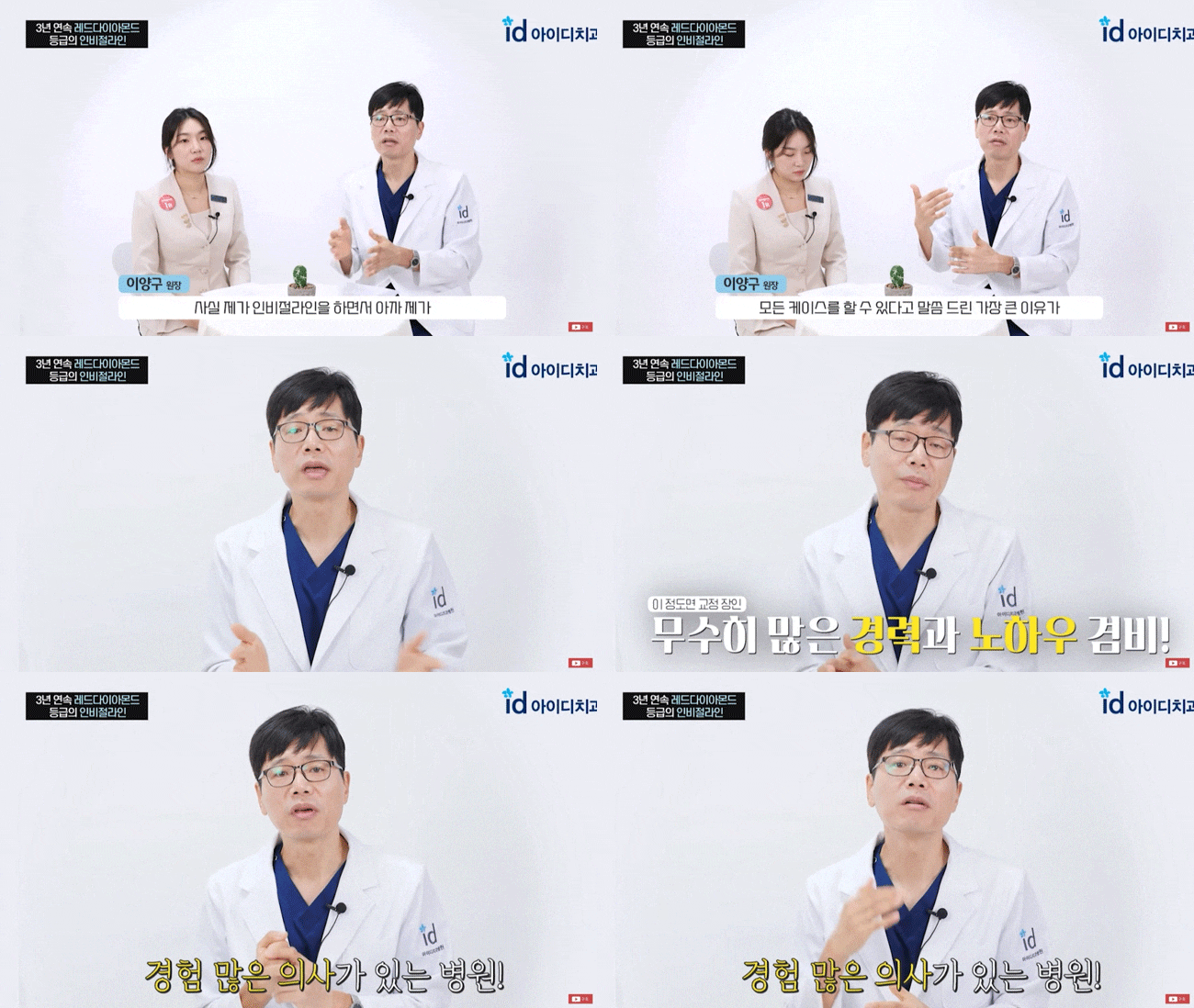
An important point is that even if a clinic receives Purple Diamond this year, it may not receive it the following year if it does not meet the requirements. Therefore, it is also useful to check the clinic’s Invisalign tier history.
ID Dental Clinic in Sinsa-dong was the first clinic in Korea to receive the country’s highest tier, Red, in 2021, and it has maintained the same tier every year since then.
It was also the first clinic in Korea to receive Purple, the highest tier introduced for the first time last year.
Maintaining the highest tier continuously for five years is certainly not easy.
As of January this year, the clinic had completed a cumulative total of 6,852 Invisalign cases.
This shows how many people have trusted and visited Sinsa ID Dental Clinic. The clinic continues to work hard to provide attentive care without losing sight of its original commitment.
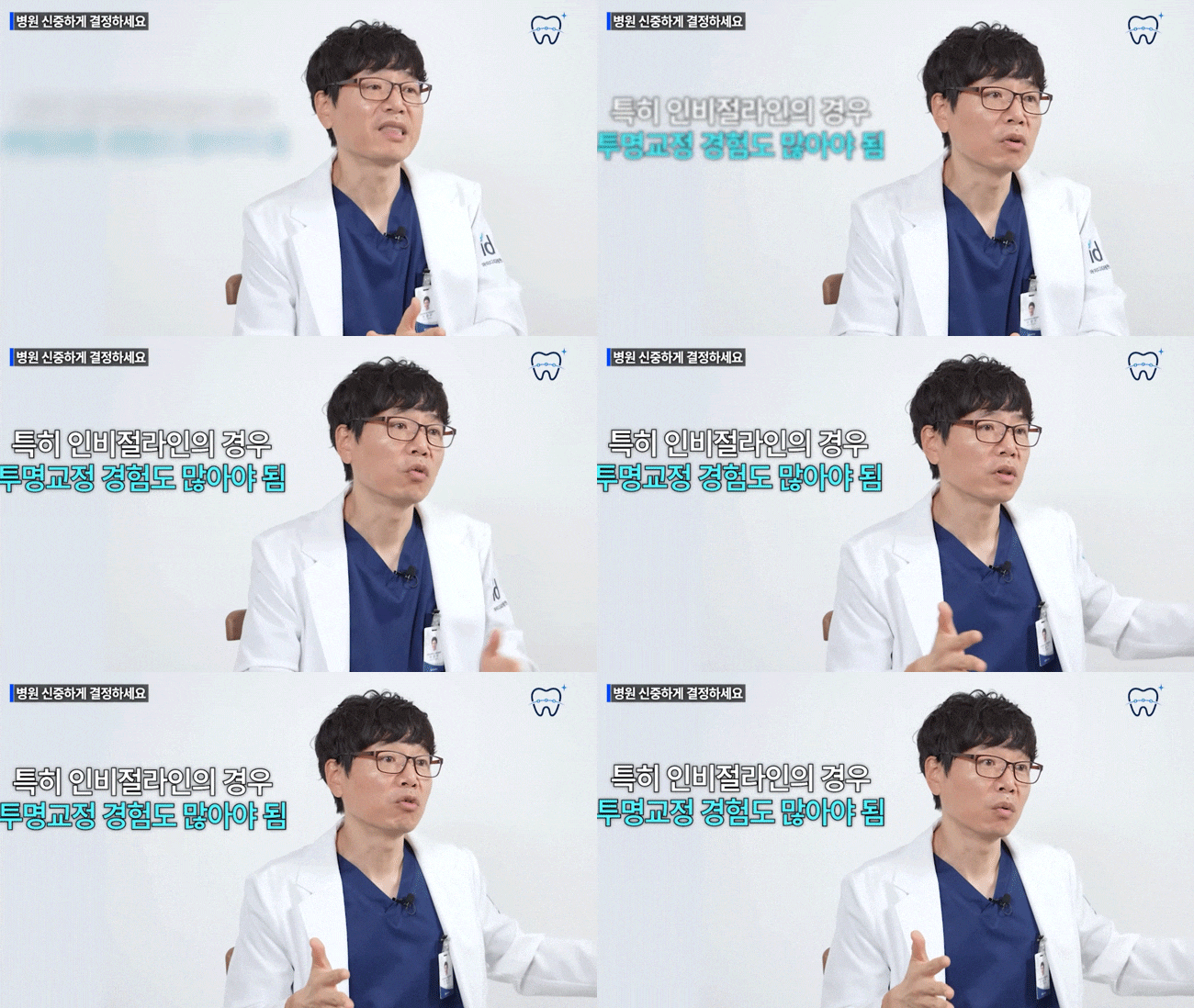
Many people may be looking for an experienced Invisalign dental clinic in Sinsa-dong. I hope you will also examine the clinic’s background, including its experience with orthodontic treatment and clear aligner treatment.
There is a difference between simply being good at Invisalign and providing Invisalign treatment based on extensive clinical experience in orthodontics.
Invisalign clear aligner treatment is often considered difficult for highly complex cases. However, with extensive orthodontic experience, a clinic may be able to confidently say that there are no cases that are impossible to treat with Invisalign.
That is how important the experience and expertise accumulated over many years are in orthodontic treatment.
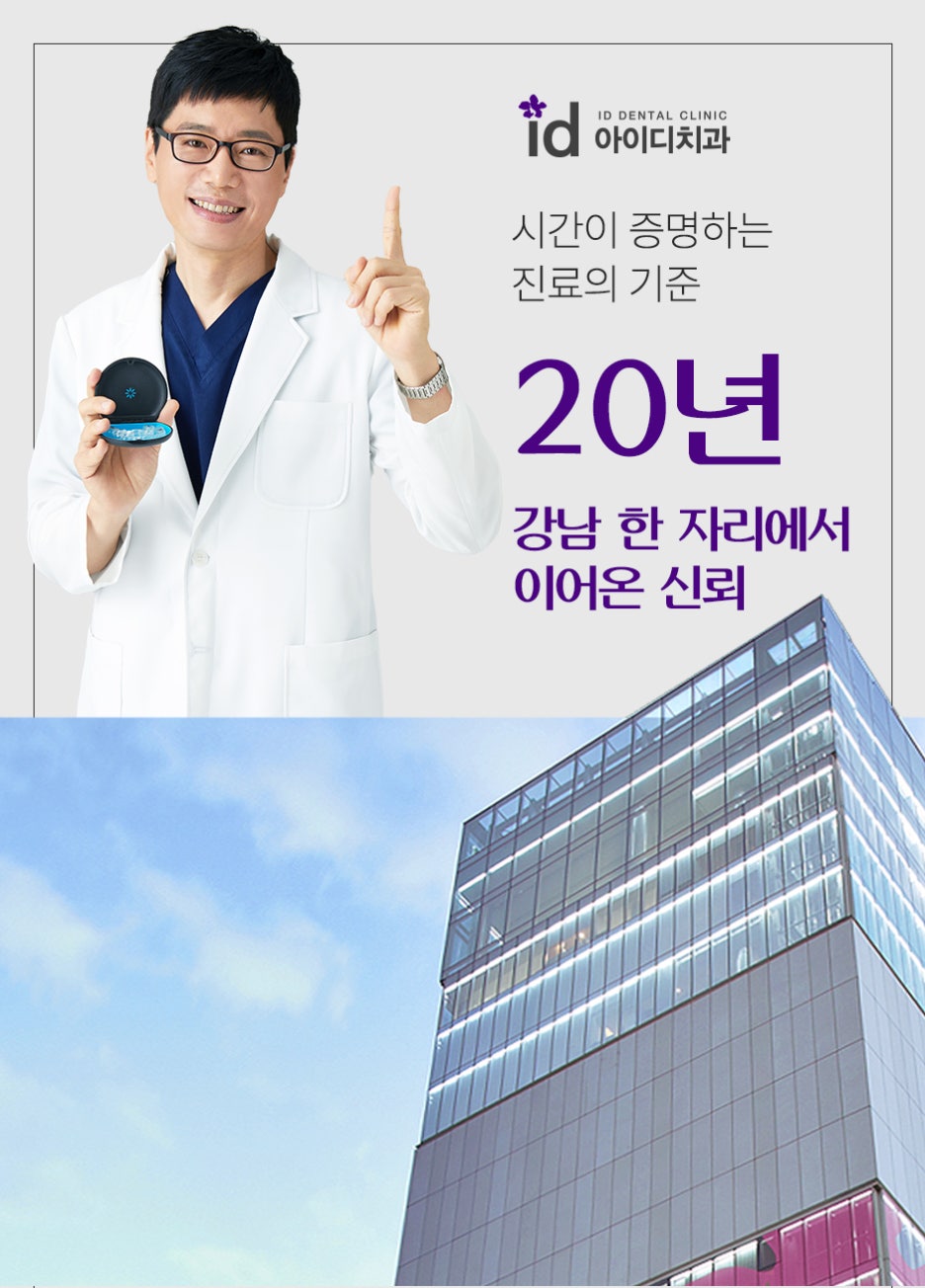
To pursue orthodontic treatment without an unsatisfactory result, you need to choose an Invisalign dental clinic in Sinsa-dong carefully.
The choice of your first dental clinic may influence the outcome.
Considering that you will also need regular maintenance visits after treatment, a clinic with a long history may be a good choice. The clinic must be stably operated to provide long-term treatment.
I hope today’s summary has provided useful information, and I will conclude this post here.






Previous image
Next image









Previous image
Next image









Previous image
Next image