Hello, this is Dr. Jo Hyun-woo from 입체성형외과.
Today, I’d like to talk about the fixation pins used in facial contouring surgery.
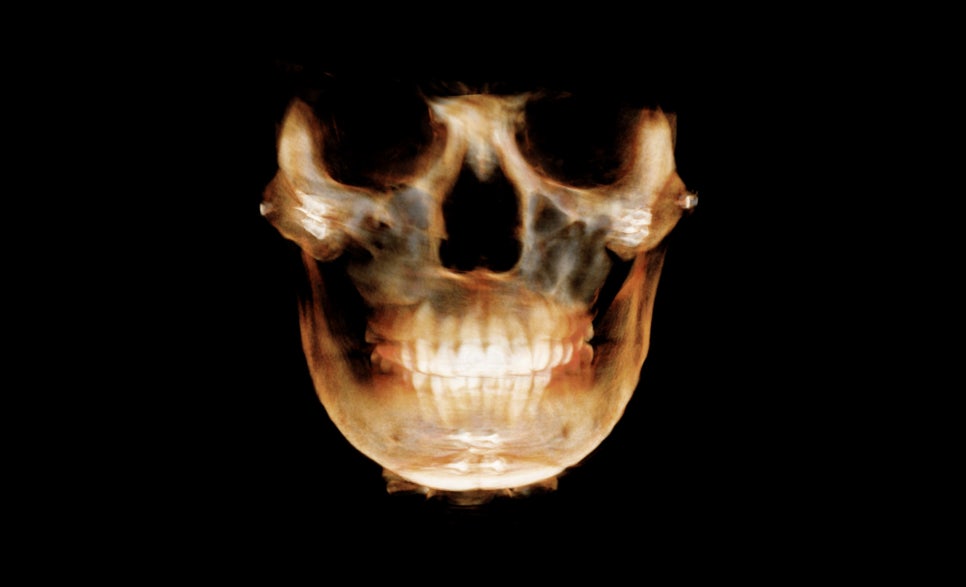
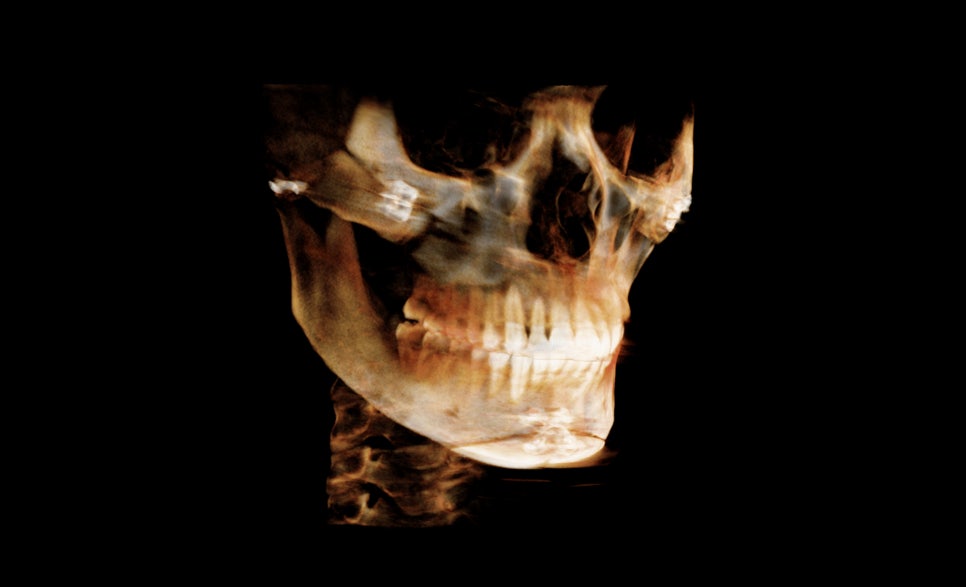
The photos above are CT images of a patient who underwent facial contouring surgery.
There are four pins placed front and back in the cheekbone area, and fixation pins are positioned in the T-osteotomy area of the chin.
Because the bone has been completely cut, fixation pins are used to help the bones fuse back together.
Since our bones are almost fully fused after about six months, you can think of fixation pins as providing temporary support to help the bones heal until then.
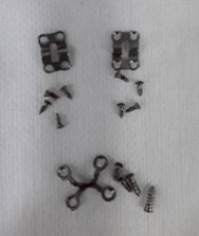
Fixation pins are made of titanium, which is the same material used for dental implants.
It is a safe material that is commonly used in procedures such as heart stents.
Many people worry about whether they will trigger airport security scanners or metal detectors, but
fixation pins are non-magnetic, so they cannot be detected by metal detectors. You do not need to worry.
So, do fixation pins have to be removed?
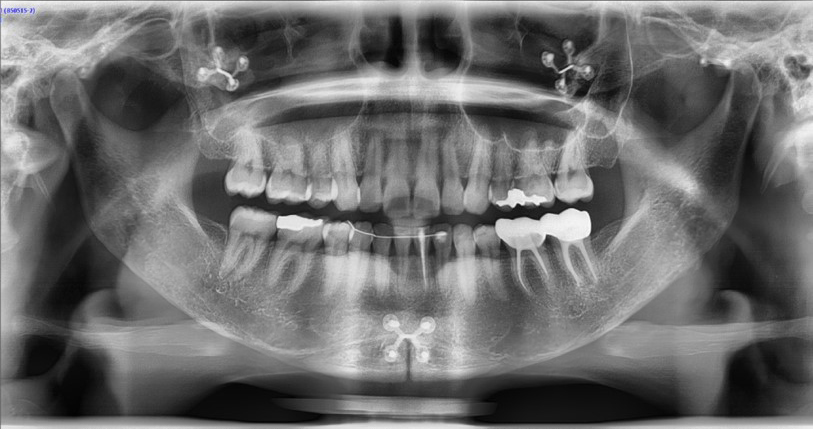
In fact, if the fixation pins being visible on X-rays does not bother you and you do not feel any discomfort, there is no need to remove them.
However, if you do not like seeing the pins on X-rays during dental treatment and feel concerned about them, they can be completely removed through pin removal surgery.
Sometimes, if a long time has passed after facial contouring surgery, bone may grow over the fixed pins, and in such cases the pins may not be able to be removed 100%.
Therefore, if you definitely want the fixation pins removed, it is best to have them removed between 6 months and within 1 year after surgery, which is the period it takes for the bones to heal.
I will show you before-and-after photos of a patient after pin removal.
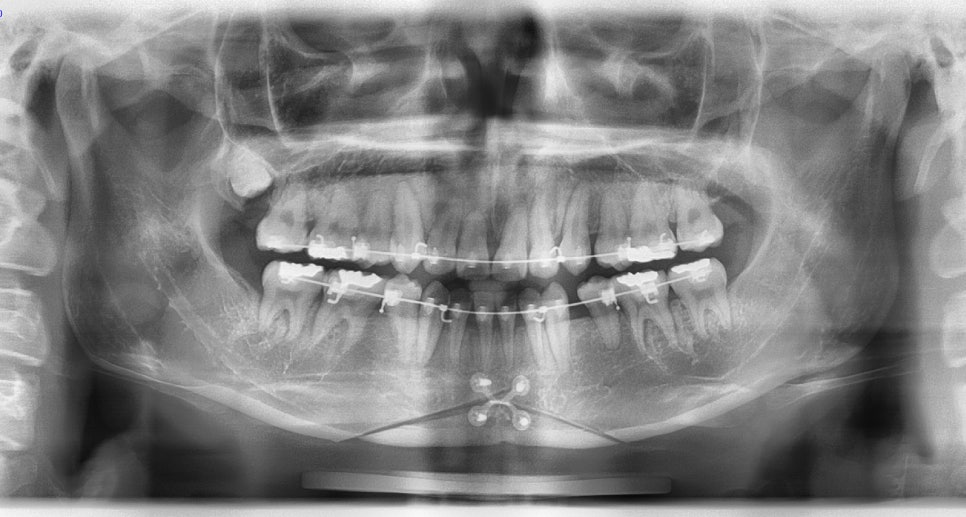
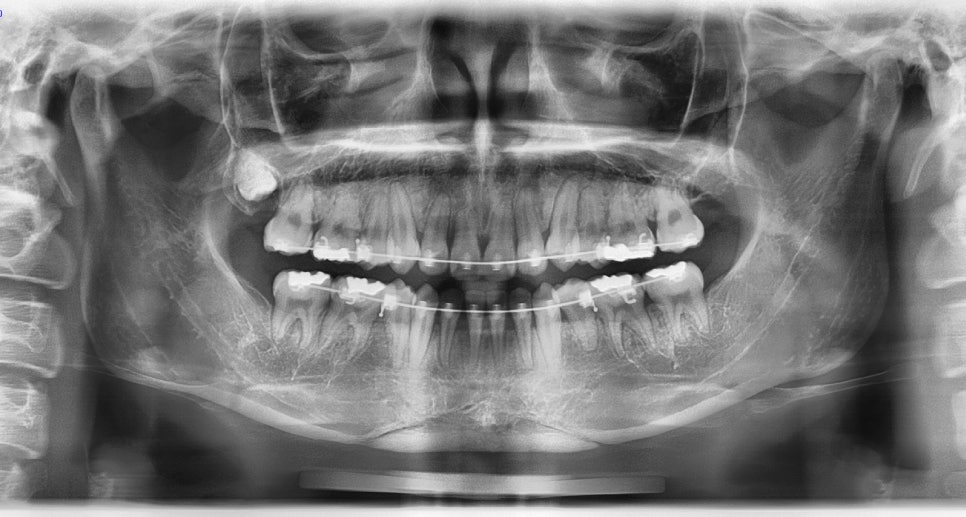
Before/after chin fixation pin removal surgery
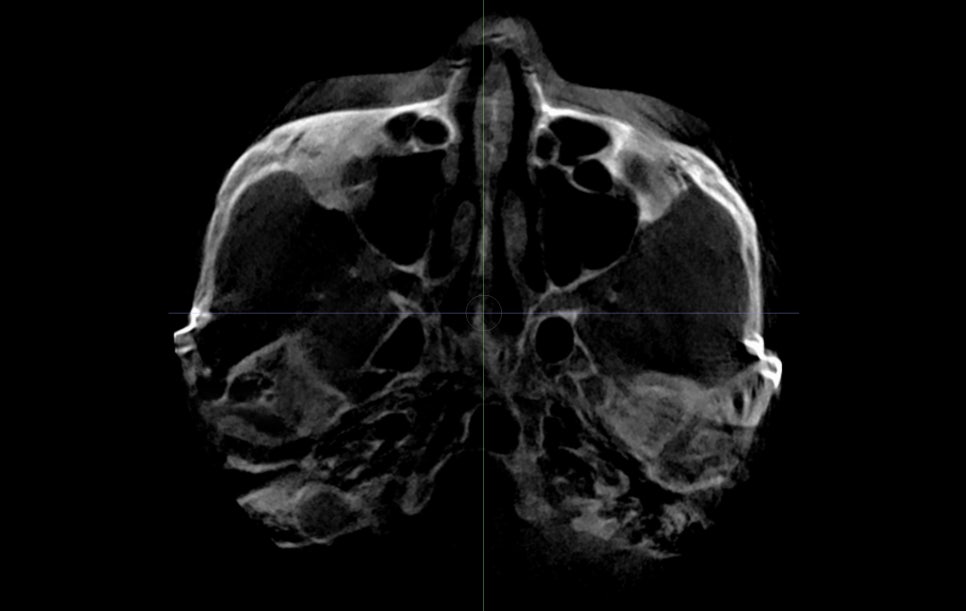
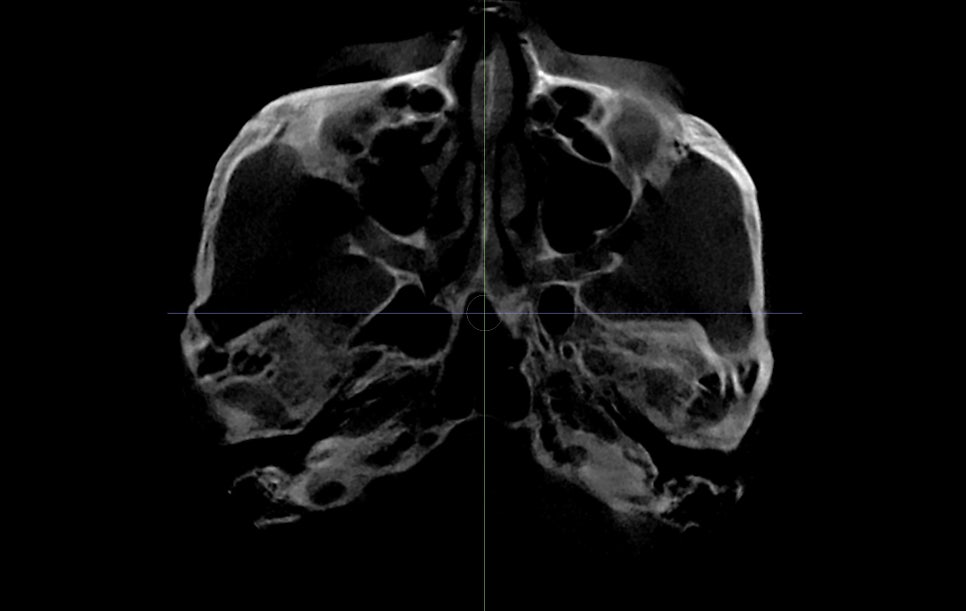
Before/after shaving after posterior cheekbone removal
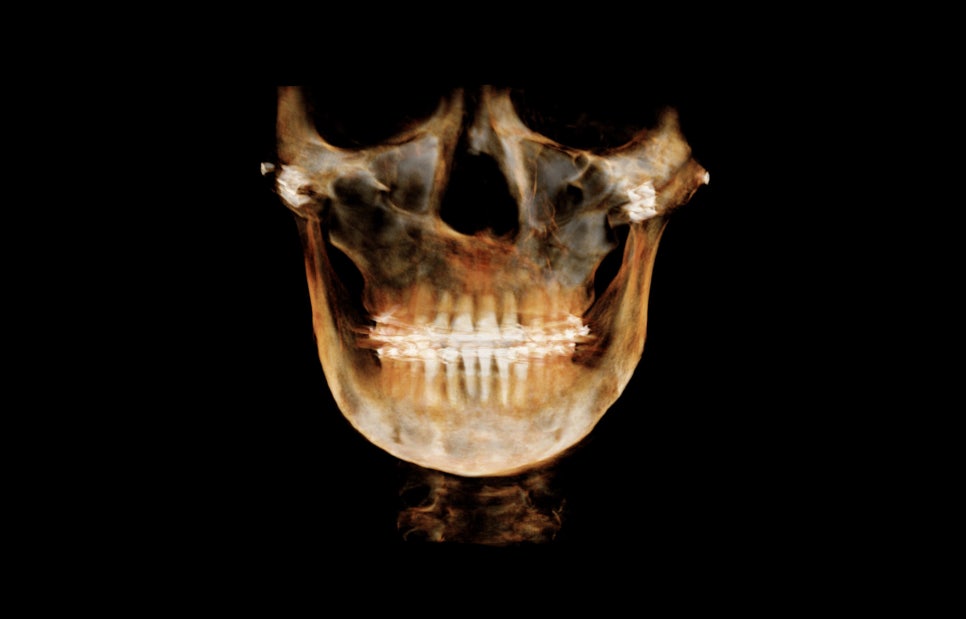
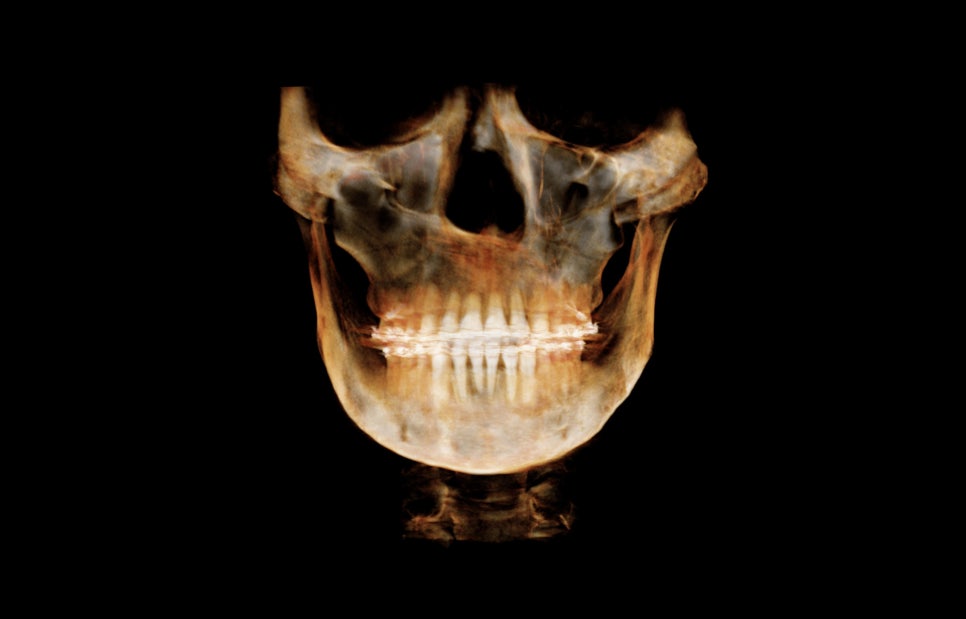
Before/after 45-degree cheekbone fixation pin removal surgery
As you can see in the photos, the fixation pins were removed, and the face returned to a clean bone contour.
Fixation pin removal surgery is not as major as the first surgery, but it does require a reopening of the oral incision under sedation anesthesia. Still, it is a way to resolve stress about visible hardware.
In some cases, absorbable pins are used.
In my practice, absorbable pins are used for the posterior fixation of the cheekbone, where the masseter muscle does not exert much force. In such cases, you do not need to have them removed, so there is no need to worry about X-rays.
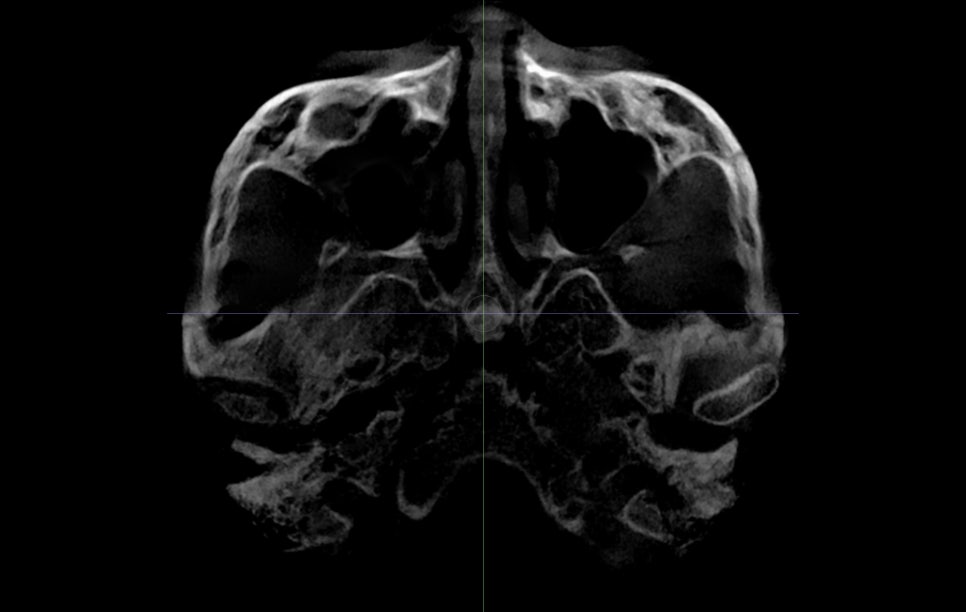
(Left) Posterior fixation using absorbable pins (Right) Posterior fixation using titanium pins
Fixation pin removal is not a procedure that absolutely has to be done.
However, if you want them removed, they can be removed without much difficulty. So if you are worried about pins remaining in your facial bones, I recommend not waiting too long and having the removal surgery done.
Thank you.