Hello. I’m Dr. Jo Hyun-woo of Lattice Plastic Surgery.
Recently, sayings like “If you get facial contouring, cheek sagging will happen 100%,” and “If you have facial contouring surgery, you have to live with lifting procedures for the rest of your life” have been circulating, and cheek sagging seems to have become an unavoidable label attached to zygoma surgery and facial contouring surgery.
Among people who come for zygoma surgery or facial contouring consultations, more than 90% ask about cheek sagging.
So today, I’d like to talk about cheek sagging after facial contouring, as well as side effects of zygoma surgery.
Does cheek sagging happen after facial contouring or zygoma surgery?
First, as I mentioned in a previous post about side effects, any surgery that pushes bone inward or removes bone involves some degree of sagging.
When bone is pushed inward or removed, an empty space is created where the bone used to be, and the remaining tissue descends due to gravity.
Since this is surgery done to become more beautiful, it would not be a procedure that should be done if the cheeks sagged, right?
However, under the condition that there are no exceptional problems with the skin tissue and the surgery has been performed properly, the sagging mentioned here is usually at a level that is difficult to confirm with the naked eye.
What people refer to as “facial contouring cheek sagging” probably means a state in which the skin has visibly moved downward after surgery.
The causes of this noticeable facial contouring cheek sagging are:
- Cases where there was actually a problem with the surgical procedure, and
- Cases where the patient’s skin tissue condition made cheek sagging likely, but this was not predicted in advance.
In the case of 3D zygoma surgery, which involves osteotomy of the 45-degree zygoma, the cut zygoma must be firmly fixed after surgery.
If it is not properly fixed, the osteotomized zygoma cannot adhere well, and as time passes after surgery, the gap between the cut bones gradually widens and the zygoma moves out of position. In this case, the surrounding skin and muscles also descend along with the bone, making the skin appear saggy downward.
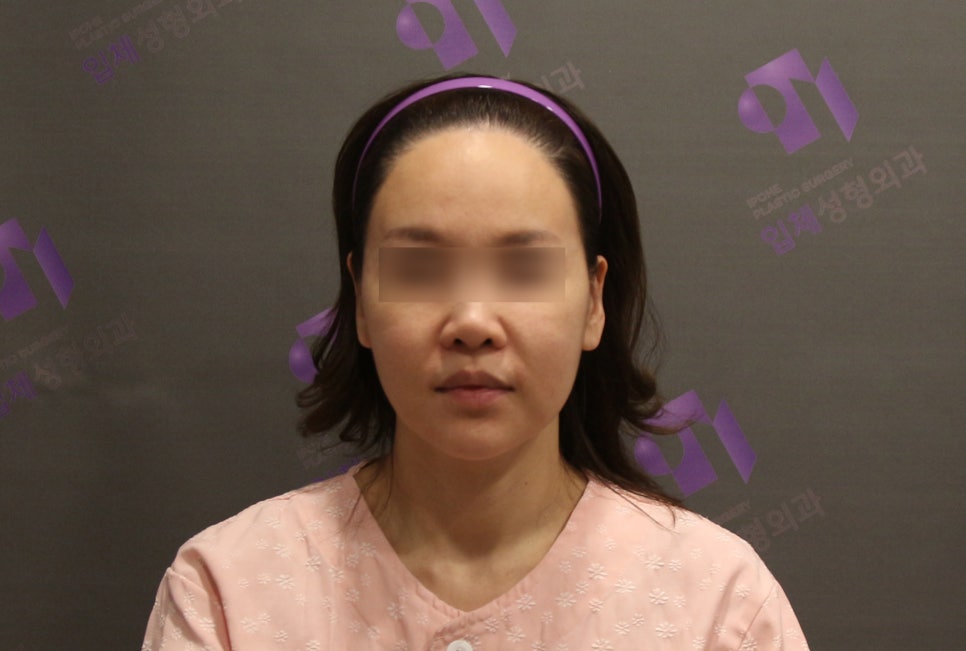
Patient undergoing zygoma revision surgery, recurrence and cheek sagging
This is a photo of a patient who came to us for revision surgery after surgery at another hospital.
In the photo, you can see cheek sagging around the Indian line area and the nasolabial fold area.
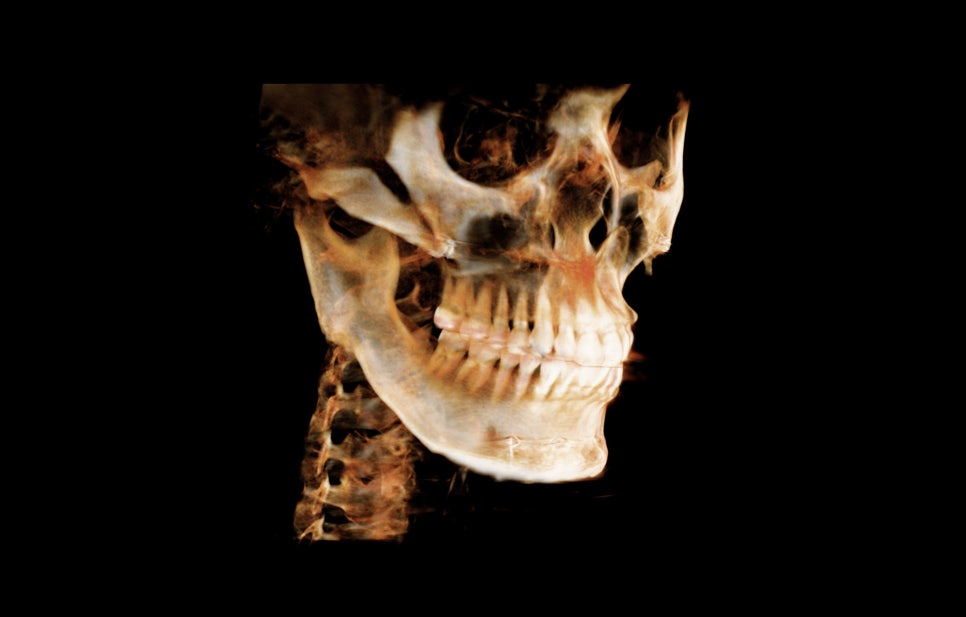
Side effects of zygoma surgery, nonunion and cheek sagging
Looking at the CT scan, the zygomatic bones are not joined together and have dropped downward.
In fact, after facial contouring surgery, cases of “nonunion,” where the bone does not adhere, are more serious than cheek sagging.
Through revision surgery, the bone, which is the underlying cause, must be brought back into its proper position.
If nonunion occurs, pain is felt at the separated area, and because you may feel the bone moving when chewing, you must visit the hospital as soon as possible so it can be properly fixed and the bone can join again.
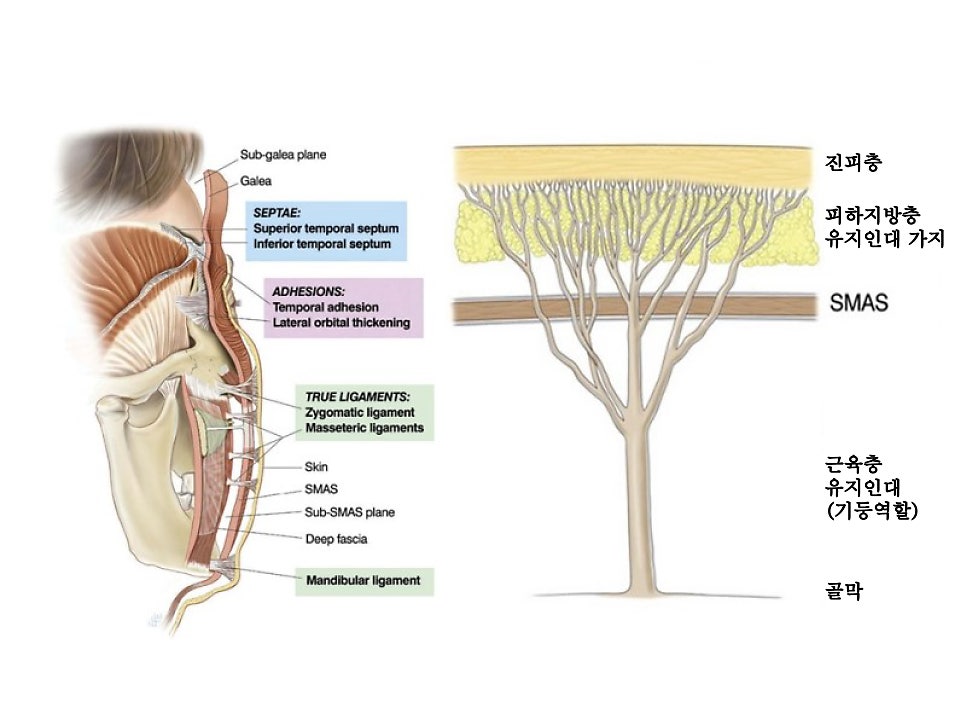
Problems also arise when the retaining ligaments and muscles of the face are dissected beyond a certain extent during surgery.
To put it simply, retaining ligaments and muscles play the role of attaching our skin to the facial bones. If they are damaged, the force that pulls up the skin becomes weaker.
Therefore, care must be taken during surgery not to damage the retaining ligaments and muscles, and if dissection goes beyond what is necessary, cheek sagging is more likely to follow.
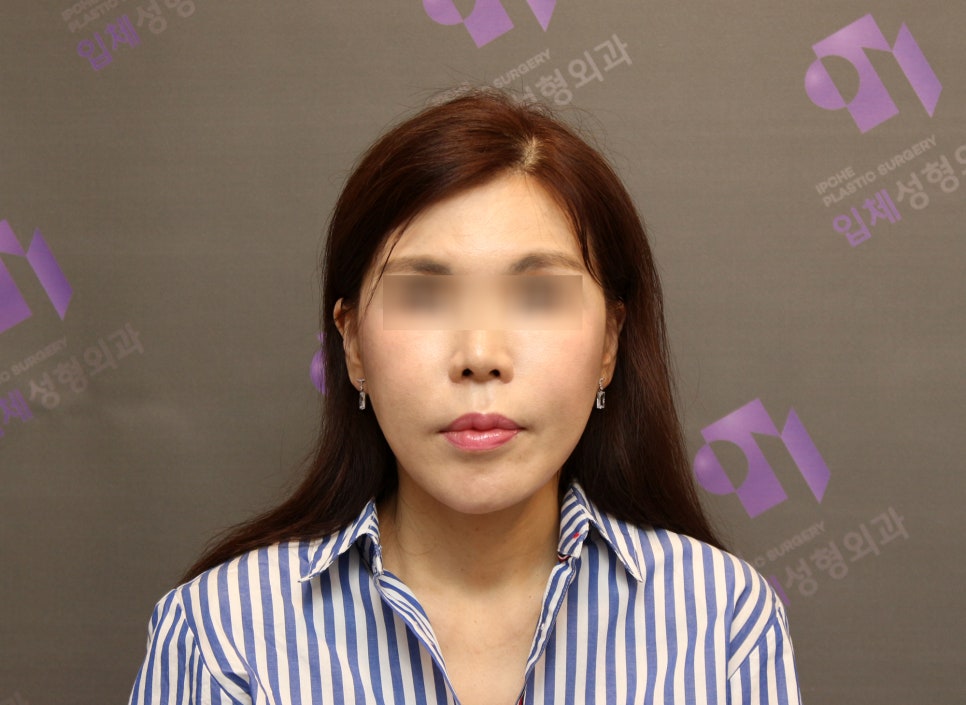
After zygoma revision surgery
When is cheek sagging more likely to occur?
Cheek sagging can also occur depending on skin elasticity.
If skin elasticity is weak, sagging is often already present, and the likelihood of sagging after surgery increases.
In patients who develop cheek sagging after zygoma surgery, the area above the nasolabial folds, above the Indian lines, and the cheek tissue usually descends.
By checking the condition and elasticity of the skin tissue in these areas before surgery, we can assess the possibility of cheek sagging afterward.
I’ll show you an actual patient photo.
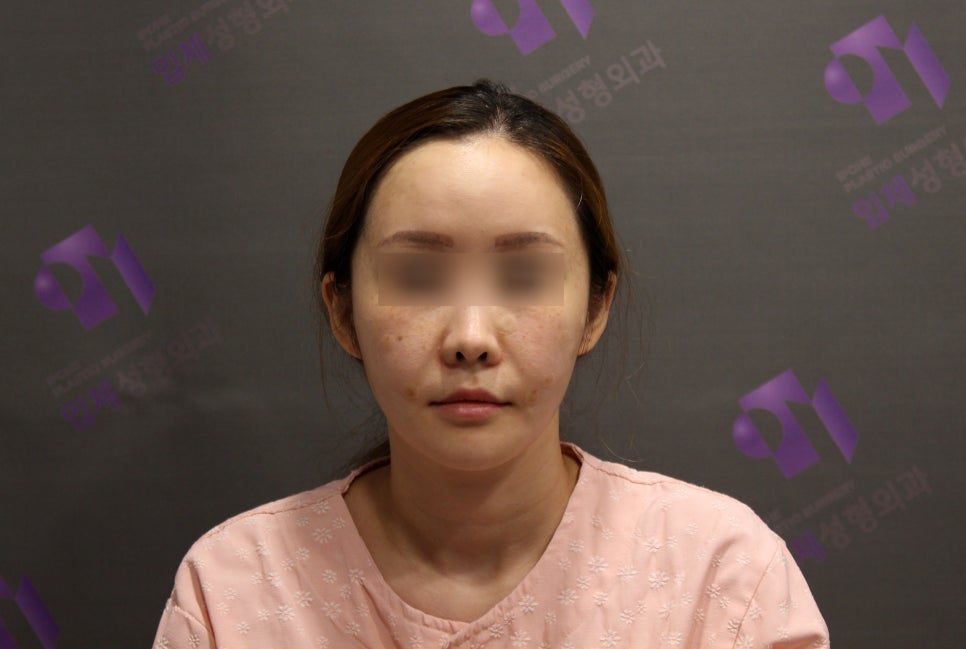
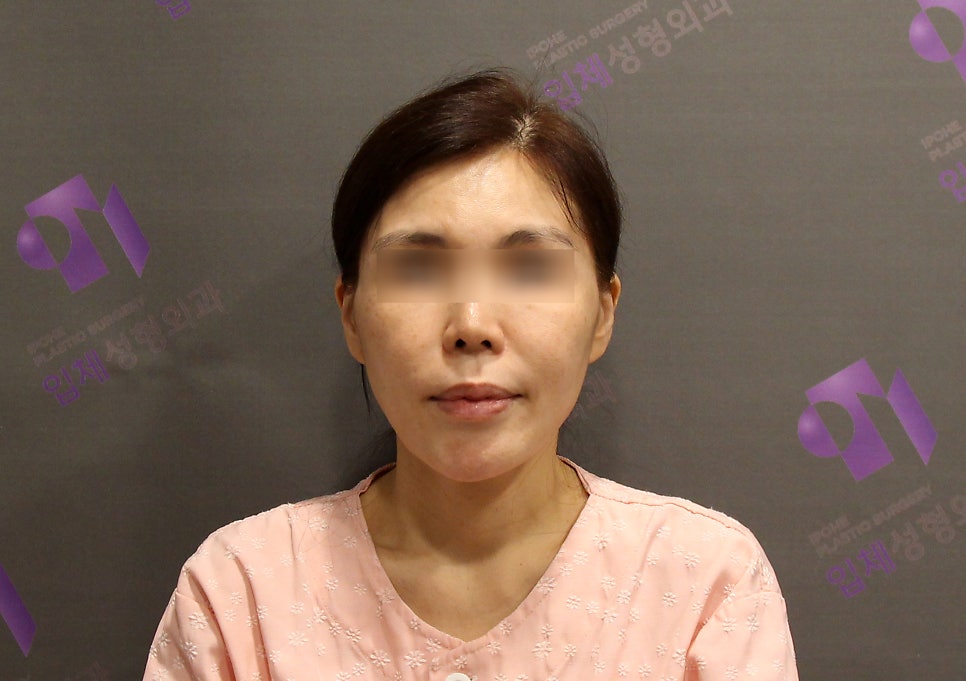
Before zygoma surgery
This is a preoperative photo of a patient who underwent zygoma surgery at Lattice Plastic Surgery.
As you can see in the photo, the Indian line and nasolabial fold areas mentioned above are already sunken.
If sagging is already present before surgery, there is a greater risk that it will become more severe after facial contouring surgery.
What should be done in cases where sagging is likely to occur?

After zygoma surgery
In the case of the patient above, during zygoma surgery, an upward close fixation was performed to pull the muscles and periosteum together, and deep cheek fat removal and lifting procedures were performed in combination.
This photo was taken during a follow-up visit 6 months after zygoma surgery.
With lifting and deep cheek fat removal, the overall facial sagging that had been visible before surgery can be seen to have improved significantly.
Because the muscles and periosteum were pulled together, no sagging is visible in the zygoma area either.
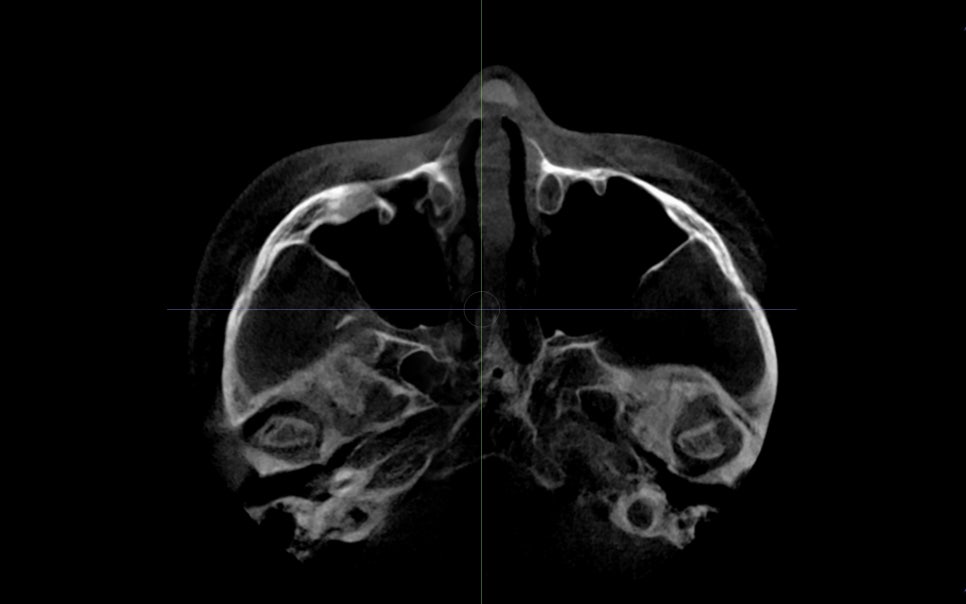
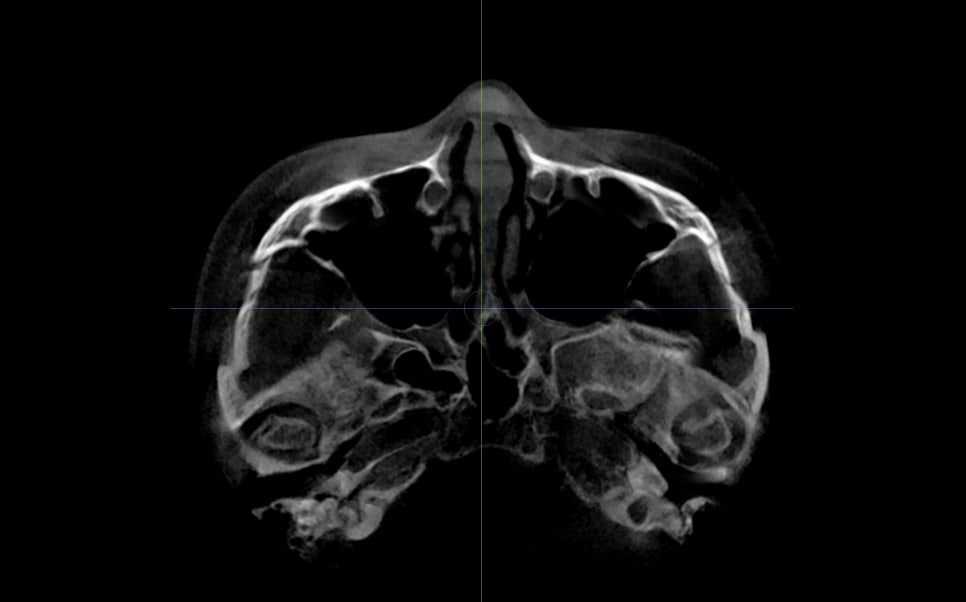
CT before and after zygoma surgery
If skin elasticity is low like this, combining procedures such as liposuction or laser tightening can help address cheek sagging and skin sagging.
Today, we first looked at cheek sagging after zygoma surgery, one of the side effects of facial contouring.
Before surgery, I recommend visiting at least two or three hospitals and making the right decision after 충분히 consulting.
Thank you.