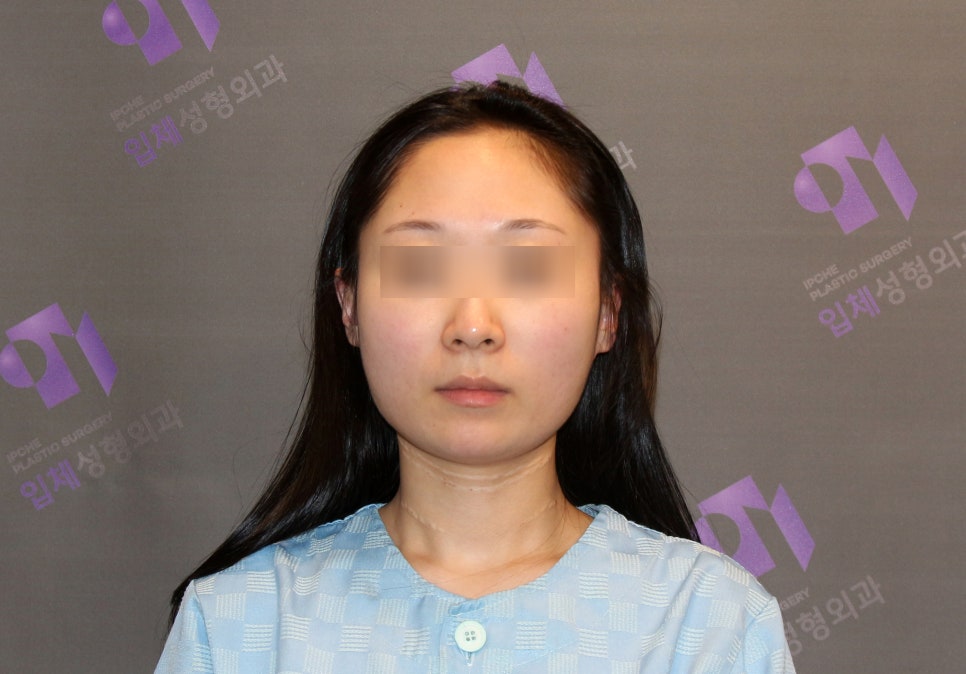
Before three-type contouring surgery
Hello, this is Dr. Jo Hyun-woo from Inpi Plastic Surgery.
You may have seen people in online communities say, ‘Facial contouring causes sagging 100%,’ or ‘As you age, your whole face will collapse.’ I think one of the biggest concerns for people preparing for contouring surgery is also facial contouring-related sagging.
Many patients are very worried about sagging after facial contouring.
If you are hesitating because you are worried about sagging if you have surgery, but feel frustrated if you do not, and are just searching for information here and there, I think this post may be a little helpful.
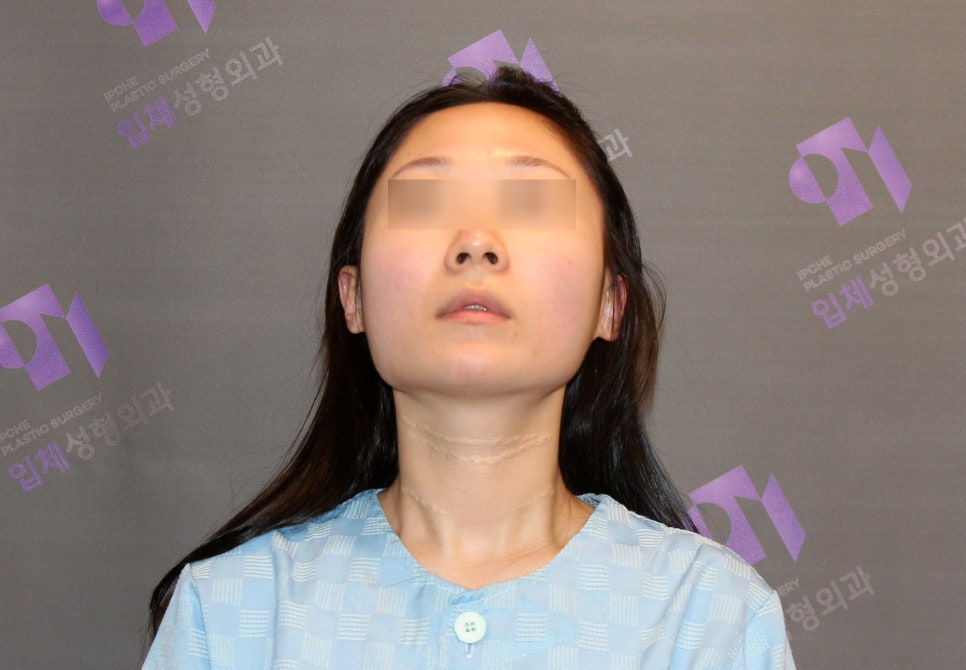
Before three-type contouring surgery
Many people say that sagging generally means, ‘Someone around me had facial contouring, and now, a few years later, their face has all drooped down,’ or ‘Facial contouring must cause the skin to sag because the facial retaining ligaments are cut.’
In other words, it is the kind of logic that says, ‘Because person A experienced this, B must be true,’ or ‘Because A happens, B happens.’
You can see that sagging is often concluded to be inevitable based on very limited cases and logic.
However, as I mentioned in a previous column, sagging after facial contouring is the result of many different causes being interconnected.
The causes of sagging can include the patient’s skin condition, damage to the retaining ligaments and muscles, and the amount of bone removed.
There are many factors that can cause sagging after facial contouring, but one factor can be offset by another, and sagging can also occur due to yet another variable.
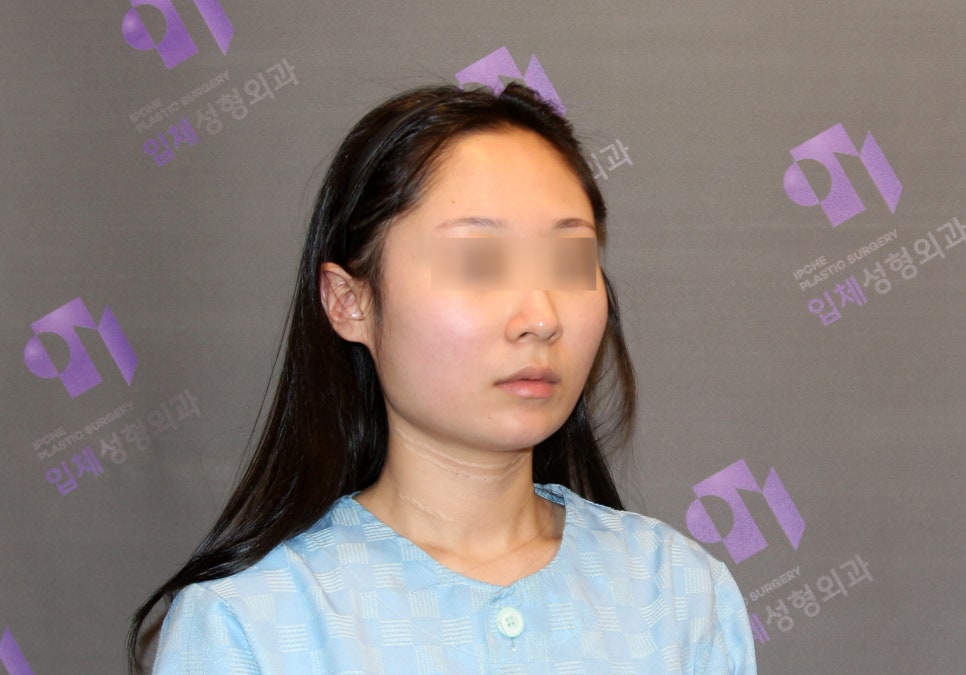
Before three-type contouring surgery
To give a simple example, if the amount of bone removed is large, the remaining tissue will be pulled downward by gravity, but each patient’s skin elasticity may offset that. Conversely, even if the amount removed is very small, sagging can still occur due to another cause.
In conclusion, sagging after facial contouring does not appear from a single cause, nor can it be explained by a single line of reasoning. It is not as simple as saying, ‘Because an intraoral incision was made,’ or ‘Because the retaining ligaments were damaged.’
That is why I want to say that statements such as, ‘Facial contouring surgery always causes sagging,’ or ‘Sagging occurs during cheekbone surgery because the retaining ligaments are cut,’ are not correct and are very exaggerated logic.
So far, I have explained that sagging after facial contouring does not inevitably happen from a single cause.
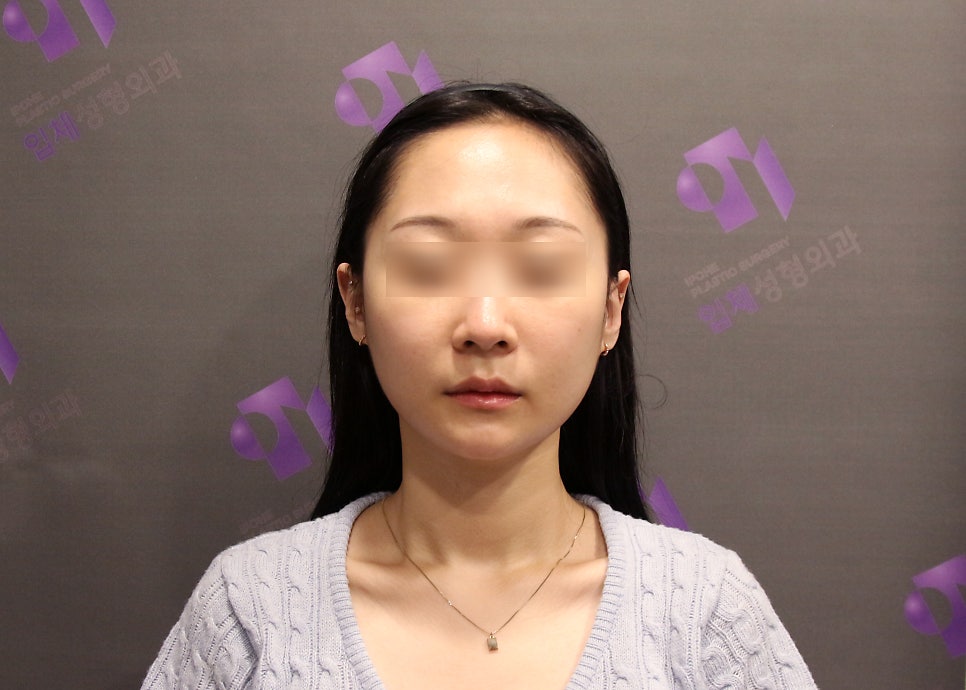
About 6 weeks after three-type contouring surgery
I also see various clinics explaining sagging through YouTube and other media.
Sagging can be prevented through accurate diagnosis and surgery.
However, I think saying, ‘Because our clinic does X, sagging will never happen’ is the kind of promotional statement that sounds persuasive only to patients.
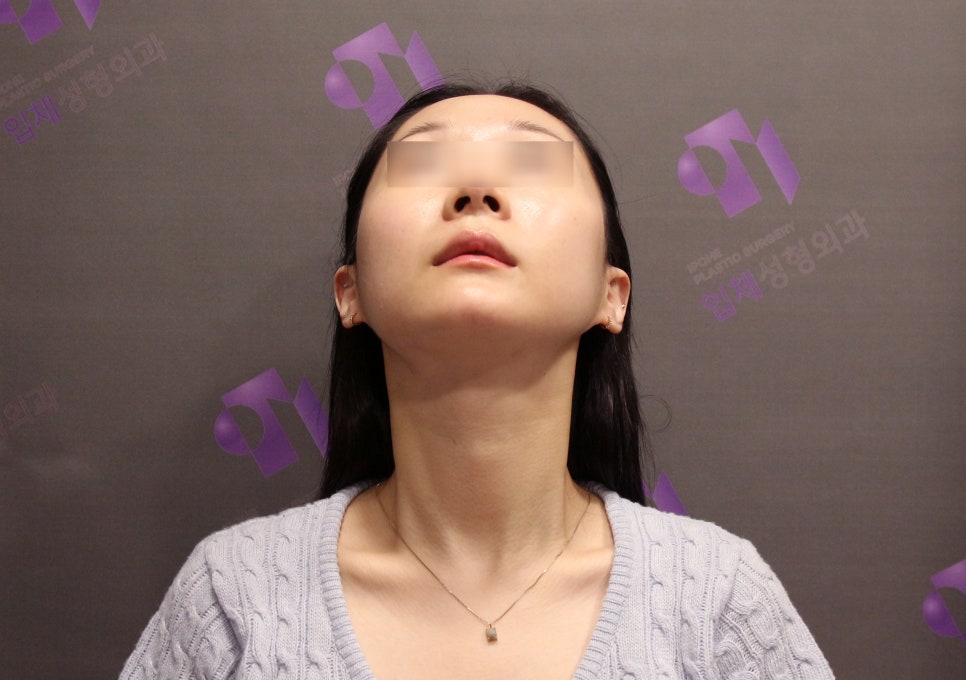
About 6 weeks after three-type contouring surgery
To say it again, it is wrong to say that facial contouring sagging always happens. But it is also wrong to say that sagging can always be prevented.
Sagging is approached from a prevention standpoint rather than as a solution.
In general, it is only natural to adjust the amount of bone removed by taking skin condition into account, and to minimize damage to the retaining ligaments and muscles during surgery. Also, if the skin condition suggests a high likelihood of sagging, procedures such as lifting are performed together.
When surgery is performed this way, I have not seen cases so far in which sagging has occurred to a degree that the patient could recognize.
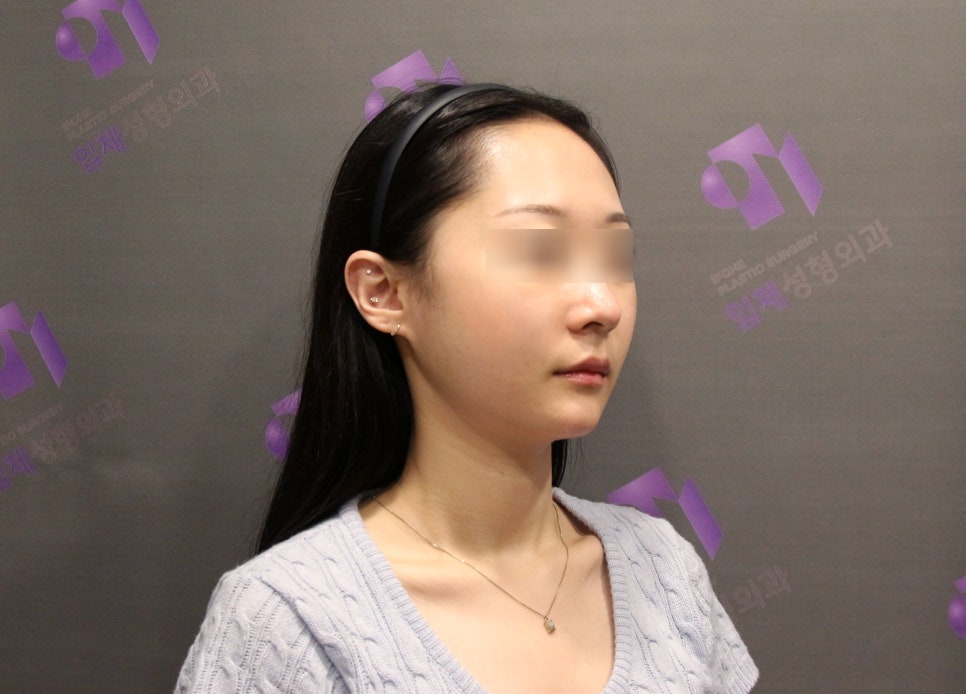
About 6 weeks after three-type contouring surgery
More than 90% of the things said online are posts where you cannot even tell who wrote them, and because individual cases are all over the place, in many cases what is written does not even apply to the person reading it.
I want to tell those who have had surgery that you do not need to be overly anxious about these kinds of posts.
Thank you.