Hello, I’m Dr. Jo Hyun-woo of Libeut Plastic Surgery.
I have talked about sagging after contouring surgery in several columns,
and today I will talk about sagging in the lower jaw area.
Not only after contouring surgery, but also among people who have not had contouring surgery, there are many cases where the jawline along the lower jaw is not distinct.
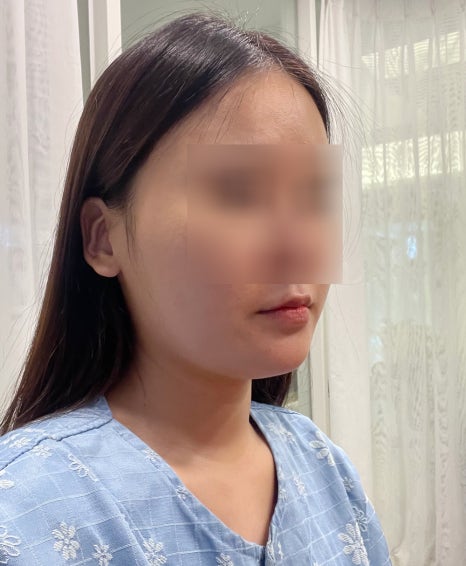
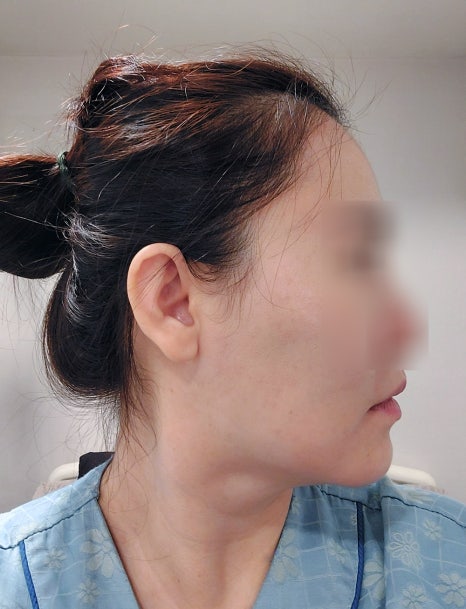
An indistinct jawline before surgery
However, if your jawline was fine before surgery but after surgery it is no longer clearly visible due to reduced bone volume, many people become concerned.
Depending on the case, improvement can often be achieved with liposuction and thread lifting using Elastigum.
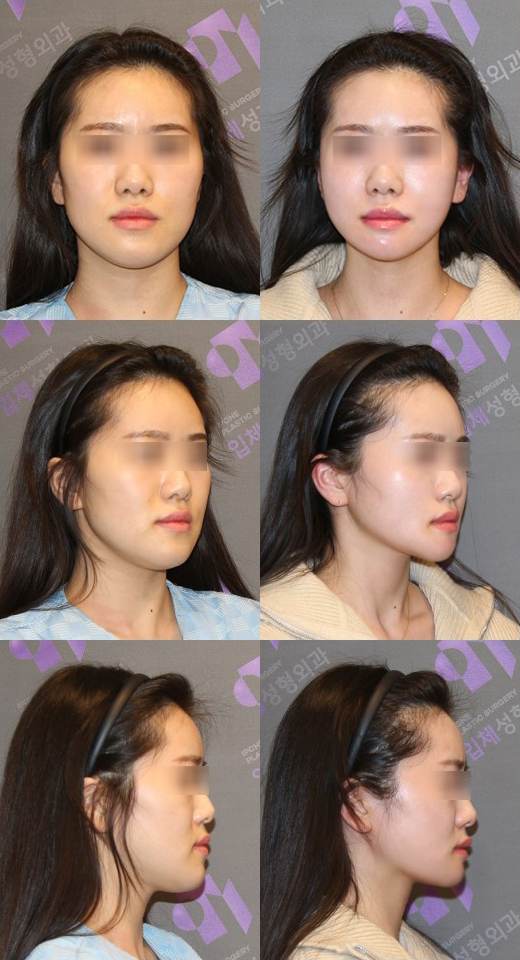
Case 1 of contouring surgery combined with double chin liposuction (when the facial skin has good elasticity and there is only a lot of fat)
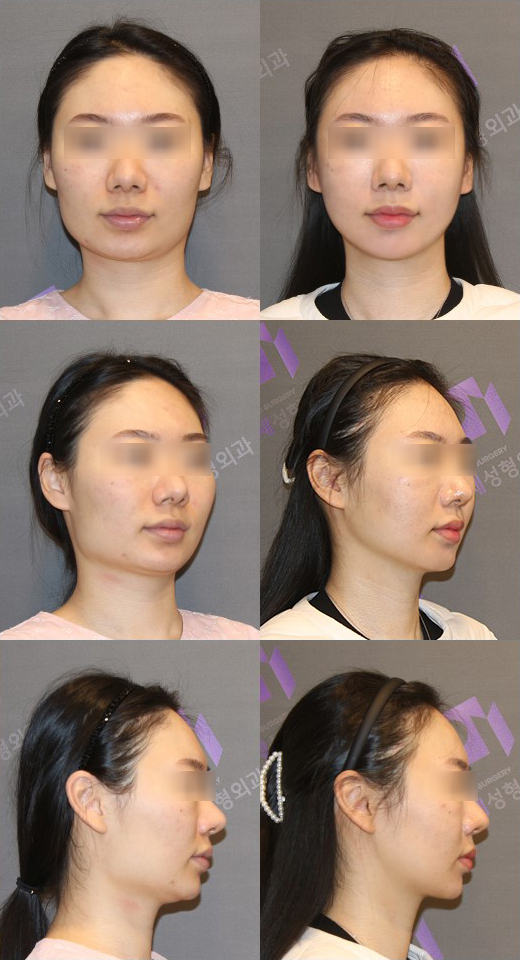
Case 2 of contouring surgery combined with facial liposuction (when the facial skin has good elasticity and there is only a lot of fat)
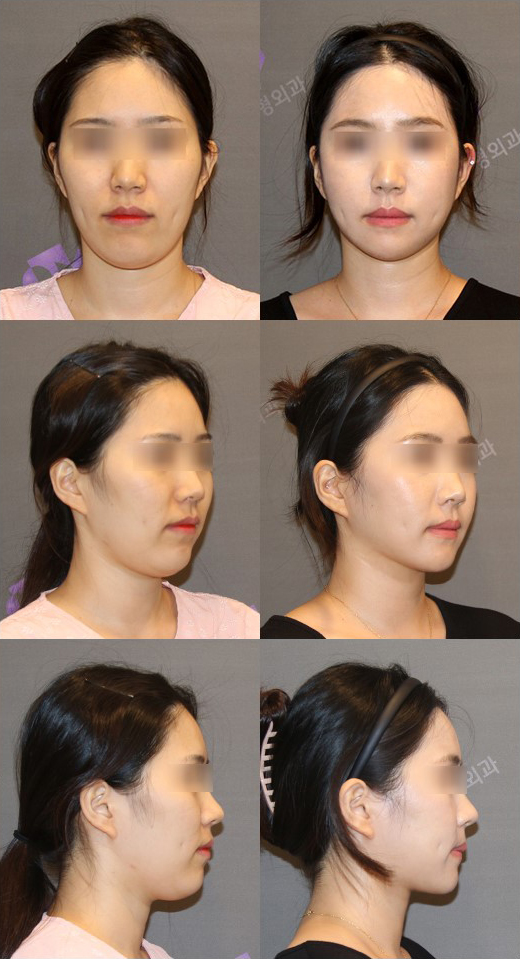
Case 3 of contouring surgery combined with double chin liposuction (when the facial skin has good elasticity and there is only a lot of fat)
When the facial skin has good elasticity and there is only a lot of fat, good results can also be achieved with liposuction.
However, if the skin elasticity is not good or the amount of fat is not large, liposuction may not be effective.
In such cases, lifting surgery is performed using a thread called Elastigum.
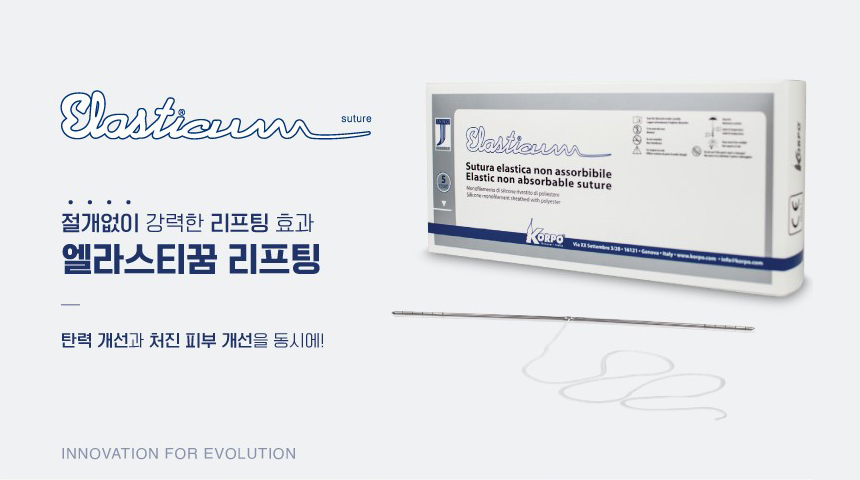
Elastigum lifting is a type of thread lifting. Unlike existing lifting threads, it is made of a highly elastic material, and when inserted into the skin, it acts similarly to a human ligament, creating an elastic effect that pulls and lifts the outer and inner layers of the skin.
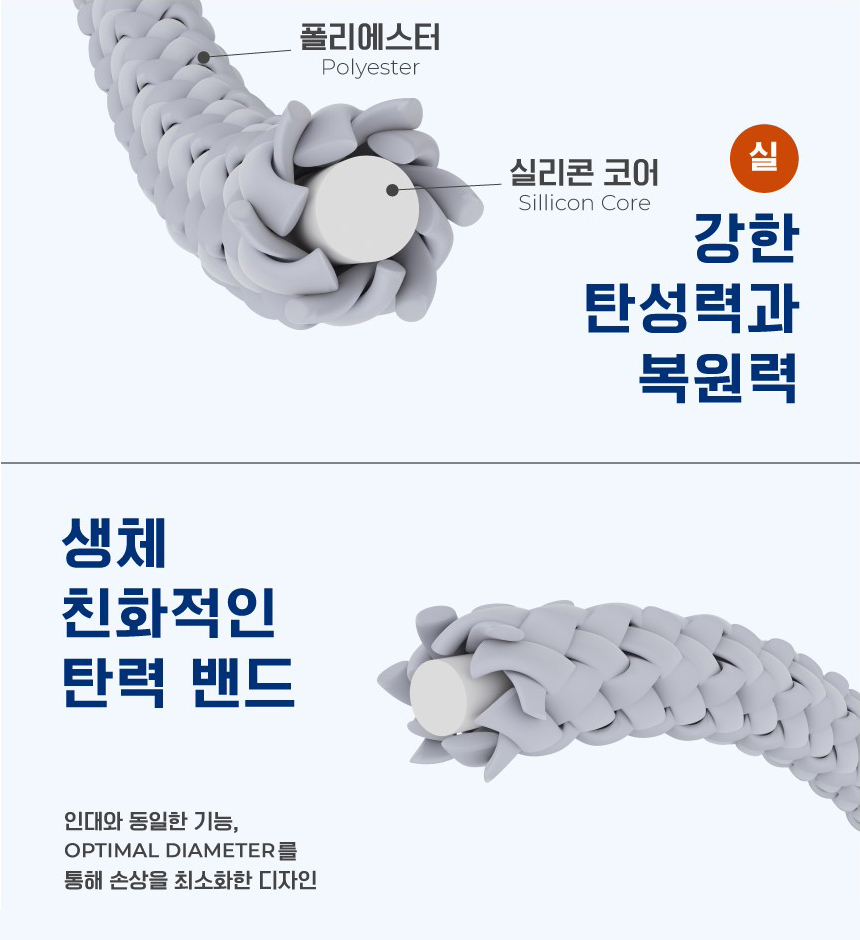
As shown in the figure above, unlike conventional PDO threads, Elastigum has a polyester exterior and a silicone core inside.
Because it is made of silicone, which we are familiar with, it has excellent elasticity.
Another advantage is that because the silicone core does not dissolve over time, the lifting effect can last for more than 5 years.
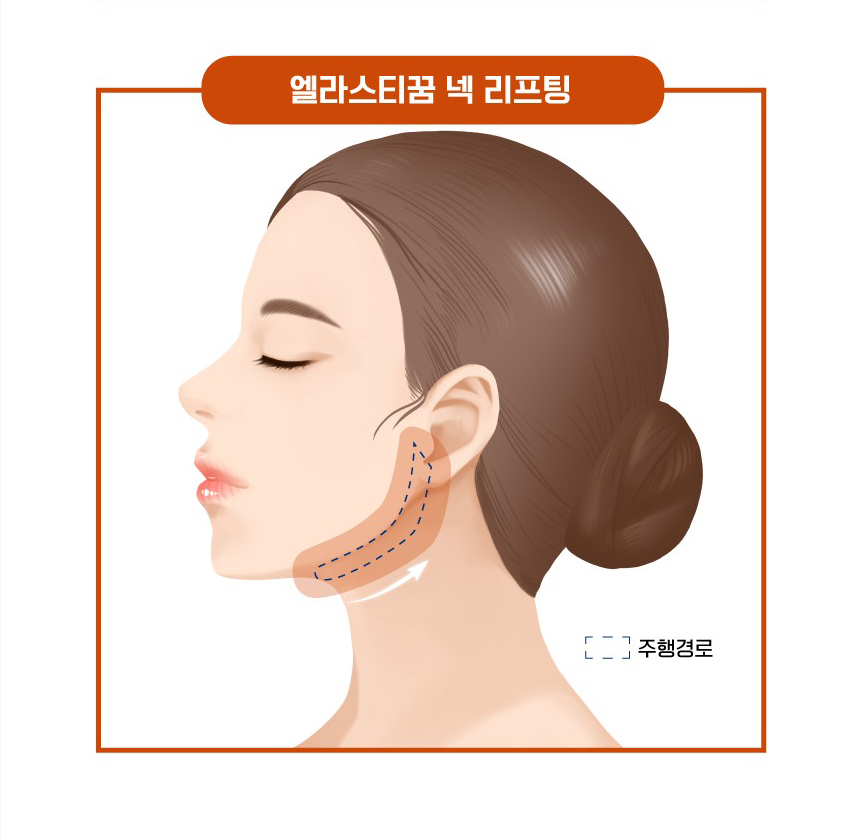
Elastigum neck lifting uses a small incision of about 5 mm behind the ear to place the thread and pull the sagging skin upward, as if drawing it up.
Although this may vary slightly depending on the surgeon, in my case I increase the effect by performing a small amount of liposuction at the same time, and I minimize dissection so that the sagging skin can adhere upward.
I will show you photos of patients after surgery.
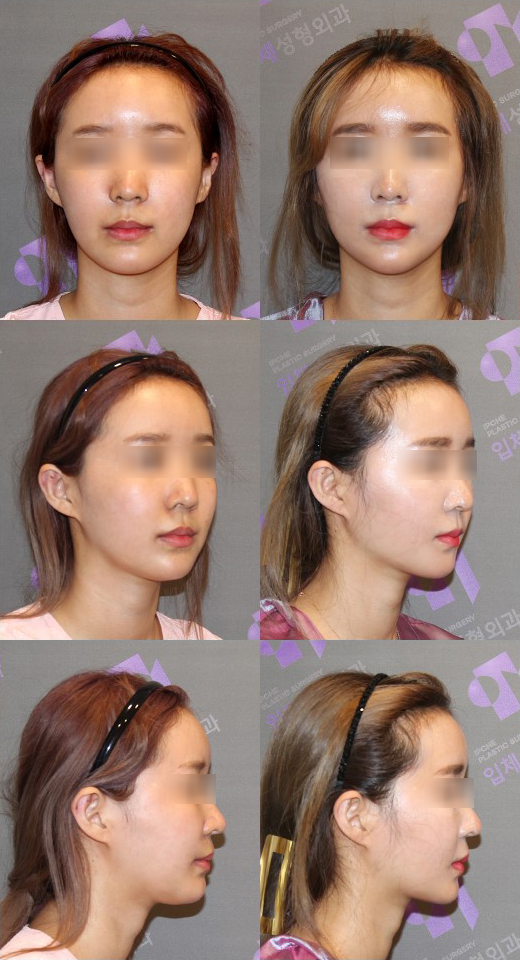
Elastigum neck lifting case 1
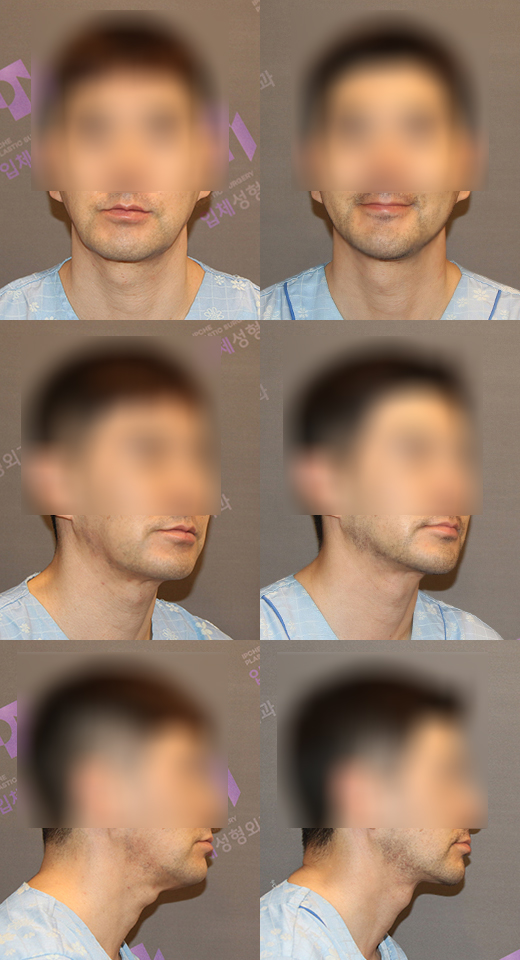
Elastigum neck lifting case 2
As you can see from the before-and-after photos, the jawline that was not visible from the side has been greatly restored.
Elastigum threads have now been in use for about 5 years, and when looking at patients’ progress, there are many cases where the results are still being maintained well.
In general, if you think of dissolvable PDO threads as lasting about 6 months to 1 year, there may be differences in cost when considering elasticity, natural-looking results, and duration, but overall it may be a better choice.
I think the downside of Elastigum threads is that they require a lot of experience.
Because they have excellent elasticity, the thread moves back and forth a great deal while pulling the long thread all at once, so if there is not enough experience, dimpling or indentations can occur. Therefore, I think you can get good results if you receive the procedure from a surgeon with extensive experience.
Today, we looked into Elastigum neck lifting, which can help restore a collapsed jawline.
Even for people who have not had contouring surgery, if the skin sagging is severe, this kind of lifting procedure can be very helpful, so I hope this is useful information for many people.
Thank you.