Hello, this is Director Jo Hyun-woo of Imtchae Plastic Surgery.
Lately, while consulting with patients, I’ve found that many people have been asking about sinusitis.
Let’s take a look at why sinusitis can occur after cheekbone surgery and how it should be managed.
What Is Sinusitis?
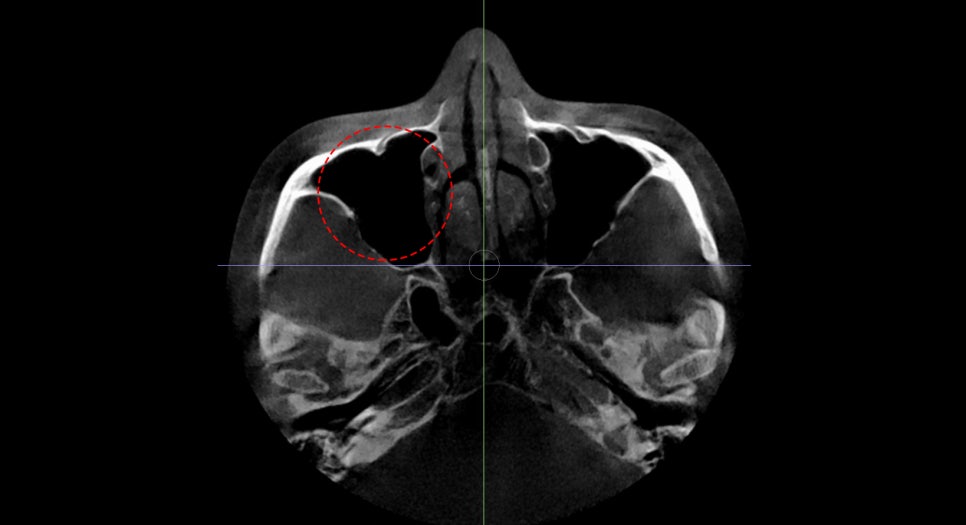
Location of the sinuses
The black areas seen like this on a CT scan are the sinuses.
The sinuses are large spaces within the facial bones and are located around the nose.
Air ventilation and secretion drainage take place in the sinuses. In sinusitis, blockage of this space and abnormal movement of the cilia can occur, and this can be caused by viruses, bacteria, tumors, a deviated septum, allergies, and other factors.
So why should sinusitis be a concern in cheekbone surgery?
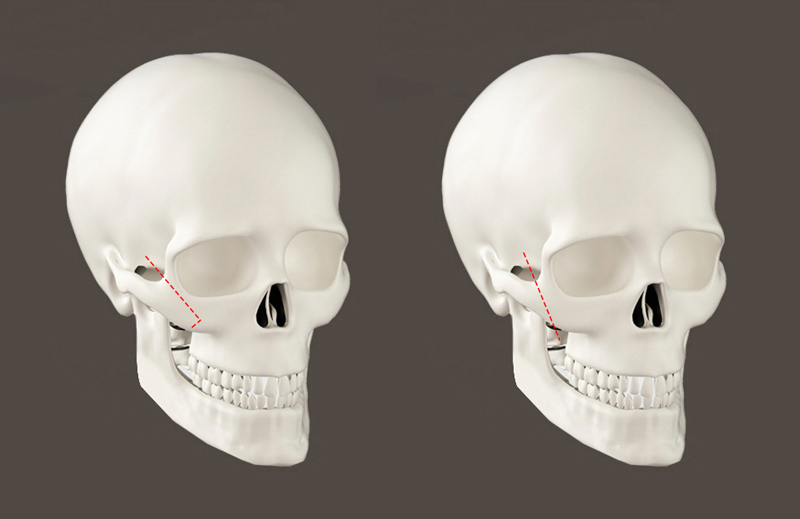
Cases where the sinus is opened depending on the osteotomy method (typically the L-shaped osteotomy method)
In general, when undergoing orthognathic surgery or cheekbone surgery, the osteotomy line passes through part of the sinus.
In such cases, the sinus can be opened.
However, the sinus opening does not mean inflammation will definitely occur.
During surgery, the area is thoroughly irrigated with antibiotics and completed carefully, so it cannot be said that inflammation will definitely occur simply because the sinus is opened.
However, postoperative inflammation can occur no matter how cleanly the area is irrigated, so bone fragments left inside may cause inflammation, and fixation pins may also cause inflammation.
Also, for patients who already have inflammation in the sinuses before surgery, inflammation may develop if the surgery is completed without irrigation and drainage.
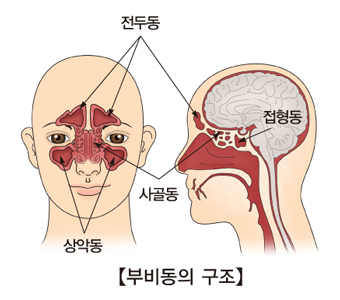
If sinusitis develops, it often improves after about 3 weeks of antibiotic treatment.
However, if sinusitis occurs after cheekbone surgery, the fixation pins inside may make the inflammation harder to treat, and in severe, long-lasting cases, the bone may even dissolve and disappear.
If yellow pus comes out through the nose after cheekbone surgery, or drains through the intraoral incision site, you should definitely suspect sinusitis and get it diagnosed.
Of course, after surgery, a small amount of irrigation fluid or skin debris may collect in the sinuses and then flow down into the throat, so there is no need to worry about that.
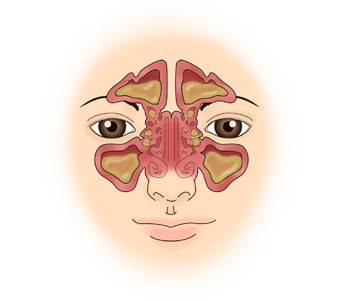
When acute sinusitis occurs, symptoms such as nasal congestion, runny nose, fever, and malaise appear, and yellowish pus may also drain from the nose down toward the back of the throat.
If the nose becomes severely blocked, you may lose your sense of smell, and there may also be an unusual smell coming from the nose. In severe cases, throbbing pain may develop around the cheekbones or forehead.
Tooth pain can also occur, leading some people to mistake it for a toothache.
Therefore, if you have these symptoms, it would be a good idea to get examined.
In fact, the number of patients who develop sinusitis after contouring surgery is so low that it is less than one person every few years.
However, it seems that surgery patients ask about it often because even a small possibility can be a concern.
The chance of sinusitis occurring is almost nonexistent, but even if it does happen, it can be resolved without problems through prompt treatment, so there is no need to worry too much.
Today, we looked into sinusitis, which is considered a side effect after cheekbone surgery.
Thank you.