Hello, this is Dr. Jo Hyun-woo of Sibyeol Plastic Surgery.
Today, I’ll talk about the standard fixation pins and absorbable pins used in facial contouring surgery.
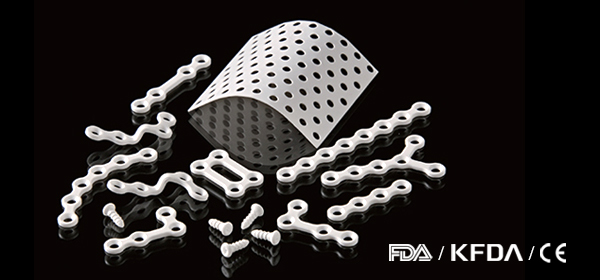
Absorbable plate
The absorbable pins used in contouring surgery are made of a sugar-based material similar to some components in the body. Their biggest feature is that they break down over time and are absorbed into the body. About six months after surgery, they are absorbed by the human body, so there is no need to remove them.
On X-ray, the pins are not visible, so many people who dislike having fixation pins show up during dental treatment or X-rays of other facial areas choose this type of pin.
However, absorbable pins also have drawbacks.
Because absorbable pins are weaker than titanium, there is a risk that they may break, and they are also difficult to apply in delicate surgery.
Above all, absorbable pins are very expensive, so depending on the surgery, the cost may increase by up to about 30%.
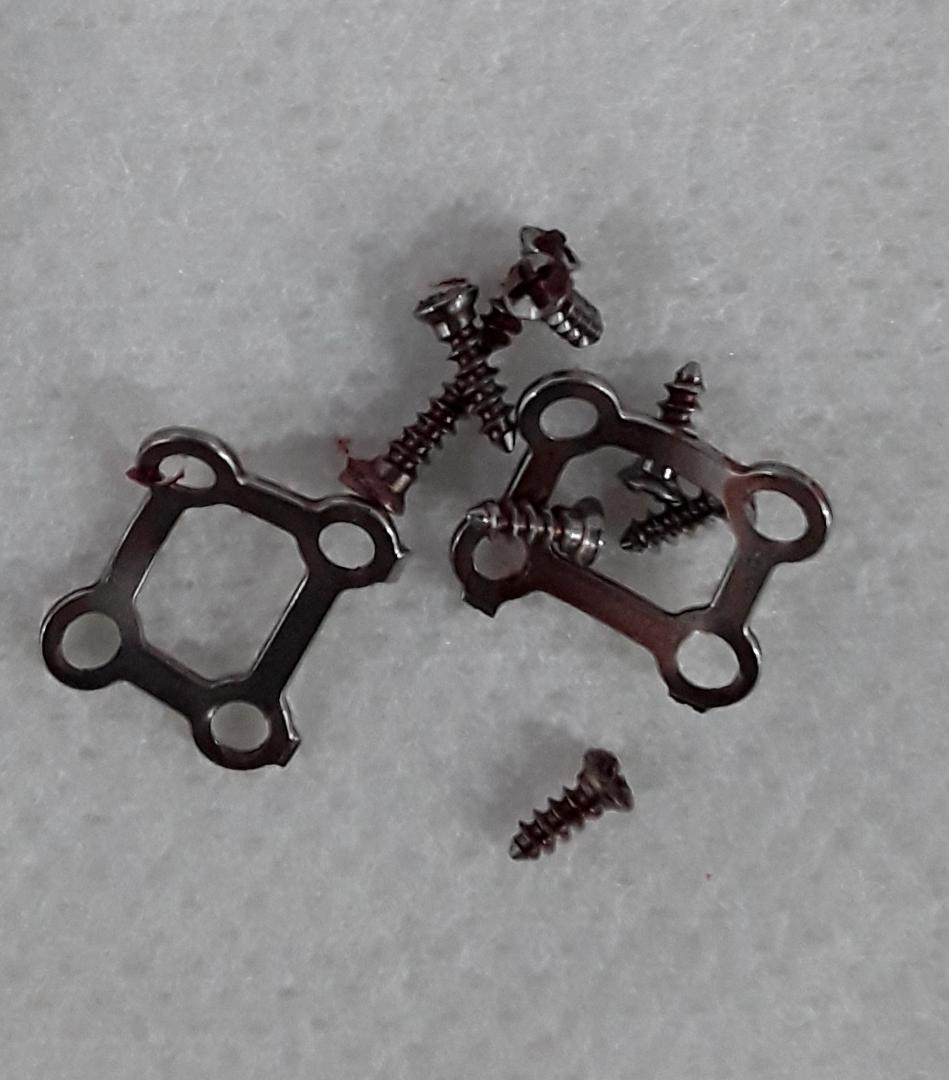
Removed standard titanium fixation pins
In facial contouring surgery, how securely the bone is fixed together determines the surgical outcome.
Properly reshaping the bone is important, but allowing the bone to heal well after surgery is also a very important part of contouring surgery.
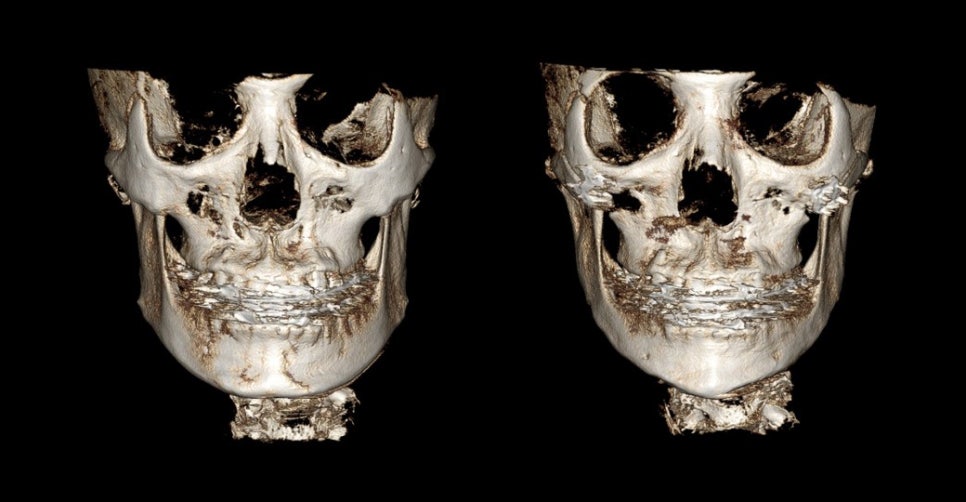
CT before and after 3D zygoma reduction surgery
In zygoma surgery, the zygoma area is pulled by the masseter muscle, which exerts strong force.
The titanium screws commonly used are very hard and strong, but in the zygoma area, the strong force of the masseter muscle can even break these titanium screws.
Therefore, if absorbable pins are used for fixation in zygoma surgery, the possibility of the pins breaking can be considered very high.
If you are considering using absorbable pins, I recommend consulting thoroughly with a specialist to make sure they are appropriate.
In general, when I perform 3D zygoma surgery, I do not use absorbable pins for the 45-degree zygoma area.
In the case of the 230-degree zygoma surgery performed at Sibyeol Plastic Surgery, I believe using absorbable pins is acceptable because the posterior area is not a place that requires strong fixation.
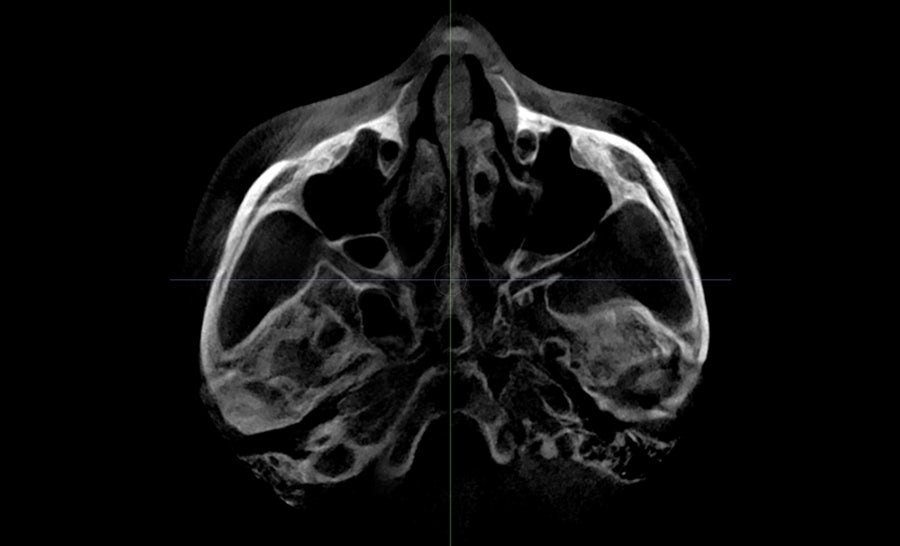
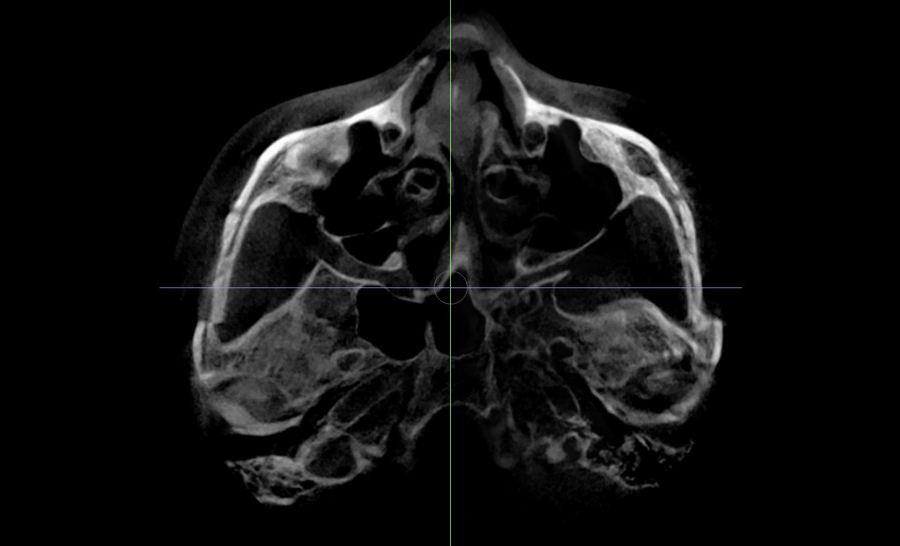
CT before and after 230-degree 3D zygoma reduction surgery (absorbable pins used)
Because 230-degree zygoma surgery does not completely cut the 45-degree area, fixation pins are not necessary.
If only the posterior fixation is done with absorbable pins, there is no need for pin removal surgery, so it can be a good option for patients who do not want pins to be visible on X-rays.
Usually, the reason people want to use absorbable pins or have fixation pins removed is psychological—the feeling that a foreign material remains in the face, and the fact that fixation pins are visible on X-rays.
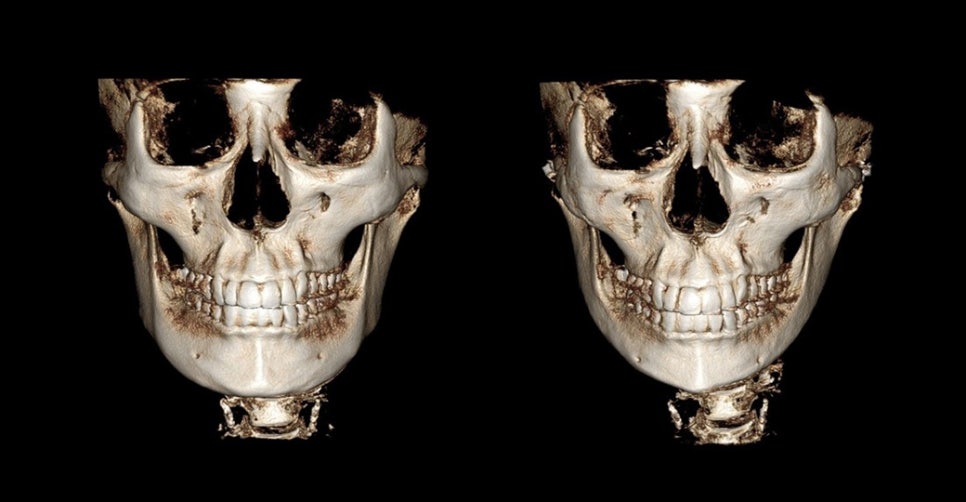
CT before and after 230-degree 3D zygoma reduction surgery (posterior fixation), square jaw surgery, and chin surgery
Standard fixation pins are usually made of titanium, a metal material that is commonly used not only in facial contouring surgery but also in other surgical fields such as dental implant procedures and cardiac stent procedures. Titanium is also non-magnetic, so it cannot be detected by metal detectors.
However, if you dislike or feel uncomfortable seeing fixation pins on X-rays during dental treatment, they can be completely removed through pin removal surgery.
If a long time has passed after contouring surgery, bone may grow over the fixation pins. In such cases, it may not be possible to remove the pins 100%, so if you definitely want the fixation pins removed, the best time is within 6 months to 1 year after surgery.
Thank you.