Hello, this is Dr. Jo Hyun-woo of Injeong Plastic Surgery.
Today, I’d like to talk about how men and women are designed and operated on differently in facial contouring surgery, especially in cheekbone reduction.
The surgical method itself is not different between men and women.
Because men generally have larger and thicker facial bones than women, the design and surgical approach are adjusted a little differently.
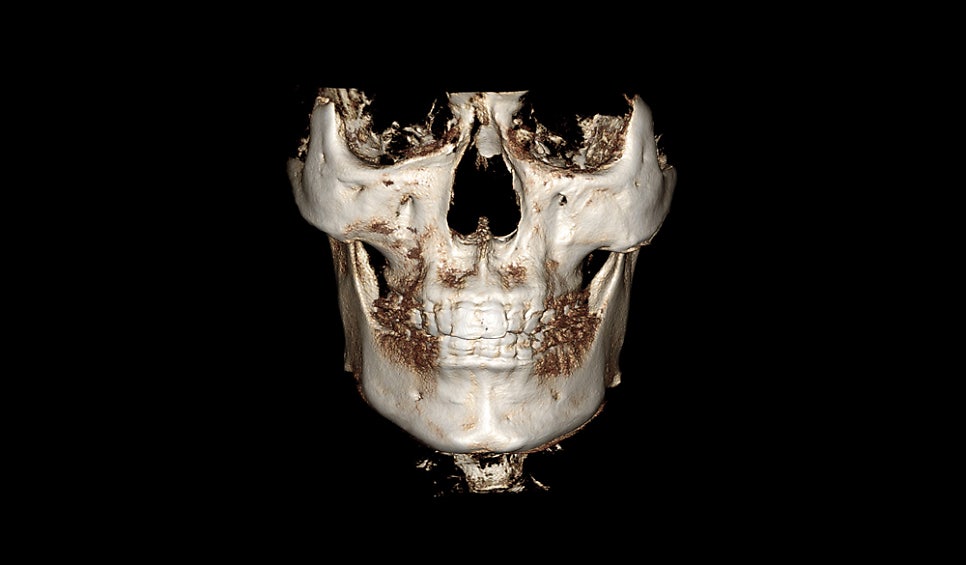
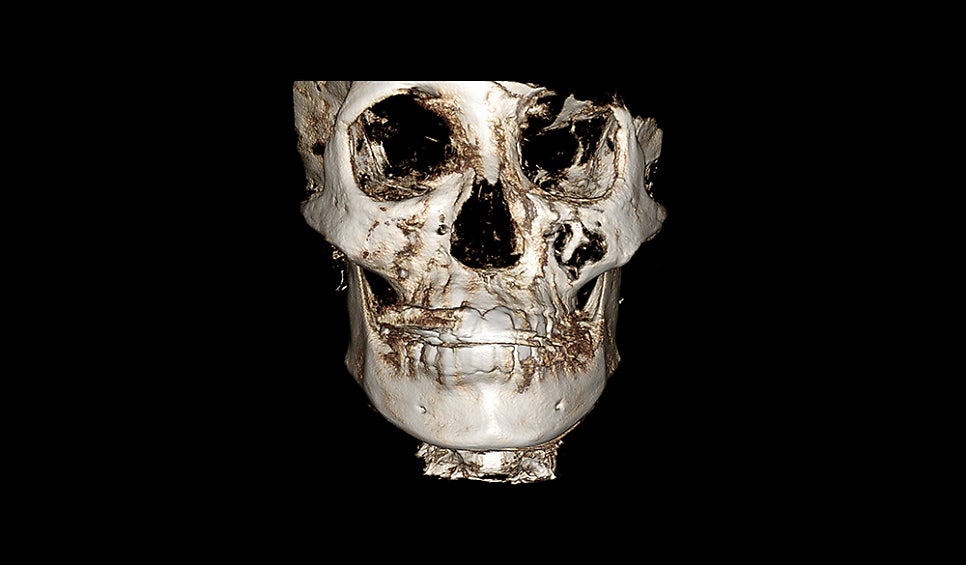
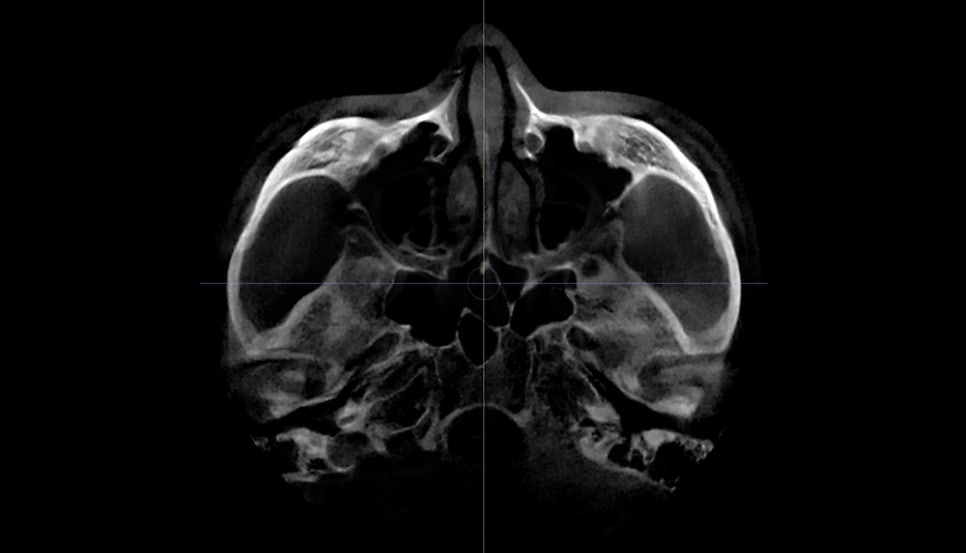
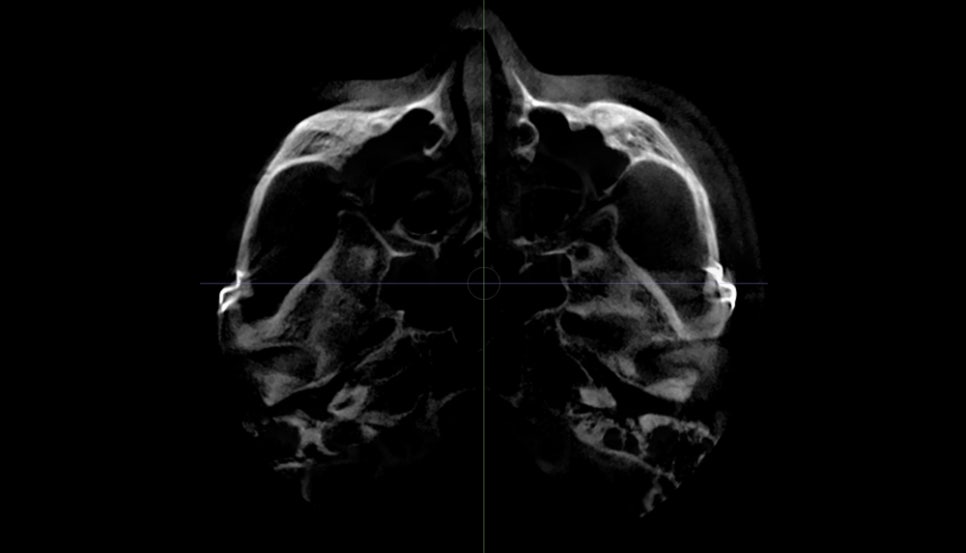
(Left) Male cheekbone (Right) Female cheekbone
As you can see in this CT image, the size of the cheekbones generally differs between men and women.
Of course, some men have smaller facial bones, and in those cases, the surgery is no different from female cheekbone reduction.
Then let me explain what is different.
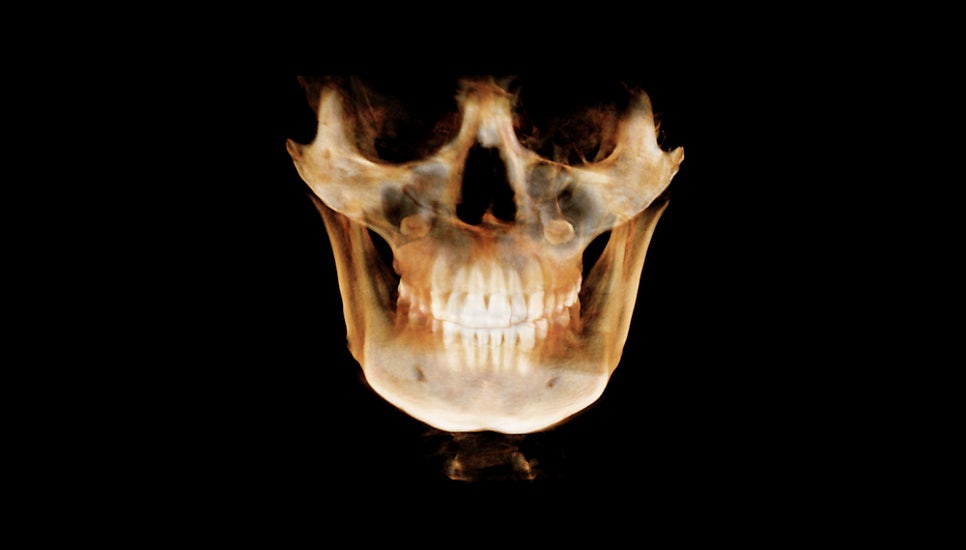
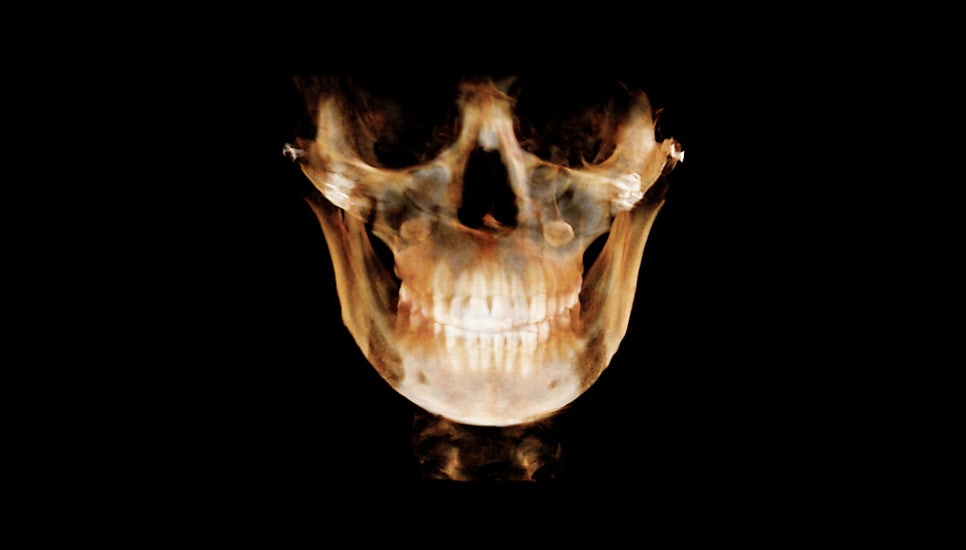
Before-and-after photos of male 3D cheekbone reduction
First, in male cheekbone reduction, the amount of osteotomy at the 45-degree area needs to be designed differently.
If the bone is removed at the same thickness as in a typical female 45-degree cheekbone area, there are quite a few cases where the bone does not rotate backward.
I do not think that a larger amount of removal necessarily leads to better results or greater reduction, and I believe it is better to reduce the amount slightly for firm fixation. However, if the 45-degree cheekbone in men is removed only a little, there are cases where the bone does not move backward at all.
Therefore, I decide based on the patient’s height and also by looking at the CT scan.
It is not 100%, but in reality, taller people often have larger facial bones than shorter people, so I look at people over 180 cm and those over 170 cm separately, along with the CT scan, to determine the amount of bone removal.
Generally, if the removal width in women is about 2–3 mm, for men it is about 4–5 mm.
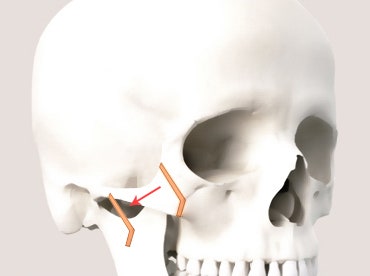
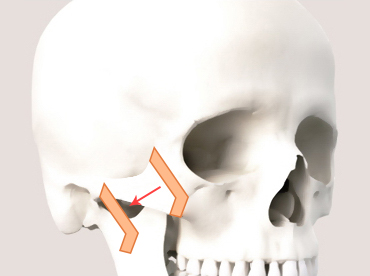
In addition, not only the removal width seen from the outside, but also the thickness of men’s bones is very thick, so careful and safe resection is necessary.
If bone remains on the inside while resecting, the bone may not move backward, so removing enough bone is important for smooth fixation.
Before-and-after photos of male 230-degree three-dimensional cheekbone reduction (back fixation)
The second difference is the amount of back fixation, which can be said to be an indicator of how much the side cheekbone moves inward.
I have continued observing CT scans for more than 15 years, and I have found that while the thickness of the cheekbone near the zygomatic arch in women is on average about 3–5 mm, in men it is about 5–7 mm. Of course, this also varies not only by sex but also by facial bone size, but there does seem to be an average difference.
Therefore, the amount of side cheekbone inward movement and back fixation also requires surgery using a larger angled plate in men.
In practice, there are many cases where fixation pins of about 5 mm cannot fix the two bones at all.
Some men had bone thickness approaching 1 cm, and in those cases, the step-off after surgery could be very noticeable, so I performed zygomatic shaving together with the surgery. In such cases, the bone can move inward sufficiently and the step-off can also be reduced.
Another difference in my surgery is whether back fixation is performed.
In the early days of cheekbone surgery, it was common to fix the 45-degree area without back fixation.
Recently, I also recommend performing back fixation.
In women, the force of the muscles pulling on the cheekbones is weaker, so in most cases I have seen the bone heal well with fixation only at the 45-degree area.
However, in men, the pulling force on the cheekbones is strong, and I have seen many cases where the pins fixing the cheekbones broke.
So in my case, I try to make back fixation essential for men.
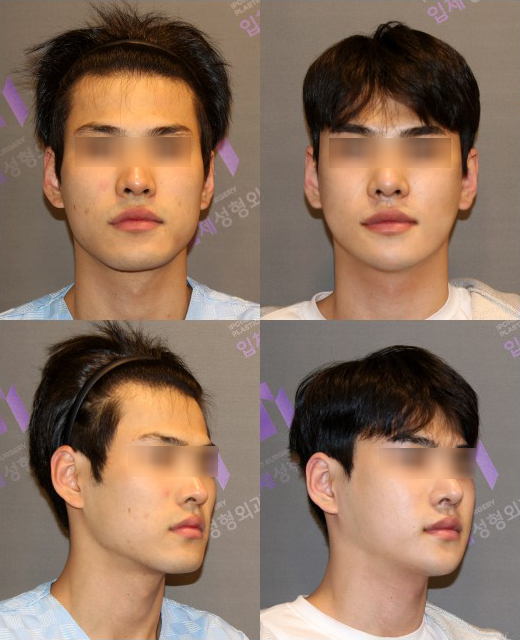
Before-and-after photos of male facial contouring surgery
Lastly, compared with women, men often have firmer and tougher tissue.
Because of this, the surgical field often does not come into view well, and fixation can be difficult.
The incision area needs to be extended a little more to secure the field of view, and more force is needed to pull the retractor.
In fact, it is true that male cheekbone surgery requires more effort than female cheekbone surgery.
But if it is done the same way as for women, good results cannot be achieved, so more effort is needed.^^
Today, I talked from my perspective about how male cheekbone reduction differs from female cheekbone reduction.
Broadly speaking, cheekbone reduction surgery is not that different, but if we still approach it while considering these small differences, I believe we can achieve stable fixation without nonunion.
Thank you.