Hello, I’m Dr. Jo Hyun-woo of 입체성형외과.
Square jaw surgery is an effective method for both men and women, but the approach and factors to consider differ by sex.
Today, I’ll explain in detail how square jaw surgery for men differs from that for women.
Anatomical Differences
First, the facial structure of men and women is fundamentally different.
Men generally have thicker skin, more developed muscles, and a larger, stronger bone structure. These differences directly affect the surgical method.
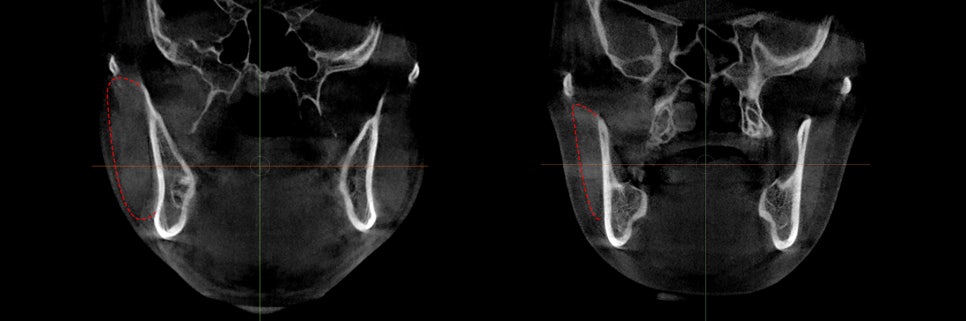
(Left) Muscle mass in men (Right) Muscle mass in women
Men’s skin is thicker than women’s, and the subcutaneous fat layer is thinner.
In addition, the masticatory muscles are more developed, so there is much more muscle around the jaw. Therefore, in many cases, masseter muscle reduction is performed together with square jaw surgery.
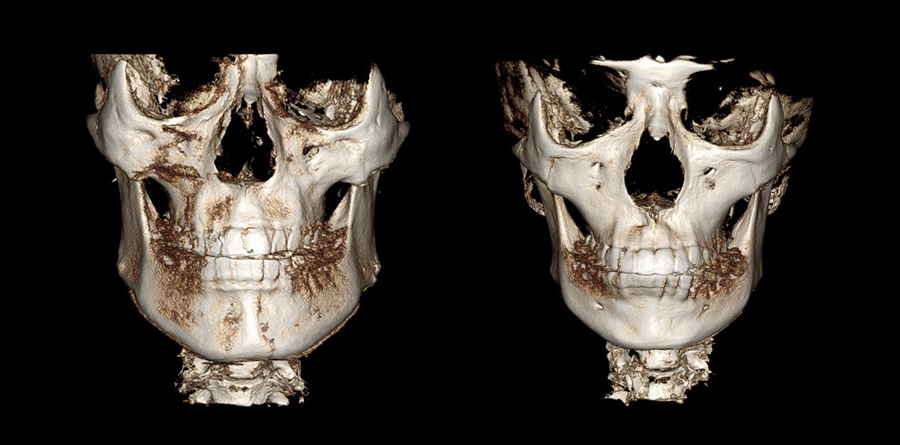
(Left) Men’s facial bones (Right) Women’s facial bones
Men’s jawbones tend to be larger and thicker. This may require more bone cutting during surgery, which can affect the recovery period and pain.
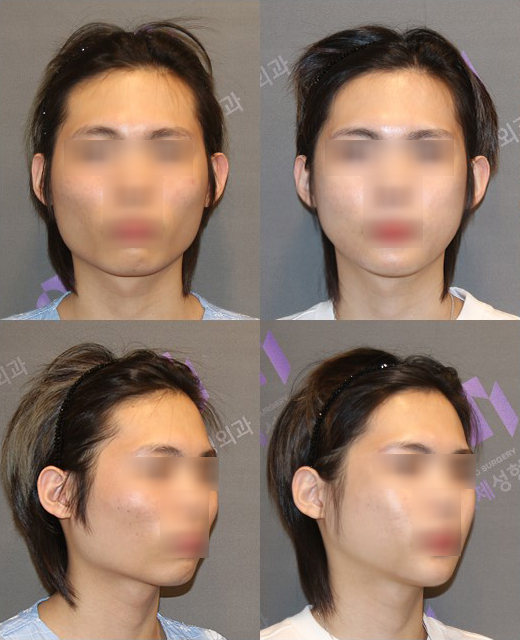
Square jaw surgery for men requires a more cautious approach, taking thick bones and developed muscles into account.
This means swelling or bruising may last longer after surgery, and in women, recovery may be relatively faster because of thinner skin and less developed muscles.
Aesthetic Standards
Aesthetic standards differ between men and women.
Men generally prefer a more angular jawline and a more masculine facial shape, while women prefer a softer, slimmer jawline. This creates differences in the goals and results of surgery as well.
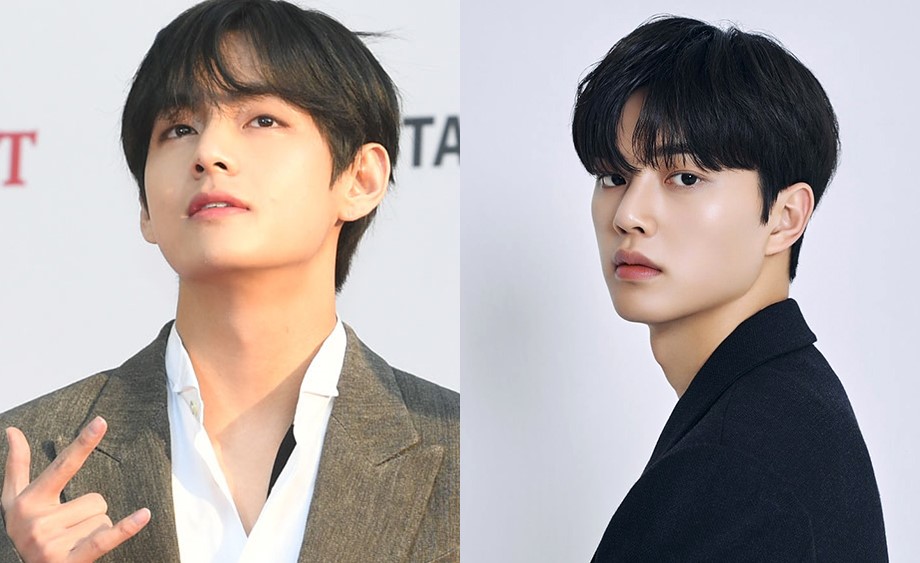
For men, it is important to maintain some degree of angularity in the jawline even after surgery.
A jawline that is too round or soft can give a less masculine impression.
Male patients usually want to maintain or improve a masculine facial shape. This becomes an important factor when considering the range and shape of bone cutting, as well as the overall facial proportions.
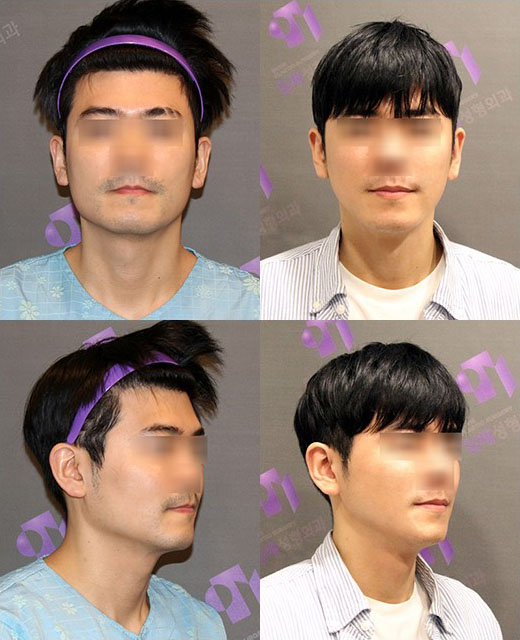
This patient wanted to maintain a soft but angular jawline even after square jaw surgery, and the appropriate range of bone cutting is determined by analyzing the overall facial proportions. This can help maintain a masculine impression while also improving facial balance.
Surgical Method
Because of the anatomical and aesthetic differences between men and women, the surgical method is applied differently.
Due to men’s thicker bones and more developed muscles, a more precise osteotomy technique is needed. After the bone cutting, the goal is to properly reposition the thick skin and muscles to create a natural yet strong jawline.
This is an important factor in increasing patient satisfaction after surgery.
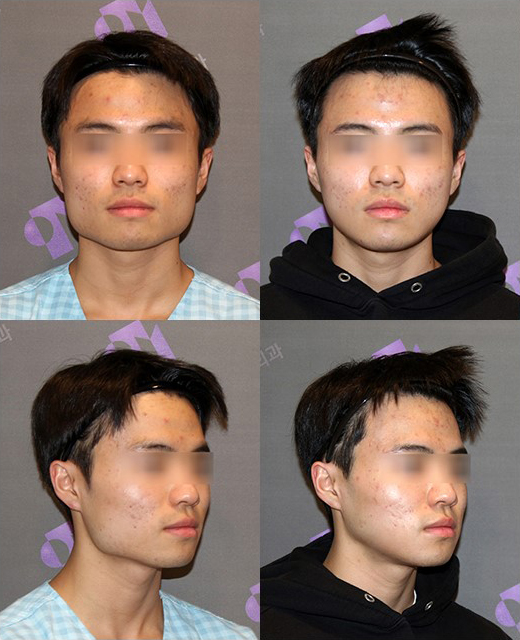
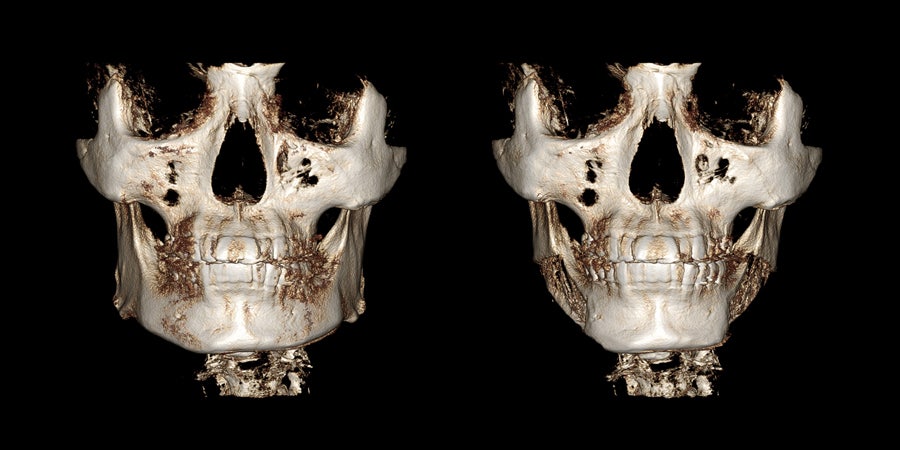
There may also be differences in the recovery process between men and women.
Men may have a longer recovery period because of thicker bones and muscles, and swelling and bruising generally may last longer after surgery.
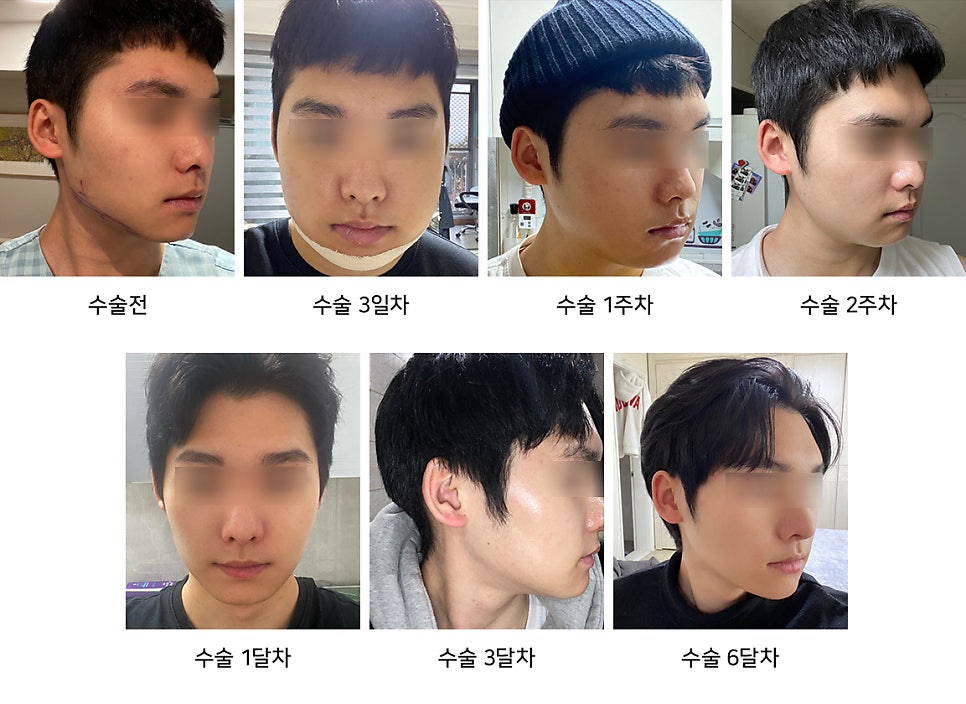
To reduce swelling and bruising after square jaw surgery, cold and warm compresses are used together. Depending on post-operative care, there may be differences in recovery time and in the before-and-after results, so proper aftercare is important for better results and faster recovery.
That concludes our look at how square jaw surgery for men differs from that for women.
Compared with women, square jaw surgery for men has several differences. Anatomical differences, aesthetic standards, surgical methods, recovery, and aftercare are all applied differently. If you understand these differences and create a customized surgical plan through sufficient consultation with a specialist, you may be able to achieve more satisfying results. Thank you.