Hello, this is Dr. Jo Hyun-woo from Ipche Sculpture Plastic Surgery.
In my previous column, I talked about the symptoms that can appear after square jaw surgery.
As with any surgery, chin surgery can also be accompanied by side effects and uncomfortable symptoms.
Today, I will explain the uncomfortable symptoms that may appear after chin surgery.
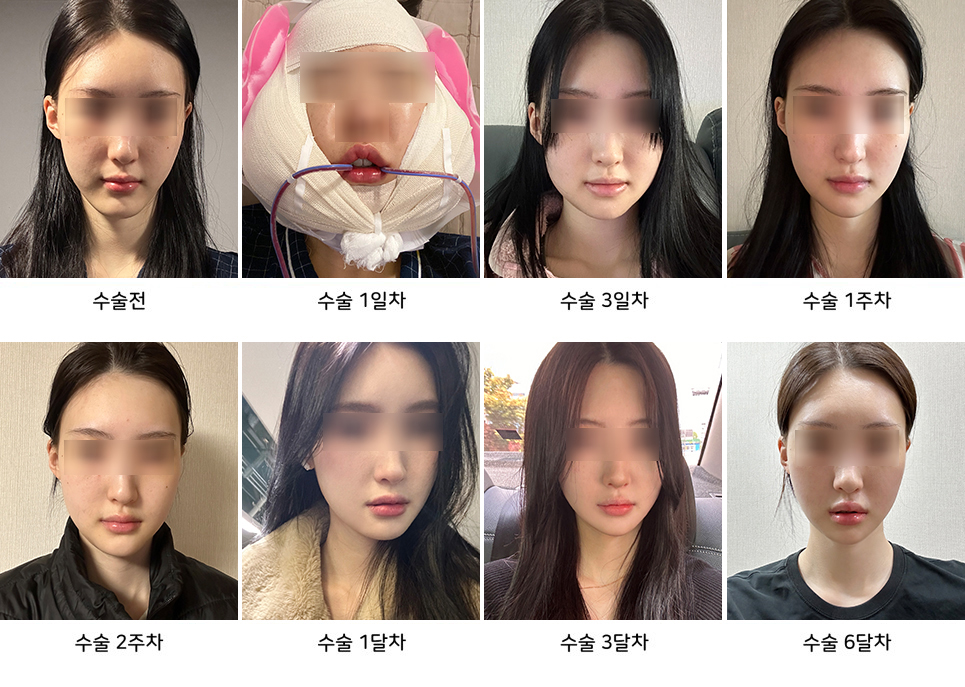
Square jaw surgery, chin surgery swelling and recovery period
Swelling and pain
The first symptom most people experience after chin surgery is swelling.
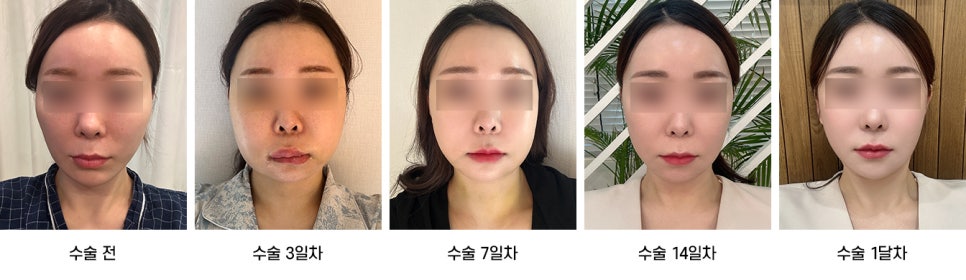
Swelling after surgery is part of the normal recovery process, and it is usually most severe during the first 48 hours after surgery.
After that, the swelling gradually begins to subside over time, and in most cases the major swelling goes down about two weeks after surgery.
It can take 6 months to 1 year for the swelling to disappear completely.
The best way to reduce swelling is to consistently apply cold compresses during the first 72 hours.
After that, warm compresses should be used to promote blood circulation so the swelling can subside more quickly.
Also, sleeping with your upper body slightly elevated after surgery helps manage swelling.
Right after surgery, you will be prescribed antibiotics and anti-inflammatory pain relievers, which can improve most pain.
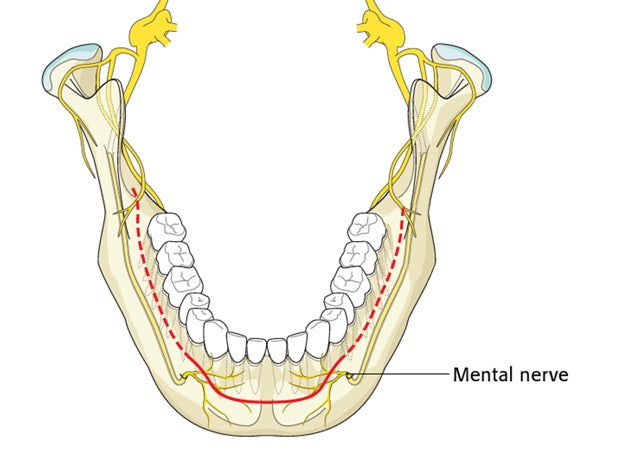
Numbness and nerve damage
One of the biggest risks in chin surgery is nerve damage.
There are several important nerves concentrated in the chin area, and among them the inferior alveolar nerve is an important nerve responsible for sensation in the chin and lip area.
If the nerve is damaged or irritated during surgery, numbness may occur in the chin and lip area.
Some patients feel as if their lips or chin tip are numb, which can make their facial expressions look unnatural or make them feel awkward when smiling.
In most cases, numbness is temporary and can recover within a few weeks to a few months.
This can happen even if the nerve has not been damaged at all, and for those who recover quickly, sensation may return within 1 to 2 weeks.
However, for those who recover more slowly, it may take about 3 to 4 months, but since it is a symptom that recovers 100%, there is no need to worry.
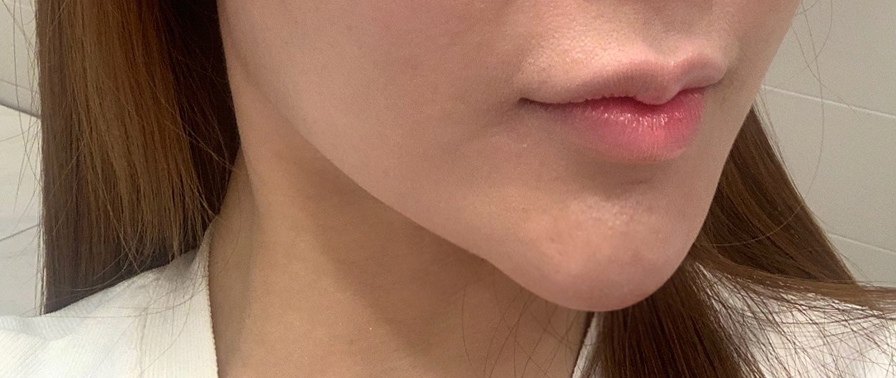
Sagging of the chin
The biggest cause of chin sagging can be excessive resection.
After the chin bone is cut or repositioned during surgery, if the remaining muscles and soft tissues are not properly repositioned, the chin tip may sag downward.
This can result in a double chin or an abnormal contour that looks like a witch chin.
These symptoms sometimes occur in people with a lot of muscle and flesh in the chin when they undergo T-osteotomy to reduce the volume of the chin or push it backward, or when they undergo contouring surgery to reduce the volume too much.
Even if the muscles and periosteum are restored well to the bone, this can still happen in some cases.
Therefore, it seems most important to make a careful judgment before surgery, think about how much volume reduction is needed, and then decide.
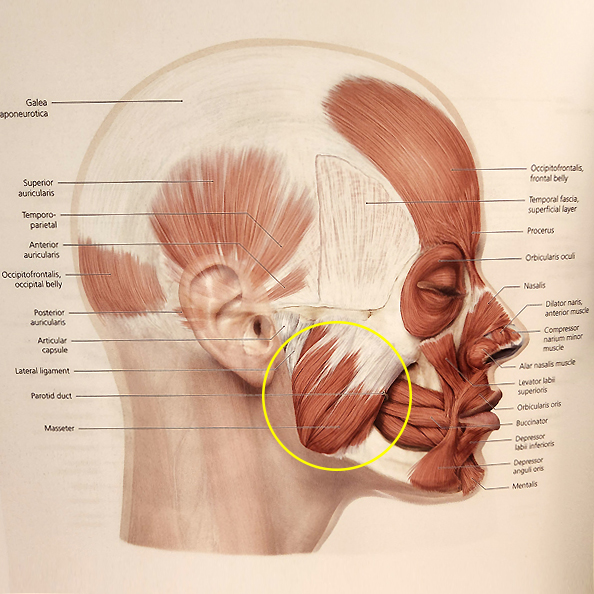
Limited mouth opening
As I mentioned in a previous column, chin surgery and mouth opening are actually not related at all.
If patients become afraid to open their mouths and end up not opening them, the jaw joint can stiffen.
After chin surgery, do not be afraid to open your mouth; it is better to open it comfortably.
Infection and inflammation
Because chin surgery is performed through the mouth, inflammation can occur if food gets stuck in the intraoral incision site or bacteria enter the area.
Careful suturing of the surgical site is important, but if it is stitched too tightly, the scar may not heal well, so there may be a small amount of space, and food can also get into that area. Therefore, after surgery, it is very important to gargle diligently and keep the inside of the mouth clean.
In chin surgery, especially when T-osteotomy has been performed, there are fixation pins and bone fragments, so if inflammation occurs in this area, it is necessary to wash it out immediately and replace the fixation pins.
Because the cut bone does not receive nutrients smoothly, if inflammation develops, the bone can quickly dissolve and disappear, so prompt treatment is needed.
Swelling and recovery period after the three facial contouring procedures
Bleeding and bruising
After chin surgery, bleeding and bruising are also part of the natural recovery process.
Minor bleeding may occur at the surgical site, and it usually stops on its own over time, but if the bleeding is severe, you should visit the hospital immediately.
Starting right after surgery and for 2 to 3 days, applying cold compresses can help prevent postoperative bleeding and reduce acute swelling.
After that, applying warm compresses can improve blood circulation, help reduce swelling, and help decrease bruising.
Restrictions on food intake
After chin surgery, there are restrictions on food intake.
To protect the surgical site and support a quick recovery, it is best to eat only soft foods for the first few days after surgery.
If you eat spicy or hot foods, they may irritate the surgical site and delay recovery.
At this time, after meals, you must make sure to take the prescribed medication and gargle, as this helps prevent inflammation.
Also, water helps blood circulation in the body and helps you get a good night's sleep, which supports recovery.
You should drink water frequently to help detox after anesthesia, and because this is surgery performed through the mouth, you should drink water often to increase moisture in the mouth and help prevent infection.
In fact, unlike cheekbone surgery, chin surgery does not usually cause many discomforts after surgery.
However, what I discussed today are the symptoms that may appear during the postoperative recovery process.
Of course, you may be worried and anxious, but these symptoms can recover, so if you can relax a little, I think you will be able to achieve good results.
For successful surgery and recovery, active patient care and following the hospital's instructions are essential.
It is a short post, but I hope it was helpful.
Thank you.