Hello. I’m Dr. Jo Hyun-woo of 입체성형외과.
Today, I’d like to explain contouring surgery from A to Z, step by step, so that even first-time readers can understand it.
“What is contouring surgery?”, “Who needs it?”, “What are the 3-type and 4-type procedures?”, “Isn’t it scary and painful?”
If you have these kinds of questions, I recommend reading this post.
What Is Contouring Surgery?
Contouring surgery (facial bone contouring surgery) is, as the name suggests, a procedure that refines the bone outline of the face.
Unlike simply removing fat or lifting the face, this surgery creates a smaller, more defined face shape by cutting and repositioning facial bones such as the cheekbones, jawbone, and chin.
This surgery is performed not only for cosmetic purposes, but also for various functional and aesthetic goals, such as improving asymmetry, correcting a protruding face shape, and softening a masculine impression.
When discussing contouring surgery, the most basic procedures are the so-called “contouring 3 types.”
In most clinics, consultations are centered around these three procedures.
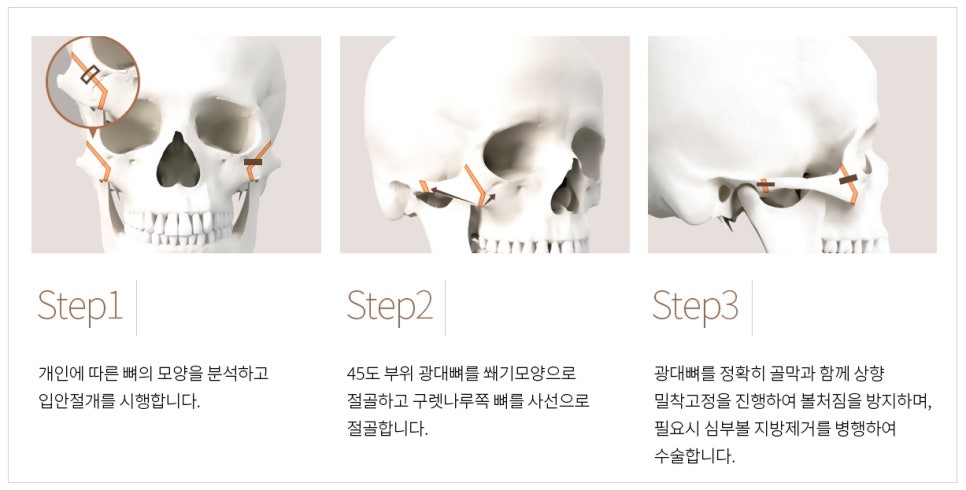
Cheekbone reduction surgery
The cheekbone is one of the most protruding parts of the face, and it can make the face look wide and less dimensional from the side or at a 45-degree angle.
Cheekbone reduction surgery is generally performed by making incisions inside the mouth and at the temple area, cutting the bone, then moving it inward and fixing it in place.
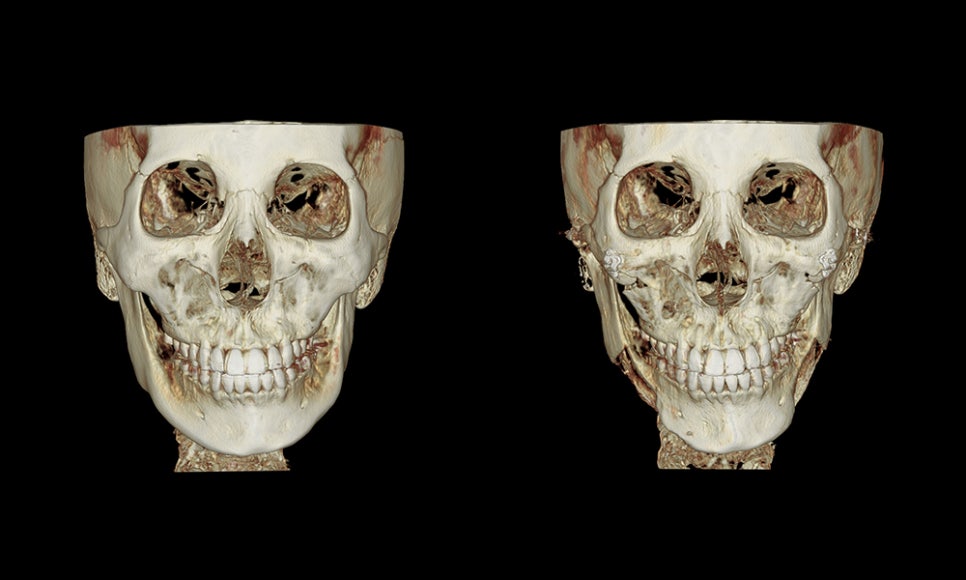
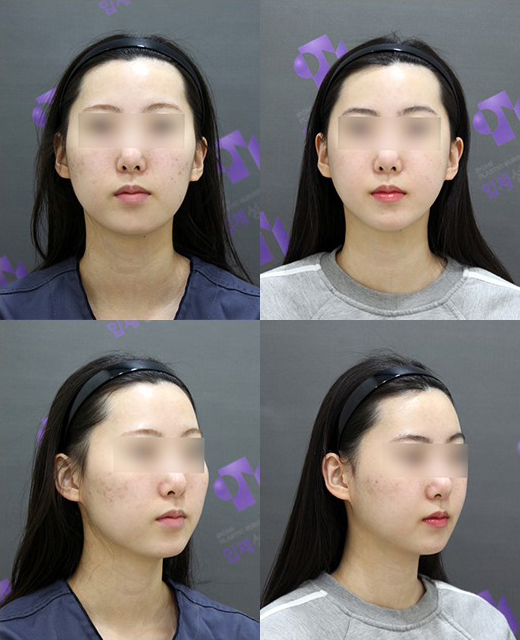
Patient who underwent cheekbone reduction surgery, square jaw surgery, and corticotomy
This surgery makes the face look smaller overall and softens a strong-looking impression.
In particular, for female patients, cheekbone reduction alone can significantly make the face appear more refined.
However, if the reduction is excessive, the volume under the cheekbones can appear hollow and make the person look older, so a detailed plan that also considers facial volume and skin elasticity is important.
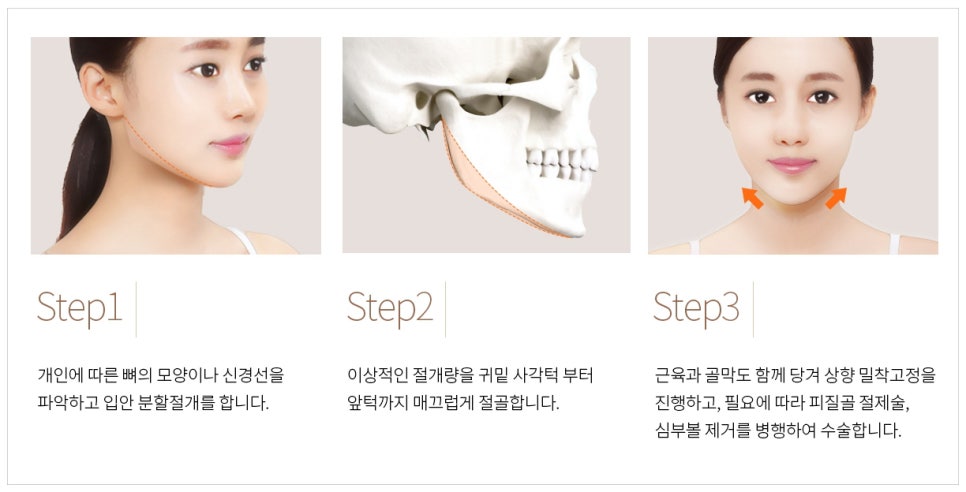
Square jaw surgery
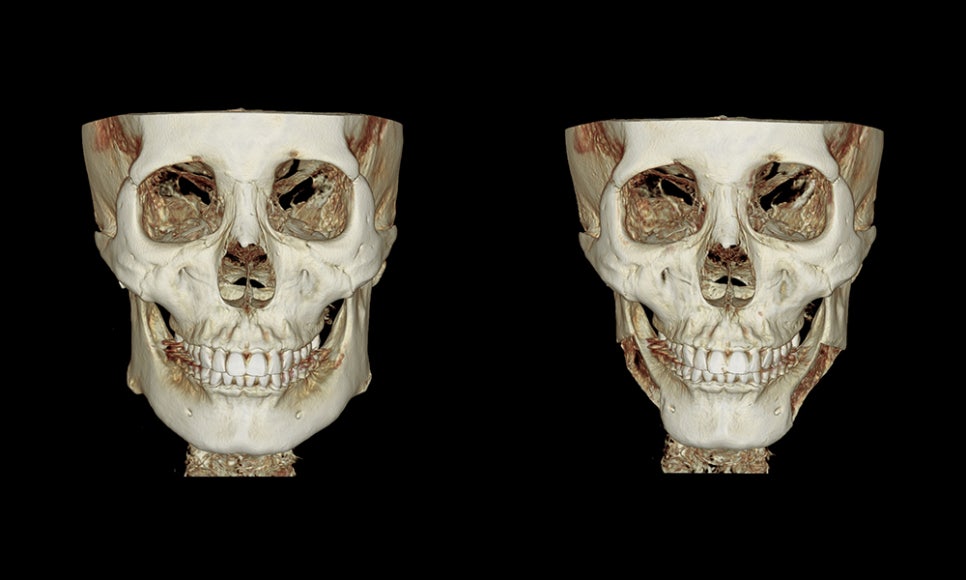
Square jaw surgery is a procedure that removes the angular part of the lower jaw bone, and it can make a major difference in appearance, especially from the front and side lines.
The resection range varies from simply trimming the angle to extending the resection down to the lower border and body of the jaw.
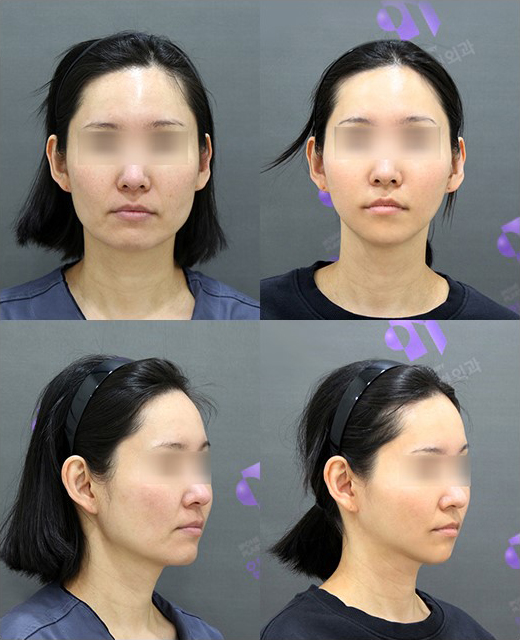
Patient who underwent square jaw surgery, corticotomy, and masseter muscle reduction surgery
Recently, the trend has gone beyond simply “making the jaw smaller” and has increasingly involved combining curved resection or curved extension osteotomy so that the line flows smoothly and naturally. In addition, when surgery alone is not enough, masseter muscle reduction surgery may be added to reduce muscle volume as well.
Chin surgery
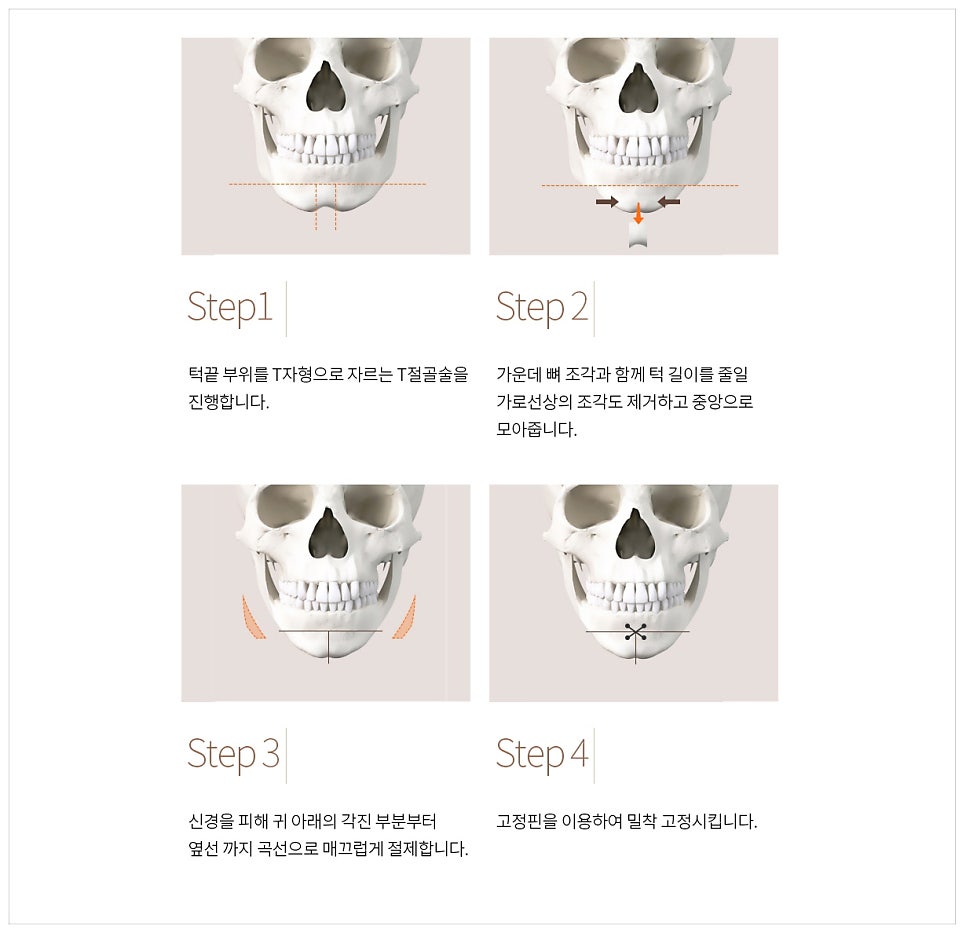
Chin surgery is performed in various ways, such as T osteotomy, W osteotomy, and horizontal osteotomy, and it makes it possible to advance, set back, and correct left-right asymmetry of the chin.
If the chin protrudes too far forward, it is set back to achieve balance; if the chin is receding, it is advanced to add definition.
Also, if there is left-right asymmetry, the chin bone can be reshaped to align it symmetrically.
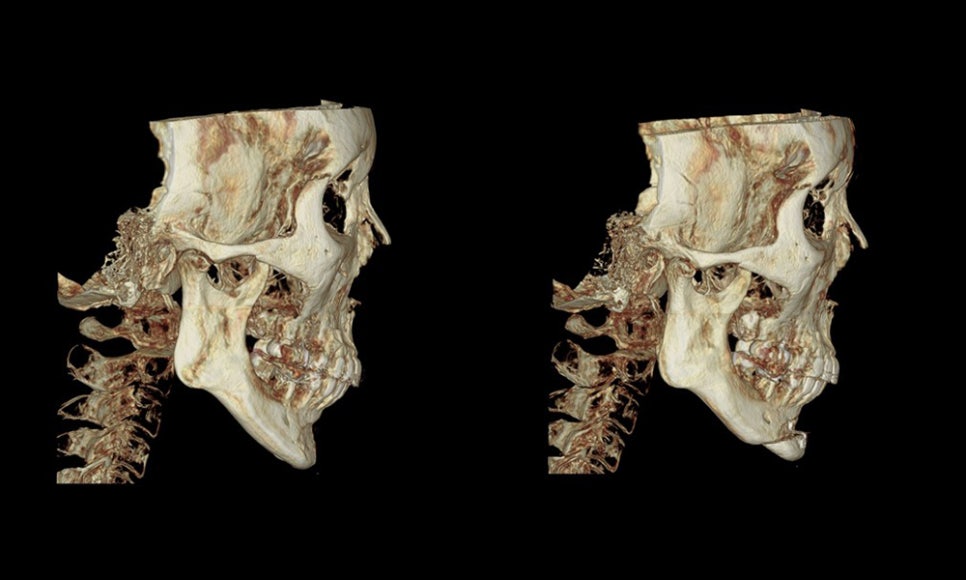
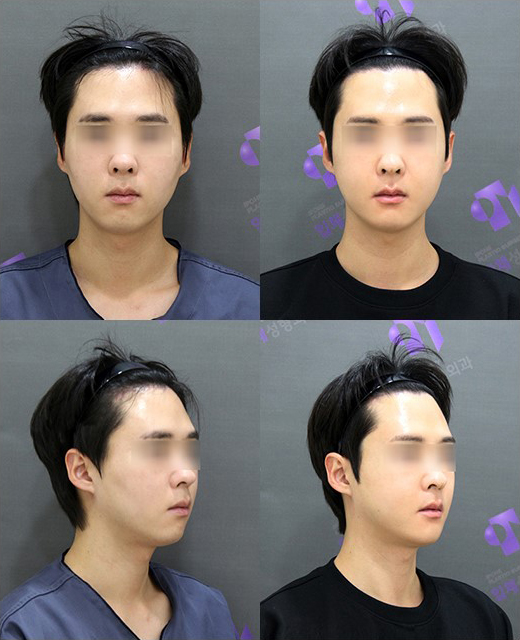
Patient who underwent chin surgery (advancement)
Since it is one of the most important factors determining the frontal face shape, it is a procedure that must be considered together with the cheekbones and square jaw.
Contour 4 types, 5 types, 6 types... how many types are there, really?
Recently, clinics have been using a variety of names such as “contouring 4 types,” “contouring 5 types,” and even “contouring 6 types.”
These are not necessarily officially recognized surgical classifications, and in many cases they include marketing terminology.
The basic 3 types are combined with the following procedures to become a certain “number of types.”
- Corticotomy (improving the front-view effect)
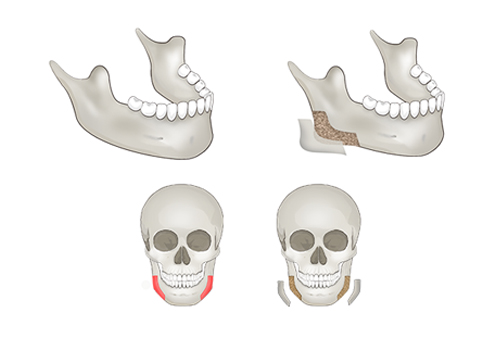
Corticotomy
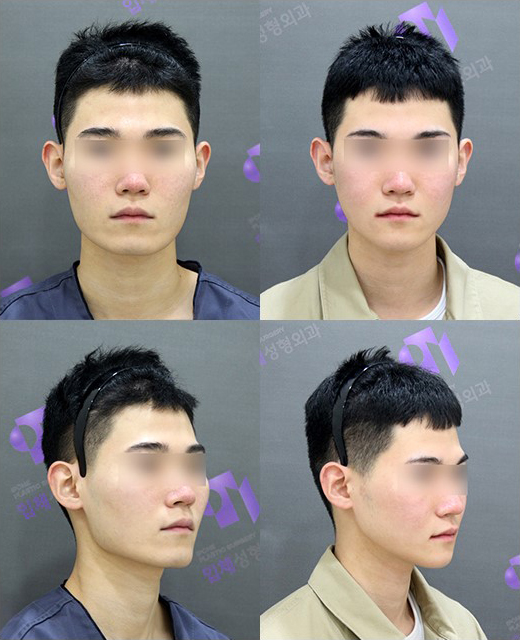
Patient who underwent cheekbone reduction surgery, square jaw surgery, corticotomy, and chin surgery (contouring 4 types)
- Masseter muscle reduction surgery (reducing square-jaw muscle volume)
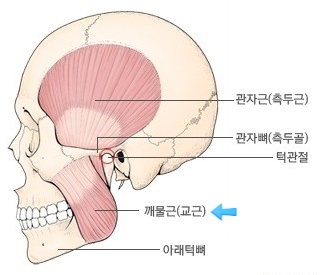
Masseter muscle reduction surgery
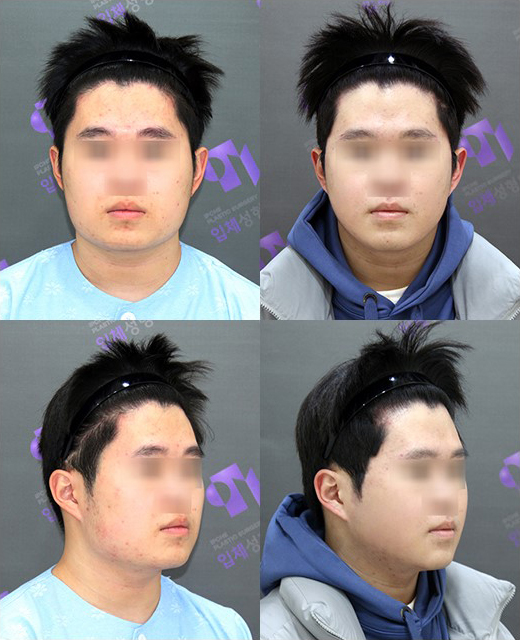
Patient who underwent cheekbone reduction surgery, square jaw surgery, corticotomy, and masseter muscle reduction surgery (contouring 4 types)
- Facial liposuction (enhancing contour visibility)
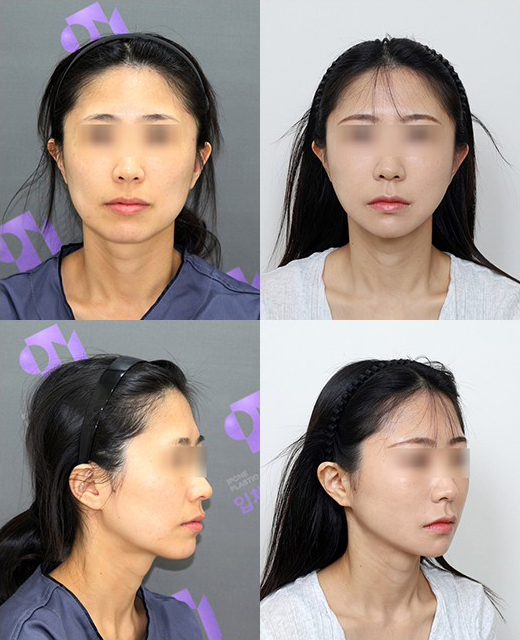
Patient who underwent 230-degree 3D cheekbone reduction, square jaw surgery, corticotomy, chin surgery, and cheek liposuction (contouring 5 types)
- Double-chin muscle tightening (preventing sagging)
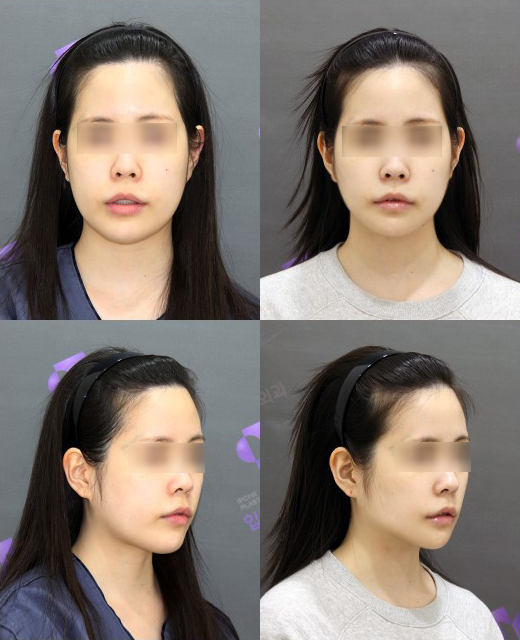
Patient who underwent square jaw surgery, corticotomy, chin surgery, and double-chin muscle tightening (contouring 4 types)
What matters is not the number, but which procedures are needed for my face.
Depending on the face shape, skin, amount of fat, degree of muscle development, and overall impression, an accurate diagnosis and plan must come first.
Before surgery, 3D CT imaging and a detailed evaluation are essential to determine the structure of your facial bones and the surgical scope.
How do surgery and recovery proceed?
Contouring surgery is mostly performed under general anesthesia, and the surgery time is about 2 to 3 hours.
Because the procedure is done through an incision inside the mouth, there are almost no external scars.
After surgery, you will usually stay in the hospital for about a day and then have a recovery period of about 1 to 2 weeks.
Severe pain is not common, but swelling, bruising, and numbness may occur temporarily.
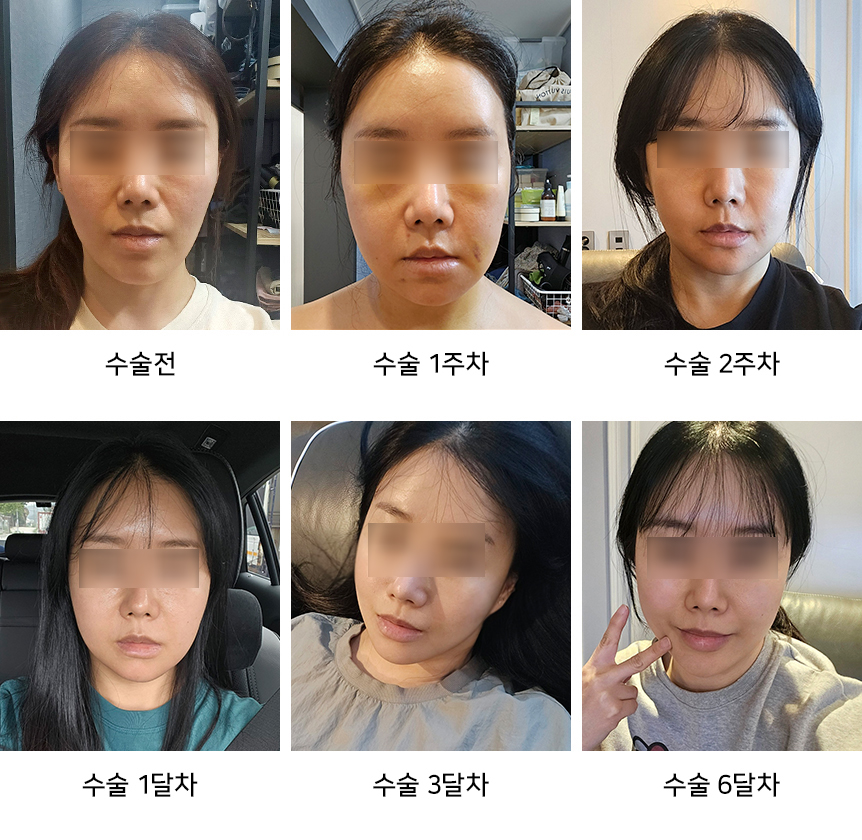
Swelling and recovery process after facial contouring 3-type surgery
-
Week 1: Sutures removed, bruising and swelling severe
-
Week 2: Swelling begins to subside, return to daily life possible
-
1 month: Facial contours become somewhat visible
-
3–6 months: Final contour completed, natural recovery finished
Tips for care after contouring surgery
Contouring surgery vs. orthognathic surgery: what is the difference?
Many people confuse the two, but their purposes are different.
Both deal with facial bones, but the target area and surgical scope differ, so it is important to receive an accurate diagnosis to determine which surgery you need.
Contouring surgery is not simply a procedure to “make the face look smaller.”
It is a high-difficulty surgery that requires precise planning and technique to balance facial dimensionality, harmony, and proportions.
Rather than focusing on how many “types” a clinic says it offers, it is most important to know which procedure is truly needed for you and make your decision accordingly.
I hope today’s post was helpful for those of you considering contouring surgery.
Thank you.