Hello, I’m Dr. Jo Hyun-woo of Injeok Plastic Surgery.
After contouring surgery, many people say over time that their face seems to be sagging downward.
Today, I’ll organize why sagging occurs and how it can be addressed, including the latest techniques.
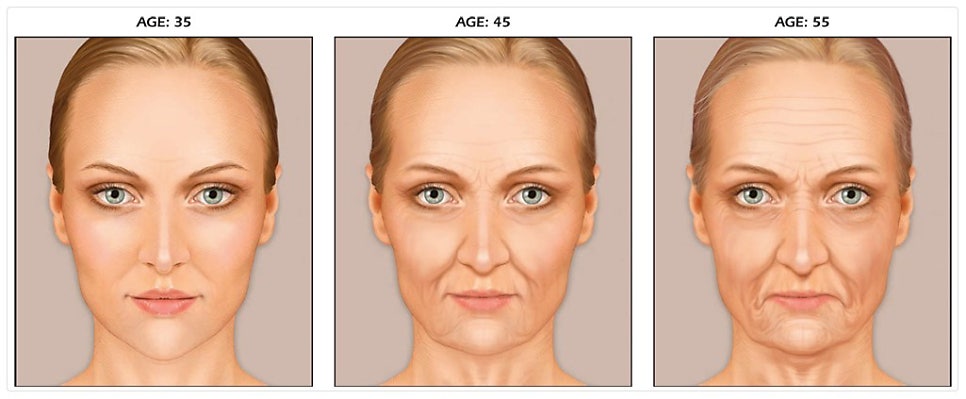
Sagging is not caused only by aging.
After contouring surgery, a new balance is formed between the facial skeleton and the soft tissue, and various factors influence this process.
If the support structure is weakened by surgery, skin that already has reduced elasticity can sag more easily in the direction of gravity.
Also, right after surgery, the skin may feel tight because of swelling, but as the swelling goes down, the volume decreases and it may suddenly feel as if the face has dropped.
If part of the muscle layer is damaged during surgery, the original support may be weakened, making the tissue more likely to sag under gravity.
Sagging requires different approaches depending on its severity.
In the past, surgical lifting or thread lifting was mainly used, but recently devices and techniques have emerged that precisely target each layer of the skin, fat, and muscle.
Below, I’ll introduce them in the order of non-surgical → minimally invasive → surgical.
Non-surgical latest lifting technologies
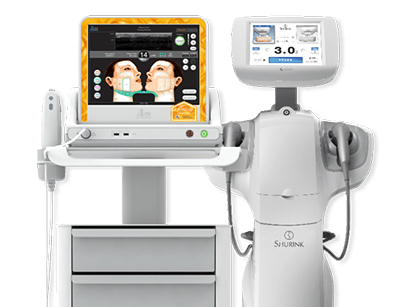
Representative examples are high-intensity ultrasound lifting devices such as Ulthera, Doublo, and Shurink.
They deliver ultrasonic heat to the SMAS layer beneath the dermis to induce collagen regeneration and contract the tissue, creating a lifting effect.
The latest devices can adjust energy in point, line, and surface units, allowing precise treatment even on sensitive tissue after contouring surgery.
There is almost no pain or recovery time, but regular maintenance treatments are needed (at 6-month to 1-year intervals).
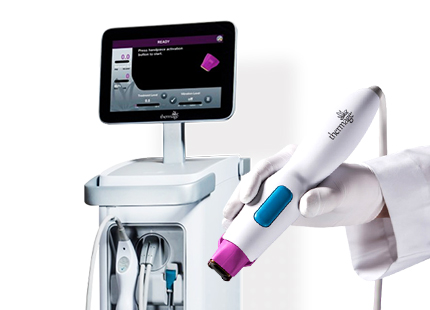
Radiofrequency lifting includes Thermage and Potenza.
It applies RF heat to the dermis to contract elastic fibers and promote collagen production. Recently, microneedle RF (Potenza) has emerged, allowing energy to be delivered to deeper layers without damaging the epidermis, so it can also be performed when swelling remains after contouring surgery.
Minimally invasive treatment
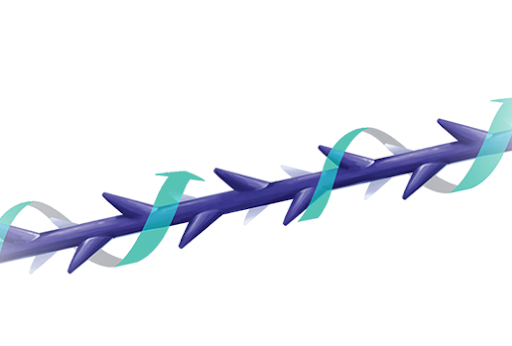
Thread lifting is one of the procedures that has been performed more often recently.
Special threads are inserted near the SMAS layer beneath the skin to directly lift sagging tissue upward.
Newer threads have 360-degree rotating protrusions, providing stronger support and a longer duration of effect (1 to 2 years).
It has an immediate effect on cheek sagging and deepened nasolabial folds that occur after contouring surgery.
If there are sunken areas, fat grafting or fillers can be injected at the same time while lifting with threads, allowing both facial volume and contour to be restored.
It is especially suitable for cases where there is hollowing under the cheekbones and in the front cheek, along with jawline sagging.
Surgical solution
If sagging is severe enough that non-surgical methods are limited, or if the facial contour has collapsed, a surgical approach is necessary.
Depending on the area of concern, procedures such as mini facelift, midface lift, or lower facelift involve making an incision in front of the ear, dissecting the skin and SMAS layer, then lifting and fixing them upward.
This is most commonly performed when cheek sagging is severe after contouring surgery or when the jawline has become loose.
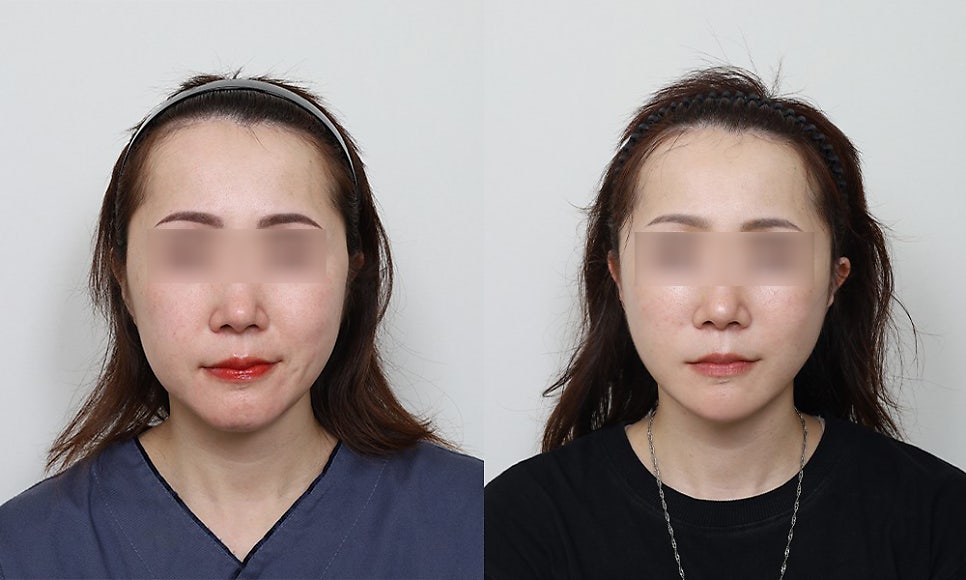
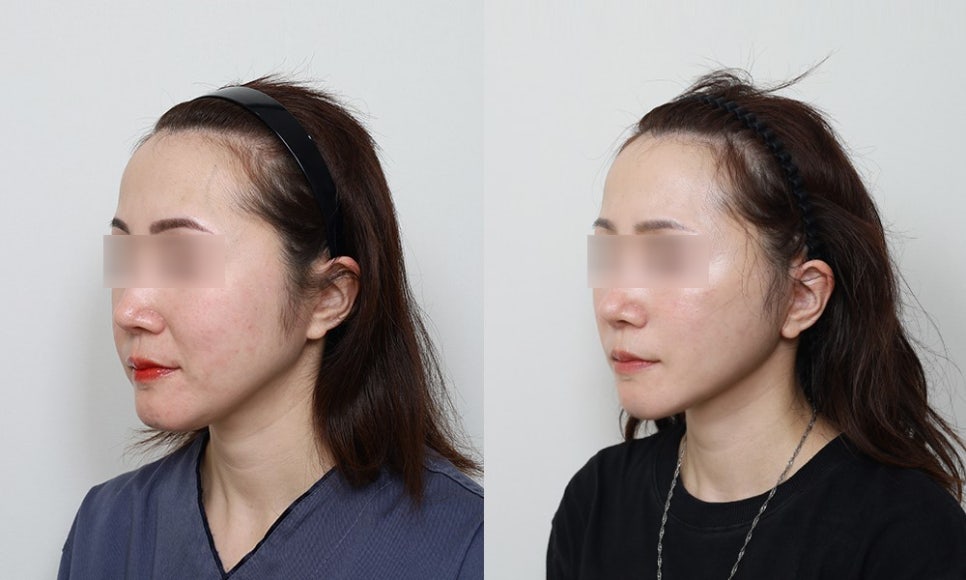
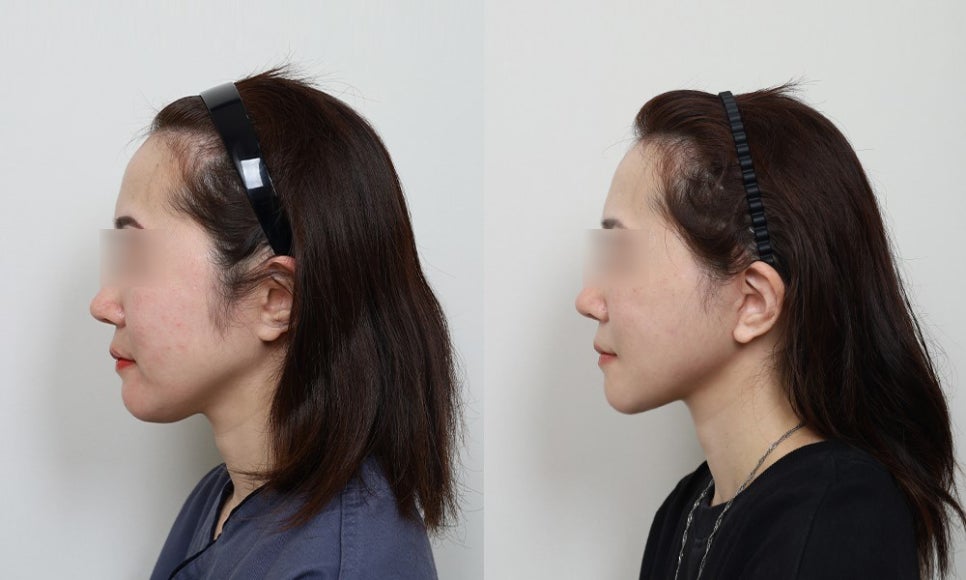
This patient came to us because, after undergoing contouring surgery at another hospital a few years ago, they were concerned about facial sagging and a double chin.
In cases like this, a facelift can provide a clear improvement in facial sagging and a collapsed contour.
If you want to maintain the results of contouring surgery for a long time, post-surgical care must be managed well.
Prevention is the best treatment for sagging, and if it has already started, the wisest approach is to combine treatments that fit your condition.
These days, because much more delicate and precise devices and techniques have advanced compared to the past, it is possible to recover naturally without large incisions as before. So if you are worried about sagging, I recommend consulting with experienced medical staff who can comprehensively evaluate your skin condition, tissue thickness, elasticity, and lifestyle habits.
I hope today’s article was helpful.
Thank you.