Hello, this is Director Jo Hyun-woo of Inpi Plastic Surgery.
The weather has already become chilly in the mornings and evenings, and after this week, it will be Chuseok.
As I have been writing this blog throughout the year, it feels like the year has passed very quickly.^^
One of the most common concerns among people who have undergone contouring surgery is swelling and scar tissue.
When you look in the mirror right after surgery, the swelling is severe, and even as time passes, there are areas that remain hard to the touch, which can be worrying.
At times like this, swelling injections and scar tissue injections are often recommended.
But are these injections really necessary treatments for every patient?
What is the difference between swelling injections and scar tissue injections?
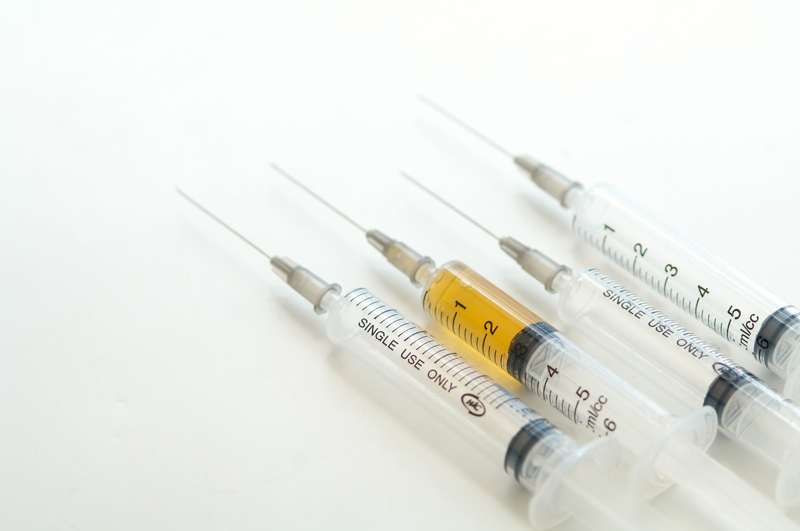
Swelling injections are intended to reduce excessive swelling that occurs after surgery and promote lymphatic circulation to speed up recovery.
Scar tissue injections are used to relieve the phenomenon in which the surgical area becomes firm, lumpy, or irregularly hardened.
What is commonly called scar tissue is medically described as fibrotic tissue or hardened tissue.
In other words, swelling injections are aimed at relieving early swelling, while scar tissue injections are aimed at reducing tissue lumpiness.
These injections can help support faster recovery, making it easier to return to daily life, and can reduce discomfort and tightness, increasing patient satisfaction.
In some patients, they also help improve asymmetry or uneven areas.
However, they are not effective for every patient. If the tissue has already hardened, injections alone may not be enough.
Repeated procedures are often needed, which can create a financial burden, and if done excessively, side effects such as skin indentation or pigmentation may occur.
Then when should they be used?
The degree of swelling and scar tissue varies greatly from patient to patient.
Some people improve sufficiently through natural recovery without any special treatment, while others may still have swelling or lumpiness over time, causing inconvenience in daily life.
Therefore, rather than receiving them unconditionally, it is preferable to choose them selectively according to the patient's individual condition and recovery process.
When considering injection treatment, you can judge whether it may be helpful, or whether waiting is safer, based on the answers to these questions: Has the swelling persisted for an unusually long time? Does a hard lump continue to be felt? Even after observing the progress for enough time, is the improvement slow?
After contouring surgery, swelling injections and scar tissue injections can be effective in some cases, but they are not absolutely necessary for every patient.
It is better to first observe the natural recovery process and receive them carefully only when they are truly needed.
Also, injections are not the only solution; other treatments such as laser or radiofrequency care can be combined, or a step-by-step approach can be used.
In the end, what matters is customized treatment that matches each person's condition and recovery speed.
Rather than excessive recommendations, I encourage you to consult thoroughly with a specialist and make the choice that is truly necessary for you.
I hope today's post was also helpful.
Thank you.