Hello, I’m Dr. Jo Hyun-woo of 입체성형외과.
Among the questions patients ask when they come in, the number one question by far is, “If I get facial contouring surgery, will I look prettier?”
My answer is always that it is difficult to say for sure, because the standards for what makes a face pretty are different for everyone.
In fact, the 기준 for beauty is truly diverse. Even if you think of celebrities, it’s the same.
Some people think a soft and cute face shape like IU’s is pretty, while others prefer a clear and glamorous impression like Han Ye-seul’s.
Some people may feel that a natural and balanced face like Suzy’s is ideal, while others may think a face with prominent cheekbones and jawline like Kim Tae-ri’s is beautiful.
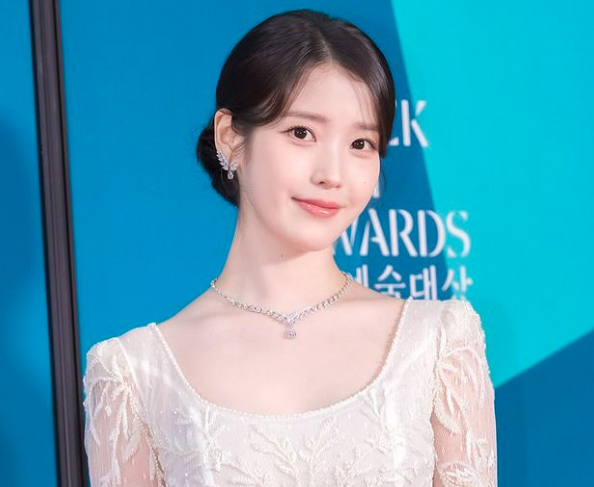

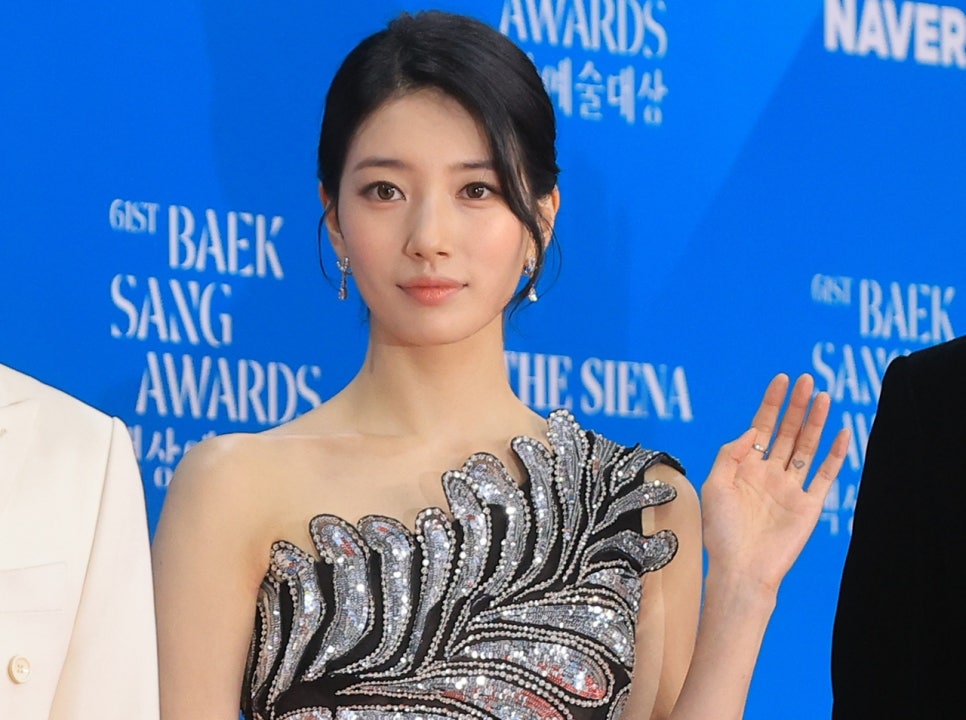

The 기준 for beauty is not absolute; it varies depending on the harmony and image each individual feels.
The purpose of facial contouring surgery is to “create harmony”
The essential goal of facial contouring surgery is not simply to make the face smaller.
The key is to restore harmony in facial proportions and three-dimensionality.
For example, when the cheekbones look prominent, it is easy to think the problem is simply that the cheekbones are large. But in reality, several factors work together, such as the direction of cheekbone projection, the volume of the front cheek, and the length and width of the jaw.
At this point, facial contouring surgery is not just a procedure that shaves bone; you can think of it as a process of three-dimensionally designing the overall balance of the face.
There is a common misconception among people considering facial contouring surgery.
“Smaller faces are prettier.” But in reality, a small face is not necessarily a pretty face.
And reducing only the length or width of the face does not necessarily make someone look younger, either.
For example, if the chin is shortened too much, the area around the mouth can look cramped, and because the neck line and jawline are no longer distinct, the face may actually appear heavier and older.
In the end, it is not the size of the face but the overall proportions that matter.
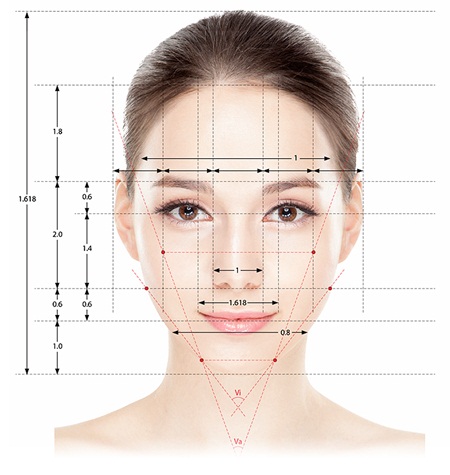
The 기준 for beauty is the balance between line and three-dimensionality
In the past, facial contouring surgery was popular as a procedure that greatly reduced the cheekbones or jaw. Today, however, it has evolved toward making fine adjustments to bone position and, when necessary, complementing volume to create a natural and soft facial line.
Rather than reducing the cheekbones as much as possible, we design them in a way that naturally connects the front and side cheekbones. For the jaw, instead of simply cutting it into a straight line, we design it to softly continue the line near the corners of the mouth.
Because people look at the overall harmony of the face, they come to feel that a natural three-dimensionality is what makes a face beautiful.
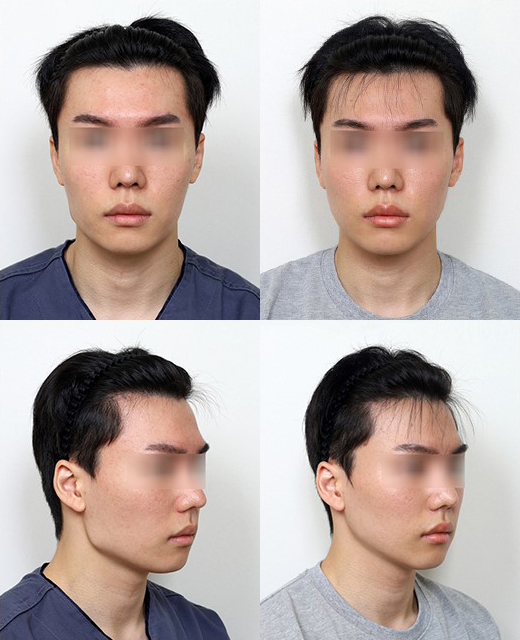
Square jaw surgery, corticotomy
When considering facial contouring surgery, the most important thing is to objectively understand your own facial structure.
Some people say, “My cheekbones are too big,” but in many cases, the cheekbones only look more prominent because of a lack of volume in the front cheeks rather than because the cheekbones themselves are large.
Also, what feels like a “wide jaw” may actually be a problem caused by developed muscles.
So rather than simply thinking about shaving bone, you need to accurately analyze which elements in your face are disrupting the balance.
That is why, during consultations, I always perform CT analysis together with frontal and lateral balance assessment. Even the same face can give a completely different impression depending on the angle.
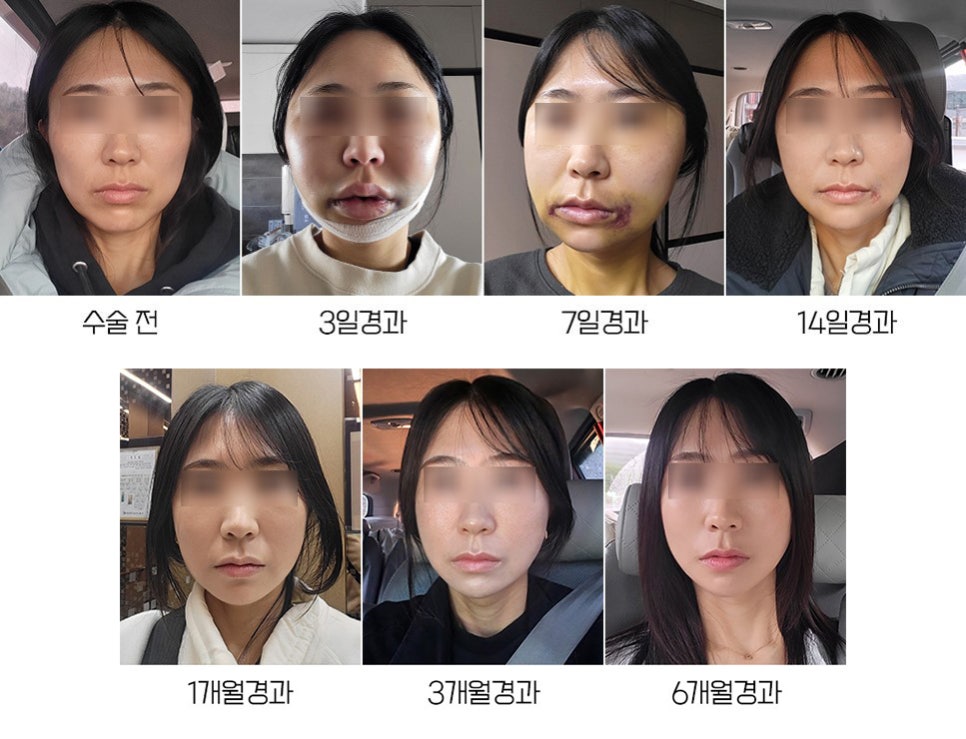
Recovery process after 230-degree three-dimensional cheekbone reduction, square jaw surgery, and chin surgery
The result of facial contouring surgery is completed through the process of swelling, muscle recovery, and skin adaptation after surgery.
Right after surgery, some angular feeling may remain, or the cheeks may look swollen, but as the swelling subsides and the muscles relax over 3 to 6 months, softer facial contours begin to show.
In the end, the goal of facial contouring surgery is not to make a face identical to everyone else’s, but to find the shape that suits you best.
Every person’s face has its own individuality and charm.
The most ideal facial contouring surgery is one that enhances that charm while improving the weak points.
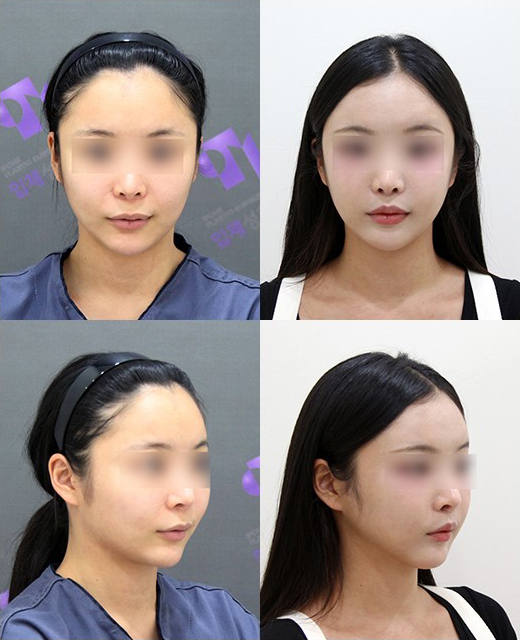
A patient who wanted to reduce the cheekbones and square jaw as much as possible
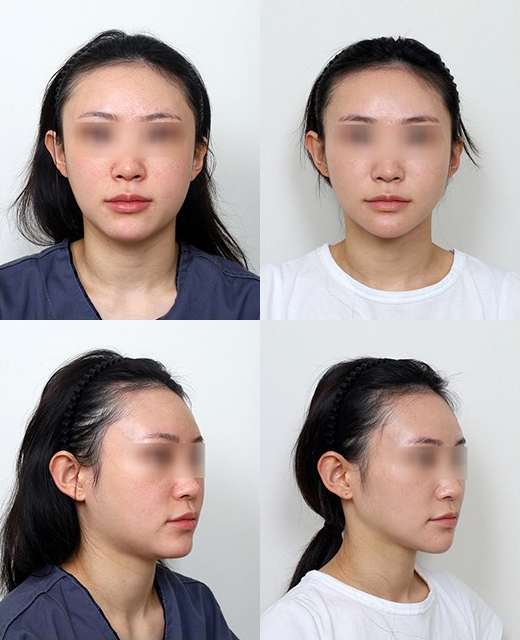
A patient who wanted to leave the angles almost untouched and create the slimmest, most delicate line possible
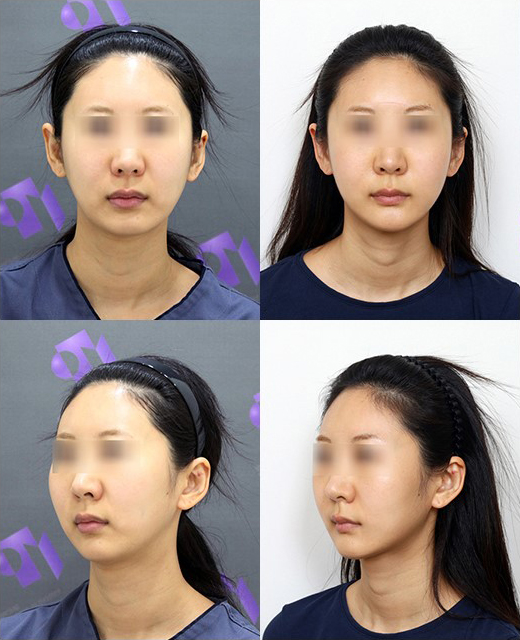
Because they did not want their impression to change,
a patient who wanted only improvement of the 45-degree cheekbone and receding chin, which were their concerns
Facial contouring surgery is not simply a procedure that reduces bone.
It is a delicate surgery of harmony that considers the structure of the face, muscles, skin, and even overall impression.
So the answer to the question, “If I get facial contouring surgery, will I look prettier?” is: “You will look prettier if the result is harmonious.”
The 기준 for beauty differs from person to person, but a harmonious face feels natural and attractive to everyone.
That is why, even today, I focus not on making faces smaller, but on creating three-dimensional faces that suit each individual.
I hope today’s post was helpful.
Thank you.