Hello, I’m Dr. Jo Hyun-woo of iplastic surgery clinic.
After cheekbone reduction surgery, some people may feel that the result looks a little different from what they had expected, or that it has been corrected too much, and may want to return to something closer to their original appearance. Today, I’ll explain in simple terms what methods can be used in such cases.
Cheekbone reduction surgery may be restored in different ways depending on the surgical method and how much time has passed.
When people think of restoration or reconstruction, they often imagine surgery that uses bone cement or implants made with 3D printing to recreate something closer to the original bone shape.
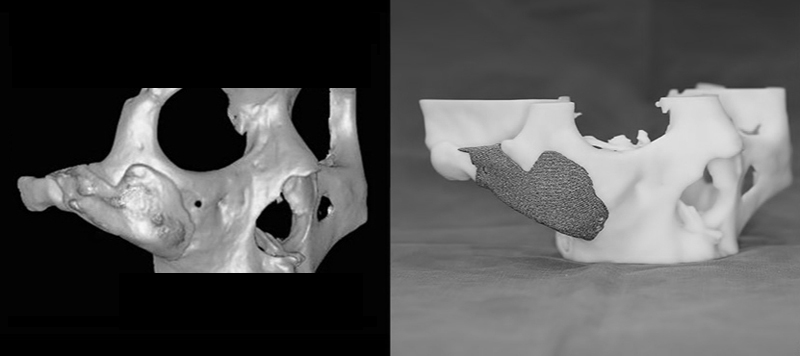
However, this type of reconstruction surgery is relatively complex and can also be financially burdensome.
There may be limits to restoring everything perfectly to the previous state, but there are also methods that are a little easier to approach.
First, let me explain the general 3D cheekbone reduction procedure.
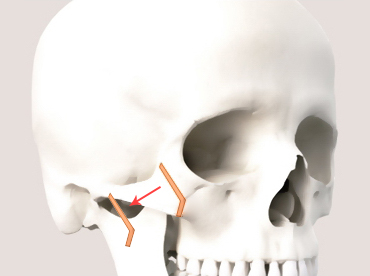
3D cheekbone reduction is basically performed by removing part of the bone in the 45-degree cheekbone area.
Since the removed bone cannot be restored, there is a limit to completely returning to the previous state unless a separate bone graft is performed.
However, during 3D cheekbone reduction, fixation pins are usually used in the 45-degree cheekbone area and the side cheekbone area.
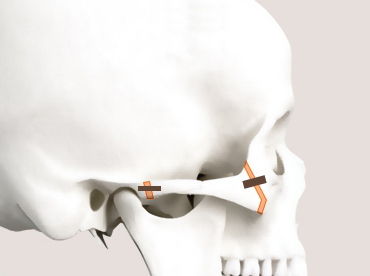
In general, patients want cheekbone reduction to be as dramatic as possible, so fixation pins of about 3 mm are usually used in the 45-degree cheekbone area and about 5 mm in the posterior cheekbone area. If you feel that the surgery has resulted in overcorrection, simply adjusting the thickness of these fixation pins can restore the cheekbone position somewhat closer to its original direction.
For example, if the 45-degree cheekbone has become too flat, the bone can be lifted upward again and corrected more naturally using a 0 mm plate. If the side cheekbone has been reduced too much, it is also possible to use fixation pins of about 2 to 3 mm to raise the cheekbone outward again and secure it.
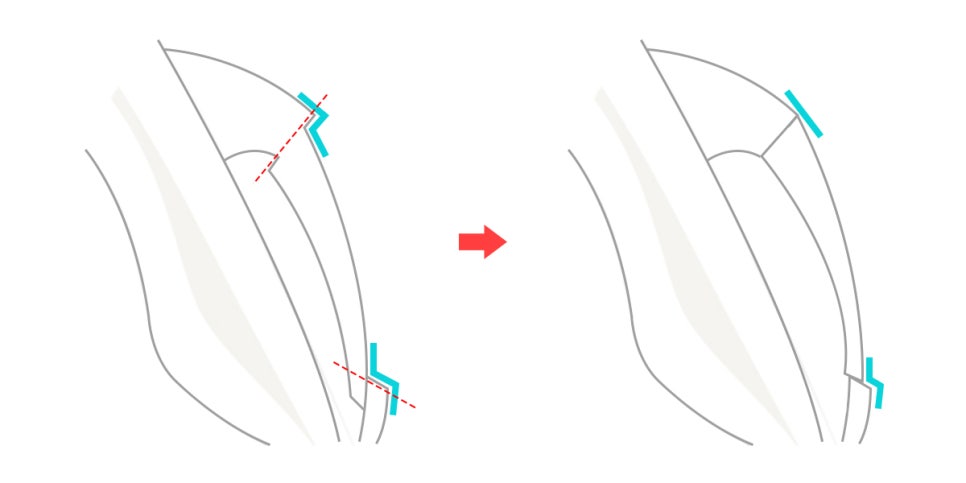
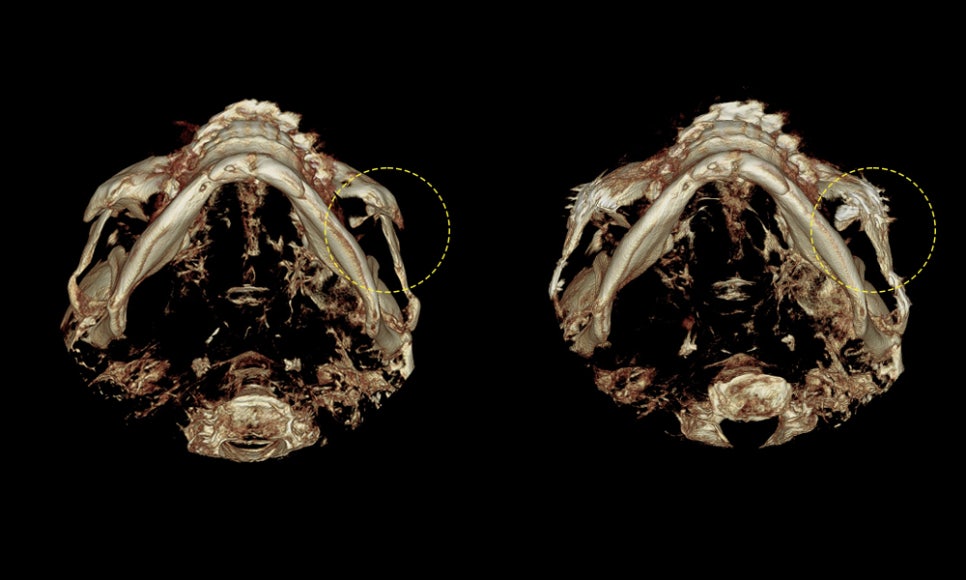
Case of restored 45-degree cheekbone
The correction method may vary slightly depending on how much time has passed since the first surgery.
If it has been about 1 to 2 months after surgery, the bone is often not yet fully healed, so correction can usually be done simply without additional osteotomy.
However, if a lot of time has passed after surgery, the bone has already become firmly fixed, so a repeat osteotomy may be needed to correct the overcorrection.
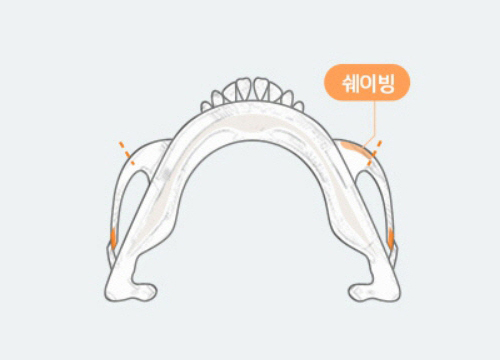
Next, I’ll explain the 230-degree three-dimensional cheekbone reduction procedure.
The 230-degree three-dimensional cheekbone reduction does not remove the 45-degree cheekbone bone; instead, the shape is refined through shaving, meaning the bone is ground down.
However, because the bone has been ground away, the shaved area cannot be returned to its original position.
So, if you want to restore volume in the 45-degree cheekbone area, a certain degree of restoration may be possible through fat grafting or fillers.
In the case of the side cheekbone, just like with 3D cheekbone reduction, the cheekbone position can be raised again and restored by adjusting the height of the fixation pins.
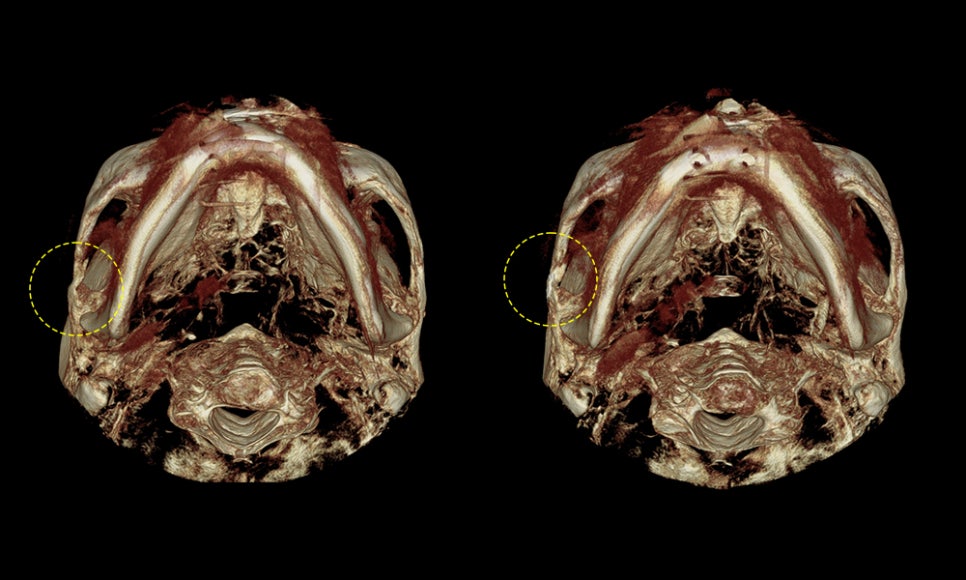
Case of restored side cheekbone
As with 3D cheekbone reduction, if it has been within 1 to 2 months after surgery, restoration can usually be done simply without osteotomy.
However, after the bone has fully healed, partial osteotomy of the 45-degree cheekbone and osteotomy of the posterior cheekbone area will be needed, just as in the first surgery.
Of course, it is difficult to return perfectly to the original preoperative bone state, but I hope you can think of it as being possible to correct it to some extent with a simpler method, without complex reconstruction surgery.
If you feel depressed because overcorrection after cheekbone surgery cannot be reversed, I think it may be worth considering if you want a simpler restoration method.
Thank you.