Hello, I’m Director Jo Hyun-woo of Injeok Plastic Surgery.
When consulting with patients about facial contouring surgery, there is one question they almost always ask.
“Will sensation not come back after surgery?”, “What if my lips keep feeling dull?” In fact, it is very common for sensation to become dulled for a certain period after surgery.
However, many people do not fully understand why this happens or how recovery takes place.
Today, I’ll explain the changes in sensation that can occur after facial contouring surgery and the recovery process.
Why does sensation decrease? Is it because “the nerve was cut”?
In most cases, it happens not because the nerve was cut, but because it has been irritated.
Facial contouring surgery involves working on bone, so the procedure is performed very close to sensory nerves that pass nearby.
Being pulled, compressed, or experiencing a temporary decrease in blood flow can temporarily reduce nerve function, but if there is no structural damage, most cases recover.
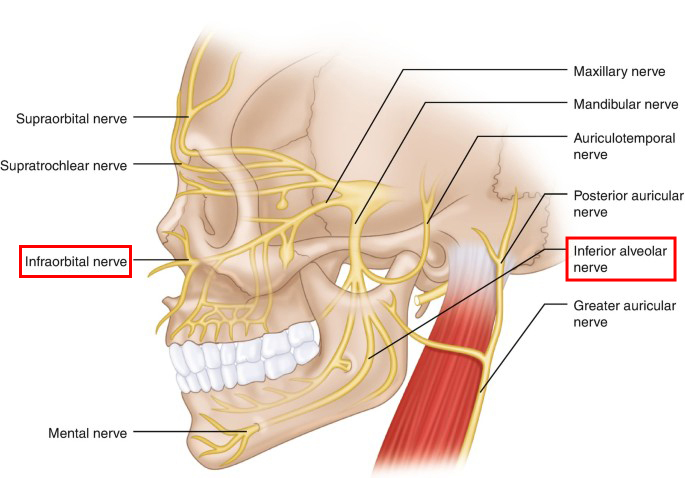
There are two major sensory nerves that are important in facial contouring surgery.
The inferior alveolar nerve, which is most important in square jaw surgery and chin surgery, runs along the inside of the lower jaw and is responsible for sensation in the lower lip and chin.
In addition, the infraorbital nerve, which can be affected in cheekbone reduction surgery, comes out below the cheekbone and is responsible for sensation in the cheeks and upper lip.
Because these nerves are very delicate, sensation loss can occur even from changes in the surrounding tissue without direct damage during surgery.
How does sensation recovery progress?
Nerve recovery is not as simple as you might think.
With time, it does not suddenly return all at once; instead, it recovers gradually through stages.
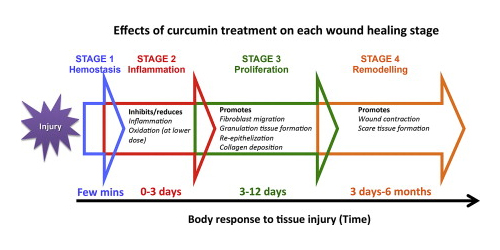
For the first 2 weeks after surgery, this is the numb stage, when sensation is barely felt at all. This is also the period when patients tend to feel the most anxiety.
But in reality, the nerve is not completely paralyzed; it is closer to a state where signal transmission is temporarily blocked.
Between 2 weeks and 2 months, a dysesthesia stage appears. During this time, you may feel tingling, an electric shock-like sensation, itching, or dullness. Many people feel uneasy about these symptoms, but they can be seen as a positive sign that nerve function is gradually beginning to recover.
Between 2 months and 6 months, recovery begins in earnest. During this period, major sensation gradually returns, but fine sensation may still feel dull, and some people notice a difference in sensation between the left and right sides. After about 6 months to 1 year, sensation reaches an almost normal stage, and for most patients, it recovers to a level that does not interfere with daily life.
Can sensation return late?
Yes. If the surgical area is wide, the amount of bone removed is large, the nerve was already thin or sensitive, or if it is a revision surgery, recovery can take more than 1 year rather than 6 months. However, the important point is that slow nerve recovery does not mean the nerve is permanently damaged.
Then is there also a case where sensation never returns permanently?
Permanent sensory loss is very rare, but it is not zero.
It can occur if the nerve is directly damaged or if severe compression or adhesions develop, but surgical techniques and anatomical understanding have advanced a great deal, so the possibility is much lower now than in the past.
Important differences seen in actual clinical practice
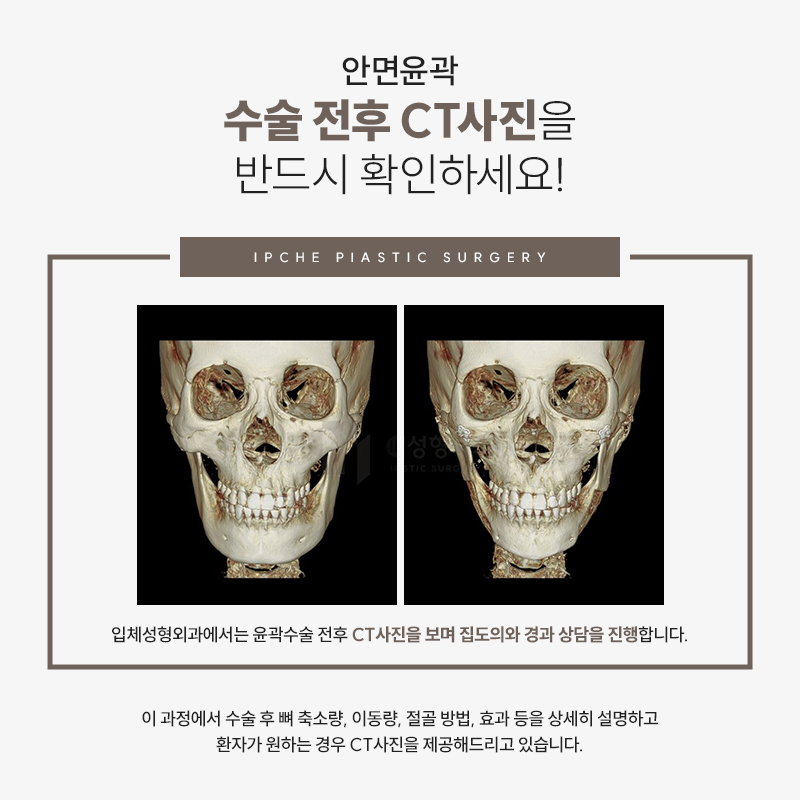
One thing I notice while treating many patients is that even with the same surgery, the speed of recovery varies greatly from person to person.
Some people return to almost normal within 2 to 3 months, while others recover gradually over more than 6 months.
This difference is determined by several factors, including nerve sensitivity, tissue response, and how long swelling lasts.
The moment that most confuses patients during the recovery of sensation is when they can feel warmth but not cold, or when they can feel touch but not the exact location, or when stimulation feels overly strong. All of these phenomena appear during the process of nerve regeneration and signal transmission being reorganized.
Therefore, rather than thinking of it as a strange sensation, it is more accurate to understand it as a recovery stage on the way back to normal.
Sensory changes after facial contouring surgery are an unavoidable part of recovery, but I consider explaining the recovery process just as important as the surgery itself.
I hope this article helps ease some anxiety and improve understanding for those who are considering facial contouring surgery or are currently recovering.
Thank you.