I had acne in my school days…
The scars are still there
The acne has calmed down,
so why are the scars still there?
The acne I went through during puberty
I thought it was just a passing skin problem,
but every time I looked in the mirror,
those remaining scars could become more noticeable.
Even as you get older, if acne keeps breaking out
and the scars become deeply set, leaving the skin uneven,
you may think, "This much can probably be covered with makeup," but
over time the skin texture can become rougher,
and pigmentation may also remain.

Hello.
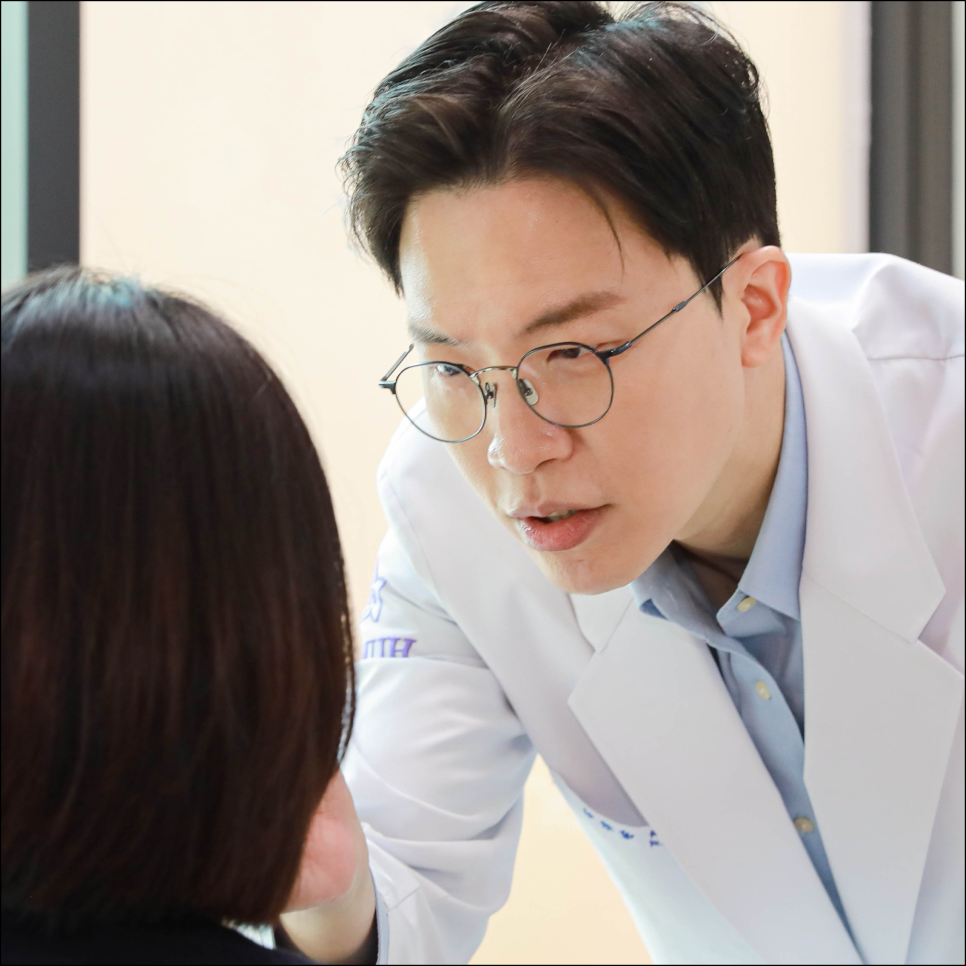
I am dermatologist Bang Chan-il.
Where does beautiful skin come from?
There are other important factors, such as glow and elasticity,
but I think the first thing that needs to be prepared is
smooth, porcelain-like skin.
Today, as I was looking up SNU Entrance acne scars,
I would like to write a helpful post for those who are
stressed out about them.
As you read to the end,
I hope you can find answers about
the types of scars and treatment methods.
"If I just leave acne scars alone, will they get worse?"
"If I start treatment now, can they improve?"
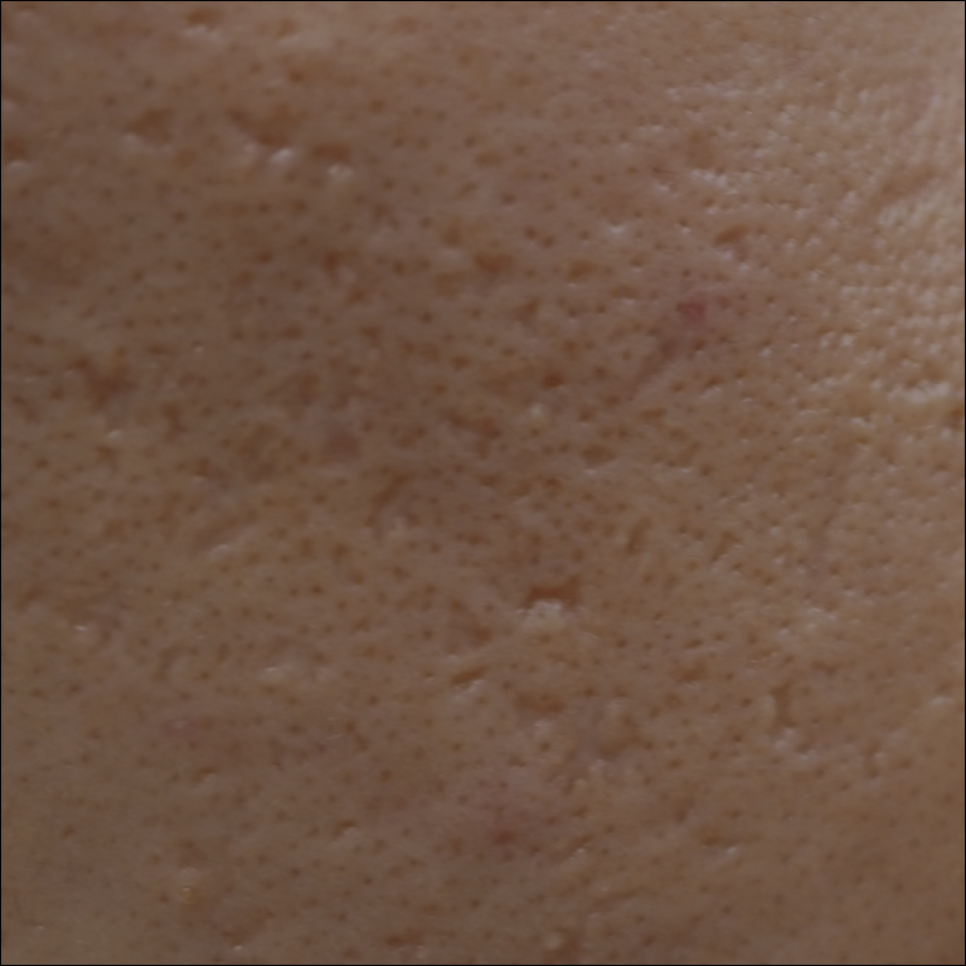
Acne itself is stressful,
but if scars remain as well, skin recovery
can become even more difficult.
Why do acne scars form?
They often appear when you squeeze acne with your hands,
or when skin inflammation becomes severe.
In particular, if skin regeneration is slow,
it may not recover easily
and can remain for a long time.
 What types of acne scars are there?
Treatment methods can also vary depending on the type of scar.
What types of acne scars are there?
Treatment methods can also vary depending on the type of scar.
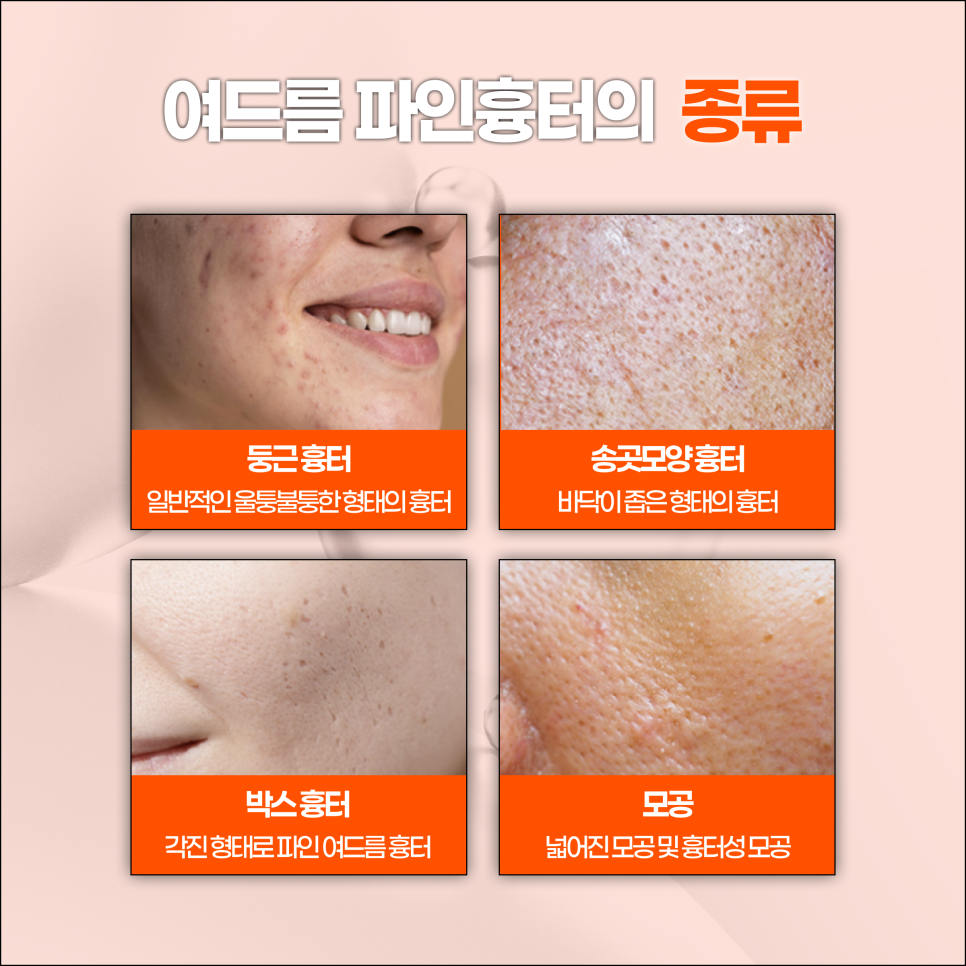
Acne scars are caused by inflammation,
when the inner lining of the skin melts away,
and they generally appear in three forms.
Indented scars
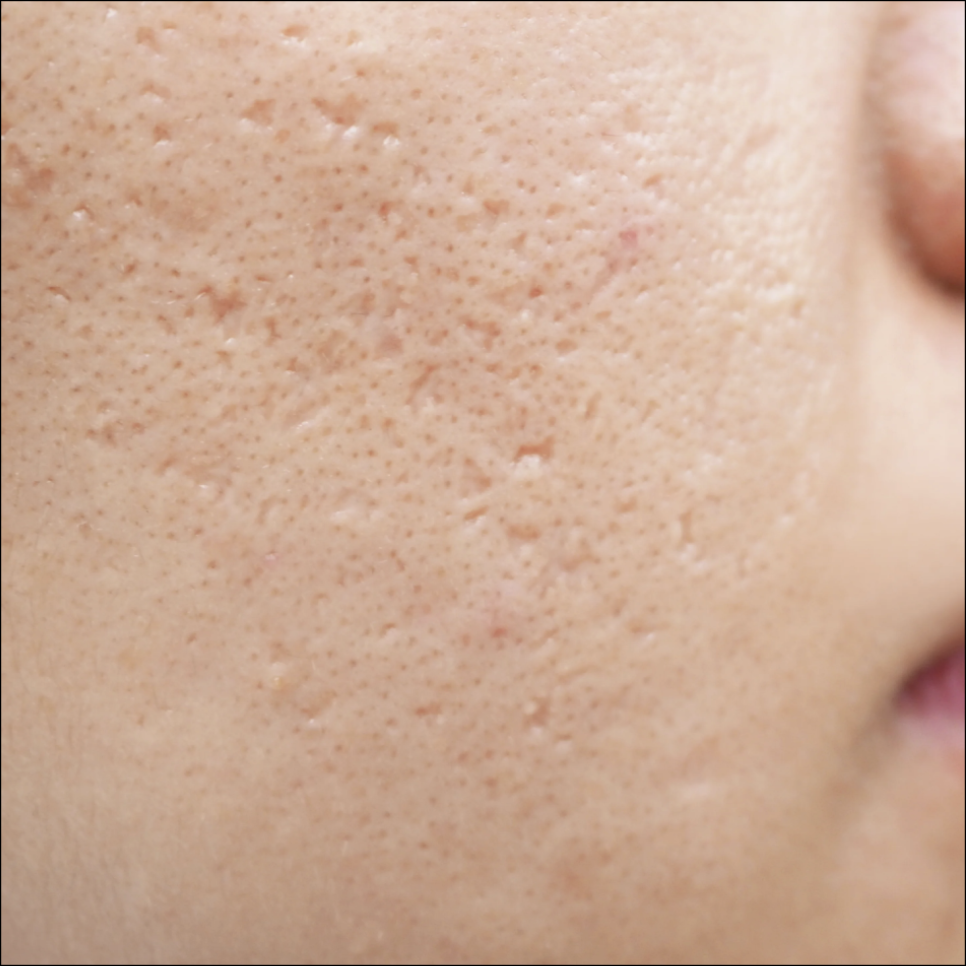
These are scars that form as the skin becomes sunken.
They are commonly divided into "ice pick scars,"
"boxcar scars," and "rolling scars,"
and because collagen inside the skin is lost,
they are often difficult to recover from.
Pigmentation & red scars
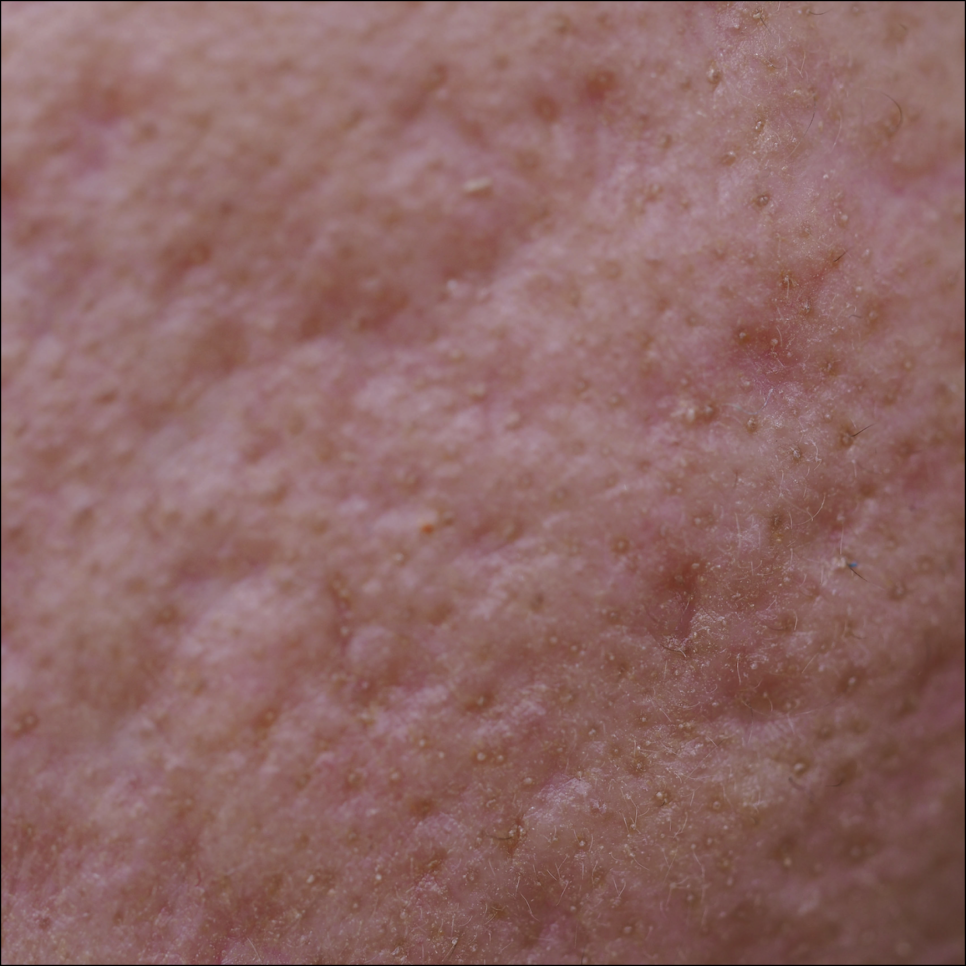
This refers to cases where acne has subsided,
but traces remain in red or brown.
As the inflammatory response inside the skin remains and blood vessels widen,
the redness can persist for a long time.
If you are exposed to a lot of ultraviolet light,
there is a possibility that it may become darker.
Raised hypertrophic scars
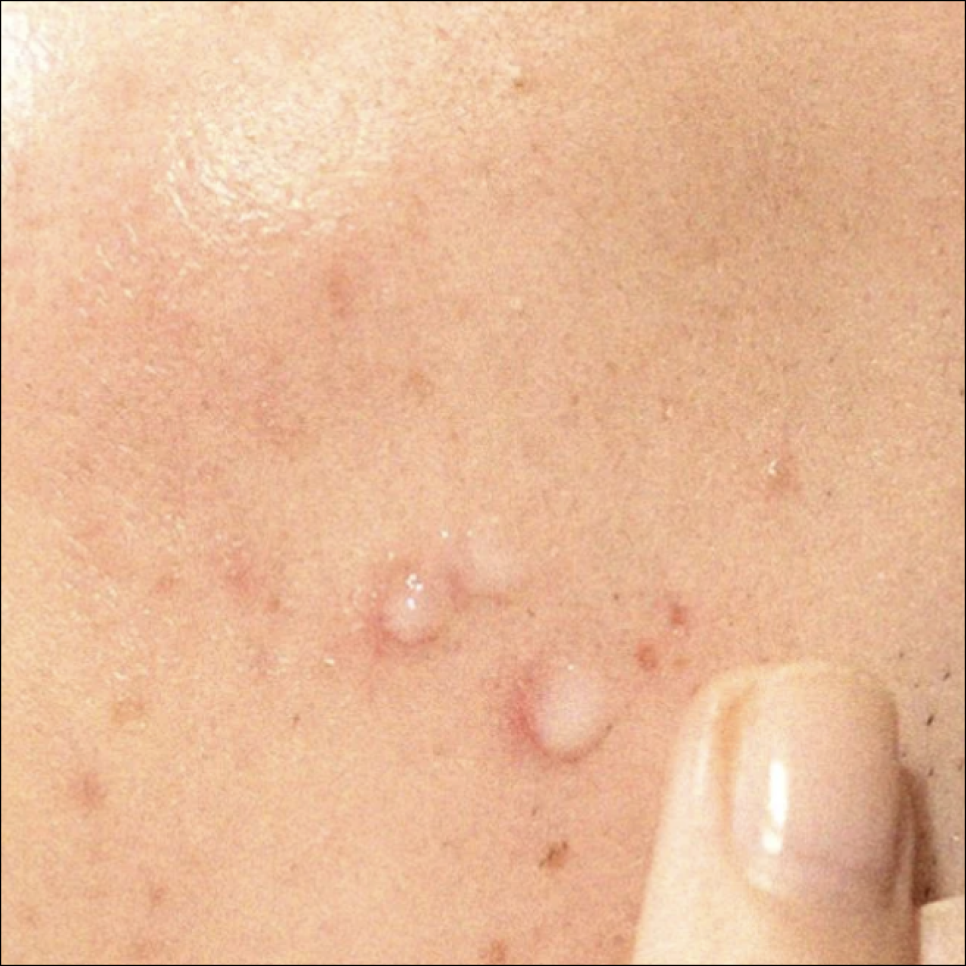
These are scars that rise above the skin
as acne heals.
They occur when excessive fibrous tissue is produced
in areas where inflammation was severe.
They do not subside easily over time,
and can spread to surrounding areas.
Should acne scars be treated quickly?
The sooner, the better.
As time passes, scars
become more fixed within the skin.
In other words, the earlier the treatment, the better the results you can expect.
Old scars become more difficult to treat.
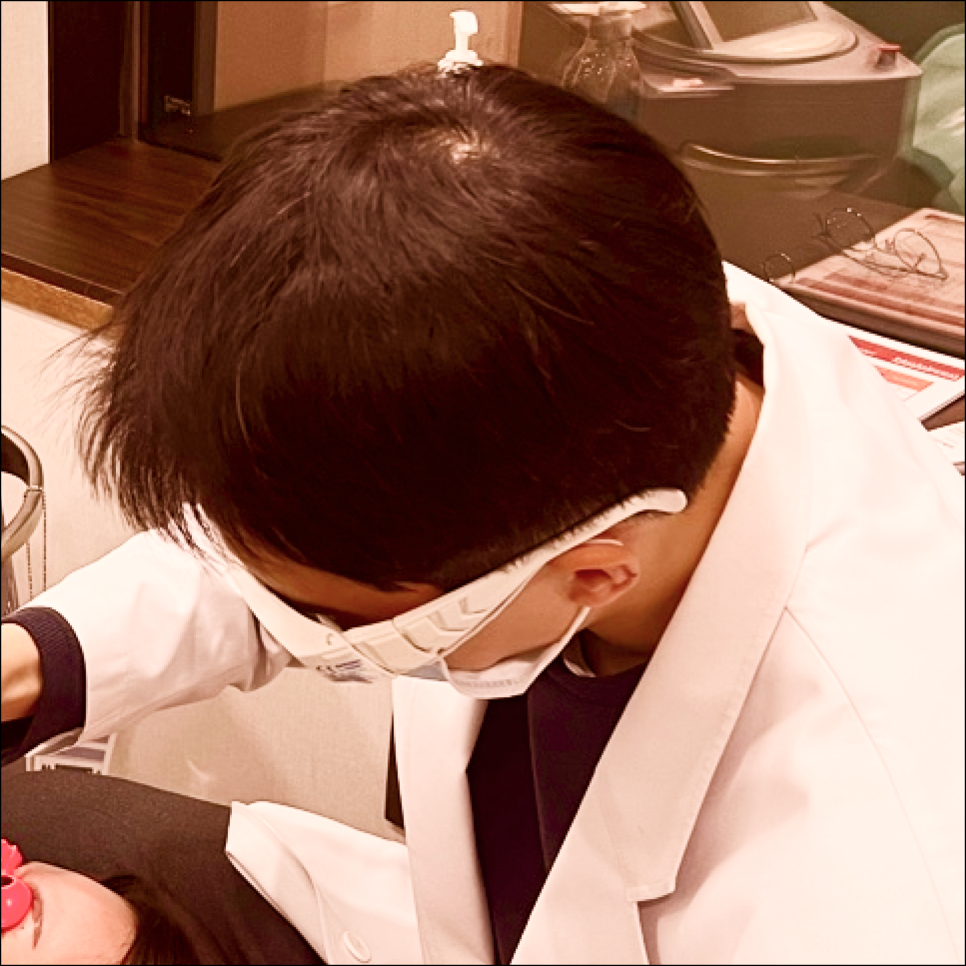
Once they have settled in,
treatment can become more difficult as time goes by.
Acne scar treatment should be tailored
to the condition of the skin and the type of scar.
For the various types mentioned above,
there are appropriate treatment methods.
Acne may look the same,
but the causes and the forms of scars are all different.
You may think they will gradually recover over time,
but if left alone for too long, it can become more difficult.
When should scar treatment begin?
If possible, starting as early as you can is the best approach.
Even if it is not at our clinic,
if you are feeling stressed while searching for SNU Entrance acne,
I hope you visit a place that understands your concerns well and receive a consultation.
The most important thing is, of course, not to leave scars behind.
(You should not squeeze acne with your hands.)
Thank you for reading this long post.
[Recommended reading]