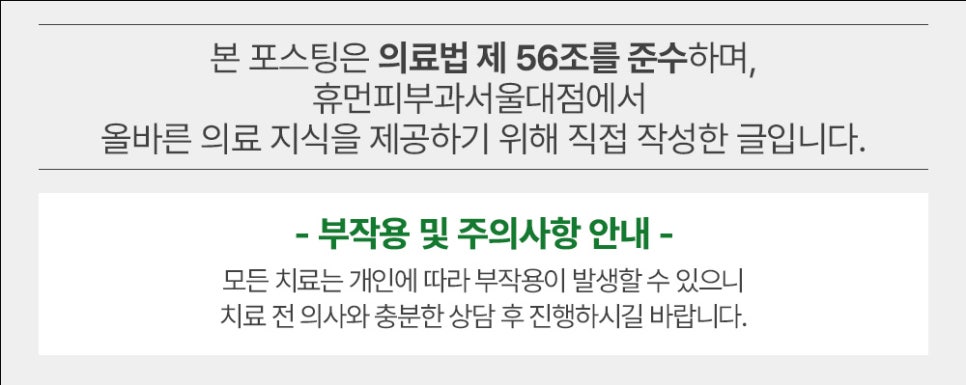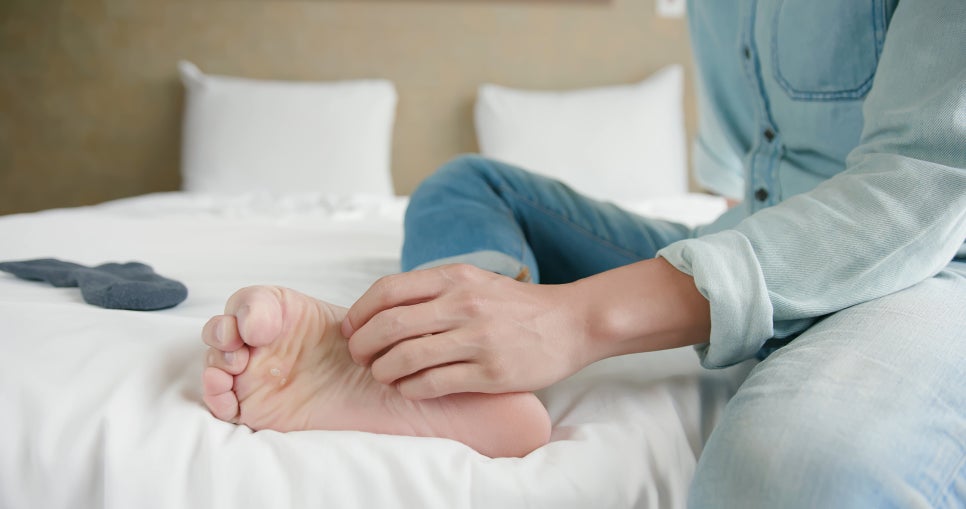
Athlete’s foot is one of the skin conditions commonly encountered in everyday life, and it can develop easily, especially in the summer or in environments where shoes must be worn for long periods. Medically, it is a fungal infection caused by dermatophytes, mainly affecting the feet, hands, and nails.
Athlete’s foot does not simply cause itching and discomfort; if it becomes chronic, it can significantly reduce quality of life.
It is also contagious, so it can easily spread to others at home or in public places, making early detection and proper treatment important.
Types of Athlete’s Foot
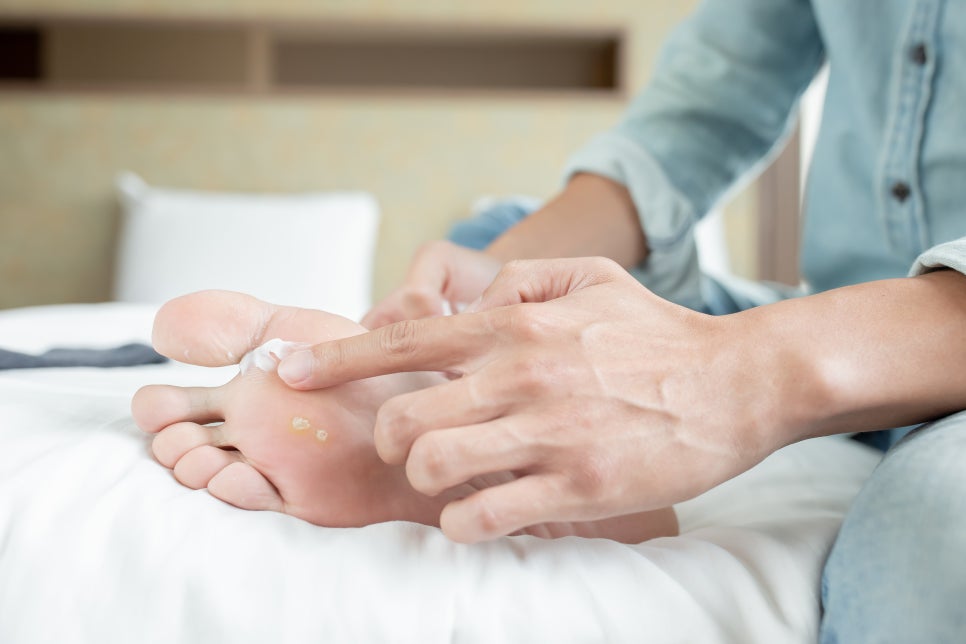
Athlete’s foot is divided into several forms depending on the affected area and symptom pattern. The four representative types are as follows.
Vesicular athlete’s foot
Small blisters or pustules appear on the toes, soles, or heels, and itching and pain may occur. If the blisters burst, oozing can occur and the risk of secondary infection may increase.
Hyperkeratotic athlete’s foot
The skin on the soles becomes thicker and drier, and white flakes appear. In severe cases, the heels may crack, causing pain while walking. It is mainly a chronic form that tends to persist for a long time.
Interdigital athlete’s foot
This is the most commonly known form of athlete’s foot, in which the skin between the toes becomes macerated or cracked. It develops easily in environments with lots of sweat and poor ventilation, and it may also be accompanied by a distinctive odor.
Toenail and fingernail fungus (onychomycosis)
Fungus invades the fingernails or toenails, making them dull in color, thickened, and easily cracked. In addition to cosmetic concerns, nail deformity can make wearing shoes uncomfortable, and if left untreated, it tends to progress relatively quickly.
Causes of Athlete’s Foot
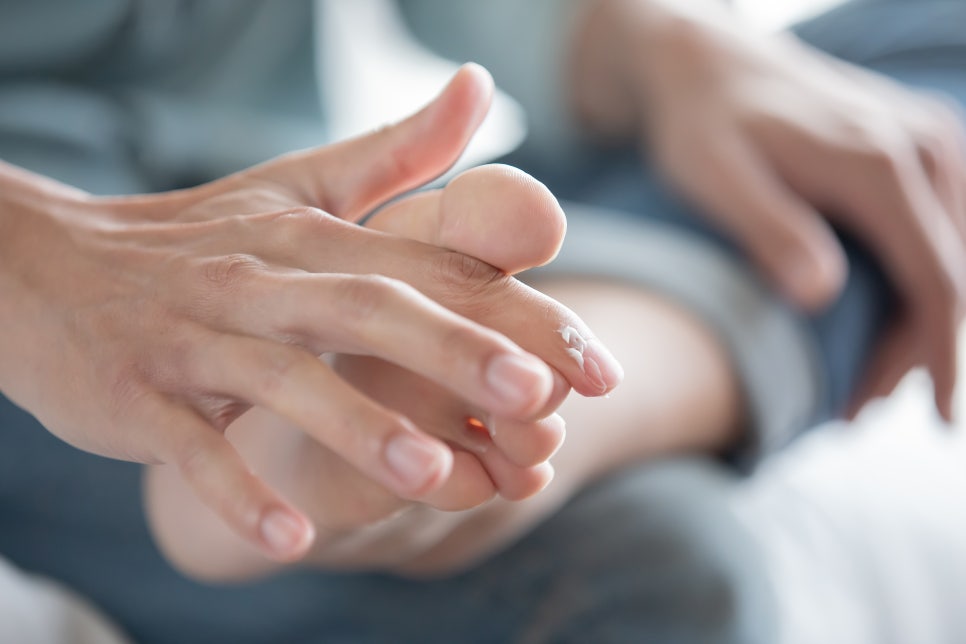
The biggest cause of athlete’s foot is fungal (dermatophyte) infection. These fungi thrive in warm, humid environments, so it can develop easily when wearing poorly ventilated shoes for long periods or when the feet sweat a lot. The main causes can be summarized as follows.
-
Environmental factors: Walking barefoot in shared facilities such as swimming pools, bathhouses, and gyms makes it easier to become infected with fungi.
-
Poor hygiene management: If the feet are not washed often or are left sweaty, fungal growth becomes more active.
-
Weakened immunity: People with diabetes, older adults, and those with weak immunity are more likely to get athlete’s foot and have worsening symptoms.
-
Tendency to recur: Athlete’s foot is a condition that can recur easily even after treatment, and if not properly managed, it becomes chronic.
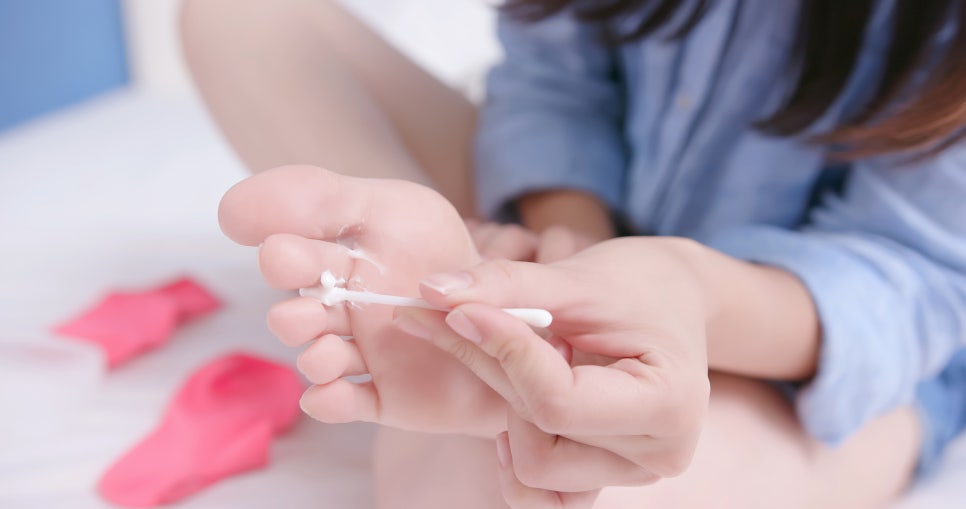
Treatment and Management of Athlete’s Foot
Treatment for athlete’s foot should be approached differently depending on the patient’s condition, the severity of the symptoms, and the affected area. The following are representative treatment and management methods.
Medication treatment
-
Topical agents: Use products containing antifungal ingredients such as ointments, creams, and sprays. They are effective when skin symptoms are localized.
-
Oral medication: Toenail and fingernail fungus or widespread athlete’s foot may require oral antifungal medication. However, because it can affect liver function, a doctor’s prescription and monitoring are essential.
Lifestyle management
It is important to wash your feet clean every day and, in particular, dry the spaces between the toes thoroughly.
It is a good idea to choose socks made of cotton, which absorb sweat well, and to change them once or twice a day.
Choose shoes that are well ventilated, and do not wear the same pair continuously; let them dry sufficiently to prevent fungal growth.
If a family member has athlete’s foot, personal items such as towels and nail clippers must be used separately.
Toenail and fingernail fungus management
Toenail and fingernail fungus does not respond well to ordinary ointment treatment, so specialized treatment is needed. Taking oral antifungal medication or laser treatment may be effective, and the treatment period may last several months.
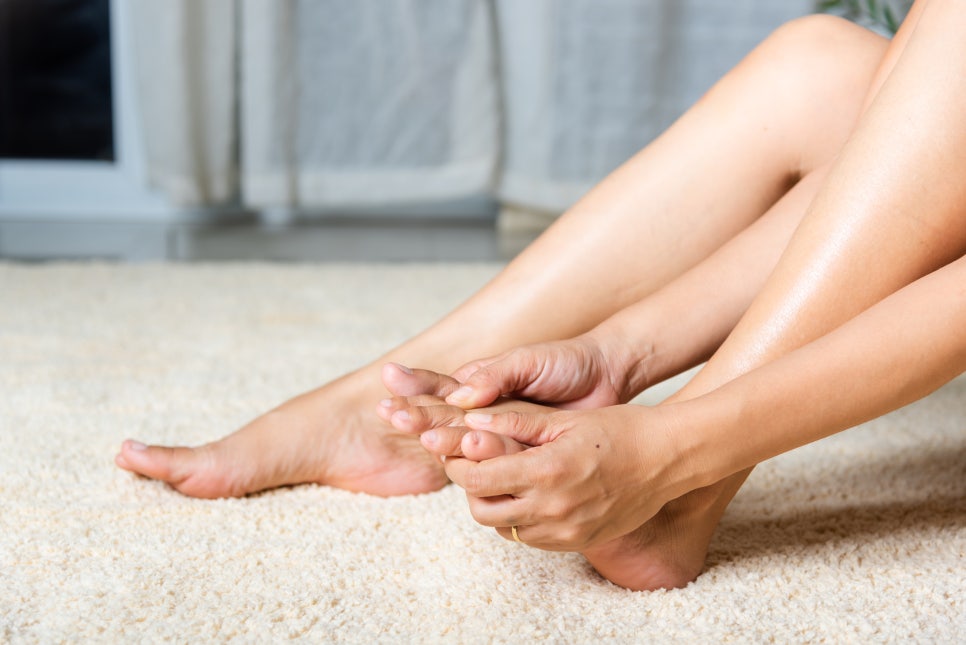
Athlete’s foot is not just a condition that ends with cosmetic discomfort or mild itching; if proper care is not provided, it can become chronic and spread to others as an infectious disease. Therefore, early detection and proper treatment are more important than anything else.
You can help prevent recurrence through everyday hygiene management, habits of ventilation and drying, and regular nail care. Athlete’s foot is a common condition that can happen to anyone, but with the right treatment and consistent care, it can be overcome.