Skin, and more than skin | Human Dermatology Clinic Seoul National University Branch
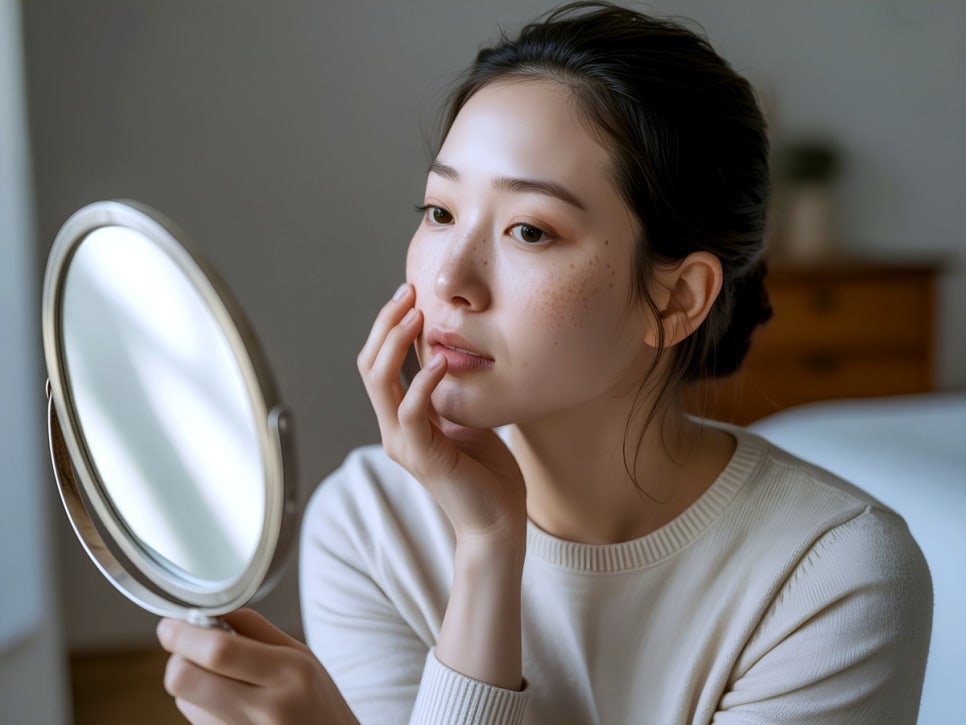
Why do melasma and dark spots appear on the skin?
Brown spots and color changes on the face that appear without you noticing.
Even if they seem to have suddenly appeared one day,
your skin actually remembers every form of irritation
quietly.
Sunlight, stress, and lack of sleep
are all causes of pigmentation.
When these changes repeat,
they can appear as melasma and dark spots,
so early management is more important than anything.
Accurate information and improving habits
are the first step toward healthy skin.
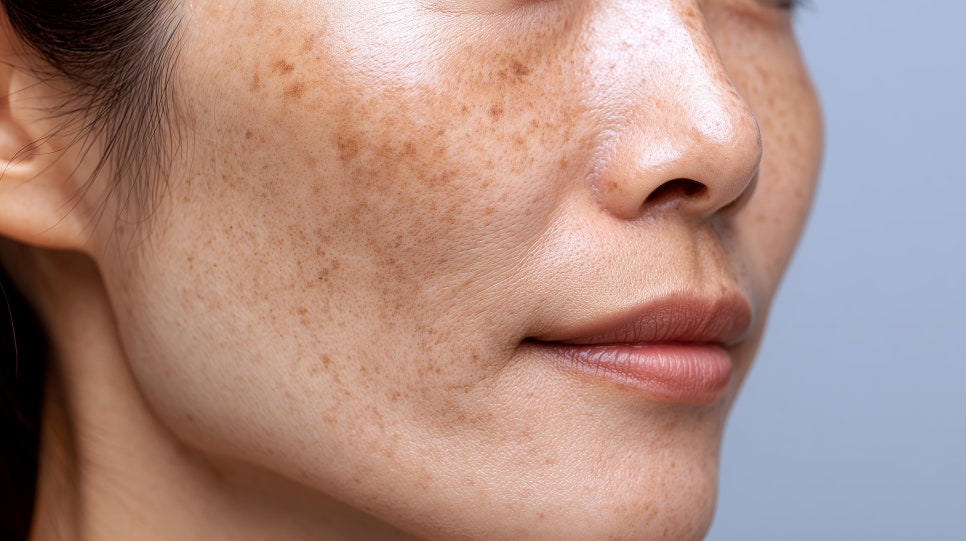
How are melasma and dark spots different?
Melasma usually appears as a broad, diffuse form
on both cheeks or the forehead,
and is caused by an increase in melanin pigment.
Genetics and hormonal changes
also affect the development of melasma.
Dark spots are small, distinct spots
and may look like freckles.
Skin irritation and UV exposure
have a more direct effect than they do with melasma.
Although the two conditions may look similar,
it is important to note that the treatment approaches are different.

Is melanin the problem?
Our skin
creates a defense barrier called melanin
to protect itself from ultraviolet rays.
But when melanin becomes excessive,
pigment remains behind and causes problems.
Especially in spring and summer,
as the UV index rises,
existing pigmentation can become darker.
Stress, smoking, and hormonal changes are also
factors that increase melanin production.
That is why consistent care is needed.
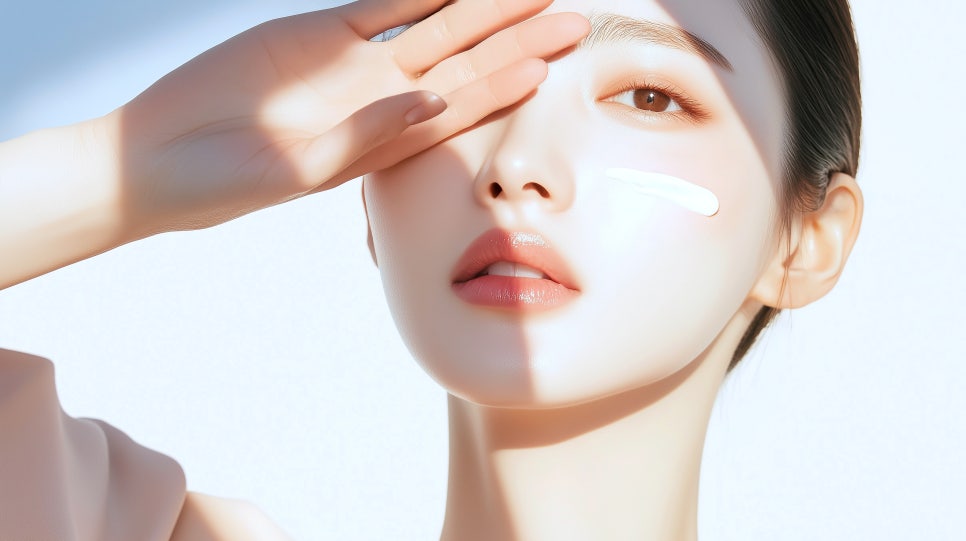
You can find the answer in your lifestyle habits
For melasma and dark spots,
prevention is much more effective than treatment.
Use sunscreen every day,
and make sure to apply it even on cloudy days.
Drinking enough water and getting sufficient sleep
greatly help skin regeneration,
and improving lifestyle habits is more important
than simply using skincare products.
Reducing habits that irritate the skin
and creating an environment that protects the skin
can be seen as the core of pigmentation care.
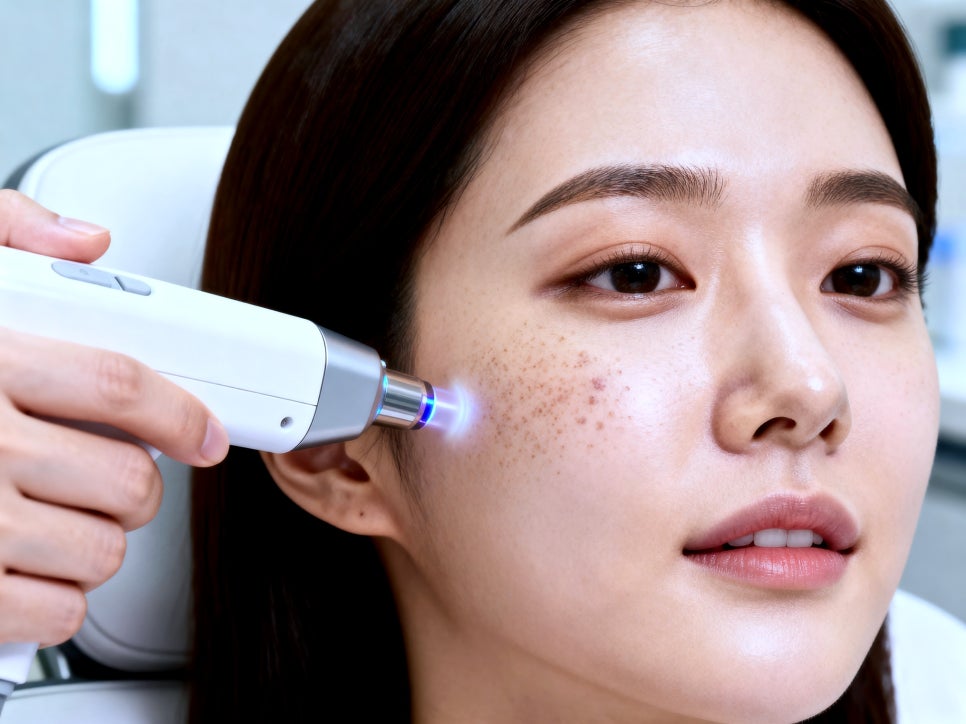
How is treatment carried out?
Depending on how deep the pigmentation is,
treatment methods vary greatly.
Mild dark spots can improve with cosmetics
or whitening care alone,
but older melasma can benefit from laser treatment.
IPL or toning laser treatment
selectively reduces melanin
and helps even out skin tone.
However, if post-procedure care is lacking,
you must remember that there is also a possibility of recurrence.
Consistent care is the most important thing
Melasma and dark spots are not simply skin troubles,
but can be seen as signals of skin health.
Rather than relying only on procedures or cosmetics,
lifestyle habits and diagnosis must work together
to minimize recurrence.
After an accurate diagnosis, setting up a treatment plan
and helping the skin recover
is a safe and effective approach.
Rather than worrying alone, if you consult a specialist
and approach the condition with an accurate understanding of your skin,
you can fully look forward to skin that is much brighter than it is now.