The value beyond skin | Human Dermatology Clinic Seoul National University Branch
If You’re Worried About Acne Scars
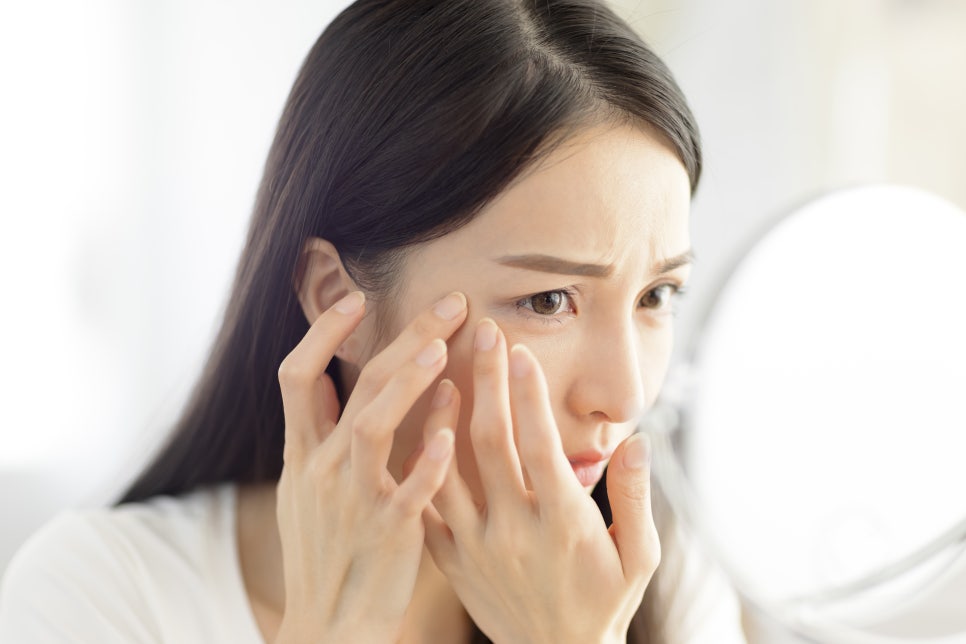
Every time you look in the mirror,
the acne is all gone,
but the marks left behind
make you feel more self-conscious.
Makeup does not sit well,
and under the lights,
the skin texture looks even more pronounced,
which can also lower your confidence.
Acne scars are more than just
marks left on the skin;
they often affect how you feel too.
You may wait, thinking,
“It will get better with time,”
but because they do not fade
as easily as expected,
the concern can last a long time.
So today, we would like to talk about
why acne scars form
and how to manage them well.
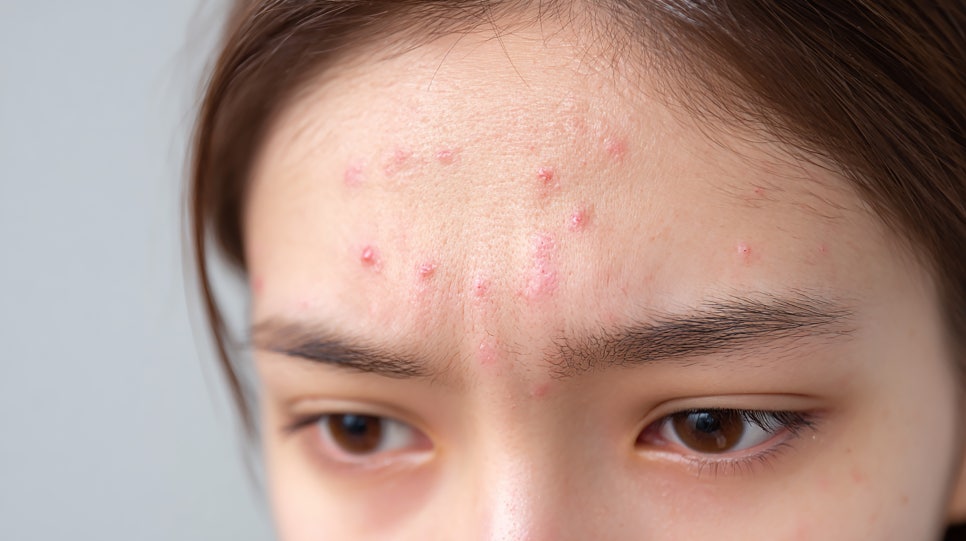
What are acne scars?
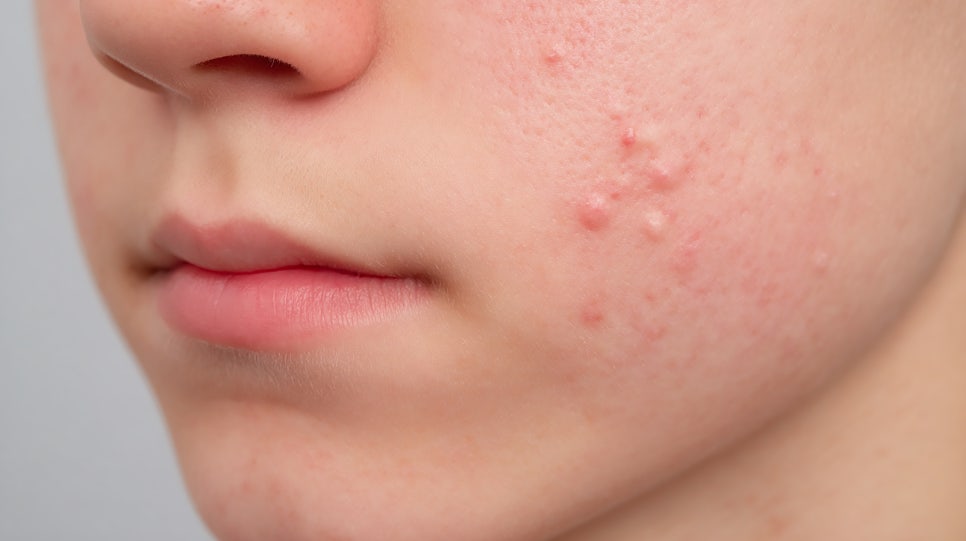
Acne scars are marks that remain
after acne causes severe inflammation
and the skin tissue
fails to heal properly.
In some cases, only color remains,
but in many cases,
they appear as sunken or bumpy
changes in the skin.
In particular, when inflammatory acne
is squeezed by hand or repeatedly
irritated,
the likelihood of it leading to scarring
increases.
If the damage reaches the dermis
inside the skin,
it becomes difficult to return
to the original state
through natural recovery alone.
That is why acne scars can be seen as one
of the skin concerns where both prevention
and care are important.
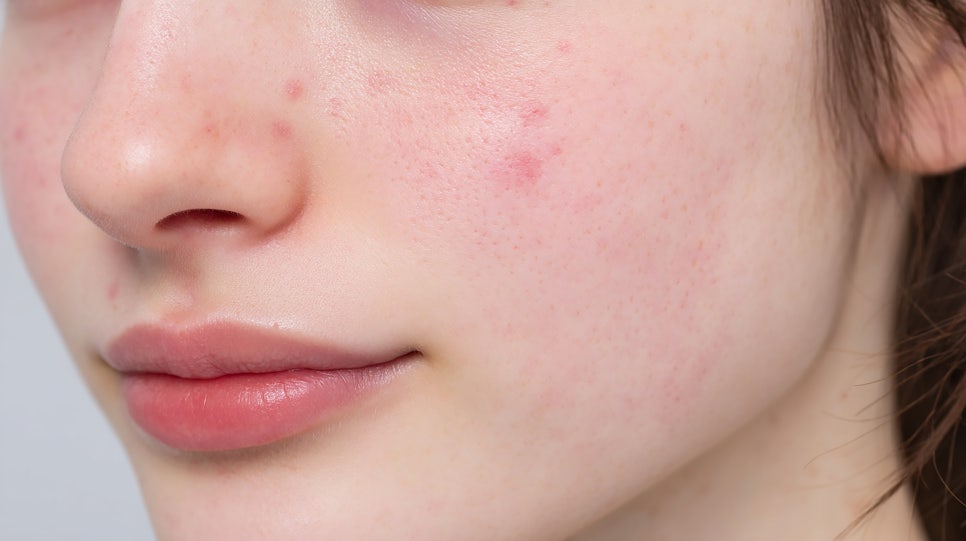
Various forms of acne scars
Acne scars do not appear
in just one form.
There are several types,
such as ice pick scars,
deep, needle-like pits;
rolling scars,
which are round, dish-like depressions;
and boxcar scars,
which have relatively distinct edges.
There are also many cases where the skin is
not indented, but red or brown pigmentation
remains.
Because the management method changes
depending on the type and depth of the scar,
it is important to know what kind of scars
your skin has.
Rather than vaguely thinking,
“I have scars,”
just understanding what kind they are
can make the direction of care much clearer.
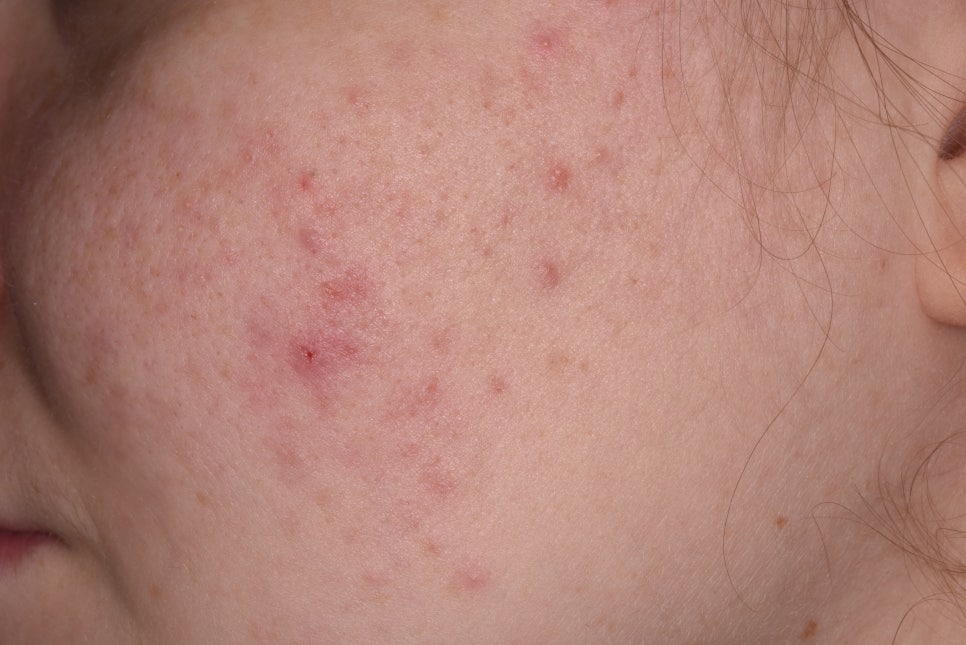
How should acne scars be managed?
Managing acne scars is not something
that ends overnight.
First, the basics are habits
that minimize irritation.
Over-exfoliating or rubbing the skin
with strong pressure can actually
make scars look more noticeable.
Adequate moisturizing and sun protection
are also essential.
Ultraviolet rays can darken pigmentation,
making scars last longer.
For scars that are already deeply indented,
professional care that promotes skin renewal
can be helpful.
The important thing is to choose a method
that suits your skin condition
slowly and consistently.
Many people feel that it is already too late
to start caring for acne scars,
but that is not actually the case.
If you accurately understand your current
skin condition and manage it one step at a time
in a way that does not overdo it,
change will surely come.
The goal is not only to remove them completely;
the process itself, where skin texture becomes
slightly smoother and the tone becomes more even,
can be a meaningful change.
Instead of feeling stressed every time you
look in the mirror,
try thinking of it as time spent understanding
and caring for your skin.
The first step in managing acne scars
begins with letting go of impatience
and caring for the skin slowly and steadily.