Human Dermatology Clinic Seoul National University Branch
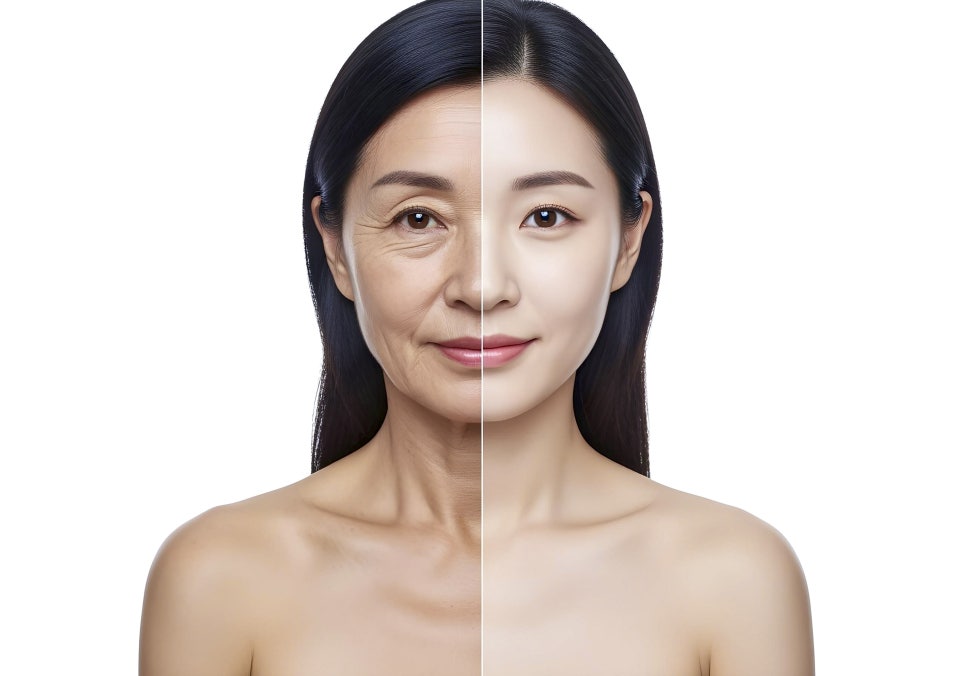
When you look in the mirror, there are moments when
these thoughts cross your mind.
“Does my face seem a little saggy compared to before...?”
“Do my wrinkles look deeper when I smile?”
At first, you may brush it off
as just being tired,
but when these feelings repeat,
they naturally lead to concerns about
skin elasticity and wrinkles.
In fact, skin changes do not appear
all of a sudden on one day;
they progress little by little,
as if they are accumulating over time.
That is why they are hard to notice
early on, but at some point you start to feel it
when you see your own face in photos
or notice a change in your skin texture
while putting on makeup.
Today, I’d like to talk about why
a decline in skin elasticity and wrinkles happen,
and how you can manage them.

Why skin elasticity decreases
The most important factors
that determine skin elasticity are
collagen and elastin.
You can think of these two as
ingredients that act like a kind of framework
that supports the skin and keeps it firm.
The problem is that as we age,
these components naturally
decrease.
When ultraviolet rays, stress,
lack of sleep, and irregular lifestyle habits
are added on top of that,
the skin’s aging process speeds up.
In particular, ultraviolet rays directly
destroy collagen in the skin,
which is why they are considered one of the biggest
causes of aging regardless of the season.
As these factors act together,
the skin gradually loses strength,
leading to reduced elasticity.
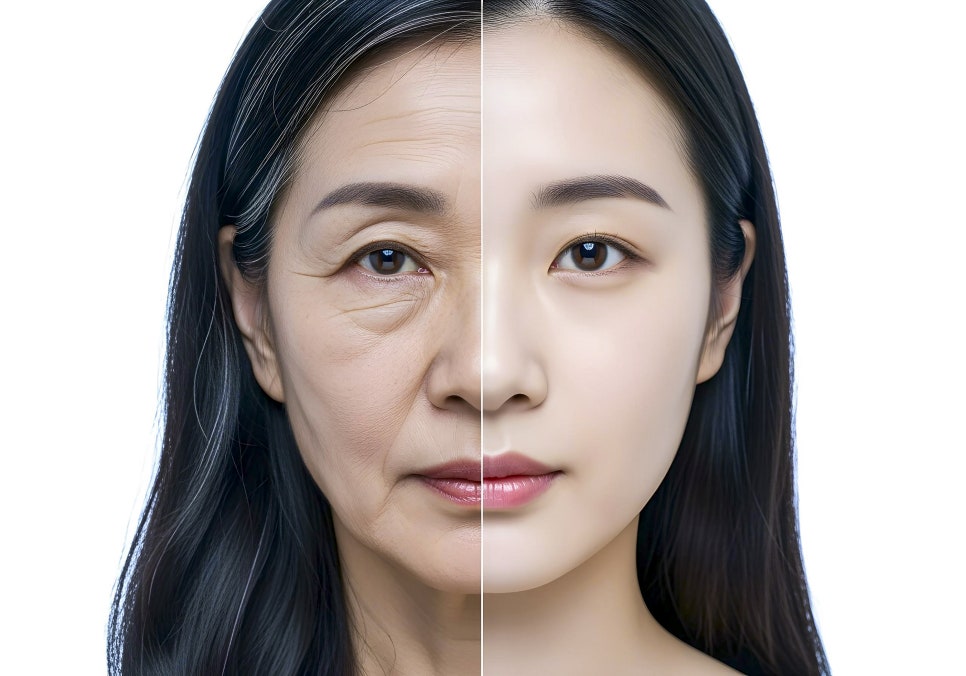
How do wrinkles form?
Wrinkles are not caused simply
by getting older.
There are many different types,
from expression lines formed by repeatedly
moving the face,
to fine lines and deeper wrinkles
that settle in as the skin becomes thinner
and loses elasticity.
Areas such as around the eyes and mouth,
where the skin is thin and moves a lot,
are especially prone to developing wrinkles first.
Wrinkles that were once visible only
when smiling often gradually turn into
fixed wrinkles that remain even
when the face is at rest.
Once this stage is reached,
it becomes difficult to cover them with makeup,
and it is best to take it as a sign
that care is needed.
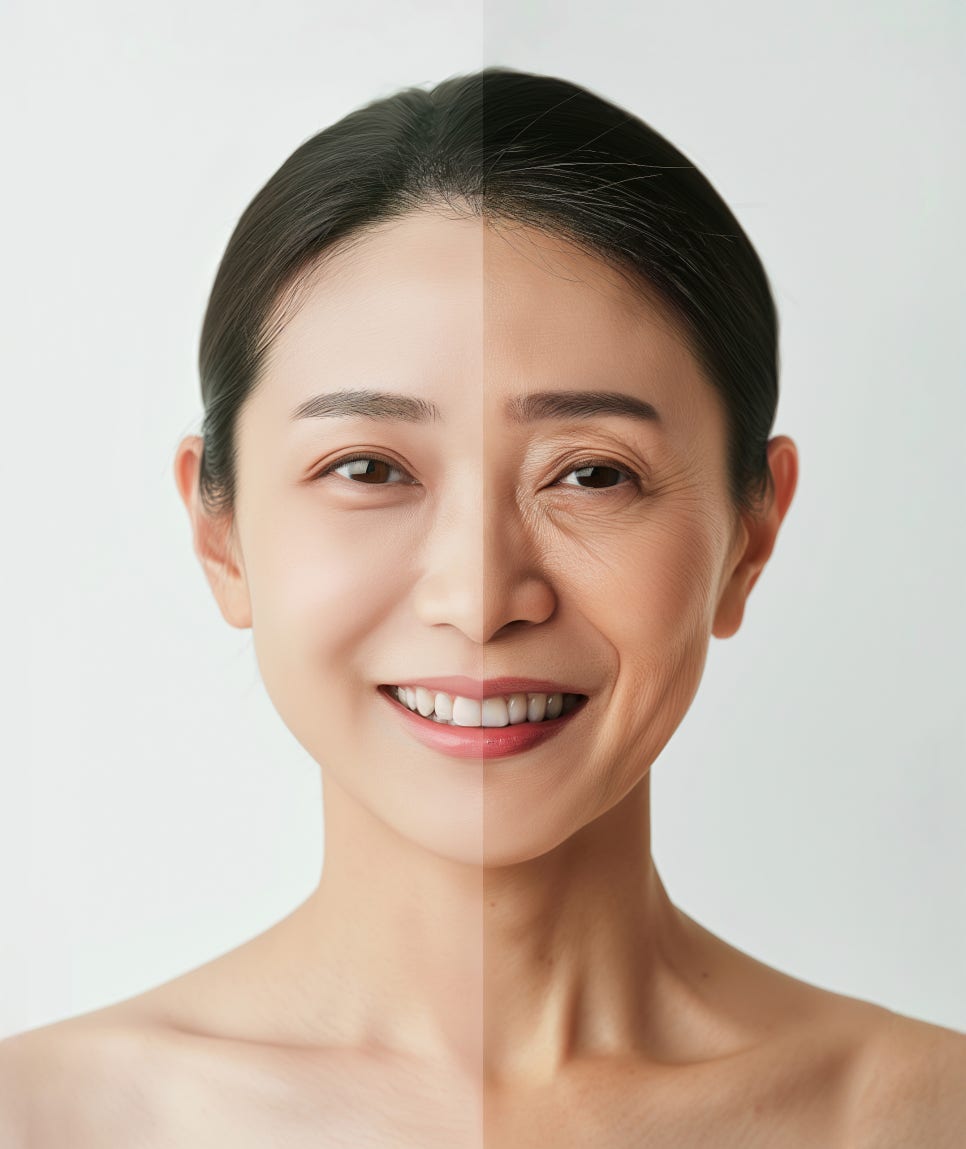
Daily ways to manage elasticity
Skin elasticity and wrinkle care
can start with small habits in everyday life.
The basics are enough moisture
and sun protection.
When the skin is dry,
fine lines form more easily,
and existing wrinkles can appear even more
noticeable.
Regular sleep and a balanced diet
are also more important than you might think.
Overnight, the skin takes time to
recover on its own,
so if sleep quality is poor,
elasticity recovery can also slow down.
Adding light stretching or habits that help
blood circulation can also be helpful
for maintaining skin condition
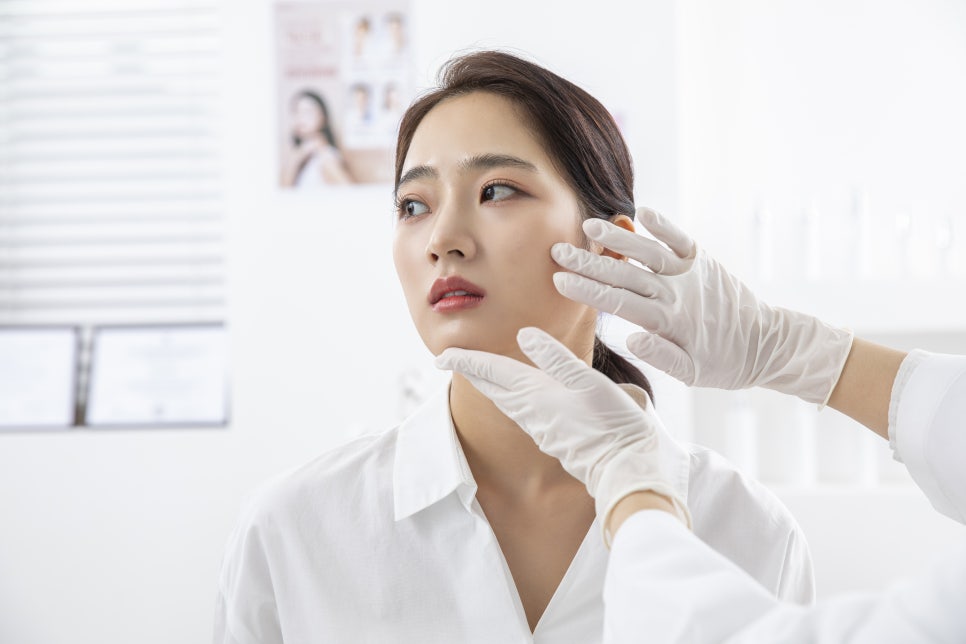
If home care feels insufficient
No matter how diligently you do home care,
there may be times when you feel,
“This is the limit of what I can do.”
In particular, if visible
wrinkles or sagging have already appeared,
it can be difficult to feel
satisfied with changes from cosmetics alone.
At times like these, professional care
matched to your skin condition is needed.
This is because a more fundamental improvement
can be expected only when approaches are used in parallel,
such as stimulating collagen production
from deep within the skin,
or lifting elasticity.
The important thing is not to choose
an unnecessarily strong procedure,
but to select the method that matches
your current skin condition.

Receiving treatment and procedures from a dermatologist
The earlier and more accurately you manage
skin elasticity and wrinkles, the better.
Rather than relying on vague information,
consulting a dermatologist to receive an accurate
diagnosis of your skin condition is the safest
and most efficient method.
The care and procedures needed can all differ
depending on skin thickness, the degree of elasticity loss,
and the depth and location of wrinkles.
If you receive customized treatment based on a specialist’s diagnosis,
you can reduce unnecessary procedures
and increase satisfaction.
If you notice changes in your skin,
don’t worry about it alone.
I recommend finding a solution that suits
your skin together with a dermatologist.
Human Dermatology Seoul National University Branch
Related articles worth reading