Seasonal skin care,
Prepare before your skin becomes sensitive
Human Dermatology Clinic, Seoul National University Branch

When the seasons change,
your skin is often the first to react.
Even if you follow the same skin care routine
you normally do, you may suddenly feel tightness,
see dead skin buildup, and notice your makeup
not sitting well. Many of you have probably experienced this at least once.
These changes may not simply be due to dryness,
but could be a sign that your skin barrier
has weakened because of rapid temperature changes
and lower humidity.
Especially during seasons with a large day-night temperature difference,
the skin’s oil and moisture balance can easily break down.
As warm weather during the day
and cooler temperatures at night repeat,
your skin continues to be irritated.
That is why, during this period,
it can be helpful not only to focus on simple moisturizing,
but also to check your skin condition
and, if necessary, consider dermatology treatments
and care together.
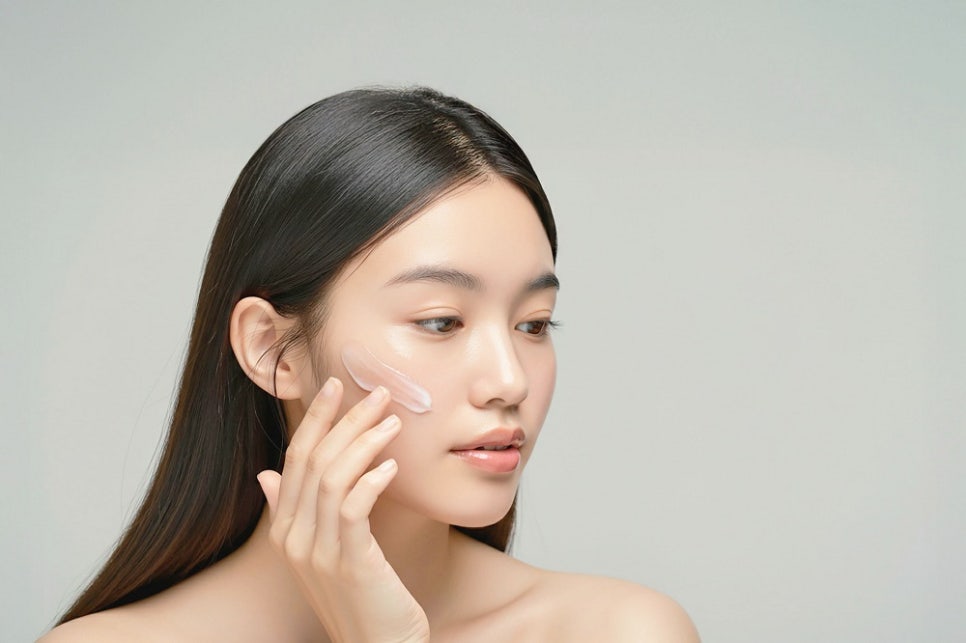
Features of skin changes during seasonal transitions
During seasonal transitions, the stratum corneum can thicken
and the skin can become more sensitive.
As moisture escapes quickly,
fine lines may appear more noticeable,
and even cosmetics you normally use may
cause a stinging sensation.
When the skin barrier weakens,
even small irritations can easily lead to redness
or breakouts.
In addition, fine dust and dry wind
can worsen the skin’s condition.
The feeling of being dry on the outside but tight on the inside
—often called internal dryness—can also become more severe.
If this state repeats,
your skin can become chronically sensitive,
so it is important to care for it early.

Basic skin care methods
During seasonal transitions, reducing irritation
should be the top priority.
Instead of excessive exfoliation,
gentle cleansing and sufficient moisturizing are more important.
After washing your face, apply moisturizer
as quickly as possible to prevent moisture
from escaping.
Ingredients such as ceramides and hyaluronic acid,
which support the skin barrier, can also be helpful.
You should also make sure to use sunscreen.
Just because the weather has become cooler
does not mean UV rays have weakened.
In fact, when the skin is already sensitive,
UV exposure can lead to pigmentation
or reduced elasticity.
It is best to use sunscreen consistently,
regardless of the season.

Dermatology treatments that can help during seasonal transitions
If your skin has become very sensitive
or dryness is severe,
it may be a good idea to receive professional care
at a dermatology clinic.
For example, skin booster treatments that replenish moisture
may help improve fine lines caused by dryness.
Low-irritation laser toning or lifting treatments can also help
refine skin texture and maintain firmness.
However, because skin is more sensitive during seasonal transitions,
it is best to avoid treatments with strong stimulation.
Programs that focus on recovery and barrier strengthening
are more suitable.
Because the right approach depends on each person’s skin condition,
we recommend making your decision after 충분한 상담 with a dermatologist.

The importance of post-treatment care
Treatment alone is not the end.
Your at-home care afterward has a big impact on the results.
Right after treatment, avoid using irritating cosmetics
and focus on moisturizing and regenerative care.
It is also a good idea to take a break from activities
that can burden the skin, such as saunas or drinking alcohol.
Adequate water intake and good sleep
also greatly help skin recovery.
During seasonal transitions, even a small daily habit
can affect your skin condition.
When treatment and daily care are done together,
you can expect more stable improvement.

Seasonal skin care is more about preparing in advance
than rushing to solve problems after they appear.
When you feel that your skin has become sensitive,
it is better not to force yourself to endure it,
but to check your current condition accurately.
As the seasons change,
your skin also needs time to adjust.
If you care for it properly at this time,
you can maintain a much more stable
skin condition in the next season as well.
Pay attention to small changes
and keep caring for your skin consistently.
That is the most reliable
seasonal skin care method.
Human Dermatology Clinic, Seoul National University Branch
Related posts you may enjoy reading