Types of Acne Scars and Management Methods,
Gold PTT Procedure
Human Dermatology Clinic Seoul National University Branch
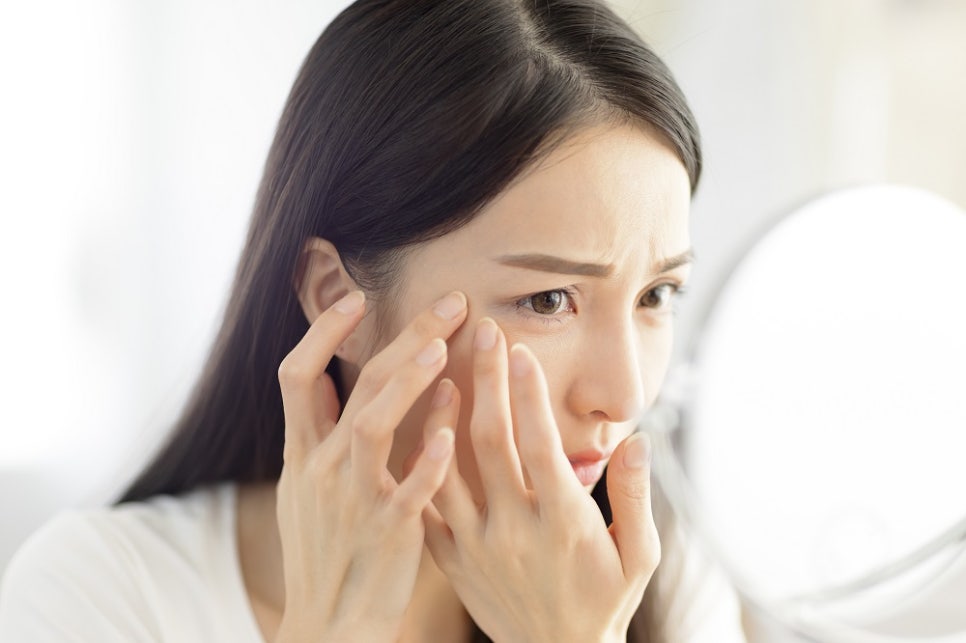
Having breakouts during active acne is already a concern,
but even after the inflammation subsides,
a different concern often remains.
That is acne scars.
Many people feel disappointed when they think
their skin has become clear, but looking in the mirror
shows uneven marks or
deeply sunken traces left behind.
In particular, even with makeup,
these marks may not be easily covered,
making the skin texture look rough
or the overall impression look tired.
Acne scars are
not simply marks left on the skin surface,
but often occur due to changes in the skin's internal structure.
So it can be difficult to simply wait and hope they will
disappear naturally over time.
However, with care and treatment suited to the skin condition,
improvement can be expected.
Today, I’d like to talk about the types of acne scars,
management methods,
and the Gold PTT procedure performed at dermatology clinics.
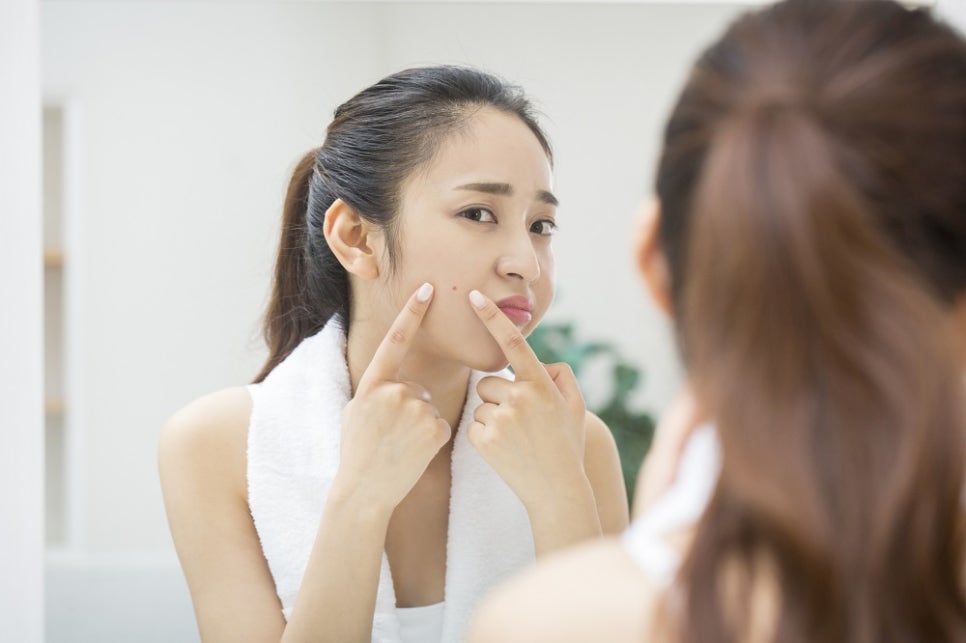
Types of acne scars
Acne scars can broadly be divided into
two forms.
One is a scar in which the skin is sunken,
and the other is a scar that is thickened
and raised above the skin.
What we usually refer to as acne scars are mostly
sunken scars that appear as if the skin has been pitted.
Sunken scars are also divided into several types
depending on their shape.
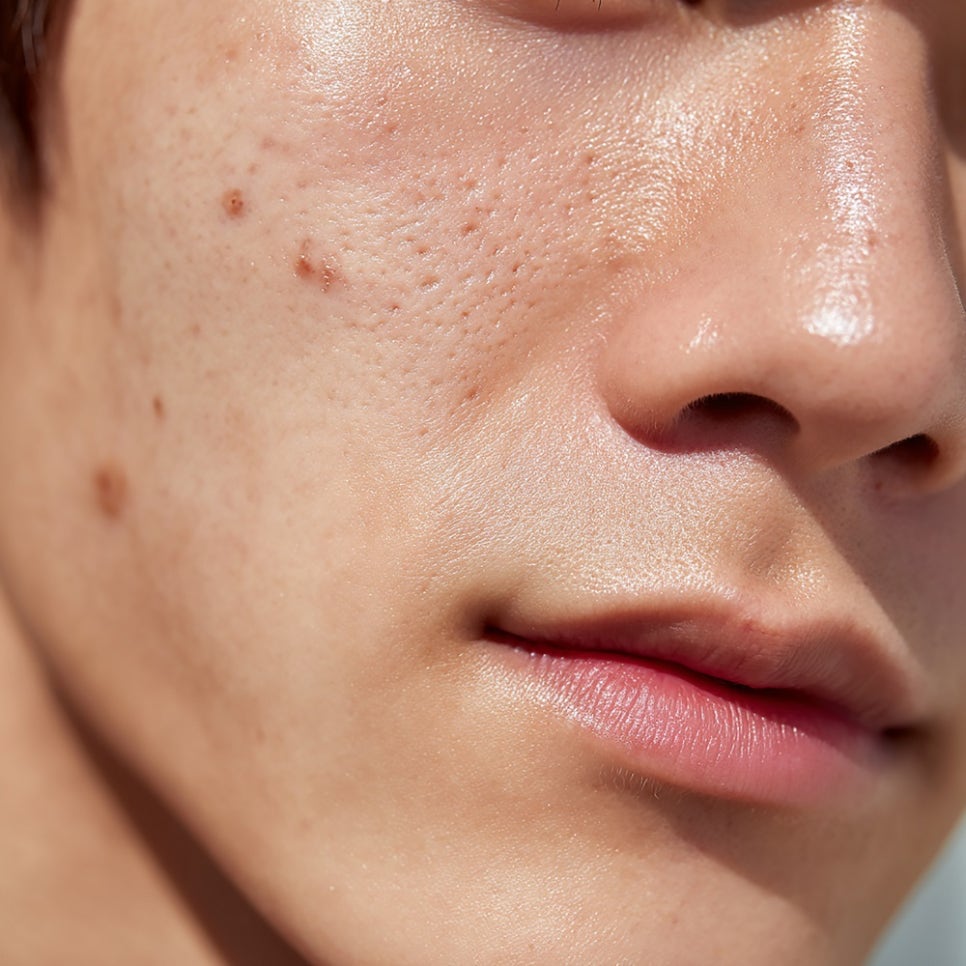
Rolling scars, which look like the skin has been broadly pressed down,
boxcar scars with relatively distinct borders,
and ice pick scars that are deep and narrow
are the main types.
Because these scars differ in depth and shape,
the treatment methods can also vary slightly.
That is why it is important to accurately assess the skin condition
and decide on the appropriate treatment direction.
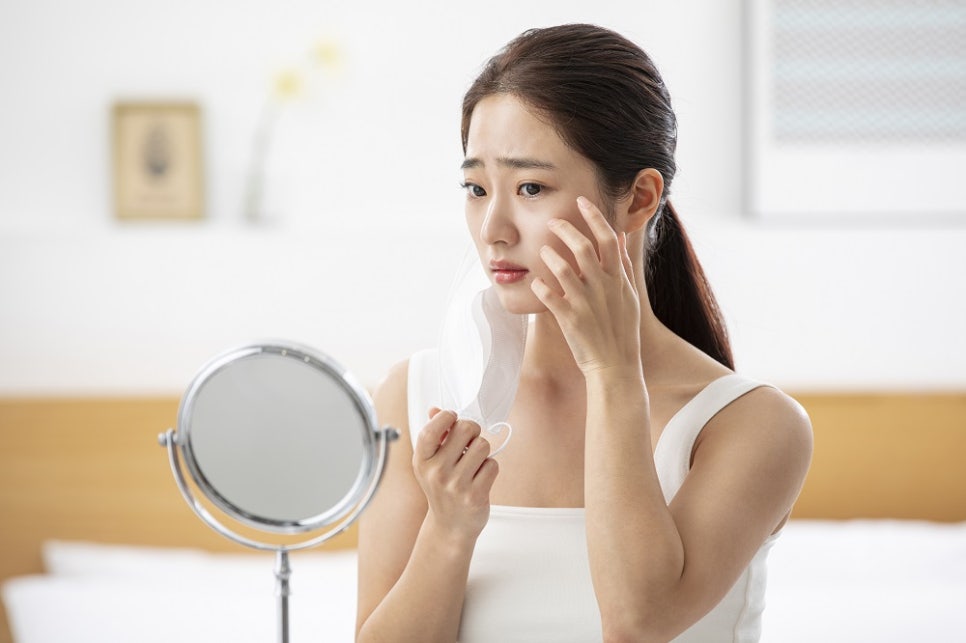
Why do acne scars occur?
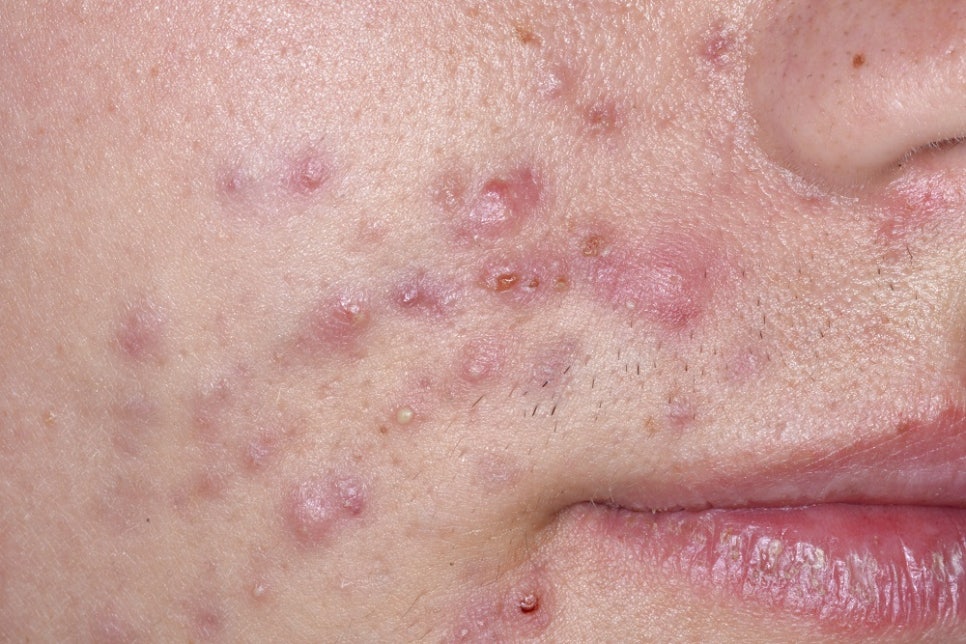
When acne develops, an inflammatory reaction
takes place inside the skin.
If this inflammation becomes deeper, it can damage the collagen
structure in the skin's dermis.
If the skin tissue does not recover properly during this process,
depressed scars may remain.
In particular, if acne is frequently squeezed by hand
or inflammation persists for a long time,
the likelihood of scars remaining
can increase.
This is because the more severe the inflammation in the area,
the greater the damage to the skin structure.
So when acne develops,
rather than excessively touching it by hand,
quickly calming the inflammation can also help
prevent scarring.
How to manage acne scars
Managing acne scars often has limits
if you only take care of the skin's surface.
Because structural changes have already occurred
inside the skin,
care that promotes skin regeneration
and helps collagen formation may be needed.
At dermatology clinics, treatment is often carried out
to induce collagen regeneration inside the skin
and improve skin texture through laser treatment
or regenerative treatments.
Such treatments are often not completed in just one session,
but rather carried out gradually over multiple sessions.
Because treatment methods can vary depending on the depth of the scars
and the skin condition,
it is important to develop a plan through sufficient consultation
with the medical staff.
Gold PTT used in acne scar treatment
One of the treatments used alongside acne scar care
to reduce acne inflammation is the Gold PTT procedure.
Gold PTT is a treatment method in which microscopic gold particles
are accumulated around the sebaceous glands and acne-causing bacteria
inside the skin, and then selectively activated using a laser
of a specific wavelength.
Through this process, it can help regulate
acne-causing bacteria and sebaceous gland activity,
and relieve inflammation.
It can also help improve the skin's regenerative environment,
so it is sometimes used in the management of skin that repeatedly develops acne.
It is known as a treatment with relatively little pain,
and because the procedure is relatively simple,
it can be carried out without placing much burden on daily life.

Acne scars are one of the skin concerns
that many people worry about for a long time.
However, if treatment and care suited to the skin condition
are carried out together,
it is also an area where improvement can be expected.
What matters is not expecting them to disappear completely
after just one procedure,
but approaching them in a way that allows gradual improvement
through the skin regeneration process.
Also, treatment for acne scars can vary depending on
the current skin condition and the type of scar.
That is why it is important to proceed with care and treatment
tailored to the individual based on an accurate diagnosis.
If your skin concerns have been ongoing for a long time,
it may be a good idea to consult a dermatologist
to find the management method that suits you best.
Human Dermatology Clinic Seoul National University Branch
Other posts worth reading