Human Dermatology Clinic Seoul National University Branch
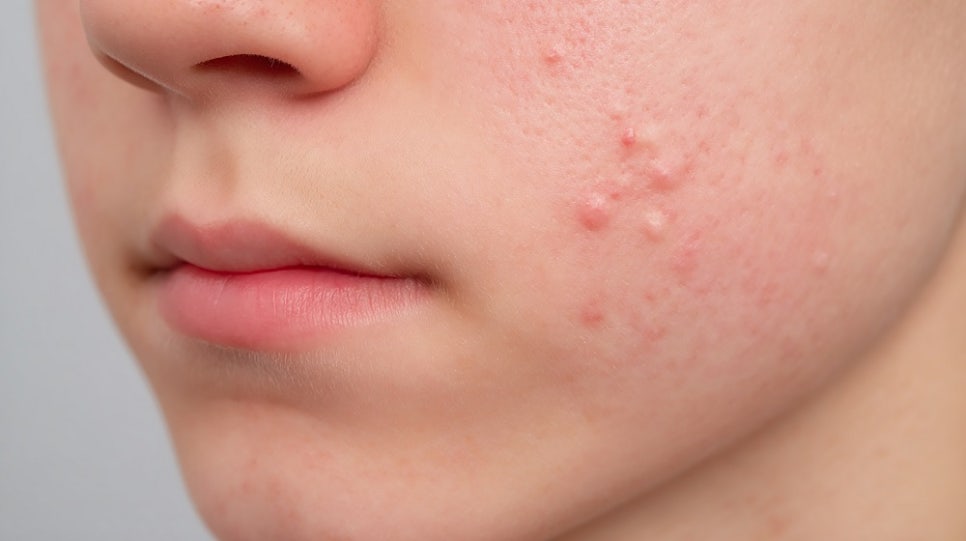
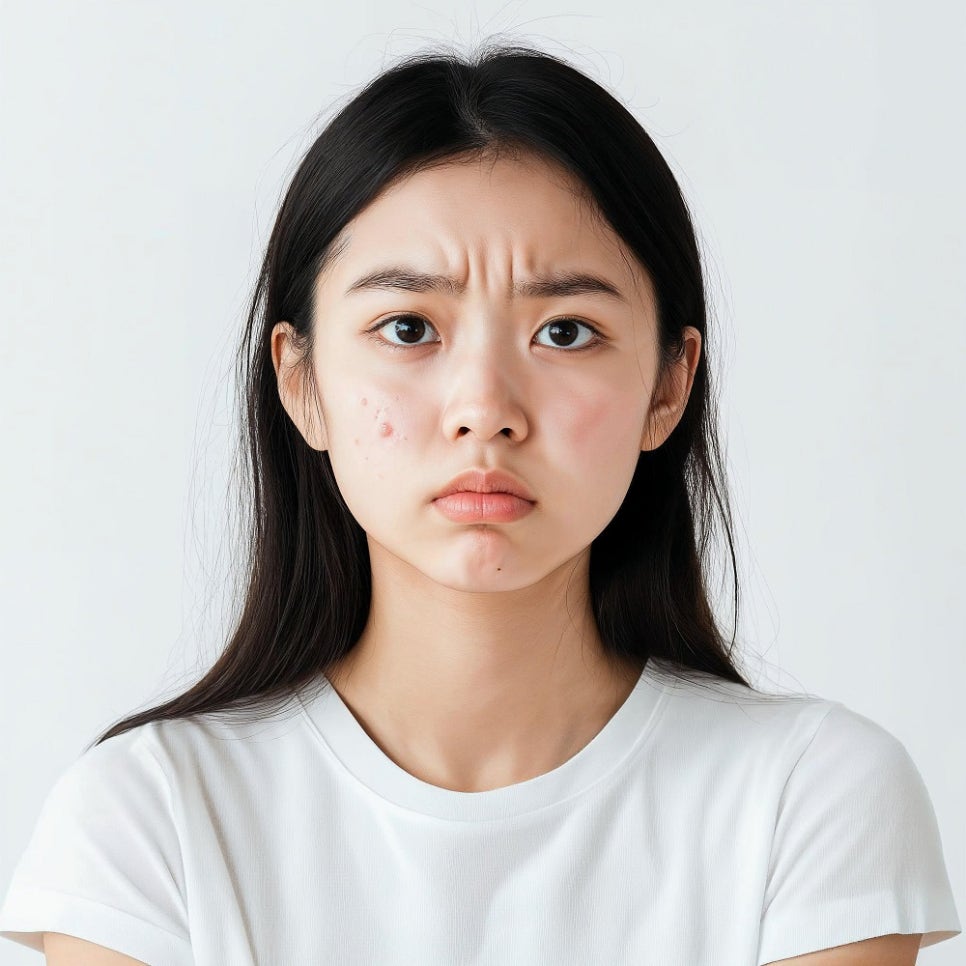
When you look in the mirror, there are times when something
starts to stand out more than usual.
It is the marks left behind after acne or breakouts.
Even if you do not notice them much in everyday life,
they can become more visible on days when your skin
looks uneven under sunlight or makeup sits on top of it.
Especially when acne starts appearing once,
it can feel like it keeps coming back repeatedly.
That is why many people end up worrying,
“Why does it keep coming back?” or
“When will these marks go away?”
It is a skin concern many people experience,
but there are also many cases where people feel frustrated
because they do not know how to care for it.
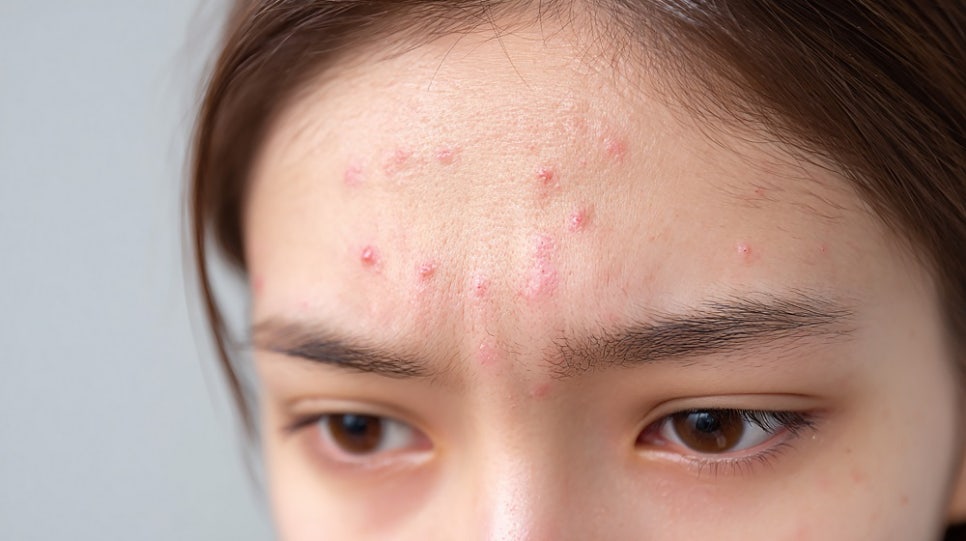
Reasons Acne Develops
Acne is not simply a problem that happens
because the skin is not clean.
Sebum is naturally secreted in our skin,
and when that sebum blocks pores
or builds up with dead skin cells,
inflammation can occur,
which may lead to acne.
Stress, lack of sleep,
hormonal changes, and eating habits
can also have an effect.
In busy daily life like today,
the skin can become easily sensitive
and breakouts can occur more often.
So rather than being just a visible skin issue,
it is often the result of several factors working together.
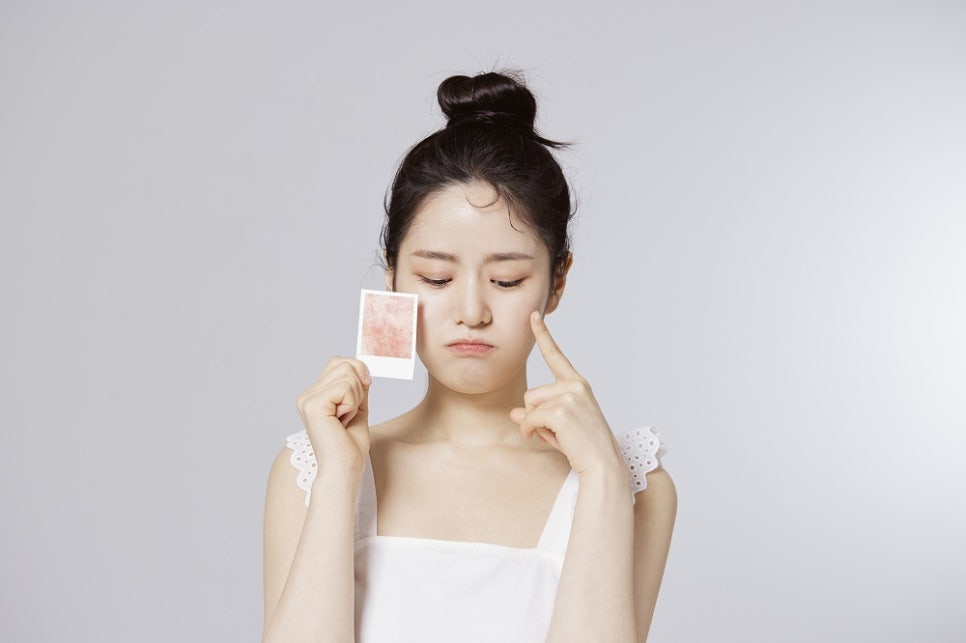
Why Scars Are Left Behind
It would be nice if acne could appear
and then disappear naturally,
but when inflammation runs deep,
marks can remain.
In particular, when inflammation occurs deep
within the skin, such as with pus-filled acne,
skin tissue can be damaged,
leading to pitted scars or marks.
Also, the habit of squeezing acne with your hands
or touching it repeatedly
can be a cause of scarring.
When the skin is damaged,
it tries to heal itself,
but if the skin tissue does not regenerate
in a balanced way during that process,
a bumpy scar can remain.
That is why it is important not to irritate acne unnecessarily
when it appears.
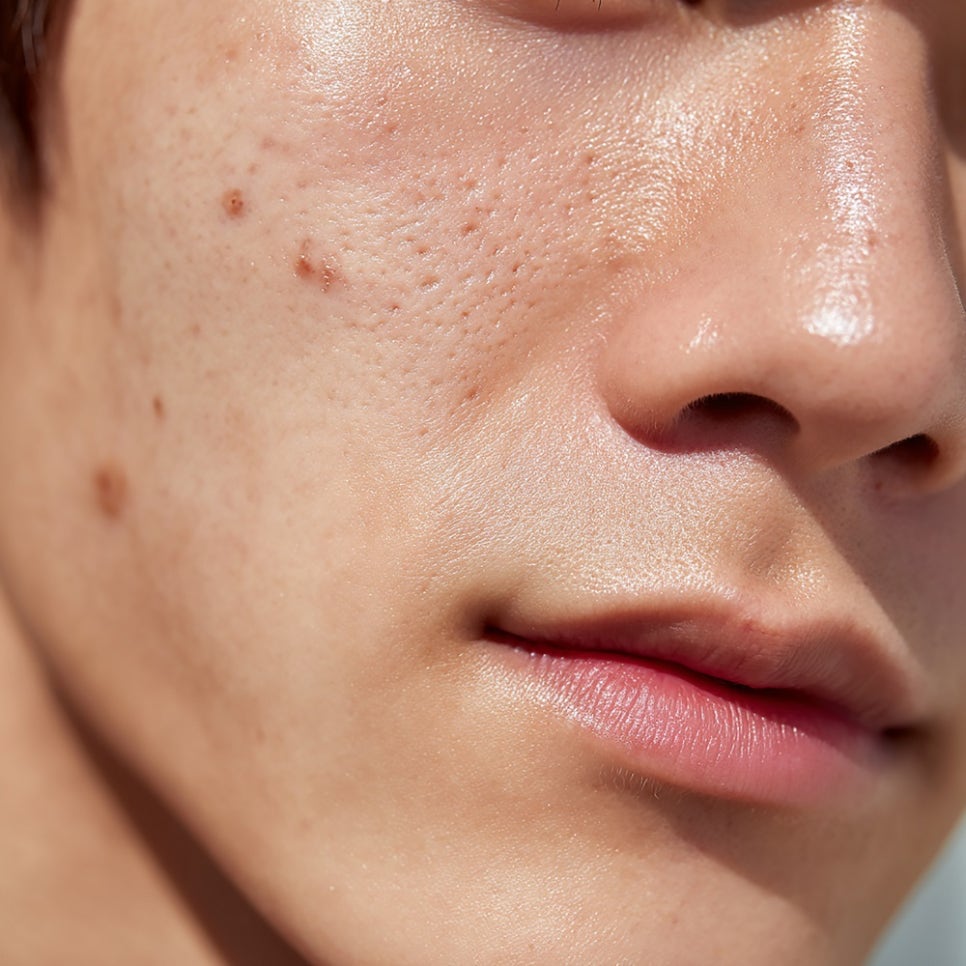
Managing Acne and Scars Through Dermatology Procedures
If acne or scars continue to bother you,
you may be able to get help through dermatology procedures.
Depending on the skin condition or the type of scar,
various methods such as laser treatment,
regenerative treatment, or skin boosters
may be used.
These procedures can help support the skin’s
regeneration process and gradually improve skin texture.
In particular, for those concerned about pitted scars
or enlarged pores,
treatments that induce collagen production
can help support the skin’s recovery process
as it fills back in.
Managing Acne and Scars: Consistency Matters
Skin treatment usually does not bring
a dramatic change all at once,
but rather shows gradual improvement over time.
That is why it is important to proceed with treatment
at regular intervals and check how the skin responds.
With consistent care, many people notice
that their skin texture becomes smoother
and the depth of scars gradually improves.
Just as important as procedures
is daily skincare.
Avoid harsh cleansing
and excessive exfoliation,
and make sure to provide enough moisturization
and sun protection.
The skin needs to stay in a stable condition
for the regeneration process to work well.

Acne and scars are concerns many people experience,
but you do not have to keep stressing over them alone.
That is because if you find the right care method
for your skin condition and receive appropriate treatment,
you can still expect meaningful improvement.
Above all, because everyone’s skin condition is different,
an accurate diagnosis and consultation are important.
If you develop a treatment plan that suits you
through 충분한 consultation with a dermatologist,
it can help you work toward healthier and clearer skin.
If consistent care and proper treatment come together,
you may be able to look at your skin
with a much more comfortable 마음 than you do now.
Human Dermatology Seoul National University Branch
Articles Worth Reading Together