Human Dermatology Clinic, Seoul National University Branch

When you look in the mirror,
the things that catch your eye are usually
spots and melasma.
In the past, makeup
could lightly cover them,
but as they gradually become darker and spread,
they start to become more noticeable.
In particular, during seasons when sunlight gets stronger,
or when the skin condition worsens,
they can stand out even more,
which is why many people end up worrying about them.
Spots and melasma do not simply
make the skin tone look darker;
they can also make your overall impression
look tired.
So many people
try to manage them with home care,
but because they do not improve easily,
there are many cases where people begin
considering dermatology procedures.
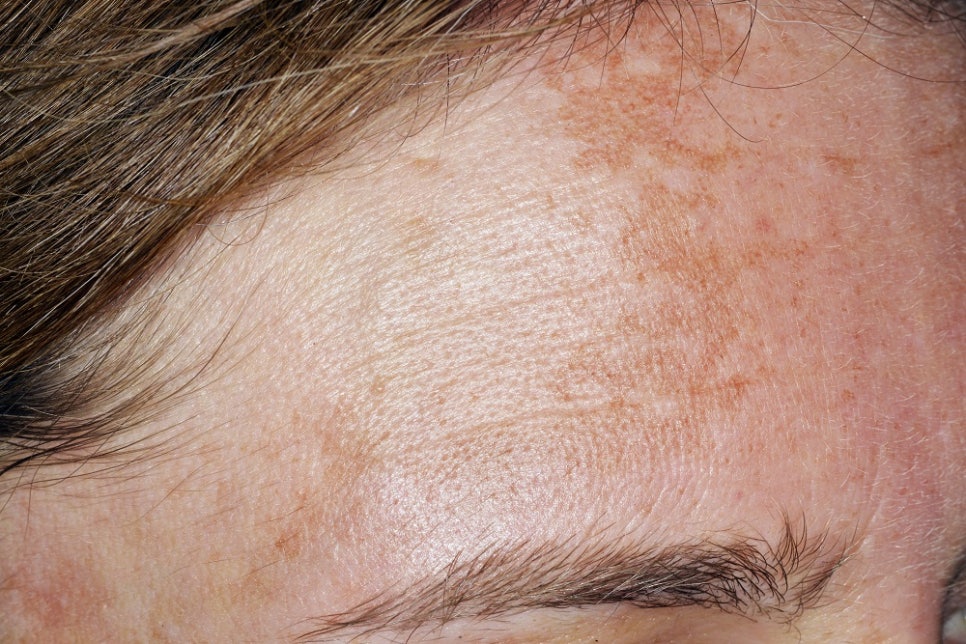 Why do spots and melasma appear?
Spots and melasma are mostly
strongly influenced by ultraviolet rays.
When the skin is exposed to UV rays,
melanin pigment is produced.
As this pigment accumulates in the skin,
it appears as spots or spreads more broadly,
resulting in the form of melasma.
In particular, people who have been
exposed to sunlight for long periods
or who have not consistently used
sun protection
can develop them more easily.
Hormonal changes, stress,
and skin aging can also have an effect.
It is common to see cases where melasma
suddenly becomes darker after childbirth
or during certain periods.
In such cases, simple whitening products have limits,
so more systematic care may be needed.
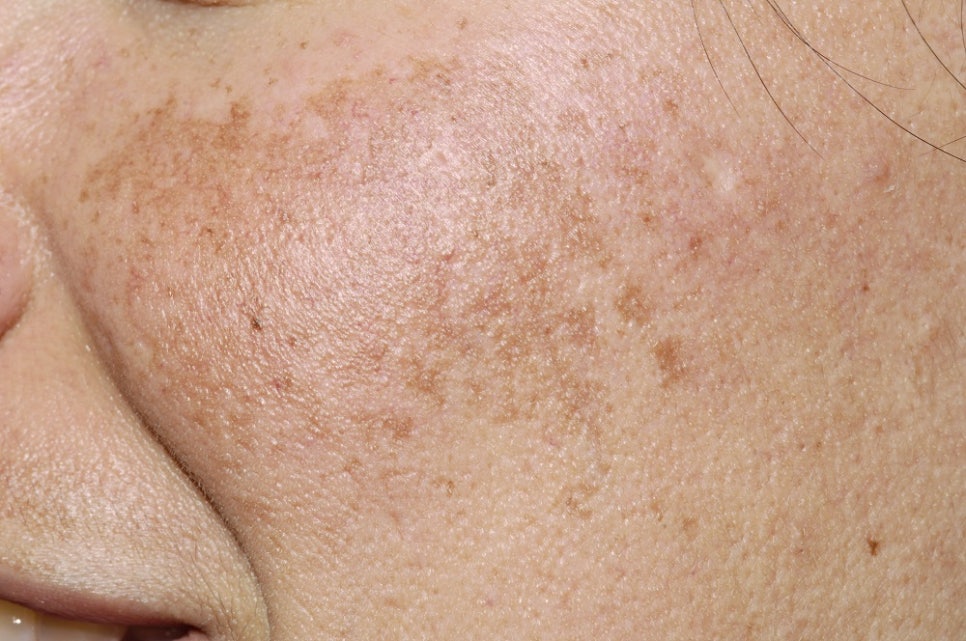 Can they be managed with dermatology procedures?
Spots and melasma can require different
treatment methods depending on how deep they are in the skin.
In dermatology, after accurately diagnosing
the location and condition of the pigment,
methods such as laser toning
or pigment treatment procedures are often used
to gradually lighten the pigment.
These procedures work by selectively breaking down
melanin pigment while minimizing strain
to the surrounding tissue,
so they are relatively safe to manage.
Rather than expecting a big change all at once,
progress happens gradually over multiple sessions,
so consistency is important.
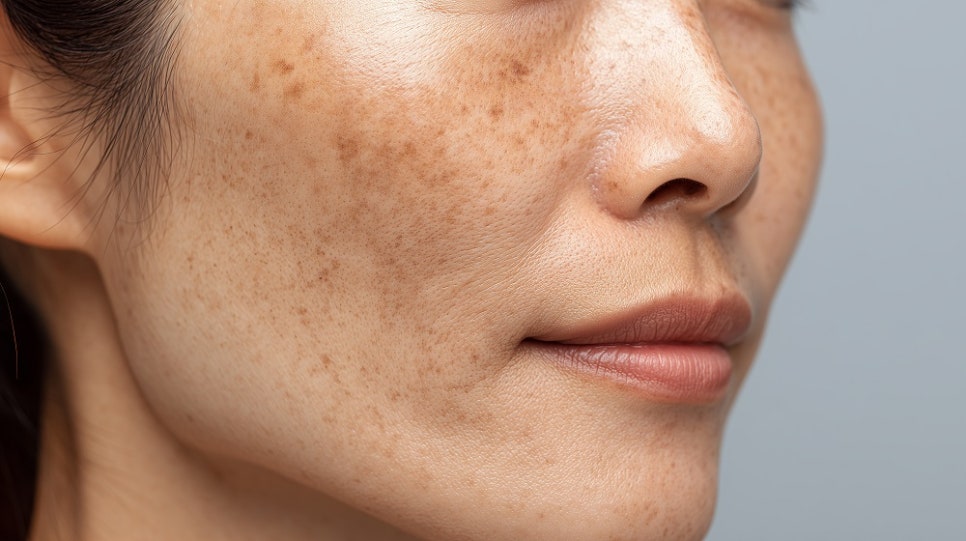 Post-procedure care is also important
Just because you have received a dermatology procedure
does not mean all care is finished.
In fact, care after the procedure can be
a major factor that determines the results.
In particular, sun protection is essential.
Because the skin is more sensitive after treatment,
exposure to UV rays may cause pigment
to come back.
Also, sufficient moisturizing and
skin soothing care
should be done together.
This is because the skin barrier needs to be
kept stable in order to reduce
recurrence of pigmentation.
If you also manage your daily lifestyle habits,
you can expect much better results.
 Recommended for these people
This may help those who are worried
that spots are not easily covered
even with makeup.
It is also recommended for those who want to improve
a dull appearance caused by uneven skin tone.
Also, if melasma seems to be
becoming darker or spreading,
it is important to manage it early.
Especially if you have not felt much change
even when managing it on your own,
you may be able to expect more effective improvement
through procedures suited to your skin condition.
However, since each person’s skin condition is different,
it is important to receive customized treatment
through a consultation with a specialist.

Spots and melasma are often more likely
to deepen and spread over time
rather than naturally fading away.
That is why I want to say that early care
is more important than anything else.
By moving beyond simply covering them up
and approaching the issue in a way that helps restore
your skin’s natural tone,
you may feel a much more satisfying change.
Skin can change significantly
with consistent care.
The most important first step is to
accurately understand your skin condition
and choose a care method that matches it.
If you want clearer, cleaner-looking skin,
receiving help from a board-certified dermatologist
and managing it systematically
can also be a good choice.
Human Dermatology Clinic, Seoul National University Branch
Related posts