Human Dermatology Clinic Seoul National University Branch
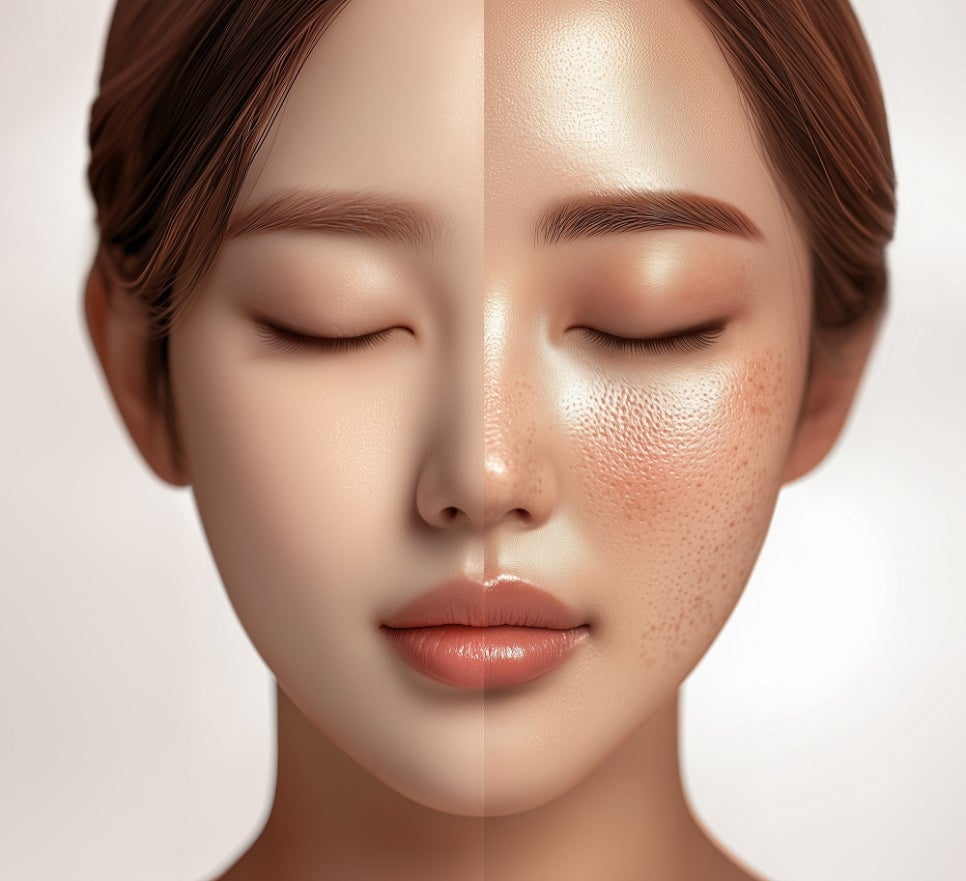
There are moments
when you find yourself
adding one more filter every time you take a photo.
It’s not that you forgot to do your makeup,
but your skin tone somehow doesn’t look even,
and you start to worry about small spots.
Especially when they stand out more
under lighting or sunlight,
you can’t help but notice them even more.
At times like this, many people wonder,
“Why did it suddenly appear?”
But in fact, melasma and blemishes
may seem to have appeared all of a sudden,
yet in many cases they have already been
progressing slowly beneath the skin.
That is why, rather than simply covering them,
how you care for them is much more important.
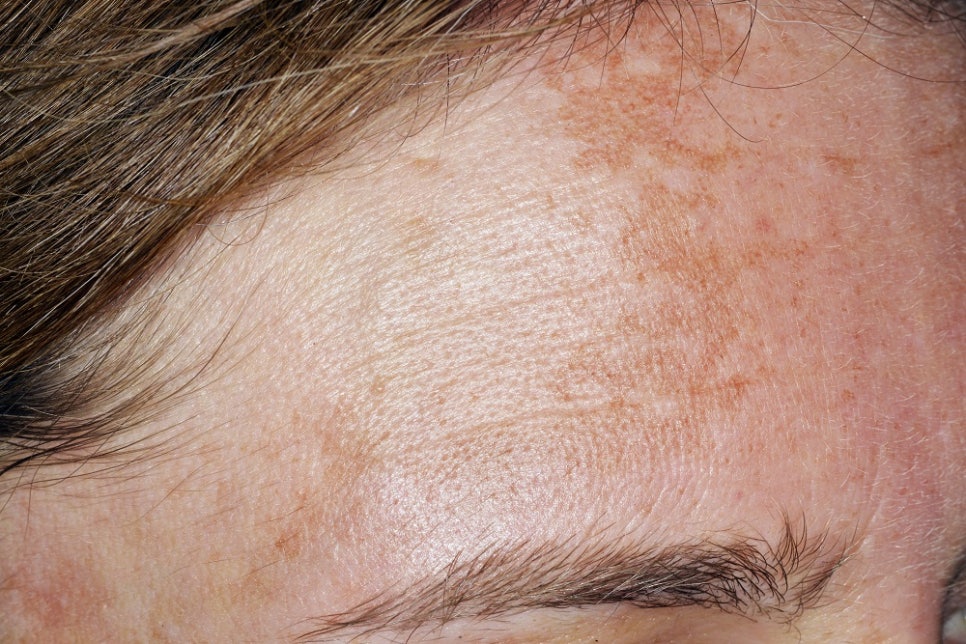
Why do melasma and blemishes appear?
Melasma and blemishes are not simply caused by
“dirty skin.”
The biggest cause is ultraviolet rays.
UV rays from sunlight stimulate
melanin production in the skin,
causing pigmentation to settle in.
That is why sun protection is so important.
Another important cause is hormonal changes.
When hormonal balance is disrupted
due to pregnancy, stress,
or changes in lifestyle,
melasma can develop more easily.
If sleep deprivation
and skin irritation are added to that,
pigmentation can become even darker.
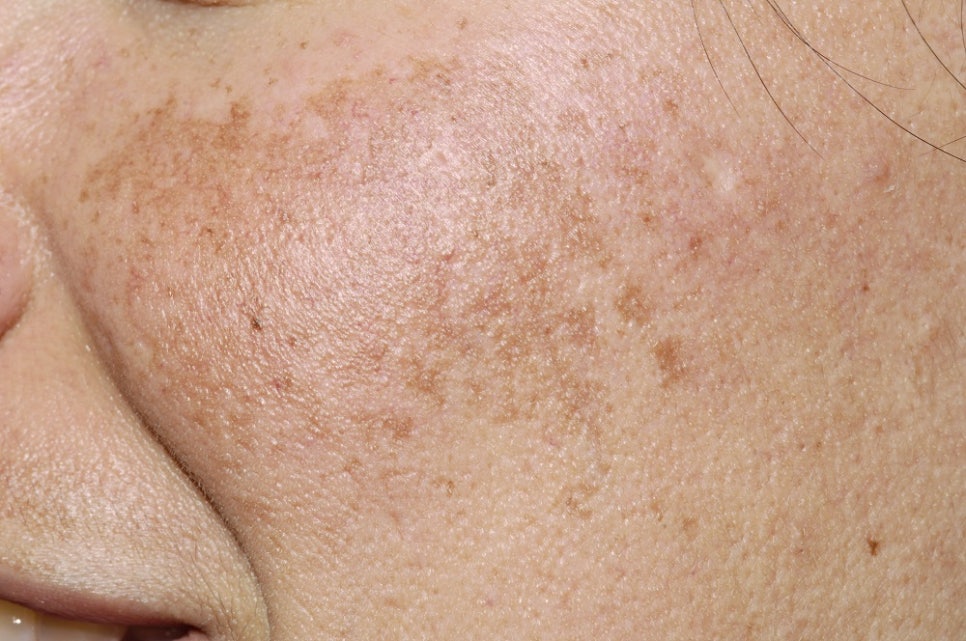
The most basic of the basics: sun protection
The most important part of melasma care
is actually not a special procedure,
but “sun protection.”
No matter how good your skincare products are,
if you keep exposing your skin to UV rays,
pigmentation will inevitably return.
It is important not only to apply sunscreen
when going outside,
but also to make it a habit to use sunscreen
consistently indoors as well.
In particular, reapplying once in the morning
and once in the afternoon
can help keep the skin much more stable.
Physical protection such as hats and sunglasses
is also beneficial.

An at-home pigmentation care routine
Care you can do at home is also quite important.
Using whitening or brightening cosmetics consistently
can be helpful.
In particular, products containing vitamin C
and niacinamide may help
brighten the skin tone.
It is also important to provide enough moisture.
When the skin is dry, it becomes more sensitive to irritation,
and pigmentation can appear more easily.
Excessive exfoliation can
irritate the skin instead,
so it is better to care for it gently.

When dermatology treatment is needed
If the pigmentation has already
settled deeply into the skin,
home care alone may have limitations.
In such cases, you can get an accurate diagnosis
at a dermatology clinic
and consider laser treatment or customized treatment.
Unlike ordinary blemishes,
melasma is easy to recur,
so rather than ending with a single treatment,
consistent care tailored to the skin condition is needed.
Above all, the treatment method differs depending on
the skin type and depth of pigmentation,
so it is important to approach this through
professional consultation with a dermatologist.

Melasma and blemishes
do not appear overnight,
and they do not disappear overnight either.
That is why, rather than rushing,
forming a consistent care routine
creates the biggest change.
Sun protection, sufficient moisturizing,
and, when needed, help from a professional.
If you build these up one by one,
at some point you may notice
that your skin tone has become much clearer.
Why not start practicing even one small habit
today?
Human Dermatology Clinic Seoul National University Branch
Related posts you may enjoy reading