Human Dermatology Clinic Seoul National University Branch
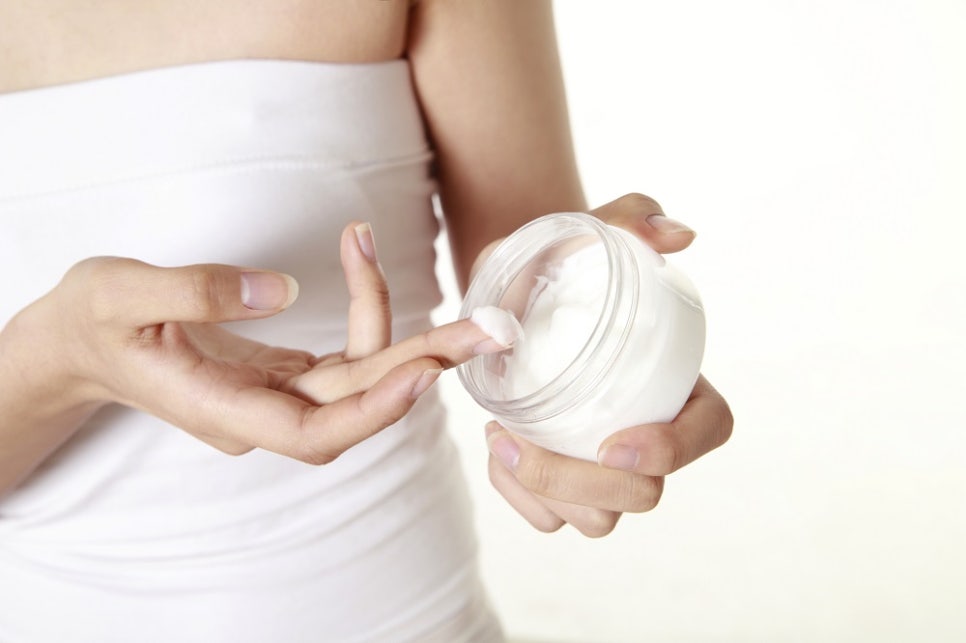
“Even though it’s expensive, why does my skin stay the same?”
When skin concerns arise, many people first look for good cosmetics. The higher the price and the more a product emphasizes functionality, the more likely people are to expect better results. But in reality, even if you consistently use expensive cosmetics, there are many cases where your skin condition does not improve much.
When this kind of situation repeats, it leads to the question, “Why doesn’t my skin get better?” It is necessary to look not only at the product itself, but also at the skin condition, how it is being used, and the underlying cause.

If the ingredients are good, shouldn’t they all be absorbed?
The effectiveness of cosmetics ultimately depends on how well they are absorbed into the skin. However, when the skin barrier has been damaged, even the best ingredients may not be properly absorbed and can simply remain on the surface.
In particular, dry or sensitive skin becomes more vulnerable to external irritation, and its ability to absorb active ingredients decreases. In this case, it can be difficult to feel any effect even after changing products, and it may even become a cause of breakouts.
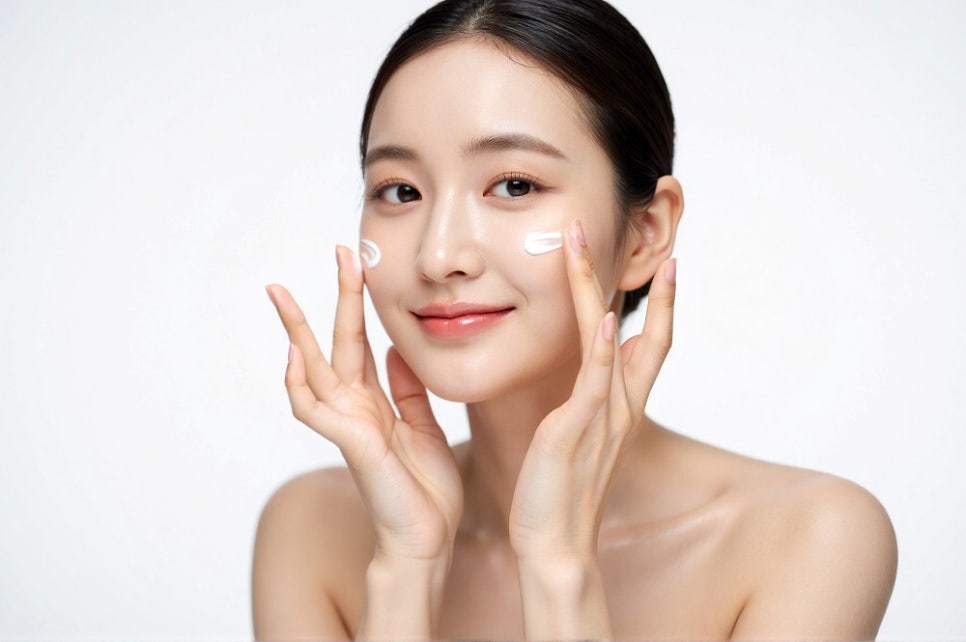
“Why do dark spots, acne, and pores keep coming back?”
Skin problems are not just about the symptoms you can see on the surface. Sebum production, hormonal changes, lifestyle habits, ultraviolet rays, and other factors all work together in complex ways.
For example, in the case of acne, the root cause is the activity of the sebaceous glands, and there are limits to controlling this with cosmetics alone. Therefore, if the cause is not addressed, even the best products can only bring temporary improvement.
I’ve tried everything that’s supposed to be good.
In the hope of improving skin quickly, many people also use multiple products at once or overuse functional products. However, this approach can irritate the skin and may instead lead to a damaged barrier.
In particular, when exfoliating, brightening, or anti-aging products are used excessively, the skin can become thinner and more sensitive, making breakouts occur more easily. With skin, “moderate care” is often more important.
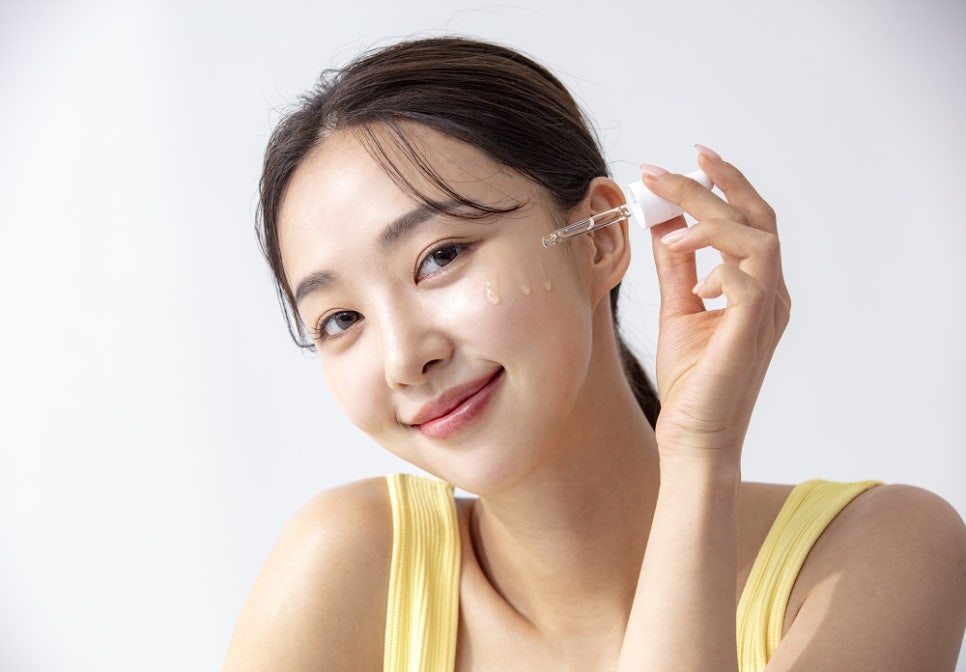
Then does that mean cosmetics can’t manage it?
Cosmetics play a role in helping to maintain and protect the skin. However, they have limitations when it comes to fundamentally improving skin problems that have already developed.
In such cases, procedures or treatments suited to the skin condition need to be done together for results to appear. For example, laser treatment, skin boosters, and sebum-control treatments can act directly on the deeper layers of the skin and help bring about more fundamental improvement.

Skin should be matched to its “condition,” not to a product.
Expensive cosmetics do not always produce good results. What matters is not the price, but care and an approach that match the skin’s current condition.
If your skin concerns continue, rather than simply changing products, it is necessary to have your skin condition accurately examined by a dermatologist and proceed with the appropriate treatment and care together. When skin is cared for in the right direction, it can make the best changes.
Human Dermatology Clinic Seoul National University Branch
Articles worth reading together