Human Dermatology Clinic, Seoul National University Branch
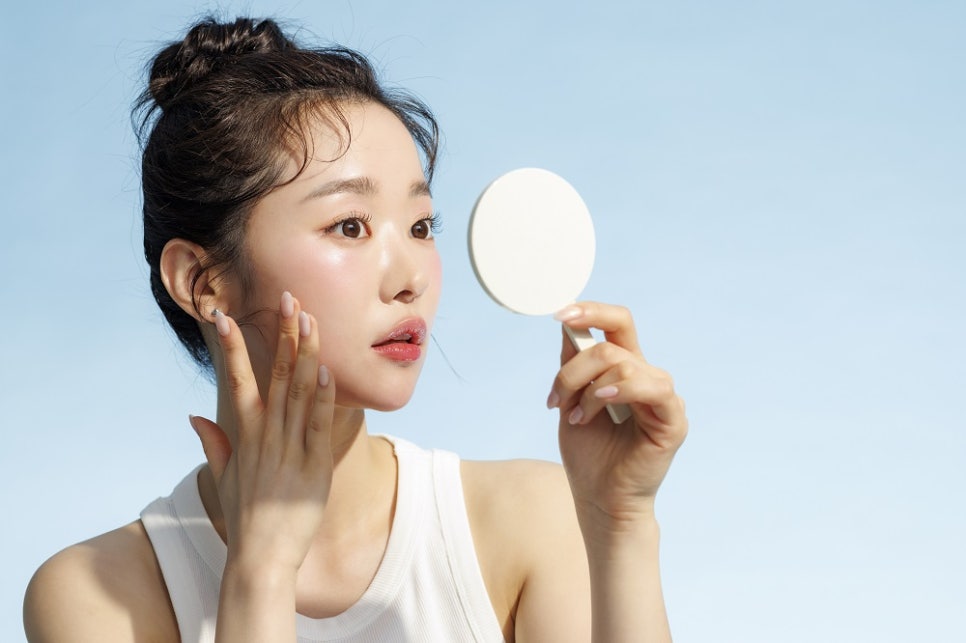
Many people feel that their skin problems suddenly get worse as soon as summer arrives. Even if your skin is usually fine, once the weather starts getting hot, sebum increases, and pimples or acne keep recurring, your skin condition can change noticeably.
In particular, a humid and hot environment is a season when the skin is more likely to be exposed to various irritations. As sweat and sebum production increase and UV exposure is added on top, the skin’s balance can easily be disrupted. So in summer, it is not simply that the skin feels “hot”; the skin environment itself can change into a condition that is more prone to problems.

It is a season when sebum production can easily increase
As temperatures rise, skin temperature rises as well. The higher the skin temperature, the more active the sebaceous glands can become, which may increase sebum production. In particular, if you have skin that produces a lot of sebum, summer often makes oiliness and pore concerns worse.
The problem is that excess sebum can build up inside pores and create an environment where acne-causing bacteria can multiply. If impurities and dead skin cells also accumulate, pores can become blocked, increasing the likelihood of inflammatory skin problems.

Sweat and humidity can also irritate the skin
In summer, sweat production also increases. Of course, sweat itself is not always harmful to the skin, but if sweat remains on the skin for too long or is not managed properly, it can lead to irritation.
In particular, repeated mask wearing or high-humidity environments can make the skin feel stuffy and cause the skin barrier to become more sensitive. During this process, it is not uncommon for the skin to become red, itchy, or repeatedly develop problems. That is why, in summer, instead of excessively drying out the skin, it is important to care for it in a way that reduces irritation and keeps the skin condition stable.
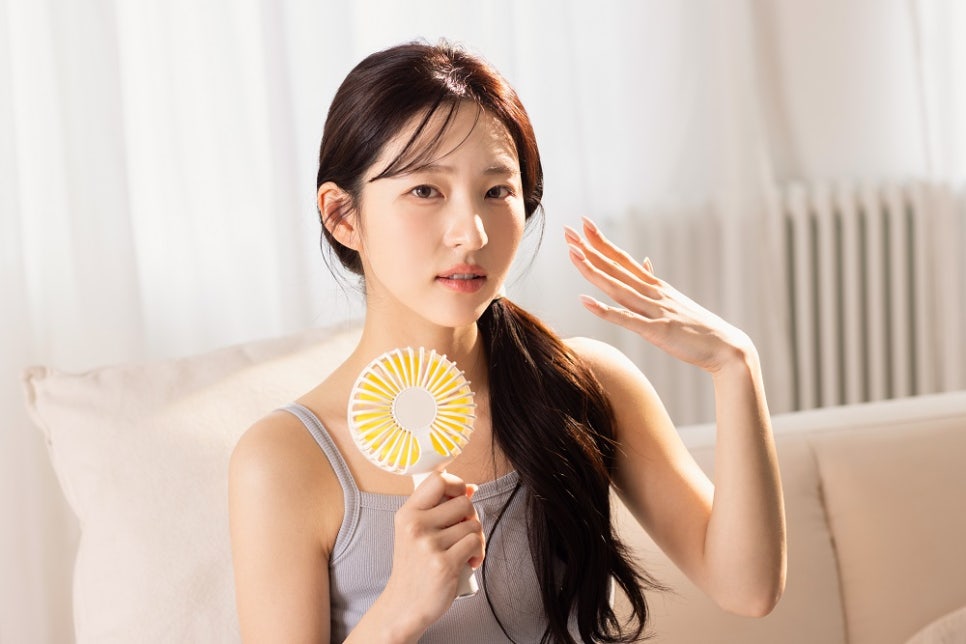
UV rays can also worsen skin problems
Many people think UV rays only cause dark spots or blemishes, but in reality, they can also affect inflammatory responses in the skin. Strong UV exposure can weaken the skin barrier and make the skin more sensitive, creating an environment where skin problems can appear more easily.
Also, if you touch or squeeze acne with your hands and then are exposed to UV rays, red marks or pigmentation can often remain longer. That is why, in summer, consistent sun protection along with skin problem care can be an important part of skin recovery.

Summer skin problems often happen not just because of hot weather, but because several environmental factors such as sebum, sweat, humidity, and UV rays all affect the skin together. For that reason, rather than simply washing your face more often or rubbing the skin hard, it is important to manage the skin in a way that keeps it stable.
In particular, if skin problems keep recurring or inflammatory acne continues to appear, it is better not to try to solve everything with home care alone. Instead, it is a good idea to accurately check your current skin condition and the cause through a dermatologist. Finding a care approach that matches your skin type and the pattern of your skin problems can help maintain healthier skin condition.