Human Dermatology Clinic, Seoul National University Branch

“You’ve probably heard the saying, ‘Too much sunlight makes your skin age.’” In fact, skin aging is not caused only by getting older; it is often greatly affected by ultraviolet rays. That is why dermatology clinics often describe ultraviolet rays as one of the most representative external causes that accelerate skin aging.
Especially during summer, when ultraviolet rays are strong, many people feel that their skin becomes easily tired and appears less elastic. Spots, fine lines, and dryness that may not have been very noticeable before can become more visible, and this may also be related to the effects of ultraviolet rays. Today, I’ll explain why ultraviolet rays make skin age faster.
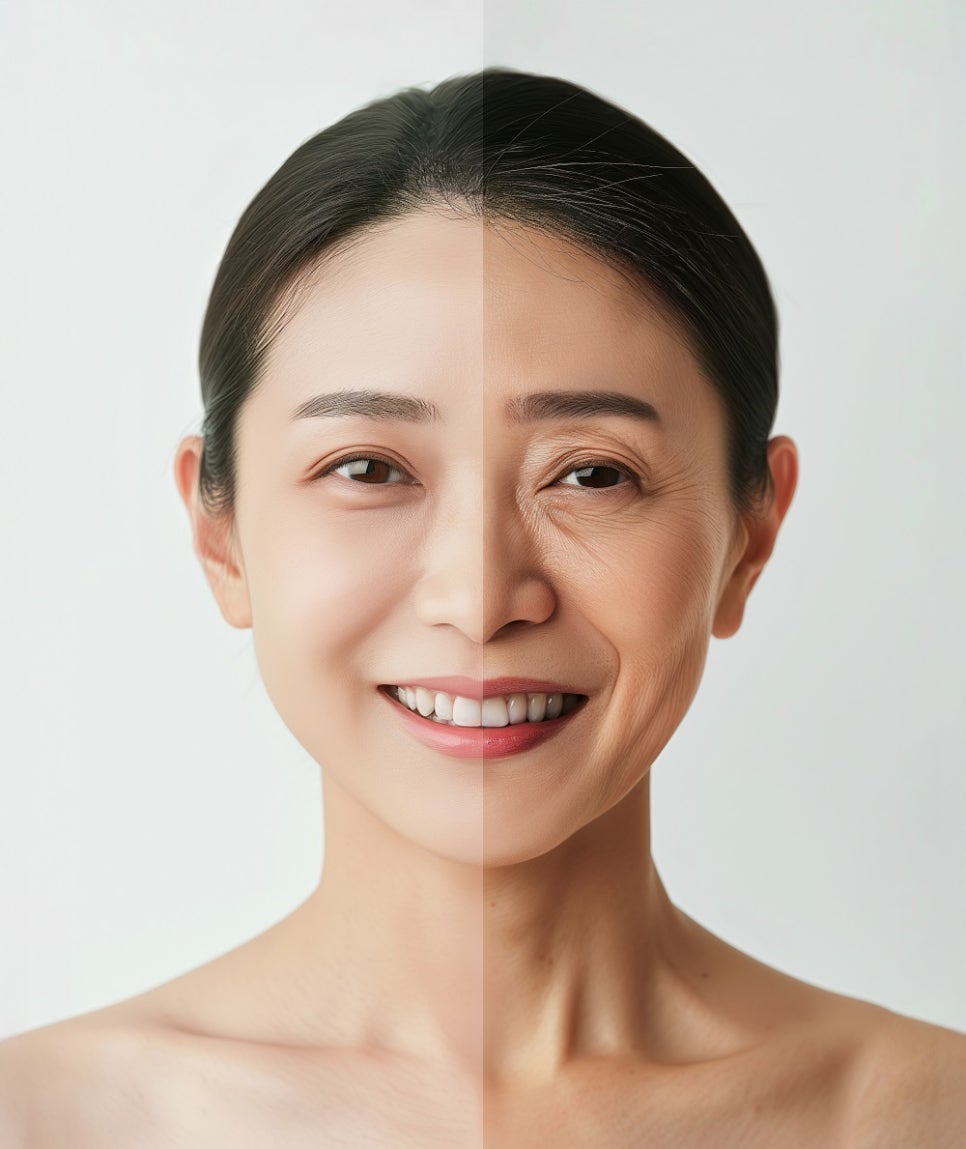
Ultraviolet rays can affect collagen in the skin
Collagen plays an important role in maintaining skin elasticity. However, repeated exposure to strong ultraviolet rays can make collagen and elastic fibers in the skin more likely to be damaged.
In particular, ultraviolet rays can affect the deeper layers of the skin and weaken its support structure. When this process is repeated, the skin gradually loses elasticity, which can cause fine lines and sagging to appear more quickly. That is why people with a lot of sun exposure often feel that their skin ages faster.

Pigmentation concerns such as melasma and spots can also worsen
Ultraviolet rays can also affect melanin activity in the skin. To protect itself from ultraviolet rays, the skin produces melanin pigment, and when this process is repeated, melasma, spots, and pigmentation can become darker over time.
Areas that have had acne marks or wounds can be more easily affected by ultraviolet rays. That is why red marks or brown pigmentation may remain for a long time even after a skin issue has passed. For this reason, we place great importance on sun protection even after dermatology procedures.

The skin barrier can also become more sensitive
Ultraviolet rays do not only change skin tone; they can also affect the skin barrier. When the skin barrier weakens, moisture escapes more easily, leaving the skin dry and sensitive, and it may also react more easily to external irritants.
In particular, repeated exposure to ultraviolet rays can make the skin appear easily red and dull. So when managing skin aging, it may be important not to focus only on elasticity treatments, but to also manage the skin barrier and moisture balance together.
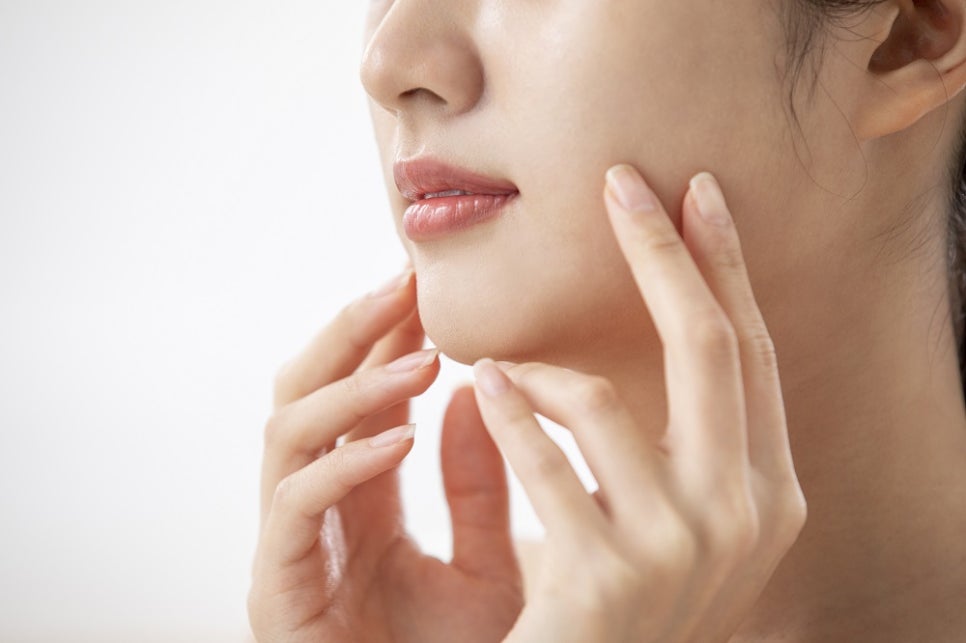
Skin aging is a natural change, but repeated external irritation such as ultraviolet rays can speed it up. In particular, changes such as loss of elasticity, fine lines, and melasma or spots are often closely related to ultraviolet rays, so daily care is important.
Most importantly, the goal is not to avoid ultraviolet rays completely, but to consistently maintain habits that protect the skin. Simply using sunscreen regularly can greatly help prevent skin aging, and combining that with care and treatment suited to your skin condition may help maintain healthier skin.