More Than Skin Value | Human Dermatology Clinic Seoul National University Branch
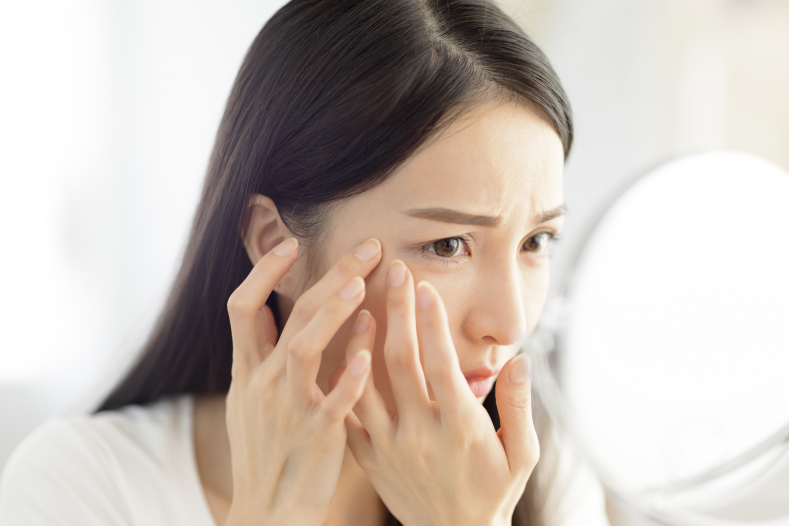
Acne is a common skin concern that almost anyone may experience at some point, but if it keeps recurring or does not subside easily, it can be difficult to view it as a simple skin problem. In particular, when acne repeatedly appears in the same area or deep inflammation develops, multiple factors—including sebum production within the skin, clogged pores, and inflammatory responses—may be involved.
Mild acne can sometimes be managed to some extent through lifestyle habits or home care, but recurring acne can potentially lead to scars or hyperpigmentation. Therefore, if your acne frequently returns, it is important to accurately assess your current skin condition and the underlying causes through a consultation with a board-certified dermatologist.

Why Does Acne Keep Coming Back?
One of the biggest reasons acne recurs is that excessive sebum production and clogged pores continue to occur. When too much sebum is produced, the openings of the pores can become easily blocked. As dead skin cells and sebum accumulate inside, they can develop into comedonal or inflammatory acne. When bacterial growth on the skin's surface or inflammatory responses are added, red and painful acne may also develop.
Acne may also be associated with various factors, including hormonal changes, stress, lack of sleep, eating habits, improper use of cosmetics, and wearing a mask. Although acne may look similar on the surface, its causes can differ from person to person. Therefore, it can be helpful for a board-certified dermatologist to consider your skin type, acne patterns, and lifestyle habits together when determining the direction of treatment.

Dermatological Treatment May Be Needed in These Cases
If acne does not occur occasionally as one or two spots, but repeatedly appears in the same area or frequently develops into red and painful inflammation, it is a good idea to consider dermatological treatment. In particular, if it continues to recur in specific areas such as the chin, cheeks, or forehead, or if small, flesh-colored bumps easily become inflamed, repeatedly relying on extraction alone may have limitations.
More active care may also be needed if red marks, brown hyperpigmentation, or depressed scars begin to remain after the acne has cleared. At this stage, it is important to establish a plan suited to your skin condition through a dermatologist's diagnosis, including medication, extraction care, intralesional injections for inflammation, laser treatment, and adjustments to your skincare routine.
Why Is Professional Diagnosis Important for Acne Treatment?
Acne is not simply a “problem caused by having too much sebum.” It comes in various forms, such as small, flesh-colored bumps, inflammatory acne, pus-filled acne, and adult acne, and treatment methods may also vary depending on skin sensitivity and the condition of the skin barrier. Forcefully squeezing acne or repeatedly using harsh products can instead increase skin irritation and worsen inflammation.
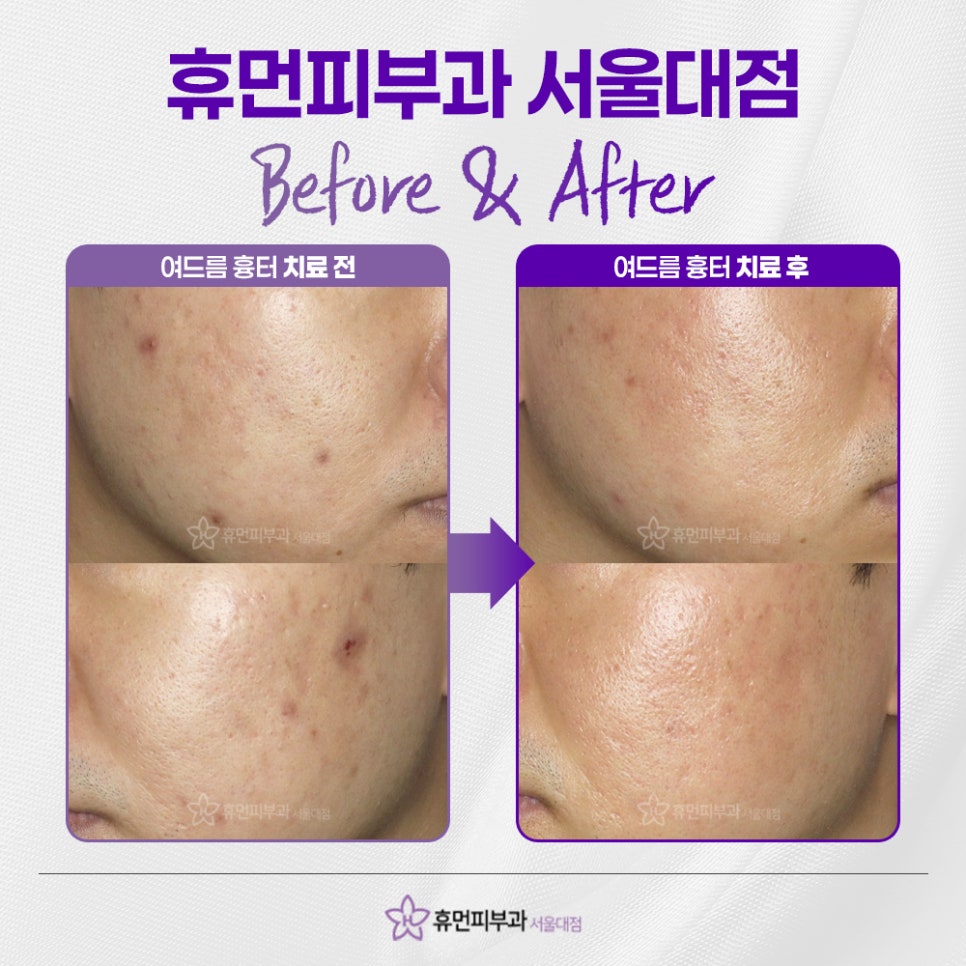
A board-certified dermatologist can comprehensively assess the type and severity of acne, the potential for scarring, and the condition of the skin barrier before providing guidance on the direction of treatment. When necessary, a personalized plan can be developed by combining topical medication, oral medication, extraction, inflammation treatment, and restorative care. Therefore, the more acne recurs, the more beneficial it is to manage it consistently based on an accurate diagnosis.
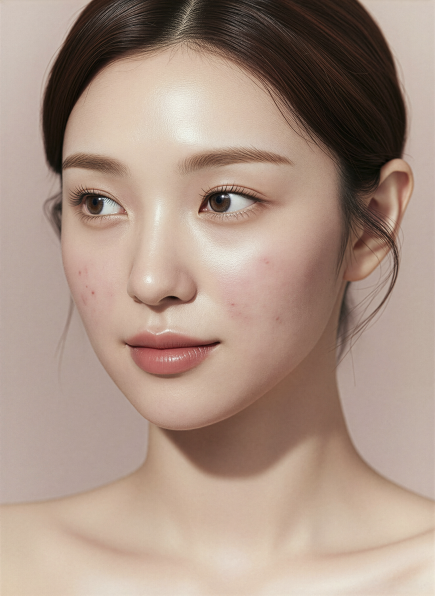
Acne is a common skin condition, but the more frequently it recurs and the longer it persists, the more noticeable the marks it leaves on the skin may become. In particular, leaving inflammatory acne untreated or repeatedly touching it with your hands may increase the likelihood of hyperpigmentation or scarring. Therefore, if your acne continues to recur, it is better to view it as a sign that treatment may be needed rather than dismissing it as a simple skin concern.

Above all, the most important thing is to understand your skin condition accurately. By consulting a dermatologist, you can identify the causes of your acne, your skin type, and the degree of inflammation, and then establish a treatment plan tailored to you. If you are concerned about recurring acne, rather than trying to manage it excessively on your own, it is a good idea to seek help from a dermatologist and gradually begin working toward healthy skin recovery.