Bang Chan-il, Director of Human Dermatology Clinic, Seoul National University Branch
Hello,
This is Human Dermatology Clinic, Seoul National University Branch.
At some point, you may begin to notice brown, patch-like pigmentation around your cheeks or cheekbones when looking in the mirror. At first, it may look like faint blemishes and not seem particularly concerning, but as time passes, the affected area may expand or the color may become darker, leading many people to worry about melasma. In particular, melasma is not simply superficial pigmentation on the skin. Because it is related to melanin production within the skin, relying solely on basic brightening care can have limitations.

When consulting with patients, we often hear comments such as, “It is not easily covered even with makeup,” or “I am worried that it will come back even after laser treatment.” Since the appropriate treatment approach for melasma may vary depending on the skin’s condition, its causes, and the surrounding lifestyle environment, an accurate diagnosis is needed first. If you are looking for a dermatology clinic near Seoul National University Station for melasma, it is worth considering the importance of care that takes not only lightening the pigmentation but also the possibility of recurrence into account.
The Value Beyond Skin | Human Dermatology Clinic, Seoul National University Branch


Why Does Melasma Develop?
Melasma is a pigmentation disorder caused by a combination of several factors. The most representative cause is exposure to ultraviolet rays. Ultraviolet rays can stimulate melanocytes in the skin, increasing pigment production and making existing melasma appear darker. For this reason, many people feel that their melasma has suddenly become more pronounced during seasons with greater sunlight exposure or periods of frequent outdoor activity.
Hormonal changes are also associated with the development of melasma. Hormonal changes related to pregnancy, childbirth, taking birth control pills, or menopause may cause melasma to appear or existing pigmentation to become darker. In addition, post-inflammatory hyperpigmentation, genetic factors, lack of sleep, stress, and irregular lifestyle habits may also have an influence. At a dermatology clinic near Seoul National University Station, it is necessary to examine these causes together and determine a treatment approach suited to each patient’s skin condition.
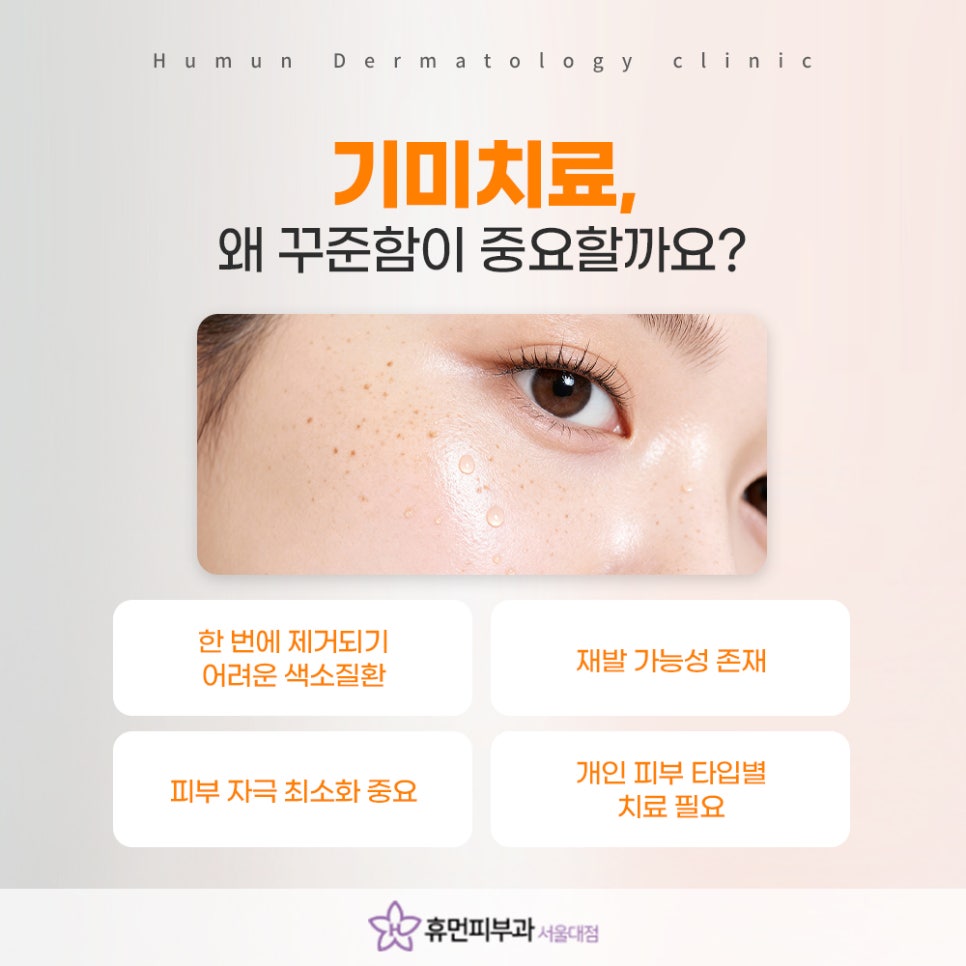
Why Is Consistency Important in Melasma Treatment?
Melasma is a pigmentation disorder that is difficult to eliminate completely with a single treatment. If the melanocytes within the skin are in a highly reactive state, the pigmentation may become lighter and then darken again due to ultraviolet exposure, irritation, or hormonal changes. Therefore, rather than trying to remove it intensely over a short period, it is important to gradually improve melasma while minimizing skin irritation.
Treatment responses may vary depending on skin type. For people with thin, sensitive skin, accompanying redness, or deeply established pigmentation, overly aggressive treatment may instead stimulate the pigmentation. Therefore, it is necessary to assess each person’s skin condition and adjust the treatment interval, intensity, and whether to combine additional care. For those seeking a dermatology clinic near Seoul National University Station, more stable changes can be expected when melasma treatment includes consistent care and an individualized approach.

Post-Treatment Care Is Even More Important After Melasma Treatment
After melasma treatment, sun protection is the most important step. Even if the pigmentation has become lighter through treatment, repeated exposure to ultraviolet rays can cause it to return. Apply sunscreen thoroughly before going outdoors, and when spending a long time outside, it is advisable to use a hat or parasol as well. Even indoors, if you spend a lot of time near windows, you should pay attention to sun protection.
Care to restore the skin barrier is also important. When the skin is dry or sensitive after melasma treatment, even minor irritation can cause redness or hyperpigmentation. It is advisable to combine sufficient moisturizing and restorative care while avoiding strong exfoliants or irritating home-care products. At the dermatology clinic near Seoul National University Station, we also provide guidance on post-treatment care and help reduce factors that may worsen pigmentation.
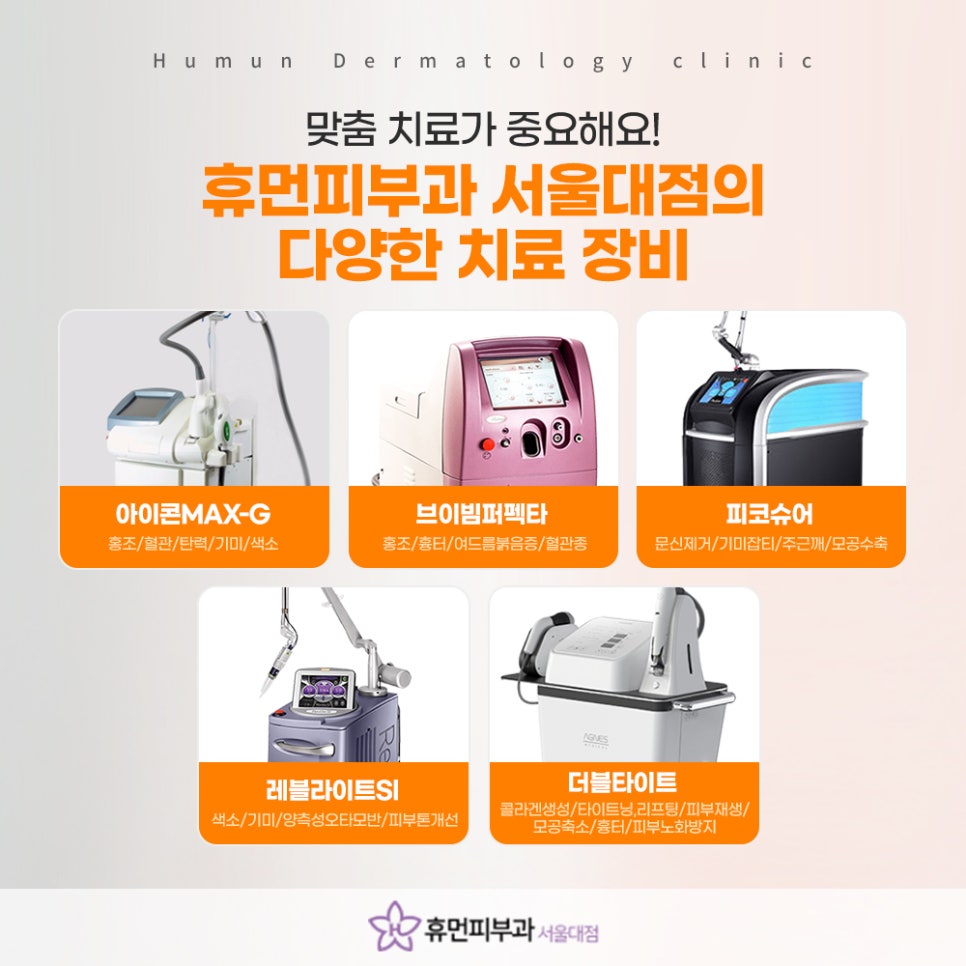
The Various Treatment Devices at Human Dermatology Clinic, Seoul National University Branch
At our clinic, we use a variety of devices to design treatment approaches suited to concerns involving melasma and pigmentation. ICON MAX-G is a device that may be considered for skin affected by both pigmentation and redness. Vbeam Perfecta may help assess skin conditions accompanied by vascular lesions and redness. Melasma is not simply an issue of brown pigmentation; in some cases, inflammation within the skin, flushing, and vascular responses may also contribute, making a comprehensive approach necessary.
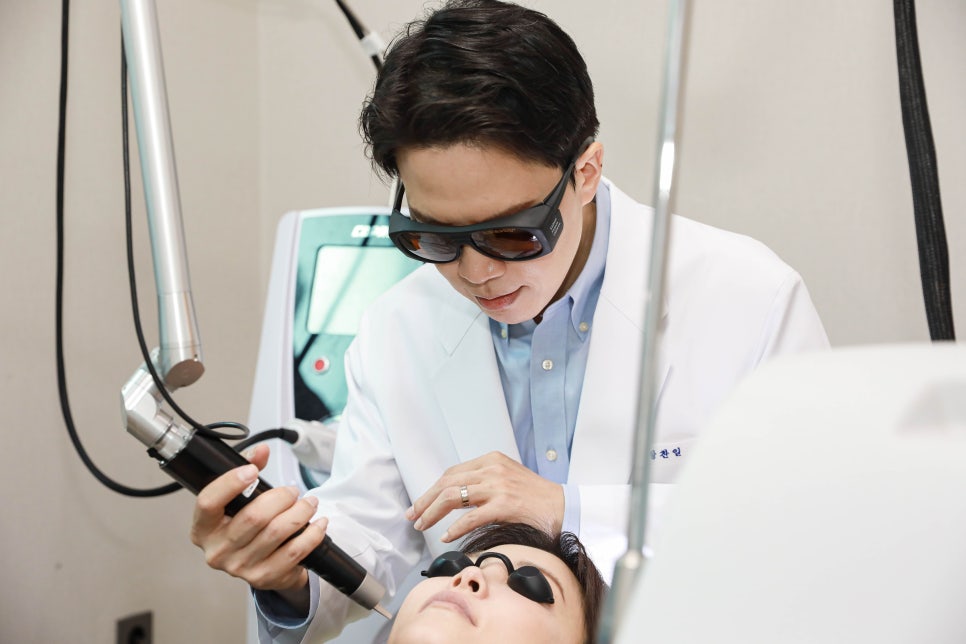
PicoSure and RevLite SI may also be selectively used depending on the depth and characteristics of the pigmented lesions. Double Tight may be considered when improvements in both skin elasticity and texture are needed. The important point is not to use a large number of devices, but to select and use the appropriate devices according to the patient’s skin condition. If you are considering a dermatology clinic near Seoul National University Station for melasma, it is advisable to establish a treatment plan after comprehensively assessing the depth of the melasma, skin sensitivity, presence of redness, and possibility of recurrence.

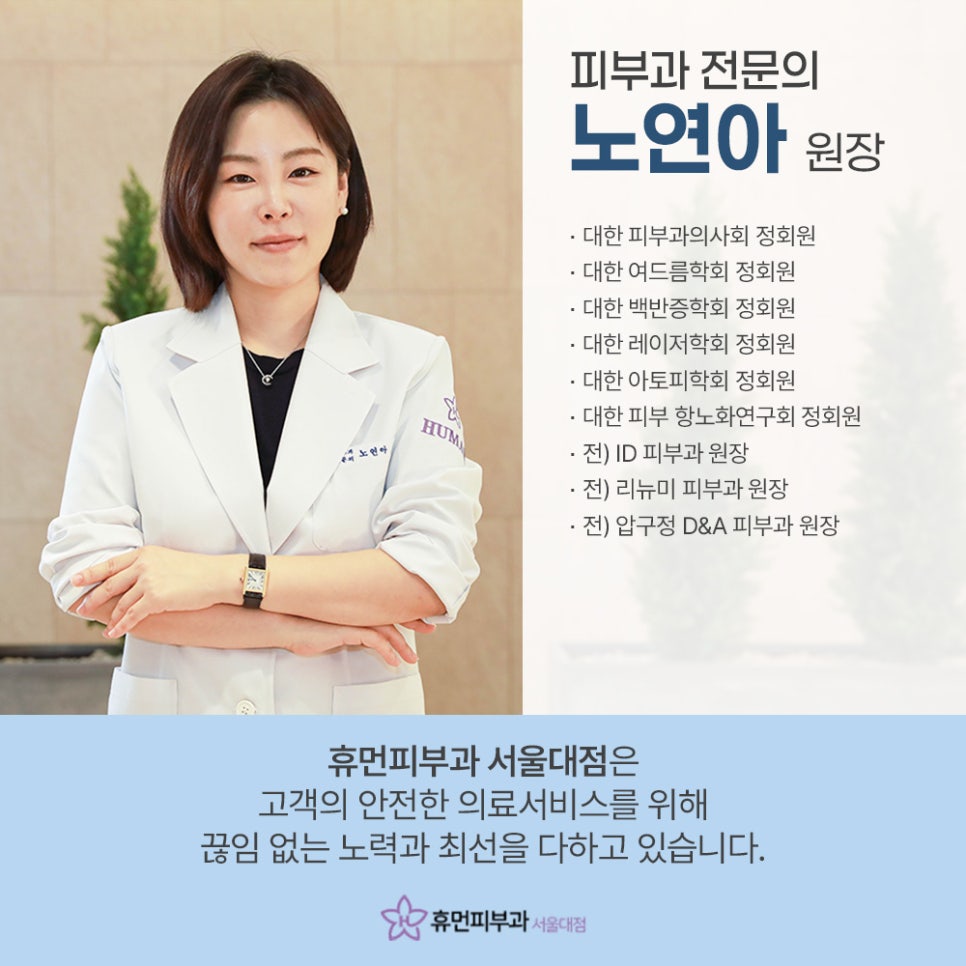
The most important aspect of melasma treatment is an accurate diagnosis. Although different conditions may look like similar brown pigmentation, their causes and depths may differ. They may include melasma, blemishes, hyperpigmentation, nevus of Ota, or pigmentation accompanied by redness. Treating all of these conditions in the same way without distinguishing between them may make the expected improvement difficult to achieve or may cause skin irritation. Therefore, it is important for melasma treatment to be carried out based on a diagnosis by a board-certified dermatologist.
At our clinic, we carefully examine each patient’s skin type, the extent and depth of the melasma, sun-exposure habits, and previous treatment history before providing guidance on the treatment approach. Melasma is a pigmentation disorder that requires consistent adjustment and care rather than treatment intended to remove it all at once. If you are looking for a dermatology clinic near Seoul National University Station, we recommend accurately assessing your current skin condition and planning treatment and follow-up care suited to your skin.