More Than Skin Care | Human Dermatology Clinic Seoul National University Branch

One of the questions many people have after receiving a dermatological treatment is, “How long will the results last?” Although the duration can vary depending on the type of treatment and the individual’s skin condition, post-treatment care can also affect satisfaction and how long the results are maintained.
The skin is not something that is affected only by a single treatment; it is continuously influenced by lifestyle habits and aftercare. Therefore, after treatment, it is important to carefully follow the precautions provided by a dermatologist and continue with a care routine suited to your skin’s condition.

Care to Reduce Irritation Is Needed After Treatment
Immediately after treatment, the skin may be more sensitive than usual. Although this can vary depending on the type of treatment, such as lasers, lifting treatments, skin boosters, or Botox, temporary redness, dryness, a sensation of heat, or tightness may occur. During this period, it is best to avoid rubbing the skin or using harsh exfoliating products.
You should also be cautious for a certain period about activities that may increase skin heat or blood flow, such as using a sauna or jjimjilbang, drinking excessively, or engaging in strenuous exercise. However, the period to avoid these activities and the appropriate care methods may differ depending on the treatment, so the safest approach is to listen to your dermatologist’s instructions and follow the precautions suited to you.
Moisturizing and Sun Protection Are Essential
Maintaining the skin barrier in a stable condition is important for prolonging treatment results. When the skin is dry or its barrier is weakened, it may react more sensitively to external irritation, and pigmentation or redness may persist for longer. Therefore, after treatment, it is best to provide sufficient moisture to help the skin recover comfortably.
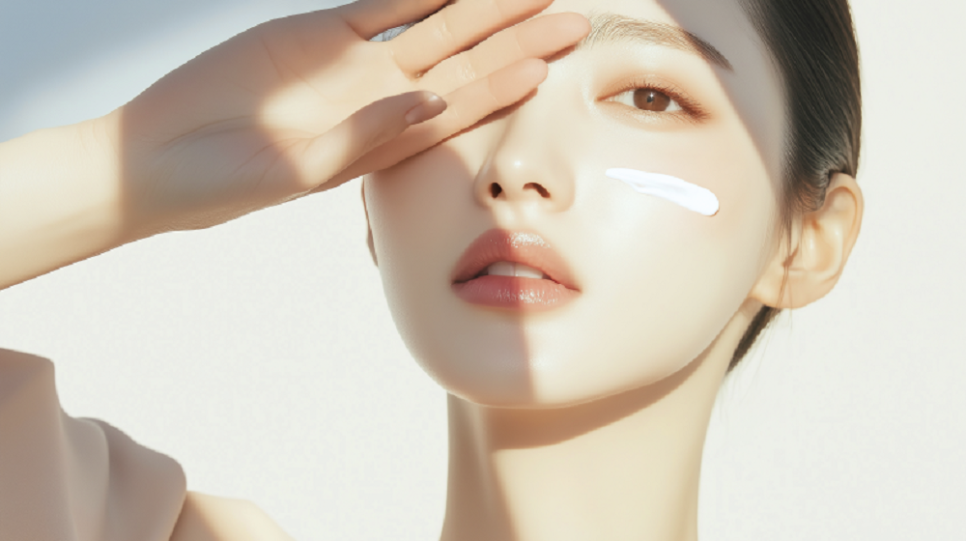
Sun protection is also essential. Ultraviolet rays can affect not only melasma, blemishes, and hyperpigmentation, but also the loss of skin elasticity. In particular, you should be especially careful about sun exposure after laser or pigmentation treatments, and apply sunscreen thoroughly in the manner recommended by your dermatologist.

Consistent Care and Monitoring Are Important for Maintaining Treatment Results
Dermatological treatments are less a one-time form of care than an ongoing process of periodically checking the skin and continuing care according to its condition. For example, the intervals between lifting treatments may vary depending on the degree of loss of skin elasticity, while pigmentation treatments may require consistent care in consideration of the possibility of recurrence. The duration of results from skin boosters or Botox may also feel different depending on an individual’s skin condition and lifestyle habits.
What is important at this point is not to receive treatments as frequently as possible, but to accurately assess the skin’s condition and receive appropriate care when needed. A dermatologist can comprehensively assess changes after treatment, the skin’s recovery status, and whether additional care is needed to establish a more stable maintenance plan.

To maintain treatment results for longer, aftercare is just as important as the treatment itself. Basic lifestyle care—including moisturizing, sun protection, caution with alcohol and saunas, and avoiding excessive irritation—should be practiced alongside treatment so that the skin can recover stably and satisfaction with the results can be improved.

Above all, post-treatment care methods do not apply equally to everyone. The care needed may vary depending on skin type, the type of treatment, recovery speed, and the degree of sensitivity. Therefore, it is best to consult sufficiently with a dermatologist and follow a care plan suited to your skin. If you want to maintain treatment results safely and for longer, it is most important to combine professional assessment with consistent aftercare.