More Than Skin Care | Human Dermatology Clinic, Seoul National University Branch
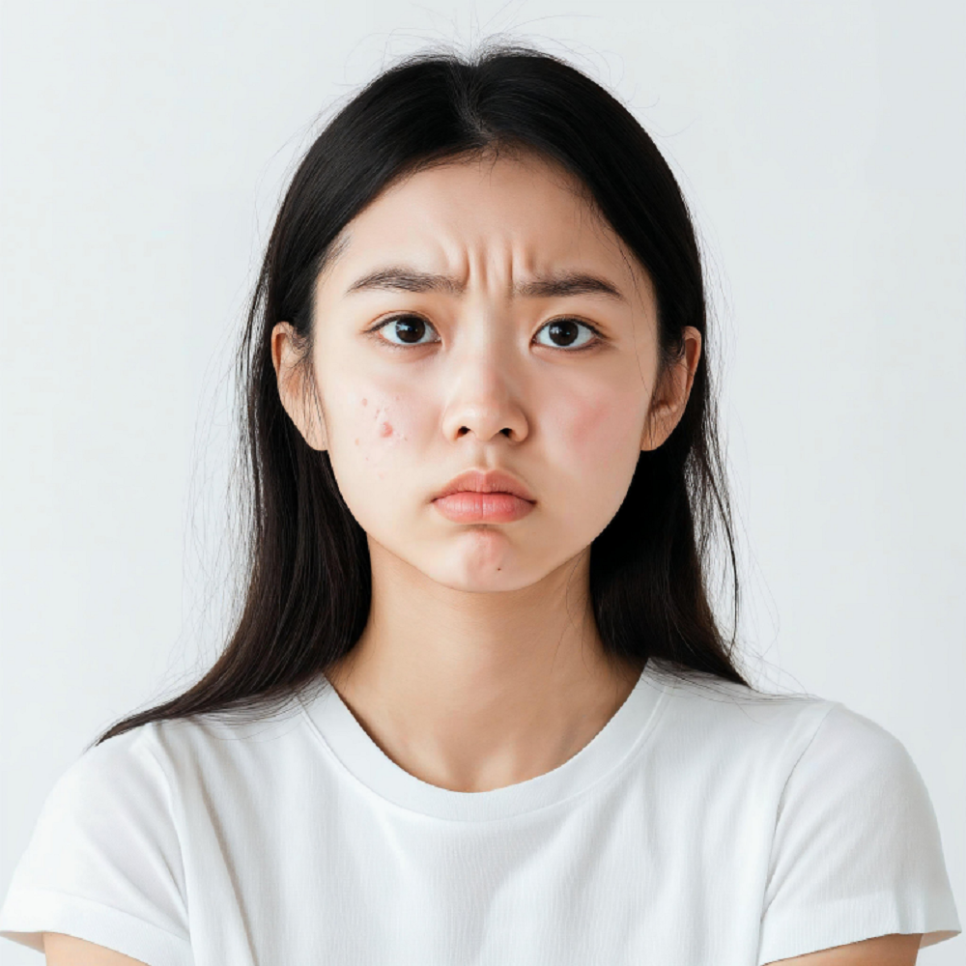
The marks left behind after acne has cleared can remain a concern for longer than expected. At first, they may look like red marks and gradually fade over time, but in some cases, they can remain as scars that make the skin look indented or uneven. As a result, some people think, “Maybe it will naturally improve if I wait a little longer,” and end up missing the optimal time for treatment.
Acne scars are not simply blemishes on the skin’s surface; they may be changes caused by inflammation affecting the skin tissue. In particular, when inflammatory acne repeatedly occurs or there has been a habit of squeezing pimples by hand, uneven skin regeneration can increase the likelihood of scarring. For this reason, it is important to distinguish between the aspects of acne scars that may improve with time and those that require professional care.
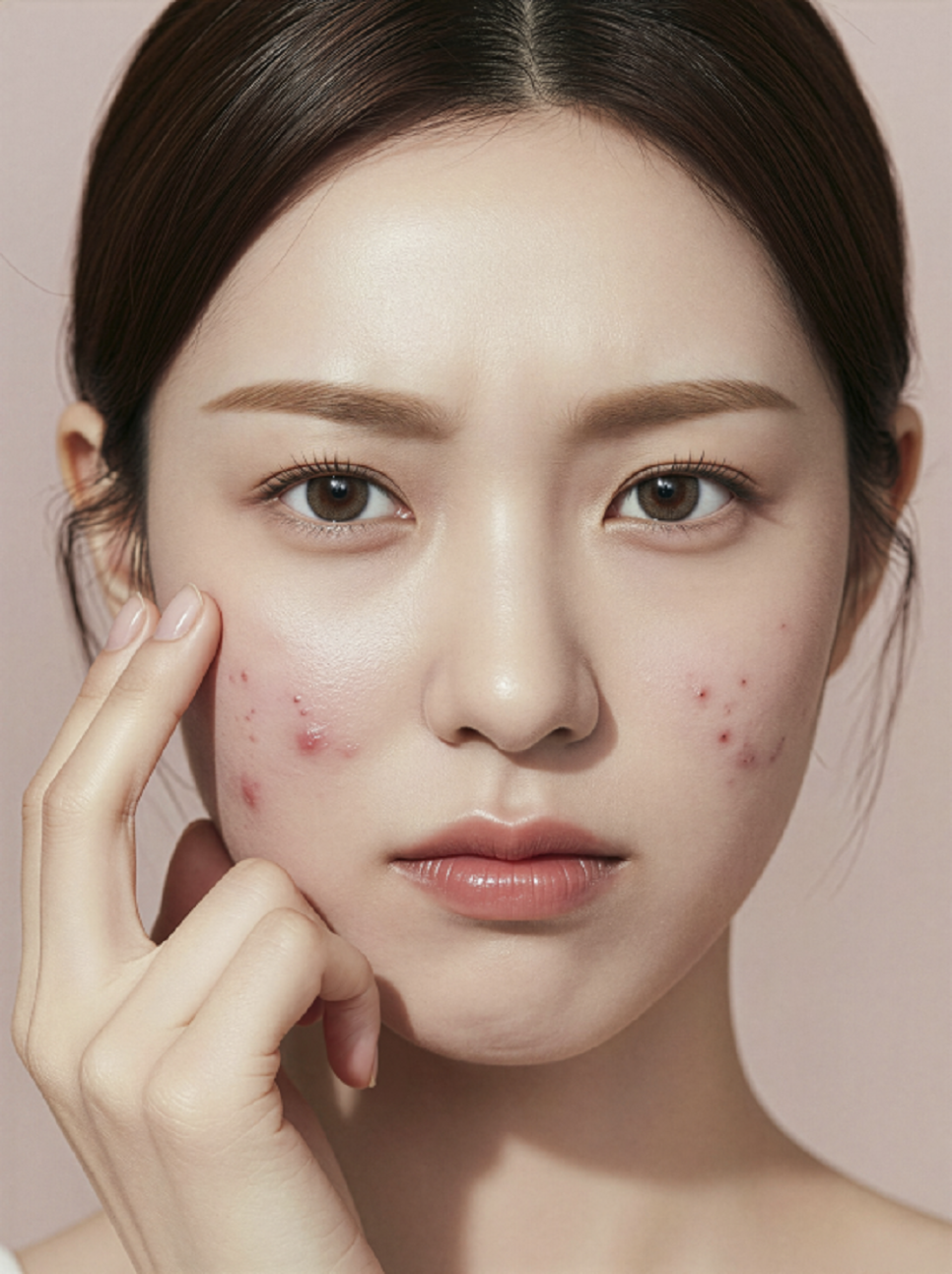
Are Acne Marks and Acne Scars Different?
The marks left after acne disappears can generally be divided into marks and scars. Red marks or brown hyperpigmentation are often temporary changes that remain after skin inflammation and may gradually fade over time. However, repeated exposure to ultraviolet rays or skin irritation can cause the discoloration to persist longer or become darker, so consistent care is needed.
Acne scars, on the other hand, refer to a condition in which the skin’s surface becomes indented or uneven. This may occur when inflammation affects the dermal layer, damaging the collagen structure or preventing even regeneration. In such cases, simply waiting may not be enough for the skin to recover smoothly, so treatment suited to the condition of the skin may be helpful.
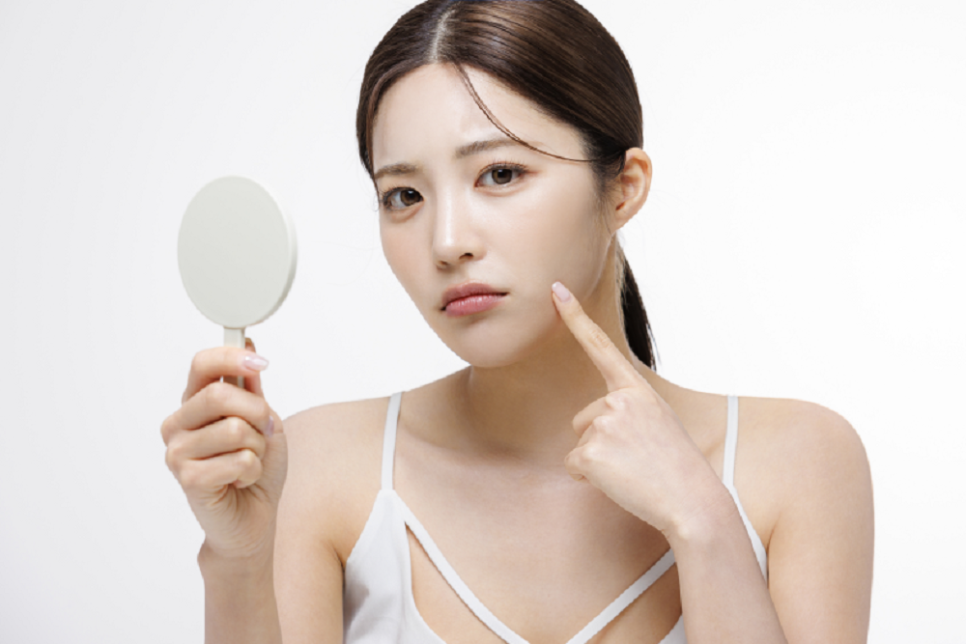
Can Acne Scars Naturally Improve Over Time?
When the main concern is discoloration, as with acne marks, the marks may fade to some extent over time. As part of the skin’s natural recovery process, redness may decrease and hyperpigmentation may gradually improve. However, the process can vary considerably depending on an individual’s skin regeneration capacity, the severity of inflammation, lifestyle habits, and ultraviolet protection, so not everyone improves at the same rate.
However, indented or deep scars are often difficult to completely recover from naturally. When the structure of the skin tissue has already changed, home care or cosmetics alone may have limitations in sufficiently improving unevenness on the skin’s surface. In particular, scars that have been present for a long time may become firmly established in the tissue, so it is advisable to have their condition evaluated by a dermatologist early on.
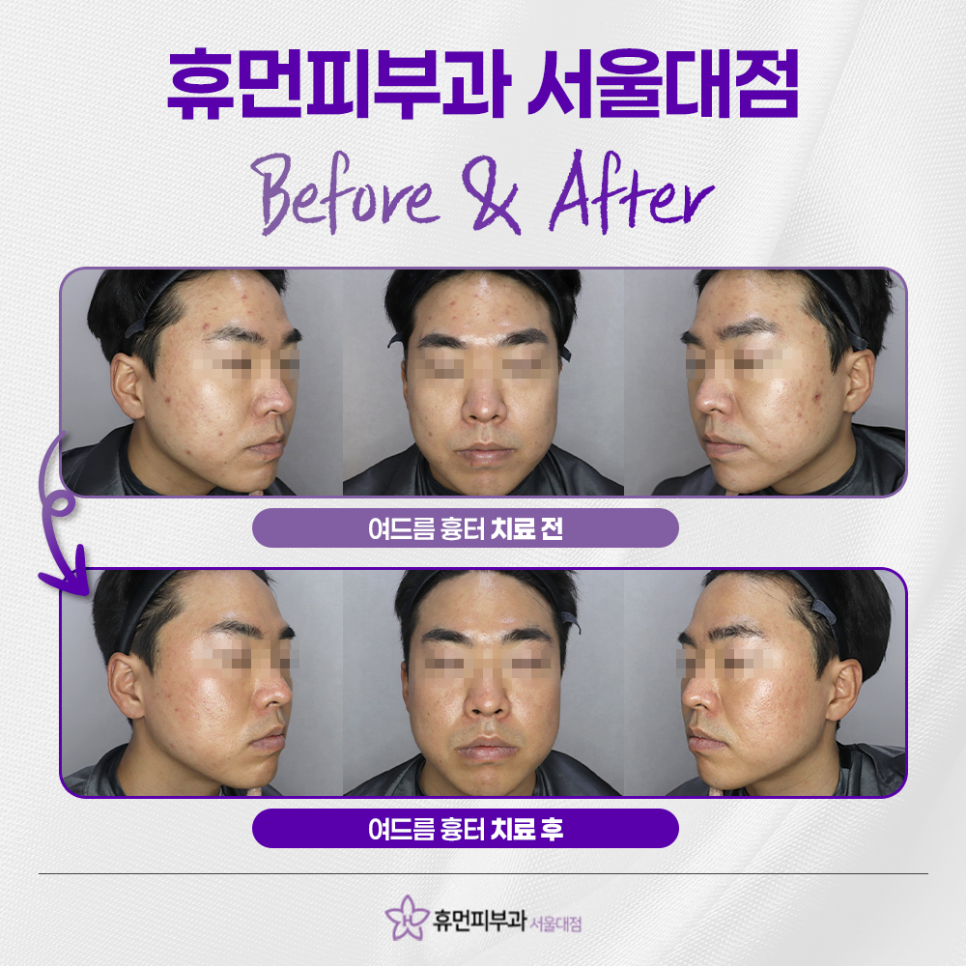
Why Is Personalized Treatment Important for Acne Scars?
The treatment approach for acne scars may vary depending on their shape and depth. This is because scars can take many forms, including shallow and wide indentations, narrow and deep indentations, and scars that make the skin texture look uneven. Even when they are all acne scars, some skin may require treatment that promotes collagen regeneration, while other skin may also need care for pigmentation or red marks.
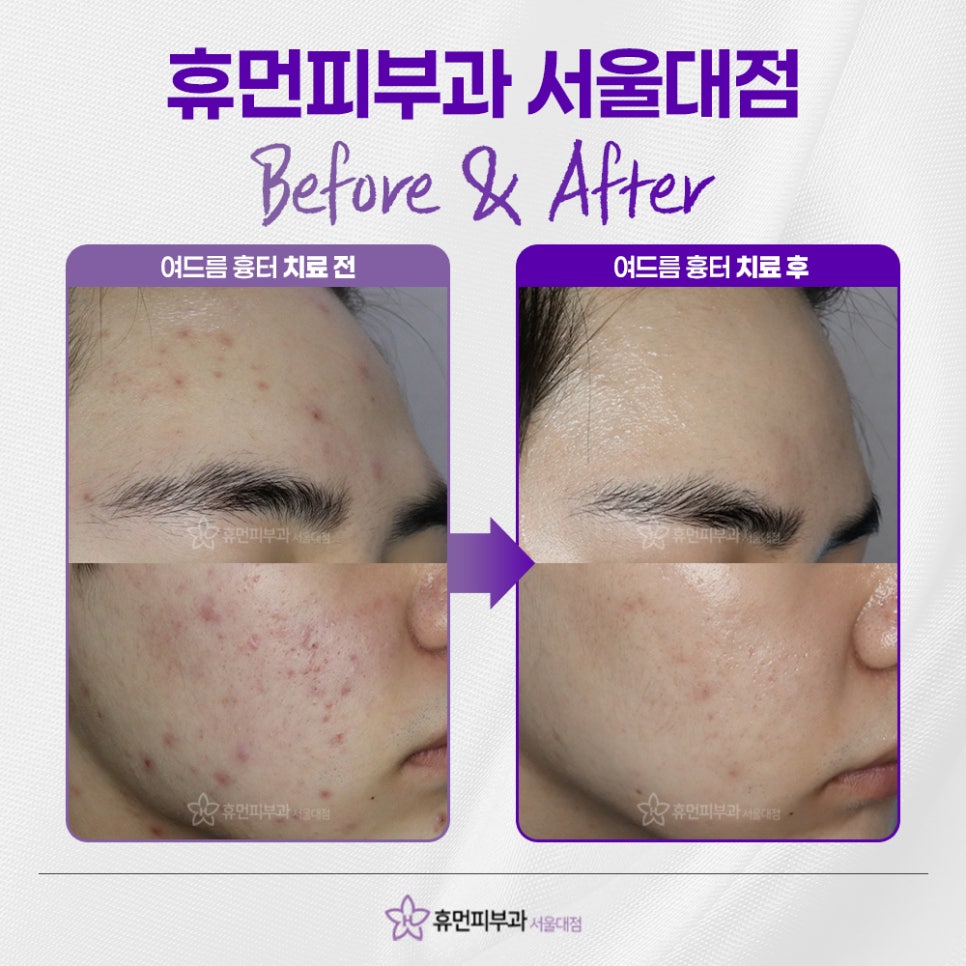
The treatment sequence may also vary depending on whether acne is still occurring or the inflammation has stabilized. If scar treatment is performed first while inflammatory acne continues to recur, new scars may develop again. Therefore, it is important to plan acne control and scar treatment together. Ultimately, personalized treatment that considers the condition of the skin and the type of scars may be more helpful than a single procedure for managing acne scars.
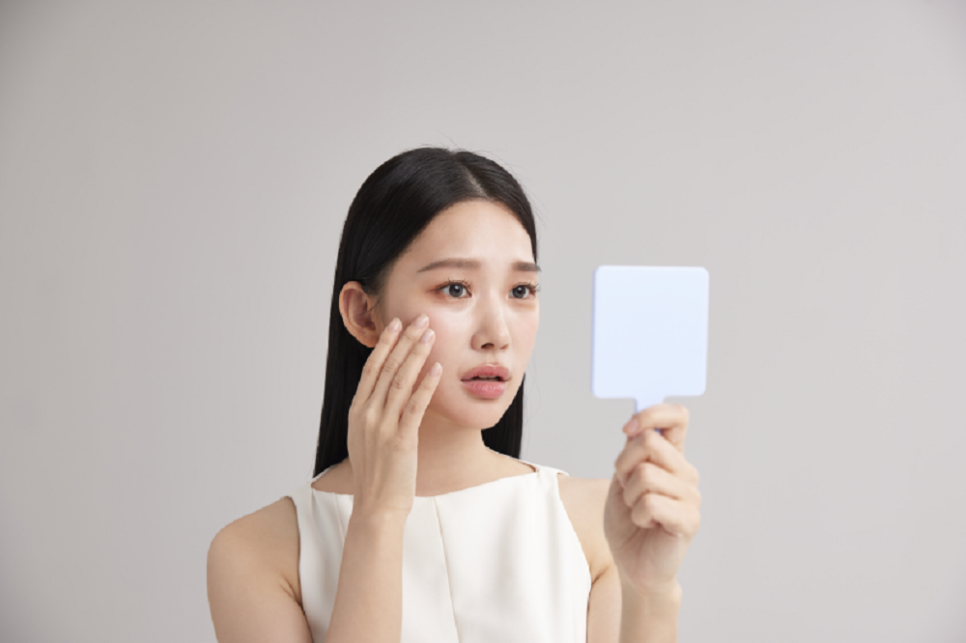
Some acne marks may fade over time, but indented or uneven scars are often difficult to completely improve naturally. In particular, deep or long-standing scars may involve structural changes within the skin, making it difficult to expect satisfactory improvement through simple home care alone.

Therefore, if acne scars are a concern, it is advisable to consult a dermatologist to accurately assess their current shape and depth, as well as the condition of your skin. If laser treatment, skin regeneration treatments, and procedures tailored to the type of scar are then carried out step by step according to the condition of your skin, you may be able to achieve smoother and more even-looking skin texture in a more stable manner.
📌Human Dermatology Clinic, Seoul National University Branch
Read the director’s scar treatment column