More Than Skin ㅣ Human Dermatology Clinic, Seoul National University Branch

If your skin reddens easily or you experience stinging and itching whenever you change cosmetics, you may worry, “Will it be difficult for me to receive dermatological treatments because I have sensitive skin?” In particular, treatments that may feel irritating to the skin, such as laser treatments, skin boosters, and lifting procedures, often require more careful consideration.
However, having sensitive skin does not mean that all dermatological treatments are impossible. What is important is to first check the current condition of your skin, how weakened the skin barrier is, and whether redness or inflammatory reactions are present, then take an approach suited to those factors.
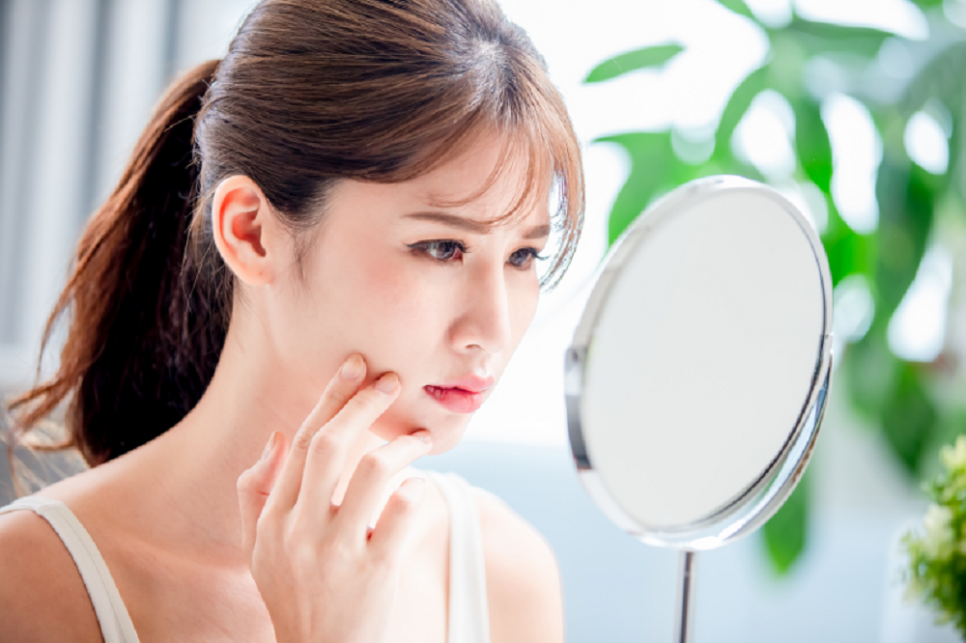
Why Is Sensitive Skin Easily Irritated?
Sensitive skin often reacts easily to external stimuli because the skin barrier has become weakened. The skin barrier helps retain moisture and protect the skin from external irritants. When this function is disrupted, redness or stinging may occur in response to even minor temperature changes, cosmetic ingredients, or friction.
In addition, when the skin is dry or inflammation has repeatedly occurred, its ability to recover on its own may decrease. If you undergo excessive home care or highly irritating treatments in this state, your skin may become even more sensitive. For this reason, sensitive skin requires a careful assessment of its condition before treatment.

Can People with Sensitive Skin Receive Treatments?
People with sensitive skin may consider dermatological treatments if their skin is stable and the treatment is planned in a way that minimizes irritation. However, rather than proceeding with the same intensity or method used for typical skin, it is important to adjust the energy level, interval between treatments, and treatment area while monitoring the skin’s response.
For example, if redness is severe or inflammation has flared, it may be necessary to focus first on soothing the skin and restoring the skin barrier rather than immediately proceeding with cosmetic treatments. Conversely, if the skin is relatively stable, treatments can be planned gradually with goals such as hydration, recovery, reducing redness, and improving skin texture.

Why Pre- and Post-Treatment Care Is Even More Important
For sensitive skin, care before and after treatment is just as important as the treatment itself. Before treatment, it is necessary to check whether the skin is excessively dry or irritated. If needed, it is best to stabilize the skin’s condition first through soothing or moisturizing care.
After treatment, the skin may temporarily become more sensitive, so sun protection, moisturizing, and soothing care are essential. It is best to avoid activities that may raise the skin’s temperature or cause irritation for a certain period, such as hot saunas, alcohol consumption, strenuous exercise, and exfoliation. Taking these steps together may help reduce discomfort after treatment and support the skin’s recovery.

Having sensitive skin does not mean that you must avoid dermatological treatments altogether. However, since the appropriate treatment and timing may vary depending on the condition of the skin barrier, the presence of redness, inflammatory reactions, and the degree of dryness, a cautious approach is needed.
If you are concerned about treatment because your skin is sensitive, it is best to accurately assess its current condition through a consultation with a dermatologist. If the skin is stabilized first based on the dermatologist’s diagnosis and any necessary treatments are then carried out gradually, people with sensitive skin can continue caring for their skin more safely and comfortably.