Even on rainy days,
Do you need sunscreen?
Human Dermatology Clinic, Seoul National University Branch

On rainy or overcast days, sunlight does not feel strong, so many people skip sunscreen. Especially during the monsoon season, when the clouds are thick and people spend more time indoors, it is easy to think, “It should be okay not to apply sunscreen today, right?”
However, it is difficult to judge ultraviolet exposure based only on the intensity of visible sunlight. Ultraviolet rays can affect the skin even on cloudy days, and light entering through windows or brief exposure while outdoors can affect hyperpigmentation, melasma, dark spots, and skin aging. That is why it is a good idea to consider sun protection an essential part of skincare even on rainy days.

Can ultraviolet rays affect the skin even on rainy days?
On rainy or cloudy days, the sunlight may appear weaker, but ultraviolet rays do not disappear completely. In particular, UVA, which can affect the deeper layers of the skin, can still reach the skin on cloudy days. UVA is associated with reduced skin elasticity, fine lines, and a dull complexion, and may contribute to long-term skin aging.
Also, during the monsoon season, many people do not apply sunscreen because they expect to spend only a short time outdoors. However, everyday exposure to ultraviolet rays occurs more often than expected, such as during commutes, moving around during lunch breaks, sitting near windows, or driving. When these small amounts of exposure accumulate, melasma and dark spots may become more noticeable, or the skin tone may appear uneven.

Ultraviolet rays can make melasma and dark spots appear darker
Melasma and dark spots are common pigmentation concerns that are significantly affected by ultraviolet rays. When exposed to ultraviolet rays, the skin produces melanin pigment to protect itself. When this process is repeated, existing pigmentation may appear darker, or new dark spots may develop. Becoming complacent because the day is cloudy can make pigmentation management more difficult.
Melasma, in particular, can become darker again when exposure to ultraviolet rays or skin irritation is repeated, even if it appears to have faded once. Therefore, people receiving pigmentation treatment or concerned about melasma and dark spots should consistently use sunscreen regardless of the weather. Sun protection on rainy days can be viewed not only as simple prevention but also as part of maintaining treatment results.

How should sunscreen be used on rainy days?
On rainy days, sweat and humidity can cause sunscreen to wear off or pill easily. Choosing a lightweight, non-sticky formula can make it comfortable to use. If your skin tends to become shiny, choose a fresh, lightweight type. If you have dry or sensitive skin, it is a good idea to choose a gentle product with moisturizing properties.
Before going outside, it is important to apply a sufficient amount evenly over the entire face. If you will be outdoors for a long time, get wet in the rain, or sweat heavily, you will also need to reapply it. On days when you wear sunscreen, it is also a good idea to pay attention to your evening cleansing routine so that residue does not remain in your pores.
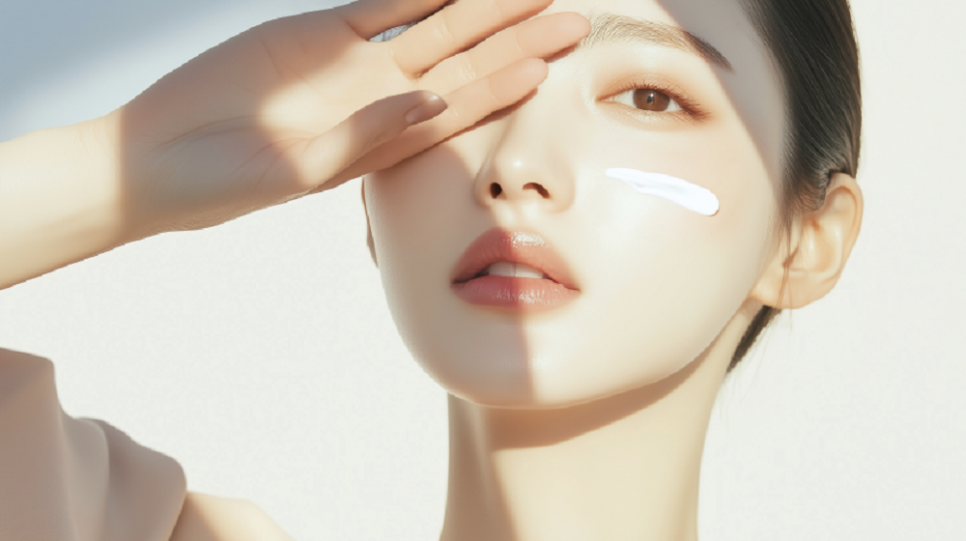
Sunscreen is necessary even on rainy or cloudy days. Even when sunlight does not feel strong, ultraviolet rays can reach the skin, and repeated exposure may affect melasma, dark spots, reduced skin elasticity, and a dull complexion. In particular, if pigmentation is a concern, it is a good idea to maintain the habit of consistent sun protection regardless of the weather.
If your melasma or dark spots have already become more pronounced, or if you are concerned about hyperpigmentation caused by ultraviolet exposure, it is a good idea to accurately assess your current skin condition through a consultation with a board-certified dermatologist. The appropriate treatment approach may vary depending on the type and depth of the pigmentation and the sensitivity of the skin, and may include laser treatment, brightening care, or restorative care. Management based on a specialist’s diagnosis and a carefully tailored treatment plan may help maintain a clear, even skin tone during the rainy season as well.