More Than Skin Care ㅣ Human Dermatology Clinic Seoul National University Branch
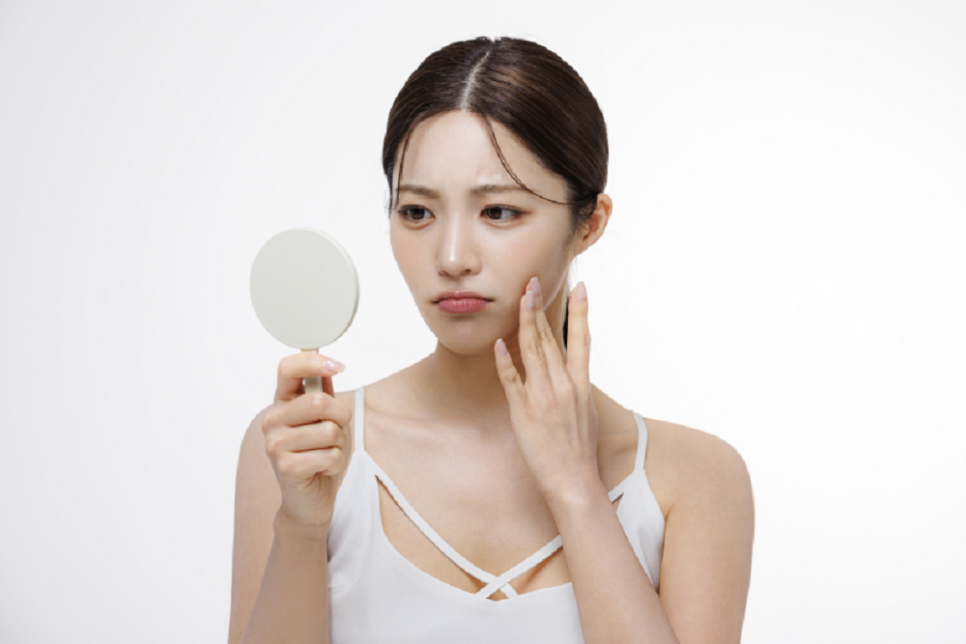
Summer brings many people the feeling that pimples appear on their face more often than usual. As we sweat more and sebum production increases, small breakouts can easily recur around the forehead, nose, chin, and cheeks. At first, it is easy to dismiss them as simple pimples caused by the heat, but if they keep appearing in the same area or the inflammation worsens, they may be developing into acne.
In particular, during summer, high temperatures and humidity, UV exposure, mask wearing, and thick sunscreen and makeup can all affect the skin at the same time. If the pores become clogged and sebum is not released smoothly, this can lead to whiteheads, inflammatory acne, and red marks. Therefore, rather than viewing summer acne as simple pimples, it is better to consider both its causes and recurring patterns.
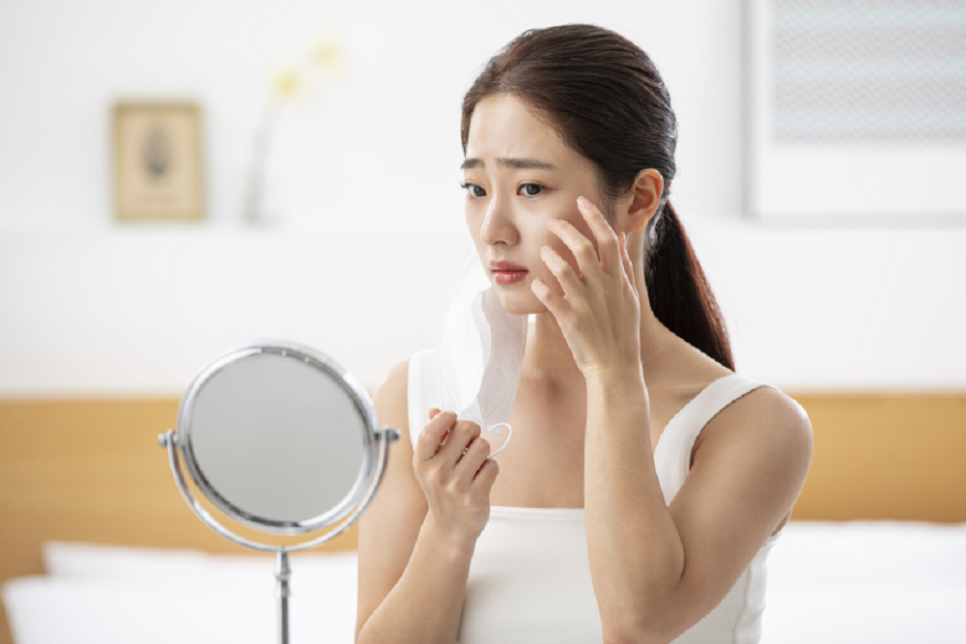
Why does acne develop more easily in summer?
As skin temperature rises in summer, sebum production may become more active. Sebum also helps protect the skin, but when produced excessively, it can mix with dead skin cells, impurities, and cosmetic residue and clog the pores. When inflammation develops inside these clogged pores, it can progress into red and painful acne.
Also, if the skin is not properly cleansed after heavy sweating, salt and impurities may remain on the skin’s surface and cause irritation. During periods of high humidity, such as the monsoon season, the skin can become sticky and create an environment in which bacteria can multiply more easily. Touching the face with your hands or repeated contact with masks and hair can also make breakouts more likely.

How are simple pimples different from acne?
Simple pimples often appear due to temporary irritation or changes in condition and subside relatively quickly. They may be caused by lack of sleep, stress, a change in cosmetics, or temporary skin irritation. In some cases, they become smaller and less red within a few days.
Acne, on the other hand, is closer to a skin condition that develops through recurring clogged pores, sebum production, and inflammatory responses. If breakouts frequently appear in the same area, are painful when touched, or leave red marks and hyperpigmentation for a long time, they may be difficult to regard as simple pimples. In particular, squeezing inflammatory acne with your hands or leaving it untreated can lead to depressed scars, so caution is needed.
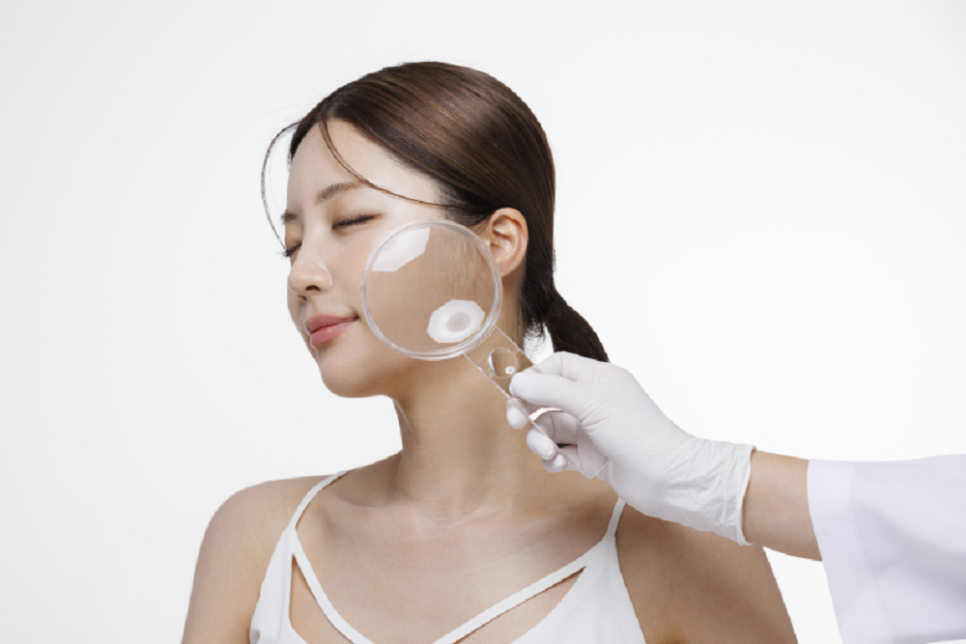
How should summer acne be managed?
Managing summer acne begins with gently cleansing the skin so that the pores do not become clogged. After sweating, it is better to lightly pat or wipe the skin rather than rub it, and after going out, cleanse thoroughly so that sunscreen and makeup residue do not remain. However, using a strong cleanser frequently because you have oily skin can weaken the skin barrier and may instead make the skin more sensitive.
Moisturizing is also essential. If you skip moisturizer because your skin looks shiny, inner dryness may become more severe and you may feel that sebum production increases. Use a lightweight hydrating product, and avoid the habit of touching or squeezing acne-affected areas. If the inflammation is already severe or acne keeps recurring, receiving treatment suited to your skin condition may be more helpful than relying solely on self-care.
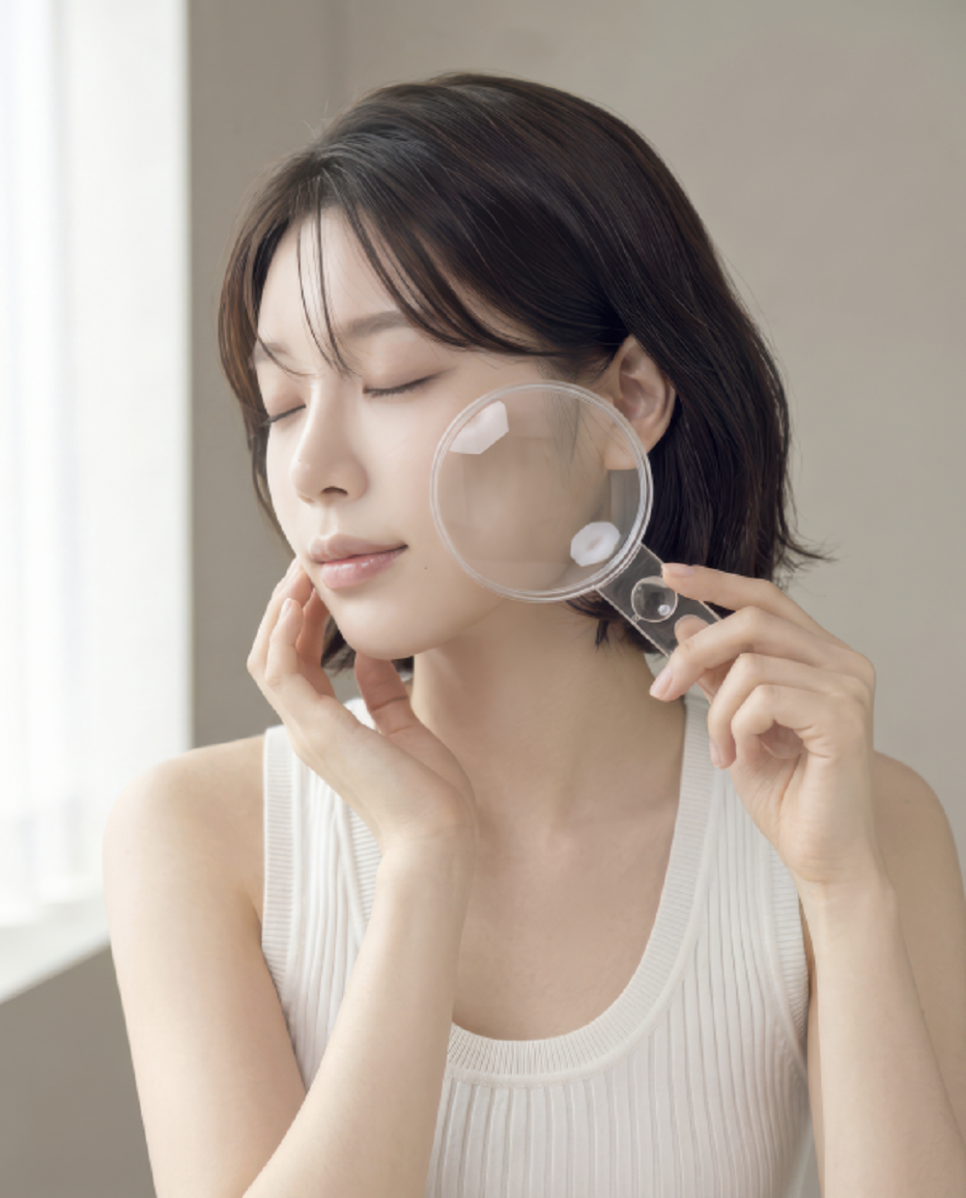
Pimples that appear in summer may be temporary breakouts, but if they recur in the same area or develop into red and painful inflammation, this may be a sign that acne treatment is needed. In particular, because multiple factors overlap in summer—including sweat and sebum, sunscreen, makeup residue, and friction from masks—it is better to observe changes in your skin carefully rather than simply assuming that the problem will resolve with time.
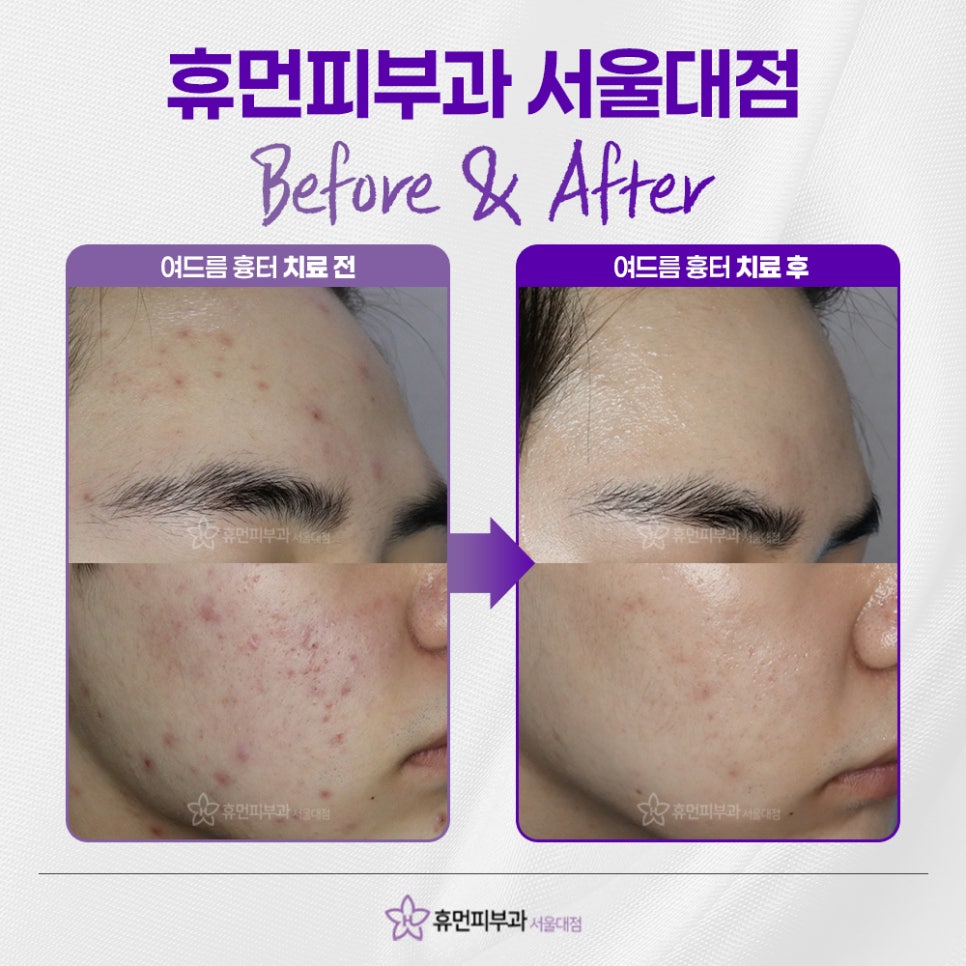
If acne keeps recurring or you are concerned about marks, hyperpigmentation, or scarring, it is important to consult a dermatologist to check the type of acne you currently have, the degree of inflammation, and the condition of your skin barrier. Based on a dermatologist’s diagnosis, extraction care, medication, sebum-control treatment, and inflammation-relieving procedures may be carried out according to your skin condition, which may help you maintain cleaner and more stable skin during the summer.
📌Human Dermatology Clinic Seoul National University Branch
Go to the director’s column