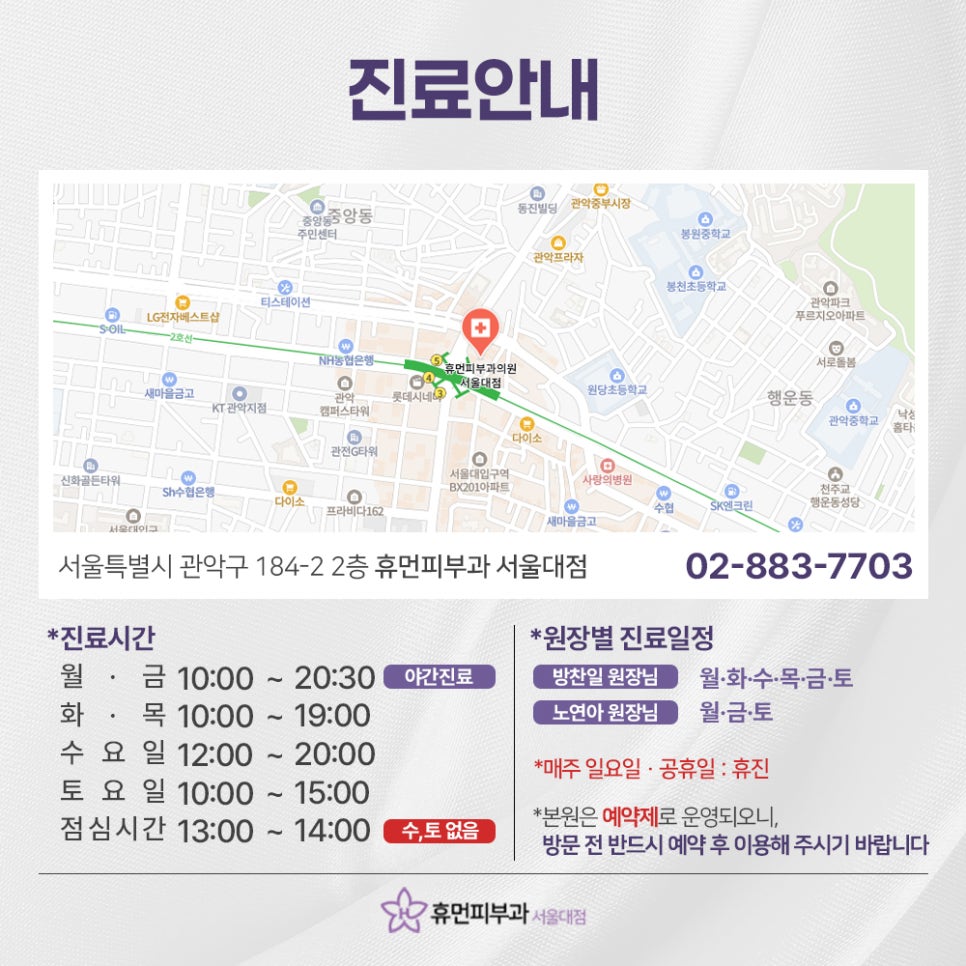
The Value Beyond Skin | Human Dermatology Clinic, Seoul National University Branch

After receiving laser treatment, your skin may become more sensitive than usual. Depending on the type and intensity of the treatment, temporary redness, a feeling of heat, dryness, stinging, and fine flaking may occur, and the skin enters a recovery process during this period. Therefore, after treatment, it is important not simply to wait for time to pass but to care for the skin so that it can recover in a stable manner.
One of the commonly recommended forms of care during this time is the use of a recovery cream. A recovery cream may help protect skin that has become sensitive after treatment and reduce dryness and irritation. In particular, when the skin barrier is temporarily weakened after laser treatment, moisturizing, soothing, and protective care play an important role in the recovery process.

What Condition Is the Skin In After Laser Treatment?
Laser treatment may be performed for various purposes depending on the skin concern, including pigmentation, redness, pores, scars, and elasticity. Because thermal energy or other stimulation is delivered to the skin during the procedure, the skin may appear red or feel warm immediately afterward. This may be part of the skin's recovery response after receiving external stimulation.
In addition, moisture can easily escape from the skin's surface after treatment, and its barrier function may be temporarily weakened. If the skin lacks moisture or is exposed to ultraviolet rays, friction, or strong cosmetic ingredients in this condition, it may become drier or the stinging may last longer. For this reason, initial post-treatment care can affect skin recovery and satisfaction with the results.
Why Is a Recovery Cream Needed?
A recovery cream may help comfortably protect skin that has become sensitive after laser treatment. Because the skin is more prone to dryness than usual after treatment and may react sensitively even to minor irritation, care that forms a protective barrier on the skin's surface, reduces moisture loss, and eases external irritation is needed.
A recovery cream may also help create an environment in which the skin can recover steadily. If dryness and tightness persist, flaking may occur or redness may last longer. Consistent moisturizing and soothing care at this time may help reduce skin discomfort and maintain the skin's condition more stably after treatment.
How Should a Recovery Cream Be Used?
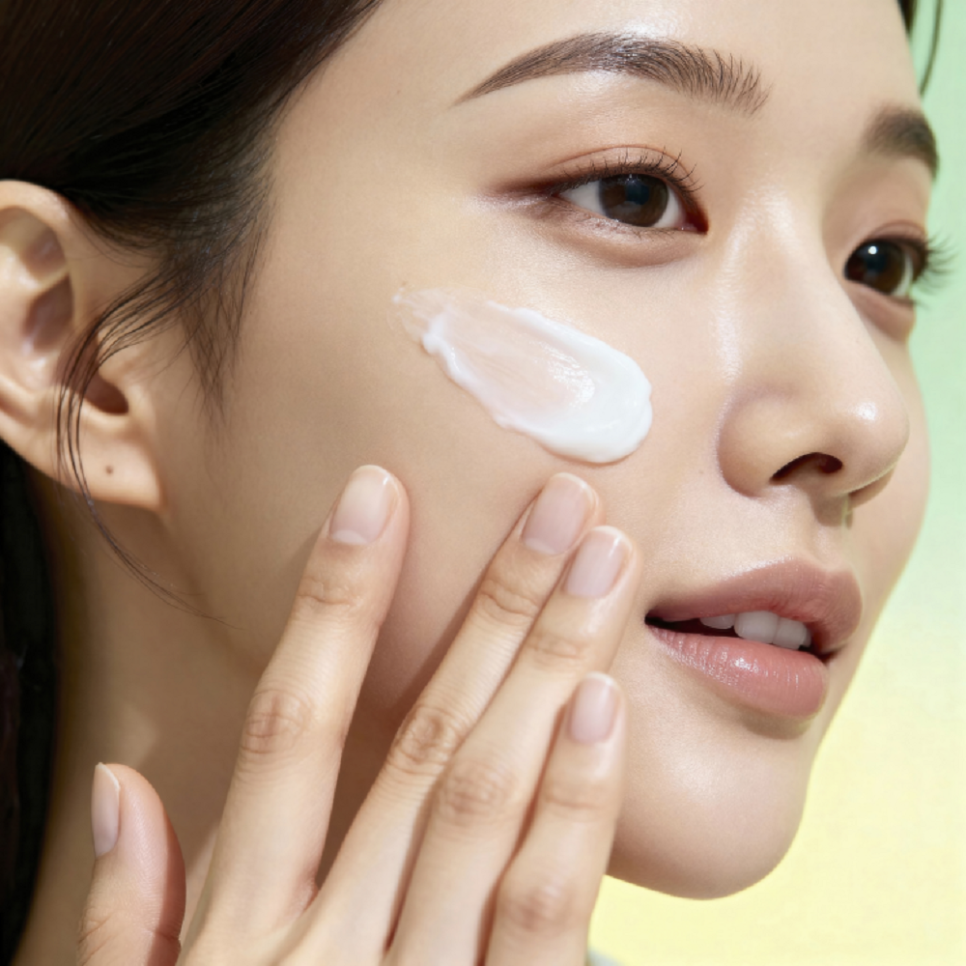
It is best to apply an appropriate amount of recovery cream gently according to the condition of the skin after treatment. When the skin is stinging or red, it is better to keep care simple and focus on products recommended by your dermatologist rather than using several functional products together. In particular, products that may cause irritation, such as exfoliants, high-concentration vitamin products, and products containing retinol, should preferably be avoided for a certain period.
Sun protection is just as important as using a recovery cream. Because the skin may become more sensitive to hyperpigmentation after laser treatment, it is best to apply sunscreen thoroughly when going outdoors. When washing your face, avoid very hot water and strong friction; gently pat or wipe the skin rather than rubbing it. While the skin is recovering, it is also best to be cautious with activities that may increase warmth, such as saunas, drinking alcohol, and strenuous exercise.

A recovery cream after laser treatment is not merely a moisturizer; it is an important part of care that helps sensitive skin recover steadily. When the skin feels dry, red, or stings after treatment, using a recovery cream appropriately may help reduce moisture loss and protect the skin barrier.
However, the appropriate care methods may vary depending on the type of laser and the condition of the skin. It is best to consult a dermatologist to check the skin's response after treatment and receive guidance on when and how to use a recovery cream, sun protection, and whether additional soothing care is needed. Following a specialist's diagnosis together with a post-treatment care plan may support a more stable recovery and satisfying changes in the skin.