The Value Beyond Skin ㅣ Human Dermatology Clinic Seoul National University Branch
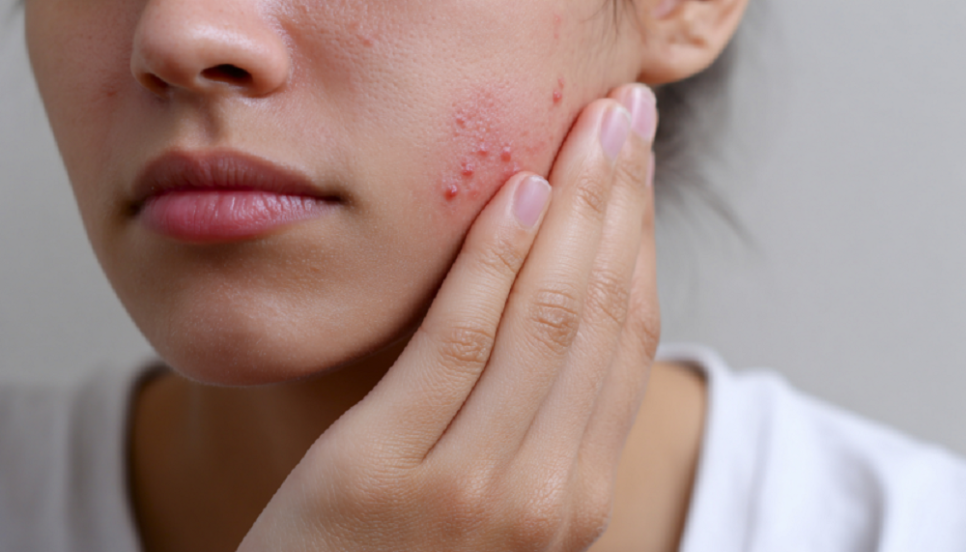
When acne or tiny bumps appear, many people immediately want to squeeze them with their hands. Removing visible sebum or pus may seem like it will make the area settle down quickly, but improper extraction can instead worsen inflammation or leave marks and scars. In particular, when the skin is sensitive or the acne is deeply inflamed, forcing the contents out can damage the skin tissue.
Dermatology extraction care is not simply a process of squeezing out acne. It involves checking the type of acne and the state of inflammation, then clearing away sebum and impurities while minimizing skin damage. It differs from squeezing with your hands at home in several ways, including hygiene, pressure control, and soothing care after the procedure.
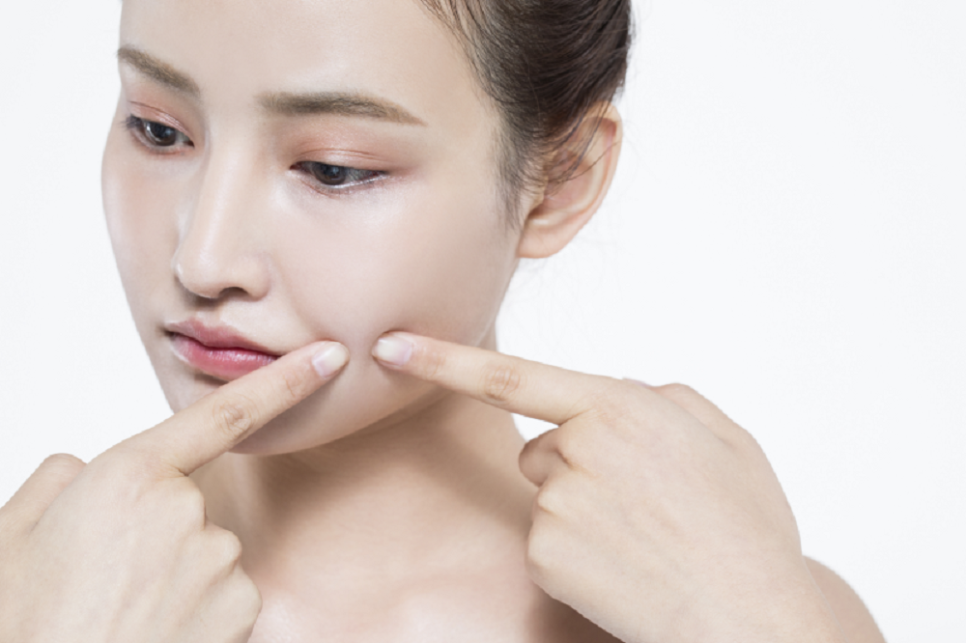
Why Can Squeezing at Home Cause Problems?
When squeezing acne at home, people often use their hands, fingernails, or cotton swabs. If the skin is pressed without adequate disinfection, bacteria can enter and worsen the inflammation. Also, if the sebum is not fully expelled and is pushed deeper into the skin, the acne may worsen into inflamed acne that is swollen and painful.
Excessive pressure is another problem. If the acne does not come out easily but you continue pressing, the surrounding skin tissue can be damaged, and red marks or hyperpigmentation may remain for a long time. In particular, areas such as the chin, cheeks, and around the nose can be more sensitive or contain many blood vessels, so care is needed because improper squeezing may also increase the likelihood of scarring.
How Is Dermatology Extraction Care Different?
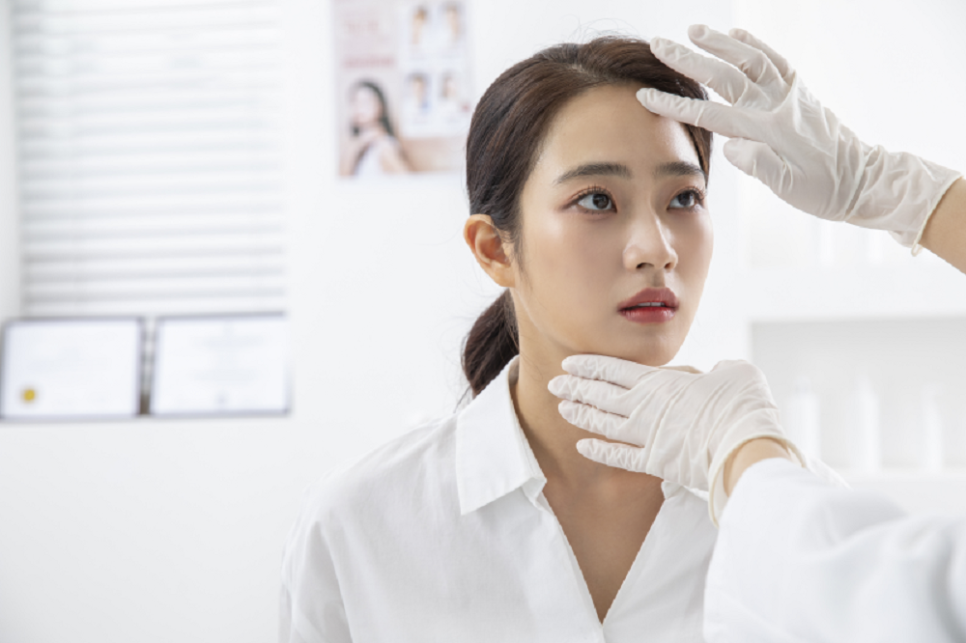
Dermatology extraction care first requires checking whether the acne is in a condition suitable for extraction. Not every breakout should be squeezed immediately, so it is important to distinguish between tiny bumps, blackheads, inflammatory acne, and pus-filled acne and approach each according to its condition. Forcing extraction on acne that is not suitable for it may instead worsen the inflammation.
Dermatology clinics also perform extraction in a hygienic environment using appropriate tools. When necessary, the pore opening may be prepared first, after which pressure is controlled to expel sebum and comedones. Soothing care or inflammation-relieving care may also be provided after the procedure. These steps may help reduce skin damage and support recovery.
Why Is Post-Extraction Care Also Important?
Extraction is a process of removing sebum, but the skin may be temporarily sensitive afterward. Exposure to sunlight, touching the skin with your hands, or using irritating cosmetics at this time may cause redness and hyperpigmentation to persist longer. Therefore, it is best to soothe the skin and provide sufficient moisture after extraction.
On the day of extraction, it is best to avoid activities that can increase skin warmth or irritation, such as vigorous cleansing, scrubs, peels, saunas, drinking alcohol, and strenuous exercise. It is also important to apply sunscreen thoroughly and not forcibly remove any scabs that form over the extraction area. Proper post-extraction care may help reduce recurring breakouts and the formation of marks.
Unlike squeezing with your hands at home, dermatology extraction care is performed by checking the condition of the acne and working in a hygienic environment with the aim of minimizing skin damage. Rather than simply removing sebum, it is important to assess the condition of the skin before and after extraction together in order to help reduce the possibility of worsening inflammation, marks, hyperpigmentation, and scarring.
If recurring acne, tiny bumps, or blackheads are a concern, it is best to consult a dermatologist to accurately assess your current skin condition and the causes of your breakouts. Based on a specialist’s diagnosis, extraction care, medication, sebum-control treatment, and inflammation-relieving procedures can be provided according to the condition of your skin, which may help you maintain a cleaner and more stable skin condition.