Value Beyond Skin | 휴먼피부과의원 서울대점
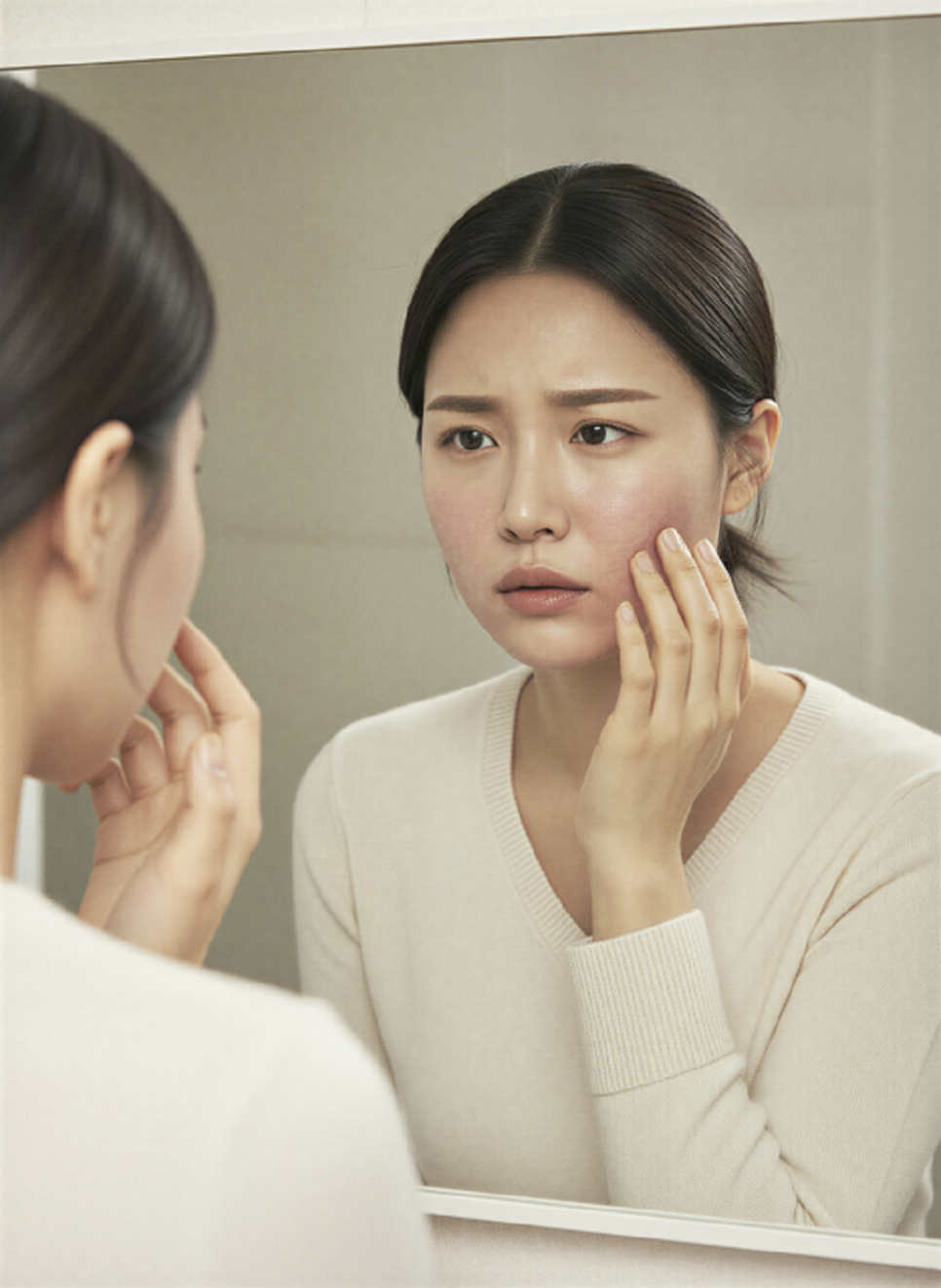
One of the easiest ways to care for a blemish when it appears is to use an acne patch. It can cover a visible area and help reduce touching it with your hands, so many people use patches conveniently in their daily lives. In particular, applying a patch before going out or putting on makeup can make a blemish look less noticeable and may also provide psychological comfort.
However, applying a patch to every blemish is not always helpful simply because a blemish has appeared. Depending on the type of blemish, the degree of inflammation, whether it has been extracted, and the condition of your skin, a patch may be helpful in some cases but may instead make the skin feel stuffy or cause irritation in others. That is why it is important to use patches according to the situation rather than applying them unconditionally.
What role do acne patches play?
Acne patches primarily help protect a blemished area from external irritation. They can help reduce the habit of touching or scratching the area and prevent dust or contaminants from coming into direct contact with the skin. Especially after extraction, when the skin is slightly open, a patch can act as a protective barrier and help reduce unnecessary irritation.
Some patches can also absorb discharge and help keep the blemished area clean. However, because patches do not treat the underlying cause of acne, recurring acne or deep inflammatory acne is difficult to resolve with patches alone. It is best to understand patches as a supplementary care method.
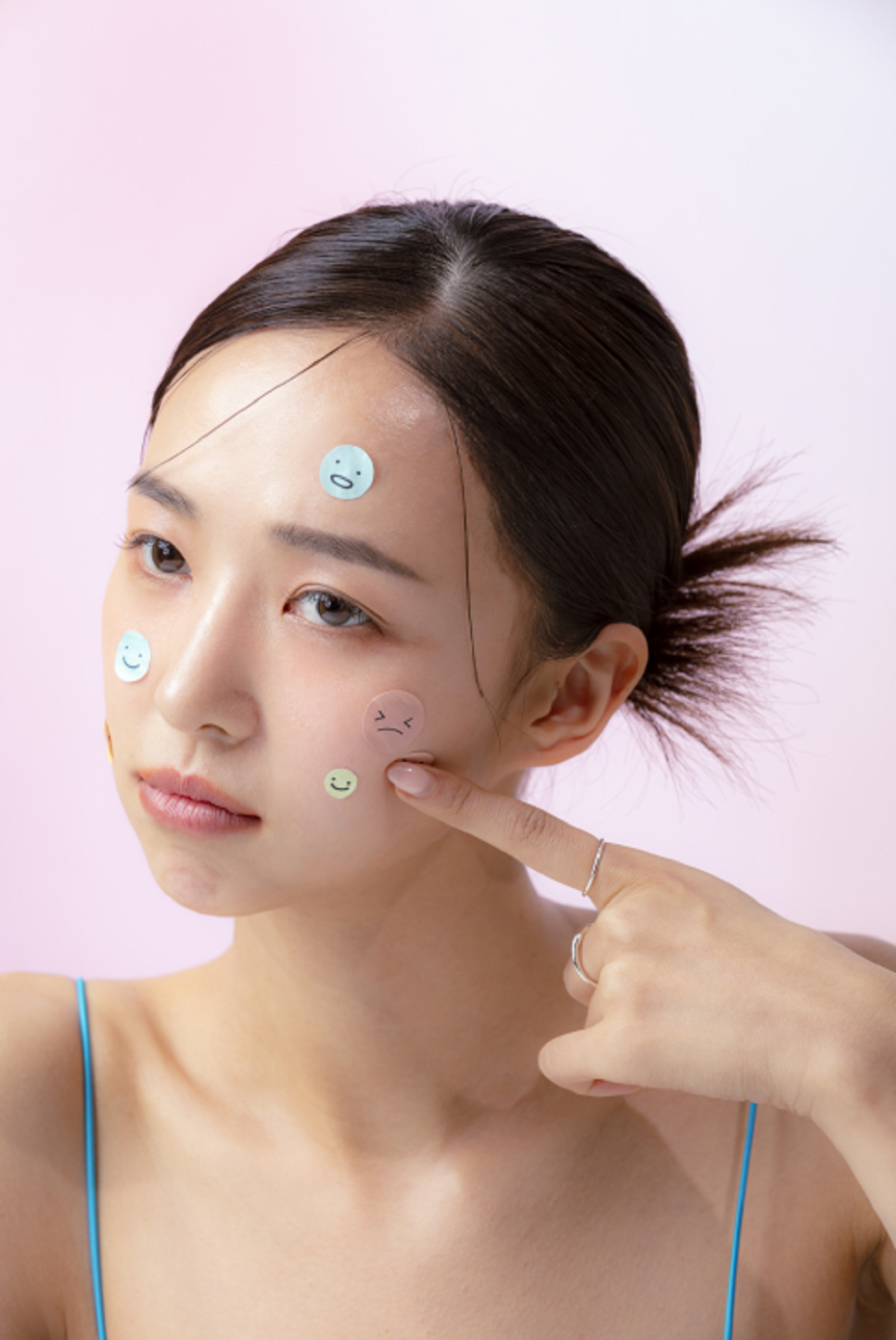
When applying a patch may instead be uncomfortable
Applying a patch may not be very helpful for red, painful inflammatory acne or deep blemishes that have not yet developed a visible head. These types of acne may involve inflammation progressing beneath the skin, so simply covering the surface may not be enough to calm the inflammation. If the area remains covered for a long time, the skin may feel stuffy, and the surrounding skin may become waterlogged and irritated.
Also, people with sensitive skin or sensitivity to adhesive ingredients may experience redness or itching around the patch. The process of leaving a patch on for too long or repeatedly removing and reapplying it can also irritate the skin barrier. In particular, repeatedly using patches on the same area may cause dryness or flaking, so caution is needed.
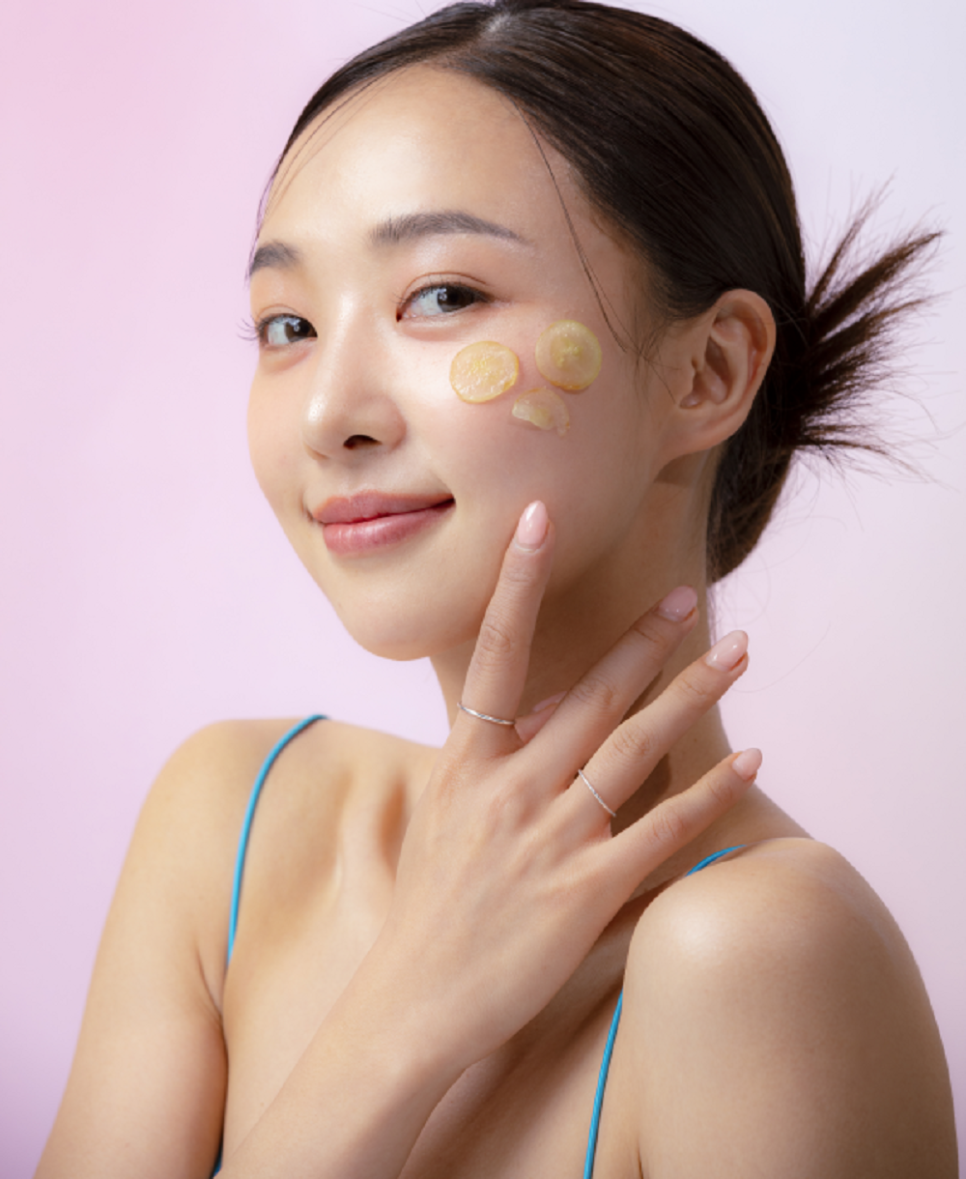
How should patches be used?
It is best to apply a patch after cleansing the skin thoroughly and removing sufficient moisture and oil. It may not adhere well or may lose its adhesive strength if applied immediately after using a cream or ointment. After applying the patch, avoid touching it frequently and replace it according to the time recommended for the product.
When used after extraction, a patch may help protect the area and absorb discharge, but applying a patch after forcefully squeezing the blemish is not advisable. If an acne lesion does not come out easily, pressing it forcefully may worsen the inflammation or leave a scar. If pain worsens after applying a patch, the redness spreads, or discharge continues, it is better to seek medical attention rather than continuing self-care alone.
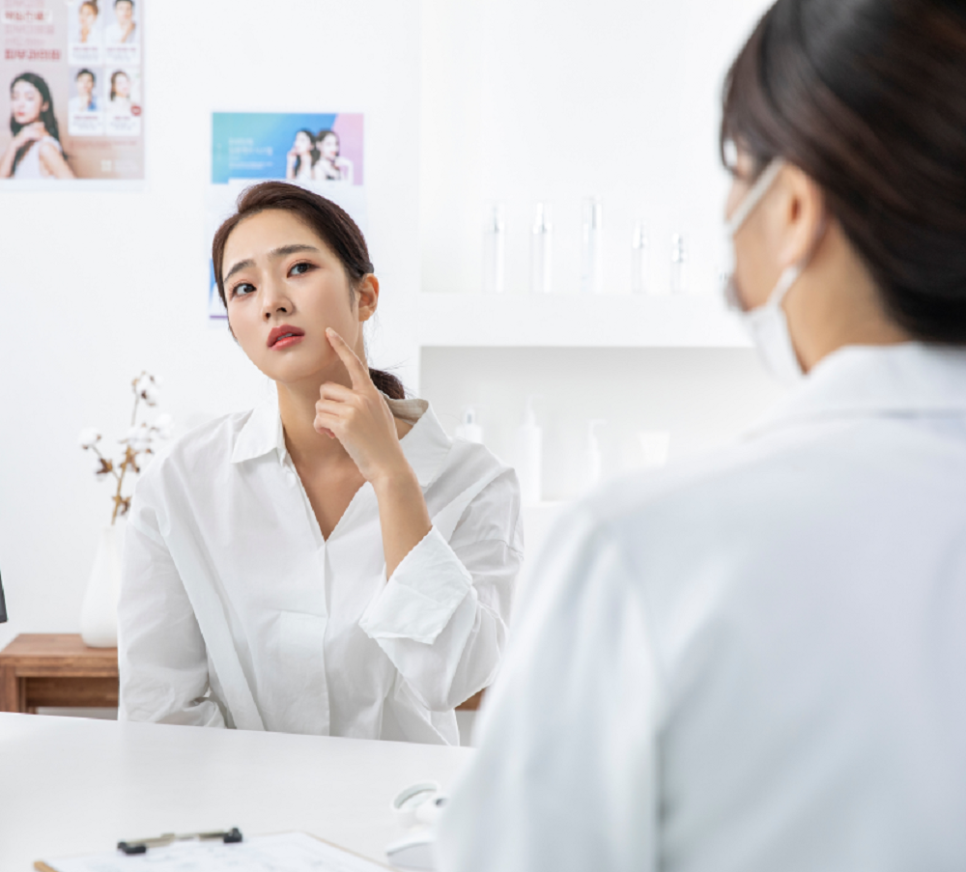
Blemish patches may help reduce touching and protect the skin after extraction, but they are not always effective for every type of acne. Depending on the depth of the blemish, the degree of inflammation, and your skin's sensitivity, using a patch may not be appropriate. Relying on patches alone to manage recurring acne may also result in missing the appropriate time for treatment.
In particular, if acne repeatedly appears around the mouth, on the chin, or around the cheeks, or if red and painful inflammatory blemishes occur frequently, it is a good idea to consult a dermatologist to assess your current skin condition. Based on a professional diagnosis, treatments such as extraction care, inflammation-relieving treatment, sebum-control treatment, and skin-barrier recovery care can be tailored to your skin condition. This may help reduce blemish marks and scars and maintain a more stable skin condition.